Introducción
Modal, which is very popular these days, is a type of regenerated cellulose fiber. Garments made from Modal have a smooth feel, good drape, a bright sheen and are also durable and wrinkle-resistant.
What is Modal fabric?
Modal fiber, is an environmentally friendly and biodegradable fiber made from 100% natural high-quality wood pulp. It is green, environmentally friendly and sustainable. It possesses all the advantages of industrial fibers: high uniformity, consistent quality, high purity, optimal linear density and fiber length.
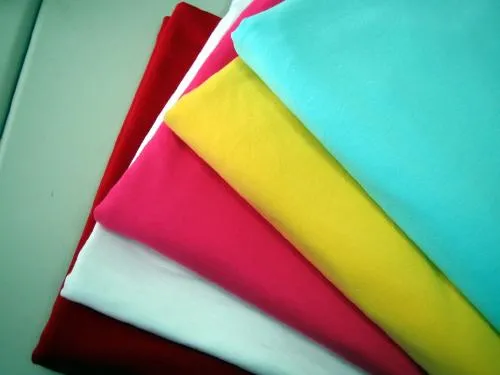
Fabrics made from Modal offer excellent comfort, wearability, moisture absorption, skin-friendliness, and breathability. Garments made from ultrafine Modal are lightweight, absorbent, soft, and elastic.
One of its most prominent advantages is its excellent dyeability; it can impart vibrant colors to fabrics and garments, and retain their bright appearance even after repeated washing.

Modal fiber properties
- Modal fiber has a fineness of 1 dtex, while cotton fiber has a fineness of 1.5-2.5 dtex, and silk has a fineness of 1.3 dtex. Modal fiber is soft, smooth, and brightly colored. The fabric has a particularly smooth feel, a bright luster, and better drape than existing cotton, polyester, and rayon fibers. It has a silk-like luster and feel, making it a natural mercerized fabric.
- Modal fiber possesses the strength and toughness of synthetic fibers, with a dry strength of 35.6 cm and a wet strength of 25.6 cm. Its strength is higher than pure cotton and polyester-cotton blends. Modal fiber has 50% higher moisture absorption than cotton fiber, allowing Modal fabrics to remain dry and breathable. It is an ideal fabric for close-fitting clothing and health-related garments, beneficial to the body’s physiological circulation and health.
- Compared to cotton, Modal fiber has excellent morphological and dimensional stability, giving fabrics natural wrinkle resistance and wrinkle-free properties, making them more convenient and natural to wear. Modal fiber has good dyeing properties and retains its vibrant color even after multiple washes. It is also highly absorbent and has good colorfastness. Compared to pure cotton, it is more comfortable to wear and does not have the drawbacks of pure cotton clothing such as fading and yellowing. Therefore, while cotton fabrics become increasingly soft and lustrous with each wash (after 25 washes), Modal fiber fabrics become softer and more vibrant with each wash.
Advantages of Modal fabric
- Modal fiber is made from natural wood and is biodegradable after use.
- Modal is soft, smooth, and brightly colored. Fabrics made from it have a particularly smooth feel, a bright sheen, and better drape than existing cotton, polyester, and rayon fibers. It has a silk-like luster and feel, making it a natural mercerized fabric.
- Modal fiber possesses the strength and toughness of synthetic fibers, with a dry strength of 35.6 cm and a wet strength of 25.6 cm. Its strength is higher than pure cotton and cotton-polyester blends, reducing breakage during processing.
- Modal has 50% higher moisture absorption than cotton fiber, allowing Modal fabrics to remain dry and breathable. It is an ideal fabric for close-fitting clothing and bedding, beneficial to the body’s physiological circulation and health.
- Compared to cotton fiber, Modal fiber has better dimensional and structural stability, giving fabrics natural wrinkle resistance and requiring no ironing, making them more convenient and comfortable to wear.
- Modal fiber has excellent dyeing properties and retains its vibrant color even after multiple washes. It is also highly absorbent and has good colorfastness. Compared to pure cotton, it is more comfortable to wear and does not suffer from the fading and yellowing issues common in pure cotton clothing. Therefore, while cotton fabrics become increasingly soft and lustrous with each wash (after 25 washes), Modal fiber fabrics become softer and more lustrous with each wash.
Disadvantages of Modal fabric
- Modal fiber is made from wood from nature and can be naturally degraded after use.
- Modal fibers are soft, smooth, and brightly colored, and the fabric has a particularly smooth feel and a bright luster.
- Modal fiber possesses the strength and toughness of synthetic fibers. Modal fiber has a stronger moisture absorption capacity than cotton fiber.
- Compared with cotton fiber, modal fiber has good morphological and dimensional stability.
- Modal fiber has good dyeing properties and remains bright and new even after multiple washes. It is also highly absorbent and has good color fastness.
Main uses of modal fabric

Modal fiber meets the requirements of the ECO-TEX standard, is physiologically harmless, and is biodegradable. Because of this, many warp and weft knitting manufacturers have begun using this fiber as a raw material to produce daywear, sleepwear, sportswear, and casual wear, and it is also used in lace. This fabric has a particularly ideal effect when combined with other intimate apparel.
Washing methods
- Modal fabric is suitable for hand washing and not dry cleaning. When washing, soak immediately, and the soaking time should not exceed 15 minutes.
- Modal fabric can be machine washed, but the water temperature should not be too high. Hand washing is recommended.
- Modal fabric fibers are relatively short, so hand washing should be done gently to avoid excessive friction.
- When washing, it is best to use a neutral detergent or a low-alkaline detergent. Do not use fabric softener.
- After washing in detergent, rinse thoroughly with clean water.
- When draining water after washing, fold the bedding and squeeze out the excess water in large handfuls. Avoid wringing or twisting to prevent excessive deformation.

Cuento con más de 25 años de experiencia en la fabricación de gorras y prendas de vestir. Con un enfoque constante y minucioso, superviso la producción en fábrica y las operaciones del equipo, garantizando una calidad fiable y entregas puntuales a clientes de todo el mundo.