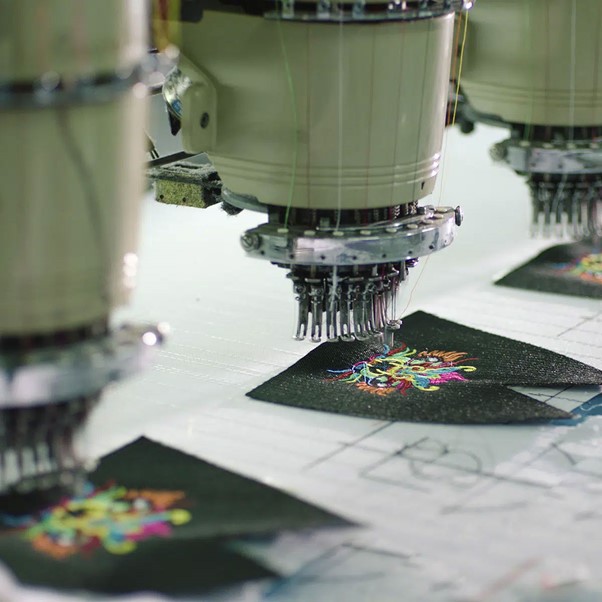
Same Product, Two Different Worlds
As a hat factory founder, we’ve worked with many brand clients. Some develop only a few styles a year. Others launch new designs every month. At first, I thought the difference was just quantity. Later, I realized they operate on two completely different business models.
Fast Fashion Brands: Stability Comes First
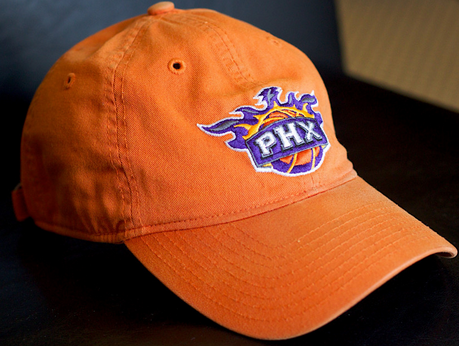
Fast fashion brands focus on the product lifecycle. Once a hat proves itself in the market, it stays in the lineup for a long time. Each year, they might adjust fabric, colors, or finishing details — but the basic shape stays the same.
For these brands, a hat is a mature product. The design work centers on improving comfort, optimizing cost, refining supply chain efficiency, and updating color combinations.

Sales are steady, so production is steady. The factory’s job is consistency. A hat that sold well last year should be produced this year with the same fit, same measurements, and same wearing experience.
Stability is what fast fashion brands value most.
Designer Brands: Expression Comes First
Designer brands focus on expression. Each season brings a new theme, a new story, a new trend to develop around.
A hat is not just a product — it’s part of the brand’s language.
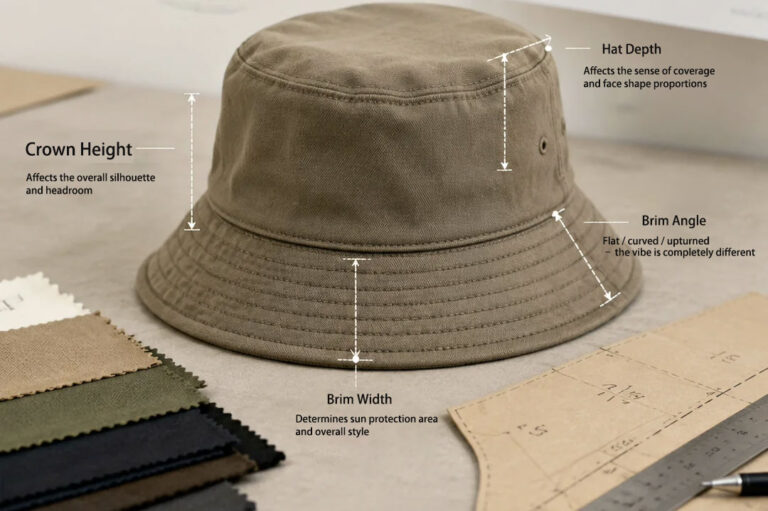
If retro outdoor style is trending, the brim might get wider. If technical wear is hot, functional structures might be added. If quiet luxury takes over, the focus shifts back to materials and details.
Trends change. Design changes with them.
As a result, designer brands have denser development cycles, more frequent sampling, more fabric experiments, and richer combinations of techniques.
For the factory, this means fast development capability — turning a designer’s idea into a sample quickly, adjusting patterns for different fabrics, and optimizing production plans for different techniques.
The final production run for one style may be small, but the design and development time invested upfront is enormous.
Two Different Tests for a Factory
Fast fashion brands test a factory’s ability to manufacture consistently.
Designer brands test a factory’s ability to collaborate on development.
One pursues replicating success. The other pursues creating new possibilities.
Both deserve respect. They simply make different choices — and their production logic follows.
For us, understanding a client’s business model matters more than understanding a single hat. Clients don’t just need a hat produced. They need help achieving their market goals.

What Actually Makes a Designer Brand Work
After years in the hat business, we’ve learned that the designer brands that truly break through are never just “good-looking.” They pick the right audience first, then deliver the right expression.
Many people start by wanting to make a “goes-with-everything” hat. The result? Anyone can wear it, but no one remembers it.
From the factory side, we prefer to start with a niche market, then expand the difference.
Step 1: Choose the Audience, Not the Sketch
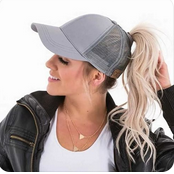
We once had a client who wanted to make trendy baseball caps — a very broad direction. We helped them re-define their user and lock onto “female motorcycle riders.”

The brim was extended for better wind protection. A sweatband was added inside for long wear. The fit was narrowed to match women’s head sizes.
Same hat category, but no longer a “decoration” — now it’s a product with a real use case.
Step 2: Design Is Not Just Visual — It’s Structure and Craft
Many design sketches look beautiful but fall apart once they hit the factory.

We usually get involved at the design stage to clarify what’s feasible early on. Can the embroidery reach this level of detail? Can the fabric hold this shape? Will the stitching affect comfort? We don’t shut down the design — we offer a Plan B that keeps the core style intact while making production stable.
Step 3: In a Niche Market, the Key Is Being Seen
We’ve found that niche doesn’t mean no market. In fact, niche makes it easier to stand out. Outdoor campers, pet brand owners, runners and cyclists, subculture groups — these people have clear, resonant needs for hats.
Capture one point, and the product becomes memorable.
Step 4: A Factory’s Value Is More Than Production
Many people think a factory just “makes things.” We’d rather amplify the design.
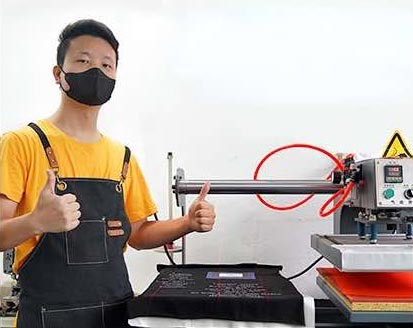
Beyond capacity, we offer a pattern database that quickly matches different head shapes, a mature supply chain that ensures fabric consistency, and craft combination experience that makes designs more dimensional.
When a designer’s creativity meets a factory’s execution, you get a 1+1 > 2 effect.
What designer brands fear most is not slow sales — it’s lack of difference. And difference doesn’t come from inspiration. It comes from understanding people, scenarios, and production.
We’ve always focused on blending those three things efficiently.
From Reference Image to Sample: The Real Work of Hat Development
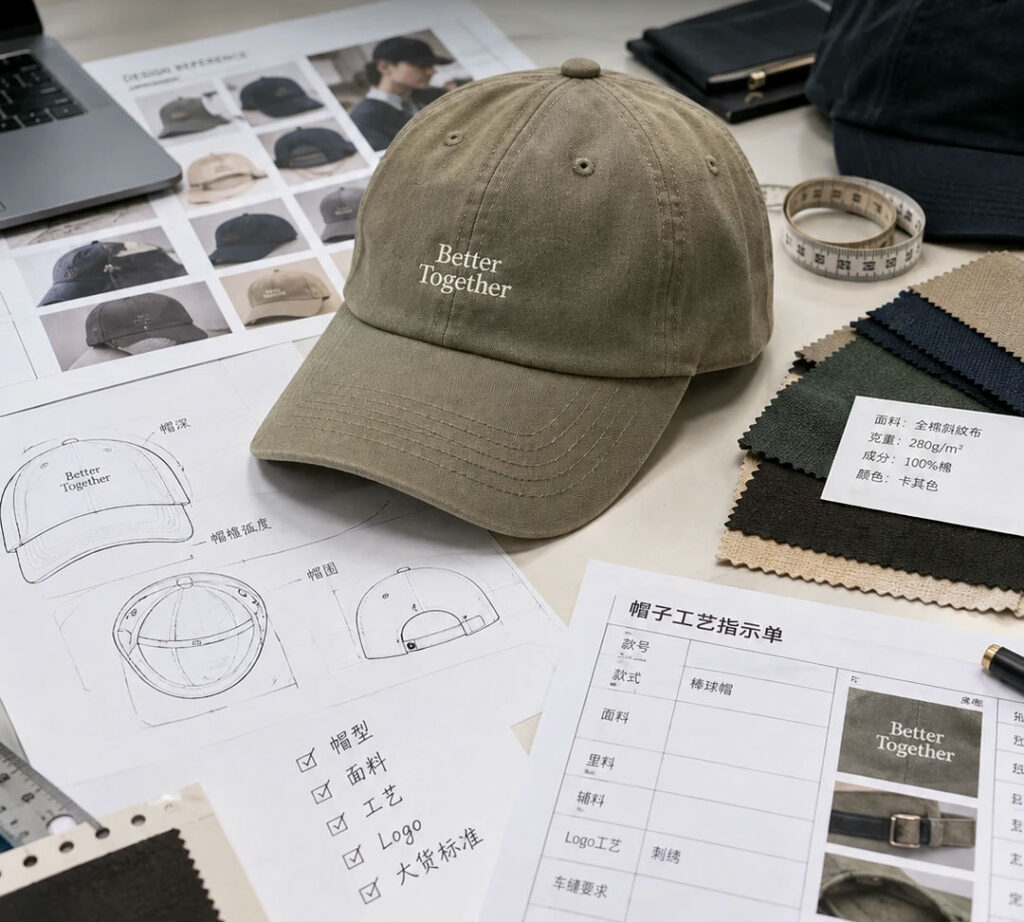
A design sketch or a reference sample only sets the direction. Once development begins, the designer’s idea must be translated layer by layer into an executable product plan.

First, confirm the target customer and wearing needs. Then align with the designer on product direction. Next, break it down across three dimensions: pattern, fabric, and craft. Finally, validate and adjust through sampling.
Here, the factory designer’s value is not just “drawing patterns.” It’s the ability to understand several things at once:
- What the design is trying to express
- How the hat should be worn
- How the pattern should be adjusted
- Whether the fabric can support the effect
- How the craft can be executed
- Whether it can be mass-produced reliably
For example, when a designer sees a “natural hat shape,” the factory designer must judge whether that natural feel comes from crown depth, crown structure, or fabric stiffness.
When they see a “vintage feel,” the factory designer must decide whether to achieve it through fabric, washing, color, or proportion.
When they see a complex logo, they must consider craft effects, hat body tolerance, and actual cost.
So good hat development is not about copying a sketch exactly. It’s about understanding the design intent and landing it accurately through pattern, fabric, and craft.
This is the factory designer’s most important role in designer brand development: to speak the language of design and also know how to turn it into a hat that can actually be worn and produced.
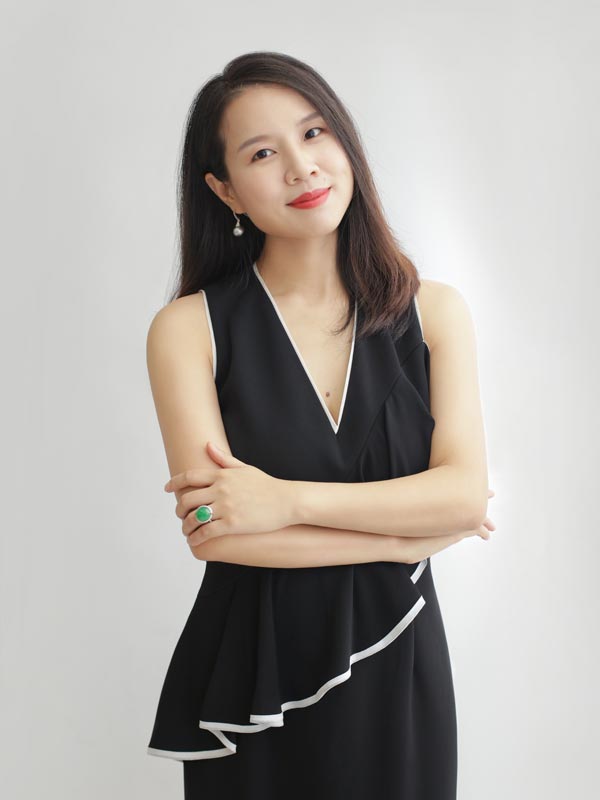
Chamo-me Kailyn, sou a fundadora da Aung Crown. Passei mais de uma década “na linha da frente” do setor dos chapéus e do vestuário, aprendendo exatamente o que é preciso para fazer com que um produto se destaque. Sou um pouco perfeccionista no que diz respeito ao design e à qualidade, mas isso é porque me preocupo com o sucesso da sua marca tanto quanto você. Quer precise de aconselhamento sobre produção ou de apoio pós-venda, estou aqui para o ajudar em todas as etapas do processo.