Introduzione
Quando realizzo cappelli personalizzati, la domanda più comune che mi fanno i clienti è:
“Perché lo stesso cappello costa di più da voi che da altri?”
Capisco benissimo questa domanda.
Perché quando i clienti ricevono un preventivo, di solito vedono solo un numero.
Ad esempio:
Stabilimento A: $4.57
Stabilimento B: $5.43
Stabilimento C: $6.43
Quindi è facile concludere:
Lo stesso cappello, perché c'è una differenza così grande?
Ma dopo aver lavorato in una fabbrica di cappelli per oltre 20 anni, voglio dirti una cosa:
Il vero confronto per le citazioni sui cappelli non è mai solo il numero finale.
Oggi, partirò da quando un cliente invia una richiesta e illustrerò tutti i costi di un cappello, dalla richiesta alla spedizione. Regole di quotazione, ricarichi di fabbrica e opportunità di risparmio: li spiegherò tutti in una volta.
Come può una fabbrica di cappelli fare preventivi a prezzi ragionevoli?
Quando un cliente dice “Quanto costa per 1000 pezzi?”, è molto difficile per la fabbrica fare un preventivo.
“Quanto costano 1000 cappellini da baseball?”
Dalla prospettiva del cliente, questo è normale.
Ma dal punto di vista della fabbrica, quelle informazioni sono tutt'altro che sufficienti.
Perché “cappellino da baseball” è solo uno stile.
I fattori che influenzano realmente il preventivo includono almeno:
Struttura del cappello, tessuto, peso, tecnica del logo, accessori, processo di lavaggio, imballaggio, quantità, tempo di consegna e requisiti di controllo qualità.
Per un semplice esempio:
Anche per lo stesso berretto da baseball in puro cotone,
280 g di cotone ordinario e 280 g di cotone pettinato si comportano diversamente;
visiera curva ordinaria e visiera corta speciale hanno diverse difficoltà di produzione;
ricamo piatto ordinario e ricamo 3D ad alto punto richiedono tempi di lavorazione diversi;
500 pezzi e 5000 pezzi hanno diverse efficienze di produzione.
Quando la nostra fabbrica riceve una richiesta, per prima cosa determiniamo di che tipo di cappello si tratta, e solo allora procediamo con il preventivo.
Per un preventivo di cappelli, avrai bisogno di fornire i seguenti dettagli: **1. Dettagli del cappello:** * **Tipo di cappello:** (es. berretto da baseball, fedora, cappello da pescatore, beanie, cappello da sole, ecc.) * **Materiale:** (es. cotone, poliestere, lana, feltro, paglia, ecc. Potrebbe essere necessario specificare la grammatura o il tipo di filato). * **Struttura:** (es. strutturato, non strutturato, con visiera rigida, morbida, ecc.) * **Chiusura posteriore:** (es. snapback, strapback (con fibbia metallica o in plastica), elastica, velcro, chiusa, ecc.) * **Dimensioni:** (es. taglia unica, S/M/L, misure specifiche per bambini o adulti) * **Colore:** (specificare i colori desiderati. Se possibile, indicare codici Pantone per una maggiore precisione). * **Dettagli di design aggiuntivi:** (es. occhielli, inserti, bordi a contrasto, ecc.) **2. Dettagli della personalizzazione/del logo:** * **Tipo di personalizzazione:** (es. ricamo, stampa, etichetta tessuta, etichetta in pelle, patch, ecc.) * **Posizione della personalizzazione:** (es. fronte, lato, retro, sottovisa) * **Dimensioni della personalizzazione:** (dimensioni approssimative o specifiche del logo) * **Colori del logo/disegno:** Specificare i colori del logo o caricare un file vettoriale del logo. * **Quantità di punti di ricamo (se applicabile):** A volte richiesto per preventivi di ricamo precisi. **3. Quantità:** * **Numero di cappelli desiderati:** La quantità è un fattore cruciale per il prezzo. Solitamente ci sono sconti per volumi maggiori. **4. Tempistiche:** * **Data di consegna desiderata:** Avere una scadenza chiara è importante per i tempi di produzione. **5. Informazioni aggiuntive (opzionale ma utile):** * **Budget approssimativo:** Se hai un budget in mente, comunicarlo può aiutare la fabbrica a suggerire materiali e opzioni più adatte. * **Esempi o immagini di riferimento:** Inviare foto di cappelli che ti piacciono o che sono simili a ciò che desideri può essere molto utile. * **Requisiti speciali:** (es. materiali eco-friendly, certificazioni, confezionamento personalizzato). * **Informazioni sulla spedizione:** Dove devono essere spediti i cappelli? Più dettagli fornisci, più accurato e veloce sarà il preventivo.
Realizzo cappelli da oltre 20 anni. Ogni giorno ricevo richieste da parte dei clienti. Mi inviano una foto e aspettano un preventivo.
Per rendere il preventivo più veloce e preciso, di solito confermiamo i seguenti dettagli:
① Stile del cappello
Cappellini da baseball, cappellini a 5 pannelli, cappelli a secchiello, visiere: possono sembrare tutti cappelli, ma il processo di produzione e i materiali sono completamente diversi. Solo conoscendo lo stile possiamo calcolare i passaggi e i materiali necessari.
Quantità
500 pezzi contro 5000 pezzi – i costi dei materiali, l'efficienza produttiva e la condivisione degli scarti sono tutti diversi. Più chiara è la tua quantità, più vicina sarà la quotazione al costo di produzione effettivo.
③ Requisiti del tessuto
Cotone, poliestere, nylon, velluto a coste, tela, tessuti tecnici – ognuno ha un prezzo diverso.
Se hai già in mente un tessuto specifico, comunicacelo direttamente.
In caso contrario, possiamo suggerire opzioni in base al tuo budget.
④ Requisiti di processo / decorazione
Ricamo, stampa, patch in pelle, patch in PVC, etichette tessute, effetti di lavaggio, ecc.
Ogni passaggio aggiuntivo aumenta il costo di elaborazione.
Una foto di riferimento chiara (fronte e retro) è spesso più utile di una semplice descrizione testuale.
⑤ Dimensioni e utenti target
Taglie da adulti, taglie da bambini, vestibilità asiatica, vestibilità europea/americana – la circonferenza della testa influisce sul modello e sull'uso del tessuto.
Per gli ordini di esportazione, conoscere il mercato di riferimento è particolarmente importante.
⑥ Requisiti di imballaggio
Sacchetti in OPP semplici, scatole colorate individuali, etichette appese, adesivi con codice a barre, specifiche del cartone: diversi imballaggi significano costi diversi.
Molti clienti aggiungono i requisiti di imballaggio in seguito, il che significa che dobbiamo riadeguare il preventivo.
⑦ Mercato di riferimento
Per le esportazioni in Giappone, Stati Uniti o Europa, gli standard di qualità e i requisiti di test sono diversi.
Se sappiamo dove verranno venduti i cappelli, possiamo consigliare meglio i materiali e i processi.
Un preventivo non è solo un prezzo: è un piano di produzione.
Più le tue informazioni sono complete, più accurato sarà il tuo preventivo.
Più il piano è chiaro, meno modifiche ci saranno in seguito.
Speriamo sempre che il nostro primo preventivo sia il più vicino possibile al prezzo finale, in modo da non doverlo continuare ad aggiustare.
Quindi, una preventivazione accurata non dipende solo dalla rapidità con cui la fabbrica calcola, ma anche da quanto accuratamente entrambe le parti comunicano.
Citazione del cappello: 7 parti chiave
Quando faccio preventivi, mi concentro su questi 7 moduli di costo:
- Tessuto
- Accessori
- Lavorazione
- Lavoro
- Sprecare
- Controllo qualità
- Rischi di gestione e produzione
I clienti vedono più facilmente i primi due, ma la fabbrica calcola davvero tutti gli ultimi.
Prima: costo del tessuto
Il tessuto è il costo più visibile, ma c'è una insidia comune qui:
Un prezzo unitario del tessuto inferiore non significa necessariamente un costo inferiore per il prodotto finito.
Perché?
Poiché la fabbrica deve anche considerare l'effettivo utilizzo del tessuto, gli scarti di taglio, l'utilizzo del layout, la stabilità dopo il lavaggio e la coerenza dei lotti di colore.
Ho incontrato una situazione simile in passato.
Un cliente ha portato uno stile di cappello che richiedeva un effetto lavato.
Inizialmente, il cliente aveva specificato un materiale di cotone più economico.
Dopo averlo testato, abbiamo riscontrato che la taglia è cambiata significativamente dopo il lavaggio.
Successivamente abbiamo adeguato il tessuto: il prezzo unitario è aumentato, ma la stabilità del prodotto finito è migliorata notevolmente.
In questi casi, di solito suggerisco ai clienti di considerare prima il posizionamento del prodotto prima di scegliere il tessuto.
I cappelli di fascia medio-alta necessitano di una base in tessuto stabile.
Per gli ordini di test per e-commerce, puoi regolare il costo tramite le specifiche del tessuto.
La chiave è l'abbinamento.
Secondo: Costo degli accessori
Un cappello nasconde più accessori di quanti tu possa immaginare:
Visiera, fibbia, fascia tergisudore, cinturino di regolazione, interfodera tessile, etichetta tessuta, etichetta in pelle, accessori in metallo, materiali di imballaggio.
Ogni singolo articolo può sembrare differire di pochi centesimi,
ma quando vengono impilati, la differenza di costo diventa evidente.
Ad esempio:
Fibbia ordinaria vs. fibbia in metallo personalizzata,
etichetta tessuta normale vs. etichetta con processo speciale,
imballaggio standard vs. imballaggio personalizzato.
I clienti mi chiedono spesso: quanto può differire una fibbia?
Guardando un solo elemento, la differenza è limitata,
ma i quotazioni sono sempre la somma di più nodi di costo.
Quindi gli accessori sono un buon settore per l'ottimizzazione dei costi,
purché non vengano toccati gli accessori principali che influenzano la forma del cappello e l'esperienza d'uso.
Perché un logo può far aumentare la quotazione di diversi dollari?
“Ho aggiunto solo un logo – perché il prezzo aumenta?”
Perché la lavorazione del logo non riguarda solo “se è ricamato”.
Anche per il ricamo, devi considerare:
Area del logo, conteggio punti, numero di colori, materiale del filo, posizione del ricamo, supporto, compatibilità della macchina ed effetto 3D.
Ecco un esempio reale.
Un cliente ha inviato un logo ricamato in oro – visivamente era magnifico, ma il nostro stabilimento partner ha riferito che questo tipo di filo d'oro non era ideale con le loro macchine attuali.
Quindi abbiamo dovuto rivalutare il filo, la macchina e l'effetto del ricamo.
Se citassimo direttamente dall'immagine, probabilmente affronteremmo discrepanze nel processo in seguito.
Quindi, quando citiamo i cappelli, separiamo sempre il logo.
Più complesso è il processo, maggiore è l'occupazione della macchina, più aggiustamenti manuali – maggiore è il costo.
Lo stesso vale per il lavaggio.
Lavaggio regolare, lavaggio con enzimi, lavaggio con pietre, sbiadimento locale, spazzolatura a cera: la logica dei prezzi è completamente diversa, specialmente per i cappelli lavati.
Il costo effettivo sostenuto dalla fabbrica include anche i test di pre-produzione e il controllo degli effetti.
Perché gli ordini personalizzati di piccole dimensioni sono generalmente quotati più in alto?
Oggi lo spiegherò da una prospettiva di costo.
Quando una linea di produzione riceve un nuovo modello di cappello, cosa deve fare?
- Riesaminare il processo
- riorganizzare la produzione
- riaggiustare l'attrezzatura
- I lavoratori familiarizzano con il processo
- ripristinare il ritmo di produzione
La differenza di costo tra 500 pezzi e 5000 pezzi è molto evidente.
Ad esempio, tra 1000 cappelli e 10.000 cappelli,
il carico di lavoro di preparazione iniziale è limitato nella differenza,
ma i costi fissi possono essere ripartiti su più prodotti,
quindi il prezzo unitario scende naturalmente.
Questo è anche il motivo per cui il prezzo unitario solitamente diminuisce all'aumentare della quantità.
La ragione principale per preventivi più alti su piccoli ordini è di solito l'efficienza di produzione,
e questo è separato dalla disponibilità della fabbrica ad accettare l'ordine.
Il costo più trascurato nei preventivi: lo spreco
Il taglio del tessuto genera scarti.
La produzione di accessori genera scarti.
Prodotti difettosi si verificano anche durante la produzione.
Ad esempio:
- differenza di colore del tessuto
- disallineamento del ricamo
- problemi di cucitura
- deformazione del bordo
- effetto di lavaggio anomalo
- deviazione di dimensione
La fabbrica deve prevedere un ragionevole quantitativo di scarti di produzione nel preventivo.
Qui voglio in particolare ricordare ai clienti:
Alcune quotazioni sembrano molto basse, forse perché riservano meno per gli sprechi e i rischi di produzione.
La citazione iniziale sembra allettante,
ma più tardi, quando la produzione incontrerà problemi, entrambe le parti avranno comunicazioni ripetute.
Quindi personalmente preferisco calcolare il costo di produzione effettivo in anticipo.
Una citazione chiara rende la cooperazione futura molto più facile.
Perché il controllo di qualità influisce anche sui preventivi dei cappelli?
Molti clienti si chiedono: perché inserite il controllo qualità nella vostra offerta?
Perché i cappelli hanno davvero bisogno di essere ispezionati prima della spedizione.
Dimensioni, forma del cappello, falda, cuciture, logo, macchie, differenze di colore, aspetto, ecc.
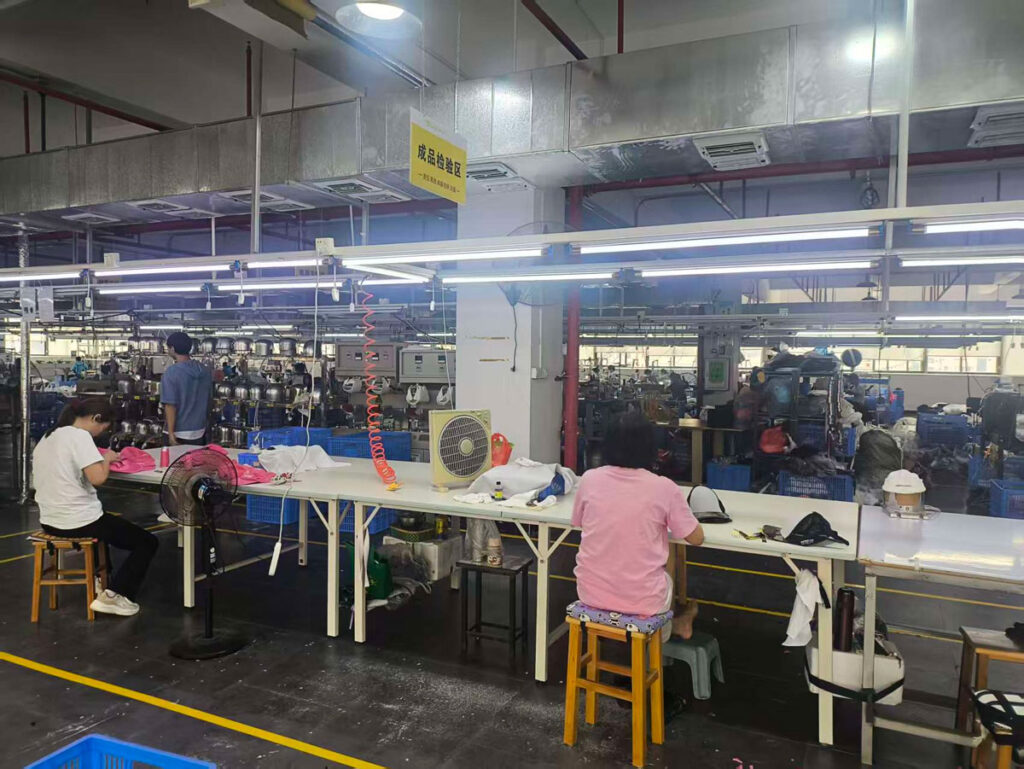
La nostra fabbrica ha ispettori di qualità dedicati.
Dopo che un lotto è completato, passa attraverso lo screening.
Specialmente per gli ordini di esportazione,
la preoccupazione principale del cliente è:
Questo lotto può essere venduto direttamente?
Il valore del controllo di qualità si manifesta spesso dopo la spedizione.
Da una prospettiva di costo:
Fare un ulteriore giro di ispezione in anticipo,
rispetto a rielaborare tutto il lotto in seguito –
Questi due costi sono completamente diversi.
Perché le fabbriche aggiungono maggiorazioni?
Penso che questa domanda debba essere affrontata direttamente.
Gli aumenti di prezzo normali derivano solitamente dalle seguenti ragioni:
- Complessità crescente dei prodotti – stili di cappello complessi, processi complessi, tempi di produzione più lunghi.
- Piccole quantità – i costi fissi di produzione non possono essere ammortizzati completamente.
- Tempi di consegna stretti – è necessario riorganizzare i programmi di produzione.
- Requisiti di controllo qualità più elevati – gli standard di esportazione, gli standard di marca possono differire.
- Modifiche personalizzate frequenti – ogni modifica può influire sulla modellistica e sulla produzione.
Ecco il mio standard di giudizio personale:
Una fabbrica può aggiungere un sovrapprezzo, ma dovrebbe spiegarne chiaramente i motivi.
Quando il cliente chiede: “Perché è più costoso?”
La fabbrica dovrebbe essere in grado di rispondere:
È più costoso in stoffa.
La fattura del logo è più costosa.
È più costoso in lavaggio.
È più costoso in quantità ed efficienza produttiva.
Un preventivo che scomponga i costi aiuta il cliente a giudicare se ne vale la pena.
Perché i preventivi per i cappelli variano: 5 motivi nascosti dietro le differenze di prezzo
Per lo stesso cappello, perché le diverse fabbriche possono presentare una differenza di $1,43 o anche di più?
Ho riassunto 5 situazioni comuni.
Prima, diverse comprensioni del prodotto.
Il cliente dice “cappello di puro cotone”.
Una fabbrica fa preventivi basandosi su cotone puro ordinario,
altre citazioni basate su tessuto di qualità superiore –
I costi differiscono naturalmente.
Secondo, standard di processo differenti.
Una fabbrica segue processi ordinari,
un altro segue standard più elevati –
le citazioni saranno diverse.
Terzo, diversi calcoli di spreco.
Alcune fabbriche quotano aggressivamente,
altri fattori nei rischi di produzione.
Quarto, diverso posizionamento della fabbrica.
Fabbriche ad alto volume e fabbriche specializzate in piccole serie hanno strutture di costo diverse.
Quinto, diverso ambito della citazione.
Questo è particolarmente importante.
Prima di citare, devi chiedere chiaramente:
Il tessuto è incluso?
L'embroidery è inclusa?
Il lavaggio è incluso?
L'imballaggio è incluso?
L'ispezione è inclusa?
Il trasporto è incluso?
Se l'ambito differisce, confrontare semplicemente il numero finale ha un valore limitato.
Dove tagliare i costi: 5 modi pratici per risparmiare denaro sui cappelli personalizzati
Dove i clienti possono risparmiare davvero – suggerisco questi 5 punti.
① Abbina le specifiche del tessuto.
Se il posizionamento del prodotto è un ordine di prova, non iniziare con tessuto eccessivamente di alta qualità.
Se si tratta di una linea di marca, la qualità del tessuto deve essere stabile.
L'abbinamento è più importante della ricerca cieca di specifiche elevate.
② Unificare la lavorazione dei loghi.
Per lo stesso cappello, cerca di mantenere coerente il processo del logo.
Processi multipli accatastati insieme aumentano la complessità produttiva.
③ Ottimizzare l'imballaggio.
Spesso l'imballaggio è un'area in cui i costi possono essere ridotti più facilmente,
specialmente per gli ordini di test e‑commerce.
④ Conferma i processi in anticipo.
Modifiche tardive frequenti sono una causa comune di aumento dei costi.
⑤ Aumenta la quantità dell'ordine.
Con quantità maggiori, i costi fissi vengono ripartiti in modo più completo.
Questo è anche il modo più diretto per ridurre il costo unitario.
3 Aree in cui non dovresti mai risparmiare
Queste 3 aree – personalmente, non consiglio ai clienti di tagliare i costi.
A dirla tutta:
Innanzitutto, la struttura del cappello.
Se un cappello sta bene quando indossato – la struttura è al centro.
Secondo, la qualità del tessuto di base.
Soprattutto per i cappelli lavati, la qualità del tessuto di base influisce direttamente sull'effetto finale.
Terzo, controllo qualità.
Se un lotto ha problemi, rielaborazioni, rifornimenti e reclami dei clienti, questi costi sono molto più elevati dei pochi dollari risparmiati inizialmente.
Dopo tutti questi anni nel settore della fabbrica di cappelli,
Penso che la vera difficoltà nel fare un preventivo non sia mai nel calcolo del prezzo.
Si tratta di spiegare chiaramente la logica dei costi di un cappello.
Il cliente vede:
$4.57, $5.43, $6.43.
La fabbrica vede:
tessuto, accessori, lavorazione, manodopera, scarto, controllo qualità, tempi di consegna, rischi.
Quindi la prossima volta che ricevi due preventivi per il cappello,
Ti suggerisco di non affrettarti a chiedere:
“Quale è più economico?”
Invece chiedi:
“Gli standard di prodotto dietro queste due citazioni sono gli stessi?”
Intervalli di prezzo per stile di cappello (basato su preventivi delle fabbriche cinesi)
Preventivi per 50-100 pezzi per modello. I prezzi effettivi dipendono da tessuto, logo e finiture.
Note:
- I prezzi si intendono per 50–100 pezzi. Il costo finale dipende dalla quantità, dal tessuto e dalla manodopera (ad esempio, numero di punti).
- FOB I prezzi sono FOB franco fabbrica, esclusi nolo internazionale e assicurazione.
FAQ sui cappelli personalizzati

Mi chiamo Kailyn e sono la fondatrice di Aung Crown. Ho trascorso oltre un decennio “sul campo” nel settore dei cappelli e dell’abbigliamento, imparando esattamente cosa serve per far risaltare un prodotto. Sono un po' perfezionista quando si tratta di design e qualità, ma questo perché tengo al successo del tuo marchio tanto quanto te. Che tu abbia bisogno di consigli sulla produzione o di assistenza post-vendita, ti seguirò in ogni fase del percorso.