
A Brief History Of The Soviet Ushanka
Published On: February 5, 2026 By: ray herb
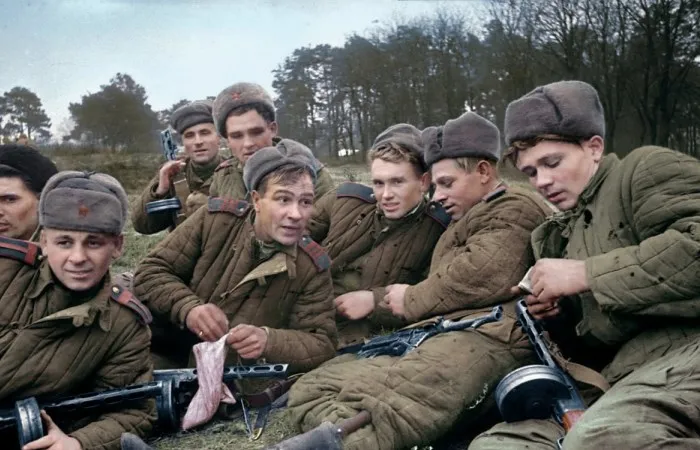
The Ushanka Hat originated from the Soviet earmuff cap (шапки-ушанки), which in Russian means “hat with earmuffs.” Today, we’ll introduce the history of the Soviet earmuff cap.
Origin
The earflap hat originated from the hats worn by nomadic peoples of Eurasia, and its prototype is said to be the Malahai hat worn by the Mongols. This conical hat with earflaps was made of sheep or camel hide.
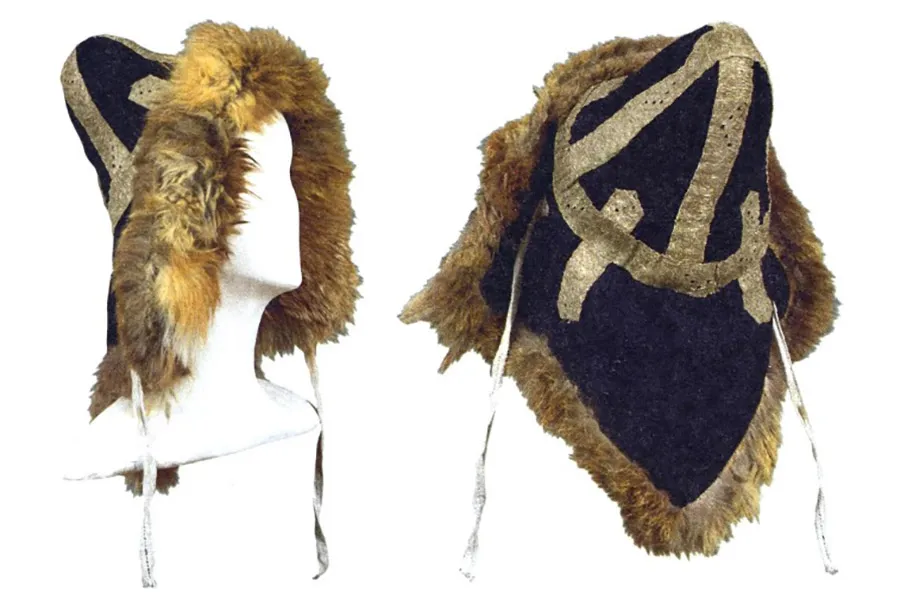
Nomadic peoples throughout Eurasia wore the Malahai hat, suitable for both winter and summer, as the steppes experienced harsh winter winds and sandstorms in summer. In winter, the Malahai hat protected the head, face, and neck from the cold winds and blizzards.
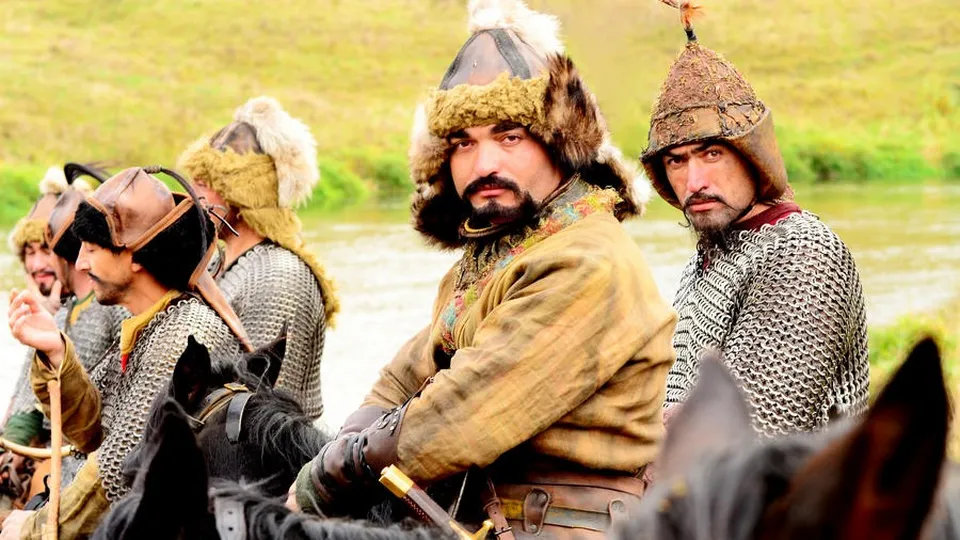
Some types had long earflaps that could be wrapped around the neck like a scarf. In warmer seasons, the earflaps could be rolled up. The Malahai hat was also thick and could protect the head in combat, offering some protection against arrows and sabers. After the Golden Horde invaded Russia, the Malahai hat spread widely throughout the Russian territories.
Ear flaps of the Tsarist Russian army
Before the 20th century, earflaps were typically worn by peasants, especially Siberian coachmen. By the early 20th century, they had attracted the attention of the Tsarist Russian army, as they were essential for keeping warm during the harsh winters.
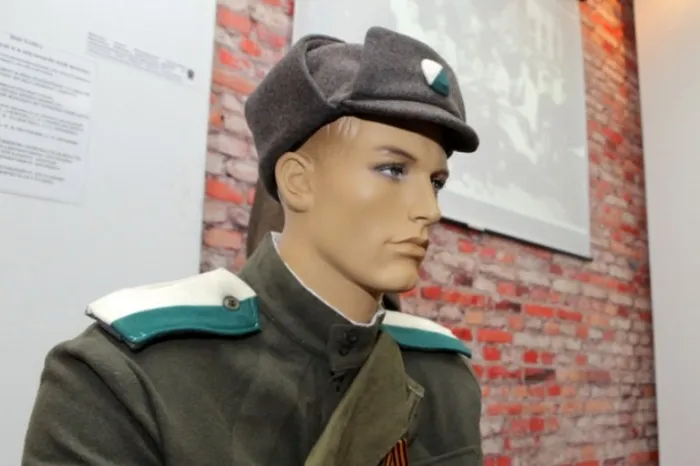
During the Russian Civil War, Kolchak’s White Guards chose the earflap cap as their winter hat, naming it the “Kolchak cap.” The Kolchak cap was essentially the same style as the earflap cap, with ear flaps to protect the ears and neck (including the back of the neck), but it did not use fur on the inside and had a cloth brim below the forehead. Officers’ caps had an oval badge symbolizing Tsarist Russia in the center of the forehead (sometimes replaced by a white and green badge symbolizing Siberia), while soldiers’ caps did not have such a badge.
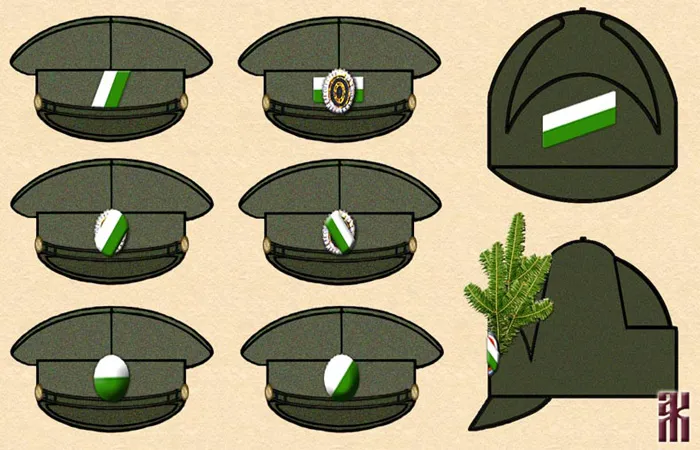
The caps and insignia of Kolchak’s Siberian troops typically featured white and green ribbons representing Siberia, and sometimes spruce branches were also inserted.
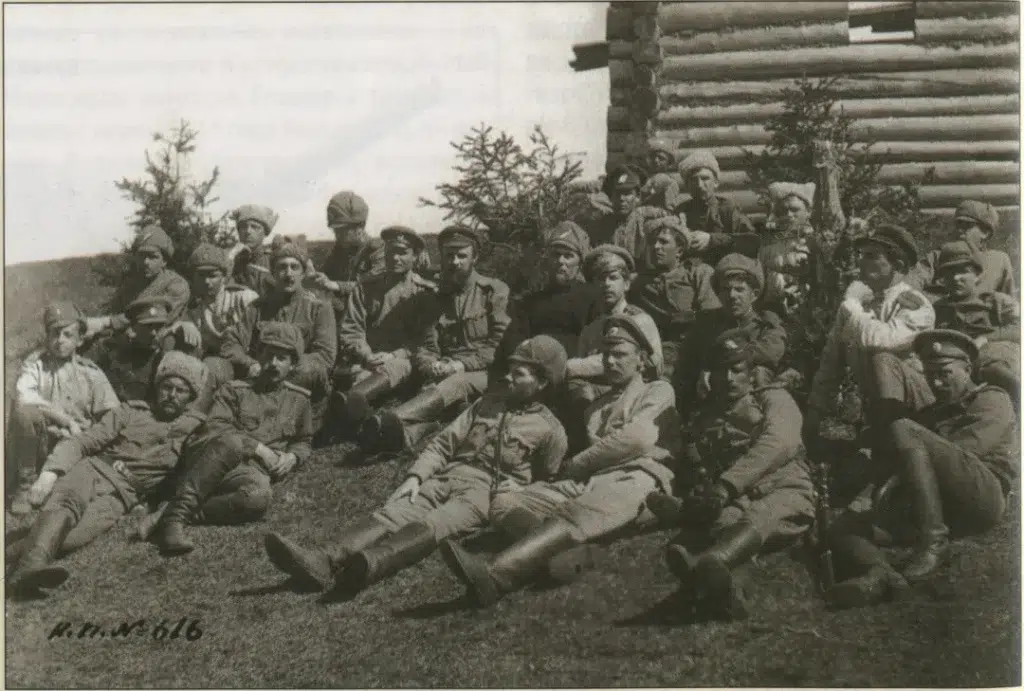
Red Army earmuffs
The Soviet regime established after the October Revolution abolished the military ranks and uniforms that symbolized the Tsarist army, and designed and issued new uniforms and caps for the Workers’ and Peasants’ Red Army. However, for winter caps, ear flap caps were not used; instead, The Budenovka Hat was chosen.
Instead, the Red Navy was the first to receive a winter hat similar to an earflap cap. In 1924, the Revolutionary Military Commission issued Order No. 561, ordering Red Navy personnel to wear a winter hat, the style of which closely resembled the later earflap cap. The Red Navy winter hat was made of black cloth with a cotton lining, and the earflaps and forehead were made of black wool.
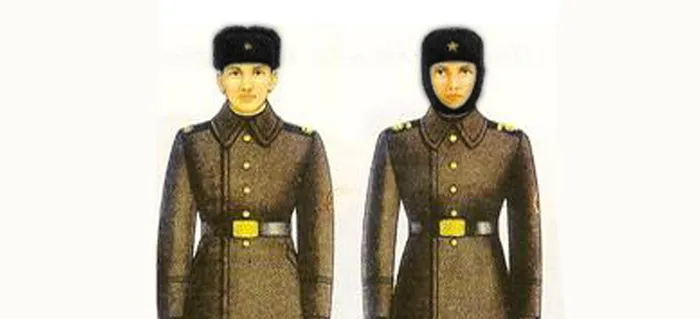
On January 31, 1931, Order No. 14 issued a new winter cap for Soviet commanders, named the Finnish cap. The Finnish cap was made of light brownish-green wool, with dark gray or brown fur on the forehead and ear flaps, and a black or gray cotton lining.
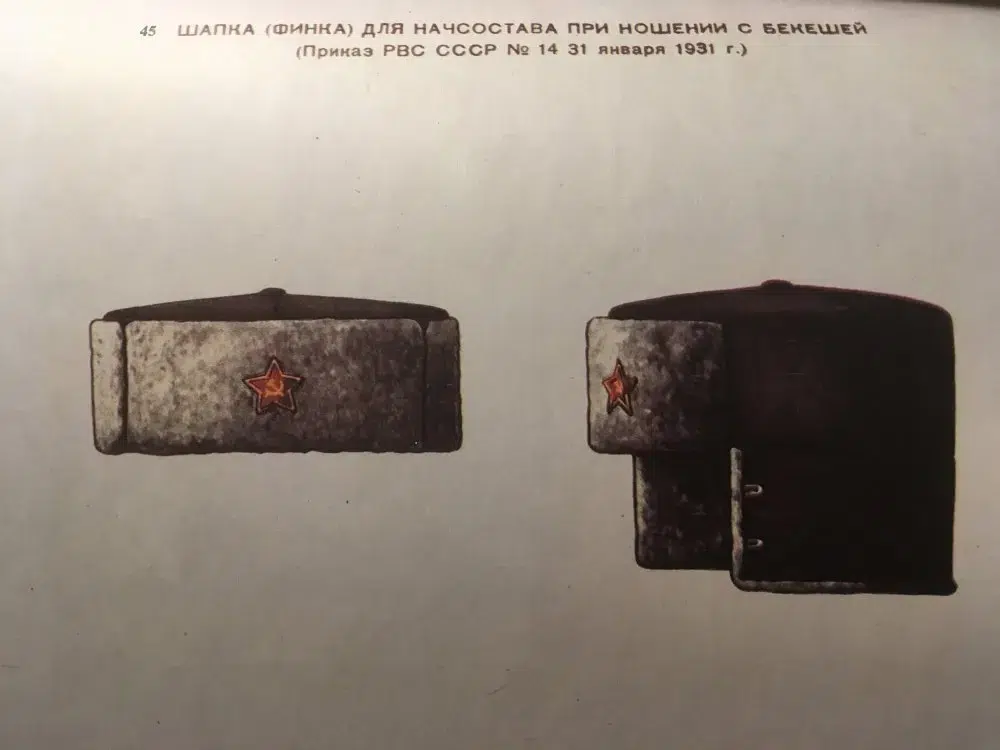
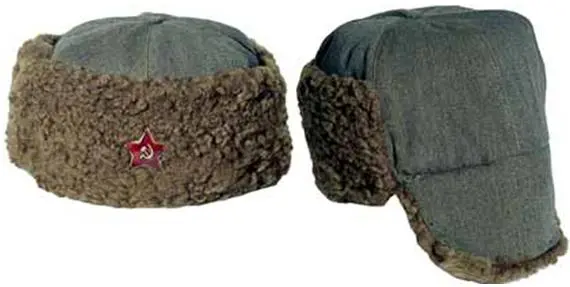
A Finnish cap consists of the following parts:
- An oval-shaped cloth hat with a straight brim and a flat top, made of four triangular pieces of fabric sewn together, with a cloth button sewn in the center of the top.
- The hat has two fur-lined sections: a front forehead guard, ear flaps, and a neck guard (the ear flaps and neck guard are connected). A red five-pointed star badge is located in the center of the forehead. The ear flaps and neck guard are secured to the hat with metal hooks and loops, and can be lowered to protect the ears and back of the neck.
- The forehead, ear flaps, and neck guards are made of the same material as the hat, with cotton stuffing between the fur and the fabric.
- The inside of the hat is made of cotton fabric, and is made of an oval cap and a rectangular headband sewn together. The lining and the hat fabric are filled with cotton.
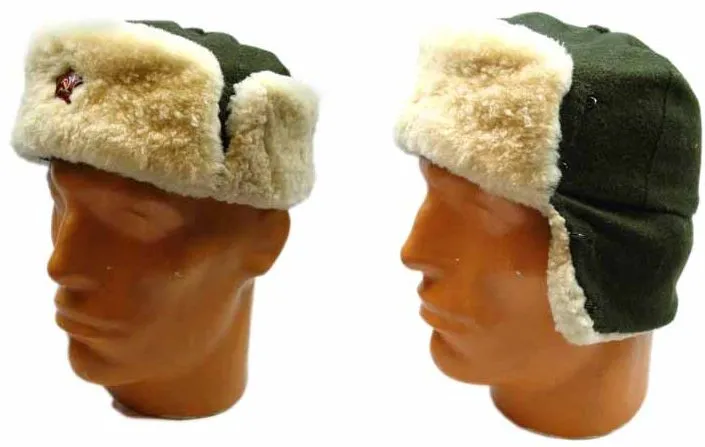
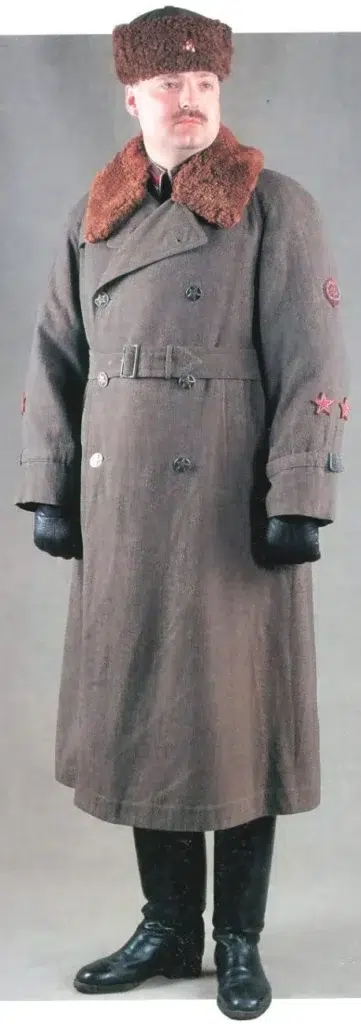
The order permitted mid- to high-ranking officers to wear Finnish caps with their fur coats in winter, but the fur color of the coat collar had to match the color of the Finnish cap’s fur. From 1936 onwards, the Finnish cap also became the winter cap for the NKVD (People’s Commissariat for Internal Affairs). However, for most Soviet Red Army soldiers, their winter cap remained the The Budenovka Hat.
On April 16, 1934, Order No. 52 issued a new type of Red Navy earflap cap. The Red Navy earflap cap was made of four black triangular pieces of cloth sewn together, with black fur on the forehead and ear flaps. The ear flaps were long and could be tied on top of the cap. The Red Navy earflap cap was suitable for all ranks in the Red Navy; junior officers and enlisted men did not have cap badges on their foreheads.
The ear flaps on the caps worn by junior officers and soldiers of the Red Navy, without a cap badge on the forehead.
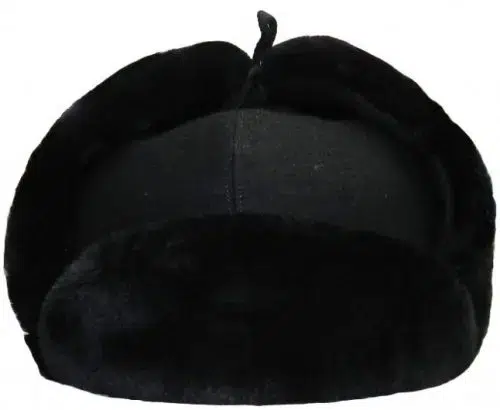
Order No. 426 of October 20, 1939, changed the black cloth outer layer of the earmuffs worn by senior and middle-ranking officers of the Red Navy to black leather, with a black leather-wrapped button on top.
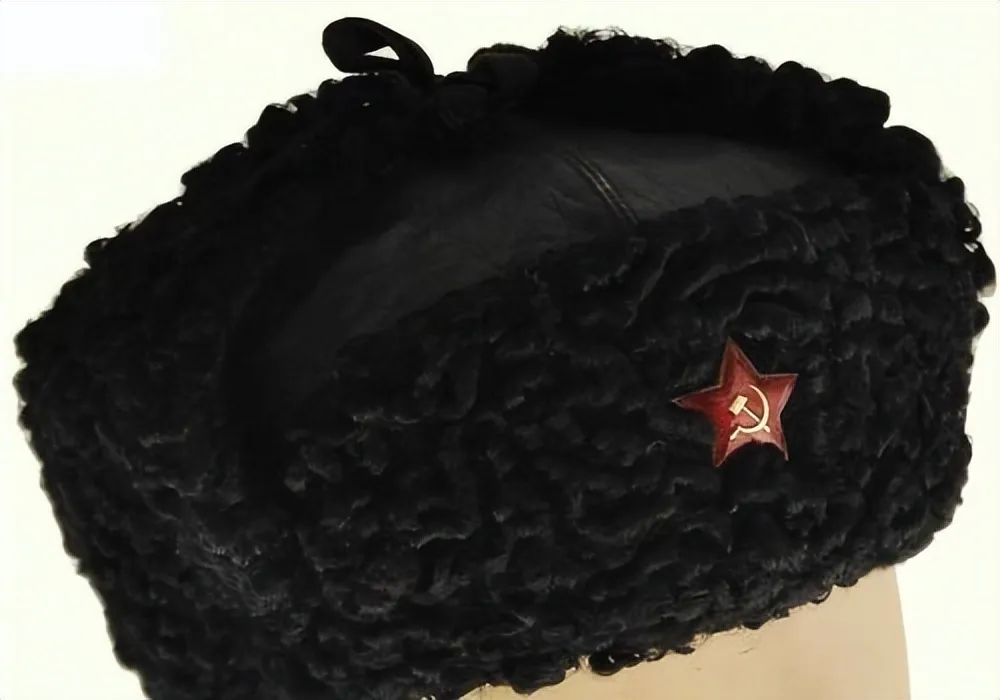
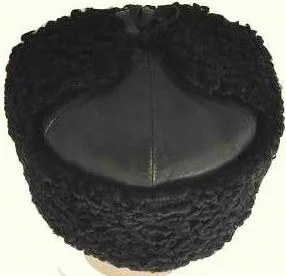
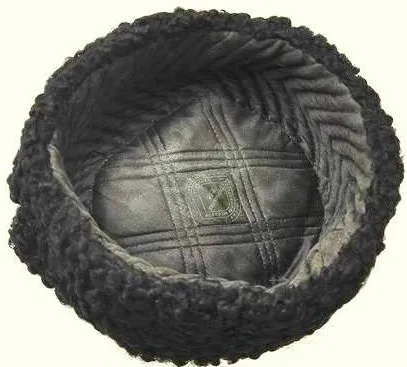
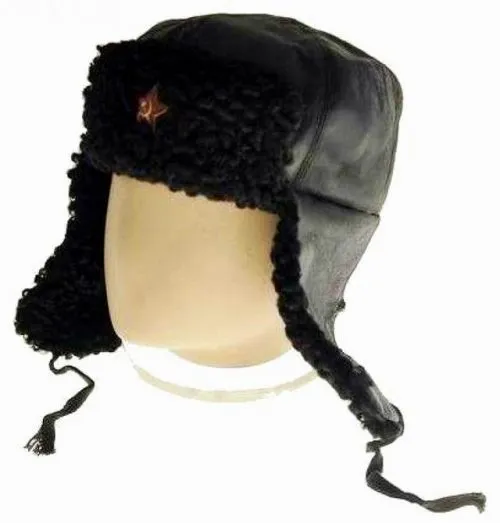
During the Winter War of 1939-1940, The Budyonovka Cap was completely unsuitable for the harsh Finnish winter. Therefore, in 1940, a batch of earflaped caps was hastily produced in a Petrograd factory and sent to the Finnish battlefield. After the Winter War ended, on July 5, 1940, the Soviet People’s Commissariat of Defense, in its decision No. 187, adopted the earflaped cap as the new winter cap for the Soviet Red Army, replacing The Budyonovka Cap.
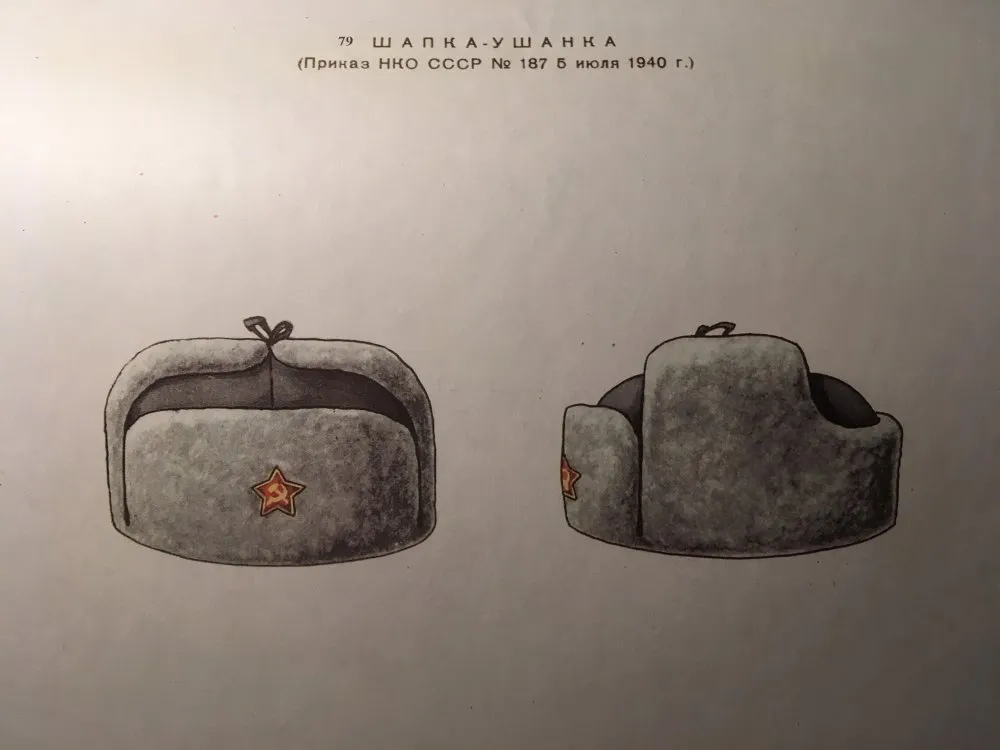
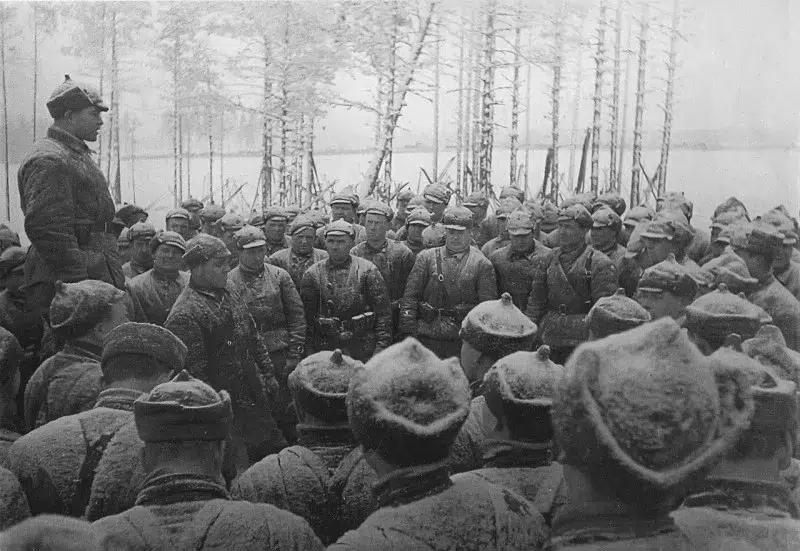
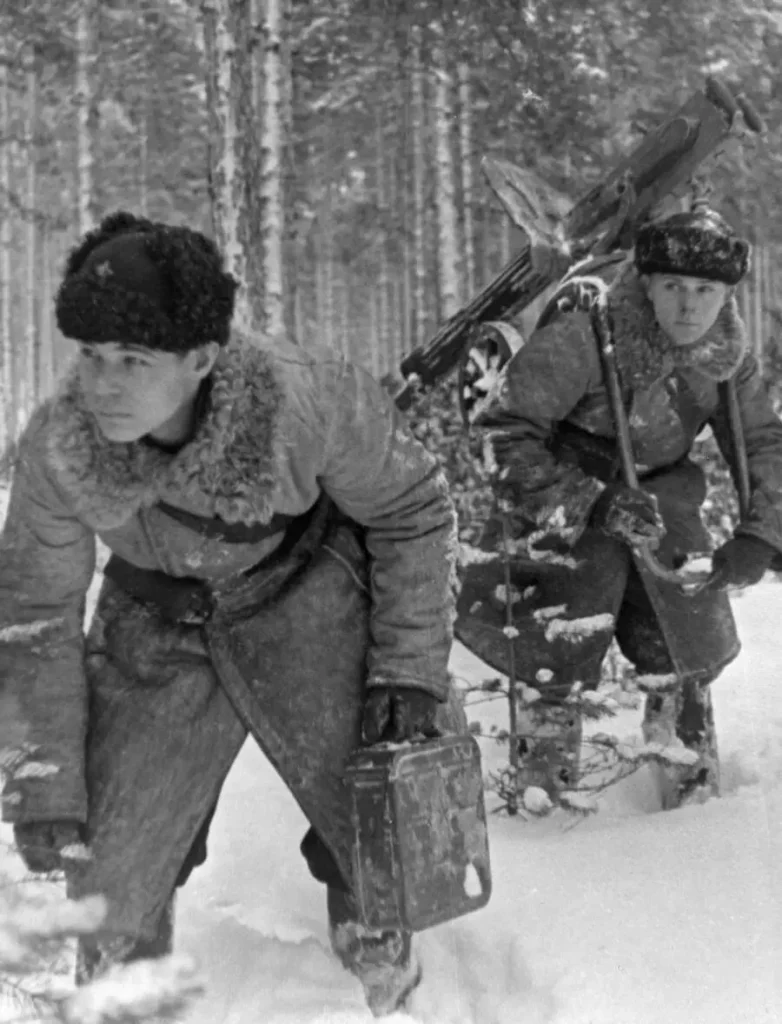
The Red Army’s Ushanka hat is similar in style to the Red Navy earmuff hat, but with the addition of long ear flaps on both sides. The earmuff cap consists of three parts: the cap itself, the forehead flap, and the long ear flaps. When not in use, the long ear flaps are folded up to the top of the cap and tied with a drawstring; when in use, they are lowered and tied with a drawstring at the chin. Unlike the Finnish cap, which only protects the sides and back of the neck, the new Ushanka hat protects the entire neck.
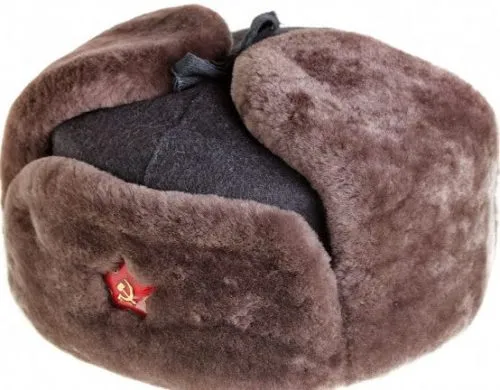
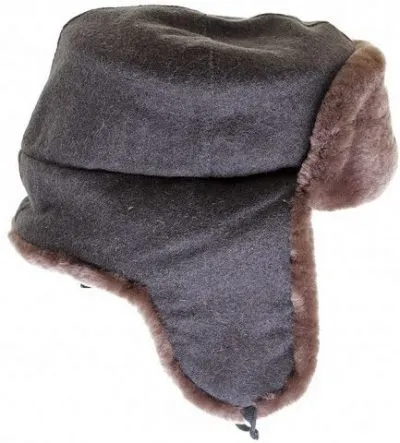
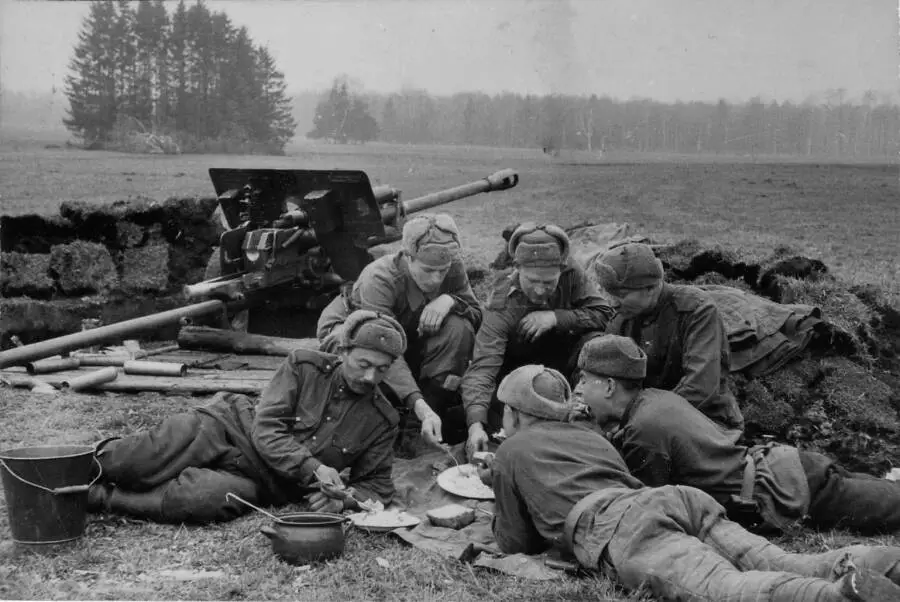
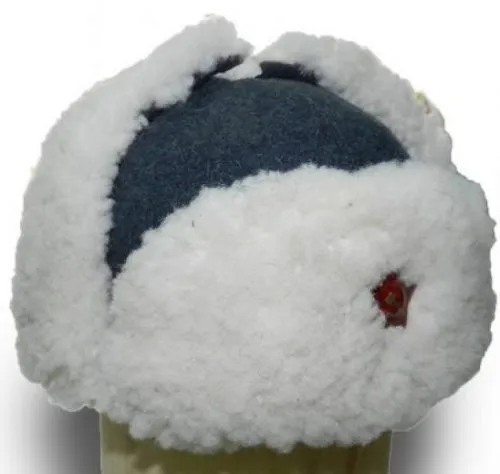
The Ushanka hats worn by mid-to-high-ranking officers were made of wool and grey natural fur, while those worn by junior officers and soldiers were made of cotton and grey artificial fur. Senior and mid-ranking officers could also purchase earflaps made of natural sheep’s wool or grey karakul wool at their own expense. Before February 1941, the earflaps featured a red five-pointed star badge in the center of the forehead; after February 1941, a green five-pointed star badge was used for camouflage.

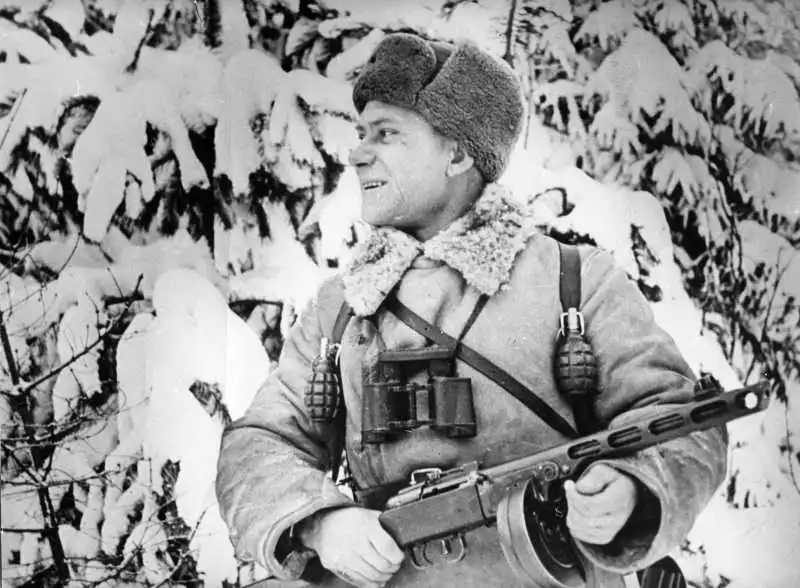
At the time, there were strict regulations for wearing Ushanka hats: they had to be straight, without tilting, with the bottom edge of the hat two finger-widths from the eyebrows, and the center of the cap badge aligned with the bridge of the nose. Earmuffs could only be lowered when the temperature was below -10 degrees Celsius outside of formation, or when ordered to be lowered by the commander during formation, and the earmuffs had to be fastened to the chin.
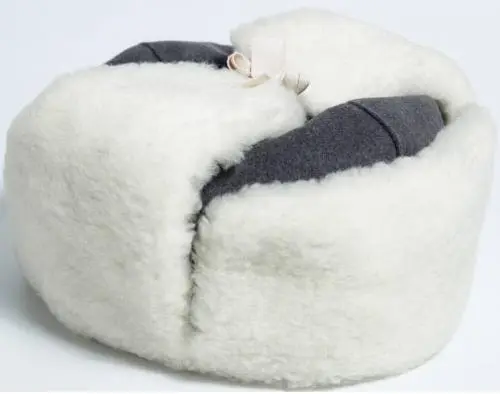
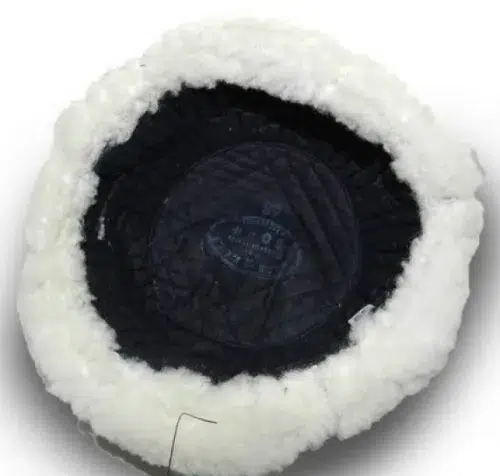
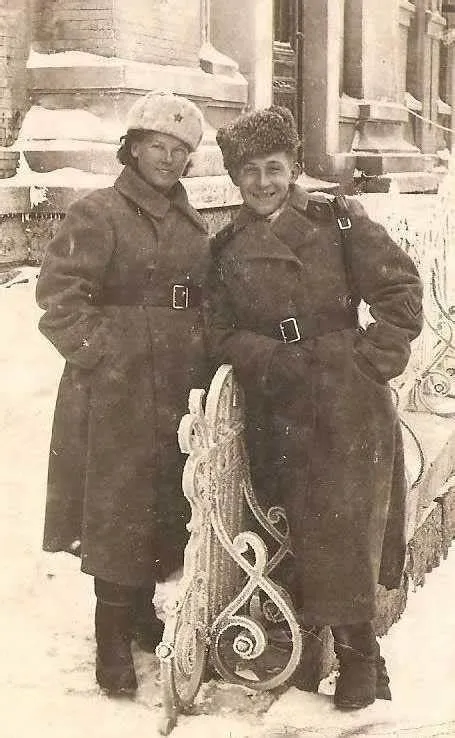
The Ushanka hats arrived just in time for the outbreak of the Great Patriotic War, and Red Army soldiers wore them during the Battle of Moscow, inflicting heavy losses on the German invaders. Throughout the Great Patriotic War, the Soviet Union produced a total of 24.125 million Ushanka hats, of which 18.009 million were supplied to the Red Army troops at the front.