
How to Distinguish Twill Weave and Satin Weave?
Published On: January 17, 2026 By: Cindy
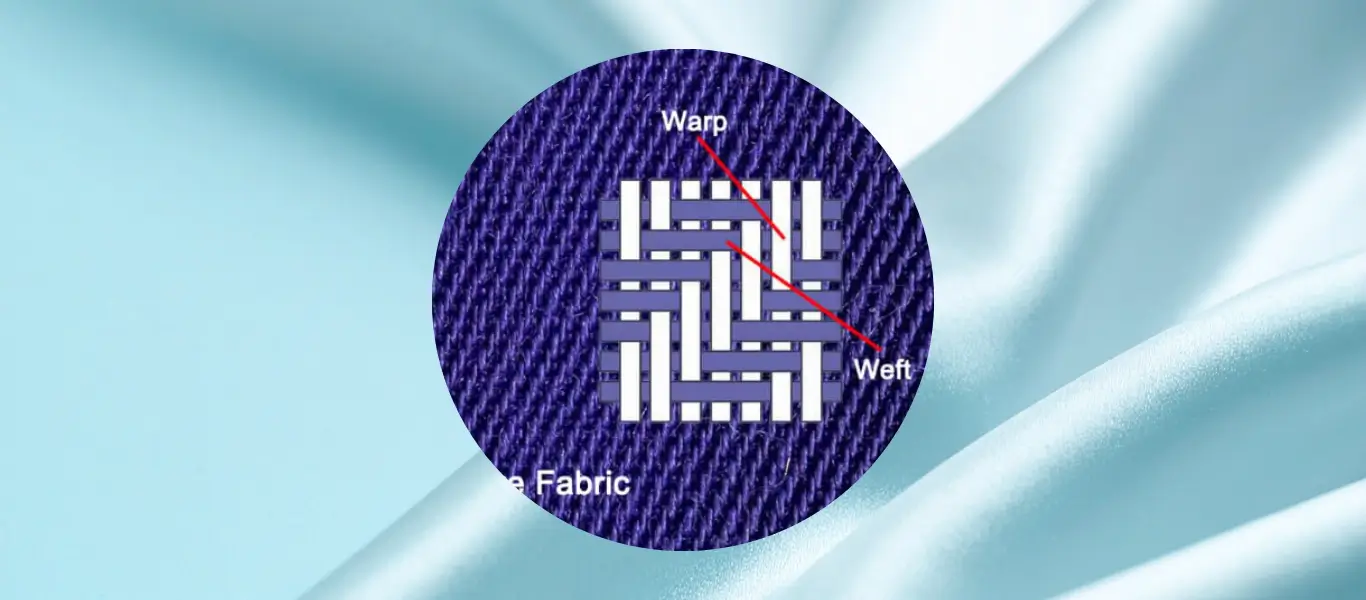
Have you ever been confused about how to choose fabrics when customizing hats or caps? The soul of hats is not only based on their designs, but also on the touch and texture of their fabrics. We, Aung Crown, a professional custom hat manufacturer since 1998, will reveal two classic types of fabrics – durable twill weave and smooth, lustrous satin weave.
Twill Weave
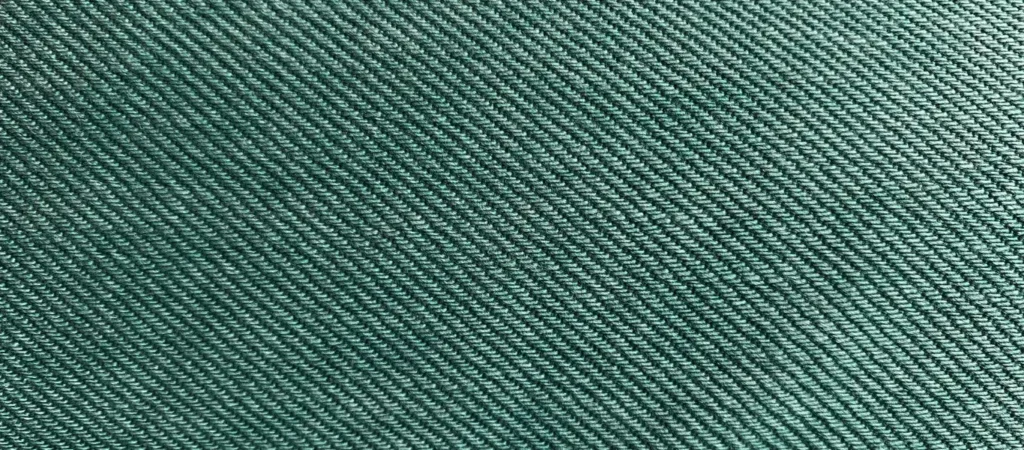
What is twill weave? Twill weave is a practical weave, adopted 2 threads up and 1 thread down or 3 threads up and 1 thread down. The warp yarns and weft yarns are interwoven after at least two yarns; the interwoven yarns are arranged at a 45° angle, and the surface displays a clear, tilted texture, which resembles a denim texture. Such craftsmanship makes this twill weave tight in structure and dense in yarn weave, which combines permeability and durability – super cost-effective and practical.
Satin Weave
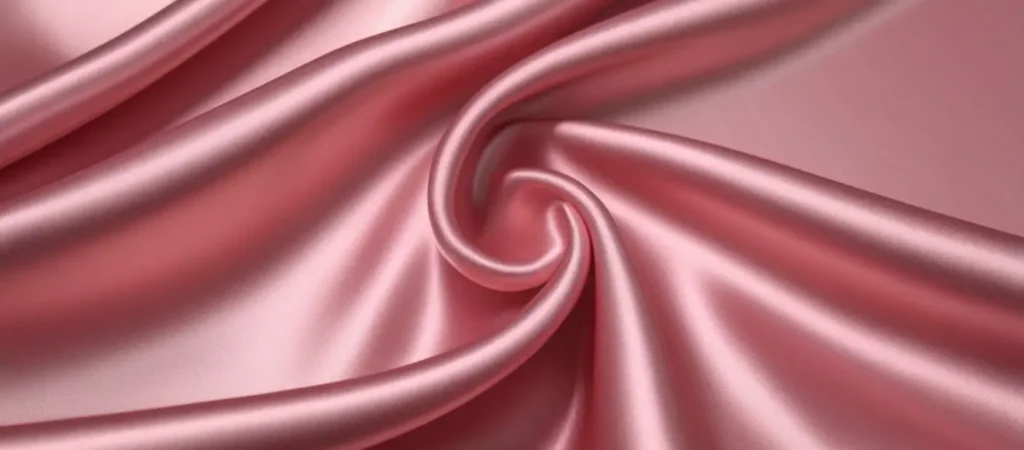
Satin weave is a luxurious weave with less weave and high gloss, also called Gong Satin, with a more complex woven process. The warp yarn and weft yarn are interwoven after at least 3 yarns, and a complete circle needs at least 5 yarns. Because interwoven is rare and the weft yarns are floated over warp yarns, resulting in a smooth and shiny surface, which makes the satin weave have a similar luster to silk. The name of “Gong satin” is derived from ancient times, which was a tribute presented to the royal courts in ancient China.
How to Correctly Distinguish Twill Weave and Satin Weave?
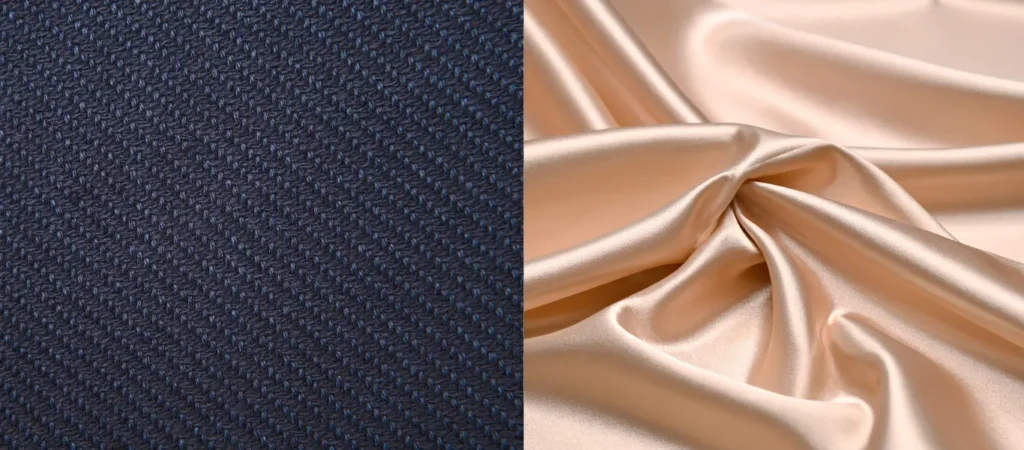
How to tell twill weave and satin weave? Here are the 4 dimensions that can let people quickly and easily distinguish twill weave and satin weave. From texture, touch, luster, and parameters.
1. Texture
The most obvious key point is the diagonal line. This is the most intuitive and distinguished way. Flatten fabrics under natural sunlight to observe cloth textures.
Twill Weave: There are clear twill diagonal lines, presenting at a 45° angle, and the diagonal lines are three-dimensional in sense, and even see v-shaped interwoven.
Satin Weave: The surface of satin weave is very flat, and cannot see any obvious texture, with only dim vertical luster stripes. The whole texture is even and fine without any diagonal lines.
2. Touch
Dense and structured or smooth and soft.
Slightly touch the surface of fabrics to feel the different textures.
Touch for Twill Weave: The touch is thick, dense, and structured. After pressing, the twill weave can fast rebound, with a slightly matte feeling, but not coarse at all
Touch of Satin Weave: With a smooth, fine touch, it’s like wrapped by silk, which is super soft with great draping properties. It’s obvious to feel the great bounce when stretching the fabric without tightness.
3. Luster
To check the fabric under natural sunlight or lamb lights to observe reflection effects.
Twill Weave: The reflection is weak and uneven with dappled lights because diagonal lines can diffuse light and won’t produce a strong sheen.
Satin Weave: The reflection is soft and even, which can present the luster of pearl. Lights reflect uniformly off the smooth surface of the floating line, which makes the satin weave more high-end.
4. Parameters
Fabric density and yarn counts.
Please check the label or hangtag on the fabric to verify the parameters and distinguish between the twill weave and satin weave.
Twill Weave Parameters: The fabric density is typically 133*72 or 128*68, and the yarn count ranges from 30s to 40s. The whole fabric density of twill weave is lower than that of satin weave, and the label or hangtag will be marked as Twill Weave.
Satin Weave Parameters: The fabric density of the satin fabric is higher; the common ranges are 173*142, 133*95, and more. Most yarn counts are over 40s (the yarn count of high-end satin weave can reach 60s). The label on fabric will mark as “Satin Fabric” or “Gong Fabric”, and parts of them will note that 5-harness satin weave or 8-harness satin weave (the bigger the number, the better luster the satin weave).
The Core Comparisons Between Twill Weave and Satin Weave
| Comparison Dimensions | Twill Weave | Satin Weave |
| Weaving Process | 2/1 twill weave, where the warp yarns float over two weft yarns and pass under one, with high interlacing points. | Warp and weft yarns interlace after at least 3 yarns. Low interlacement density producing long warp/weft floats. |
| Surface Luster | Matte, weak and uneven reflection. | Soft and even luster like pearl luster. |
| Touch | Dense, tight, structured, and bouncy touching. | Smooth, fine, great draping, and super soft touching. |
| Durability | Excellent wear resistance, not easy to pill and snag, and wash resistance. | Pretty poor at durability; long weft yarn floats are prone to snag; it needs to be gently washed. |
| Permeability | Pretty and suitable for all seasons. | Middle permeability and next to twill weave. Thus, please note the ventilation when using for summer garments. |
| Price | Great cost-effectiveness and low unit cost. | With complex craftsmanship, high unit cost, and most are used for high-end lines. |
Fabric Diversity
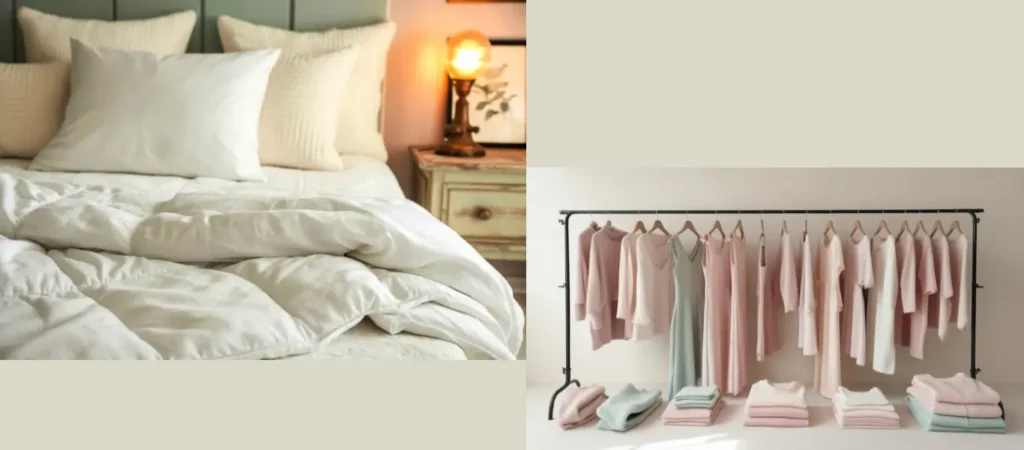
After knowing how to distinguish twill weave and satin weave, it’s more important to choose based on needs. There is not absolutely good or bad between both.
Choosing Twill Weave: Prior to everyday-use items
If people pursue extreme cost-effectiveness and durability, twill weave is the primary choice for the following scenarios.
Everyday 4pcs Bedding Set (particularly for kids’ bedding, and bedding for rental properties): With excellent wash resistance and durability, it’s not easy to deform or pill after washing many times.
Intimate Clothing (T-shirts, underwear, home wear): Great permeable, moisture-wicking, and comfortable to wear without a sticky feeling.
Choosing Satin Weave: Pursuing high-end texture and cozy experience
If you have enough budget and want to improve life quality, satin weave is suitable for the following items.
High-end 4pcs Bedding Set (particularly for people who love sleeping naked): The smooth touch can improve the sleeping experience, and the luster can beautify the atmosphere of the bedroom. Hotels usually use satin weave bedding to improve their hotel levels.
High-end Garments (shirts, dresses, gowns): The strong draping can modify the body curve; the pearl luster is high-fashion, which is suitable for formal occasions and people who pursue sophisticated styling.
Decorative Fabrics (tablecloths and pillow covers): The fine texture can improve the spatial style, which is suitable for decorative styles like luxurious style and French style.
In the End
No matter whether customizing durable, structured baseball caps for your teams or lustrous top hats for celebrations, knowing fabrics is the first step in choosing. Textured twill weave and luxury satin weave have their own unique advantages. Telling us your requirements, we will use our expertise in fabrics to customize a textured, durable hat for you. Choosing us can let each hat tell your brand story and reputation.