
Practical Tips: How To Become An Excellent Fashion Designer?
Published On: December 22, 2025 By: ray herb
It is no easy to become a good fashion designer. It requires not only a certain level of talent, but also an understanding of effective learning methods and the willingness to put in hard work in order to achieve success.

Importance to collect and organize professional materials and various types of information
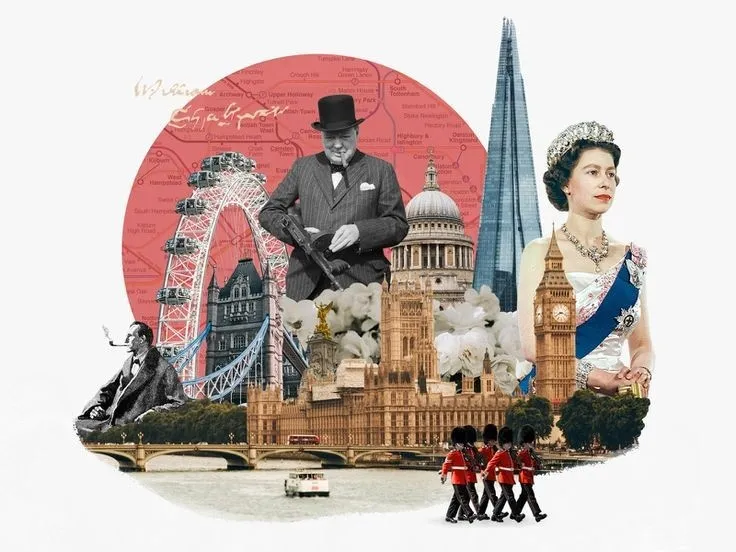
While the design method of recycled clothing is practical, from a higher perspective, it is difficult to escape the influence of others’ ideas and achieve true innovation and transcendence. Therefore, we need to get more information beyond our professional field, such as the achievements of technological development, cultural trends, works of art from various genres, and ideological trends and concepts reflected in literature, philosophy, and music. It will broaden our knowledge, increase our horizons, and allow us to learn from others, gaining more inspiration and generating better ideas.
Learning and improving through imitation
Imitation is an inherent characteristic shared by all higher life forms. An American psychologist once stated that imitation, as one of the patterns of human behavior, is a result of learning. From the perspective of the behavior itself, using imitation in the learning process should be considered a form of plagiarism, the opposite of creation; it doesn’t demonstrate how good one’s skills or abilities are. However, it should be recognized that many successful inventions or creations begin with imitation, and imitation should be seen as a very good learning method.
Continuously improving our aesthetic abilities and establish our own aesthetic values
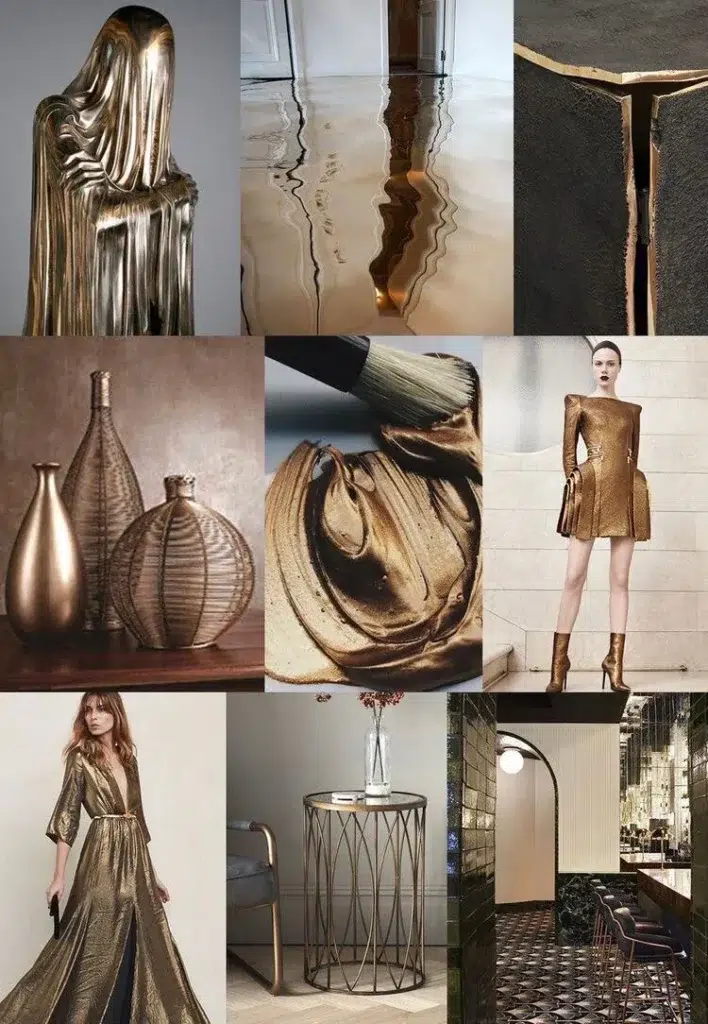
Aesthetic ability, also known as “aesthetic appreciation,” refers to people’s ability to recognize and evaluate beauty, beautiful things, and various aesthetic characteristics. In other words, it encompasses the sensitivity, judgment, imagination, and creativity necessary for people to aesthetically analyze and evaluate various things and phenomena in nature and social life. For designers, cultivating and improving aesthetic ability is crucial. Those with strong aesthetic ability can quickly discover beauty, capture the essential elements hidden deep within aesthetic objects, and elevate their sensory perception to rational understanding. Only in this way can they create and design beauty. Relying solely on momentary inspiration without the cultivation of acquired artistic refinement makes it difficult to develop extraordinary talent and depth.
Making yourself more sensitive as soon as possible
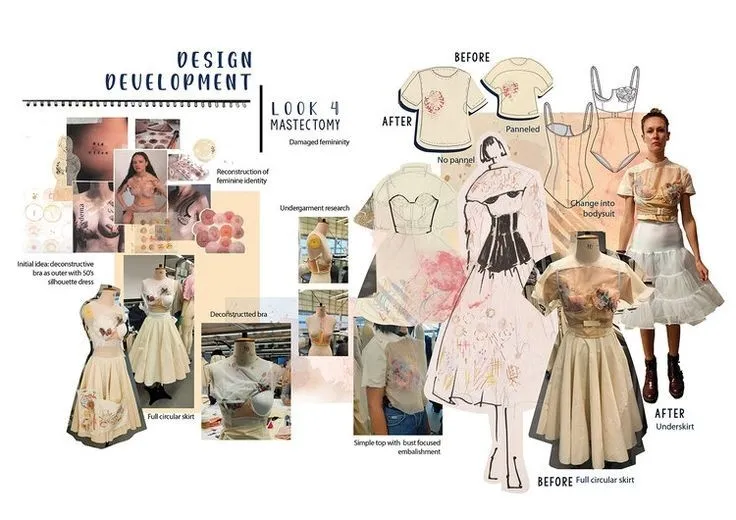
The initial inspiration and clues for design often come from all aspects of life. Some things may seem ordinary or insignificant, but they may contain many brilliant aspects. If designers are oblivious to these and fail to discover their existence, they will not be able to capture and utilize them in time. In that case, many useful design materials will be missed.
Making yourself fashionable as soon as possible
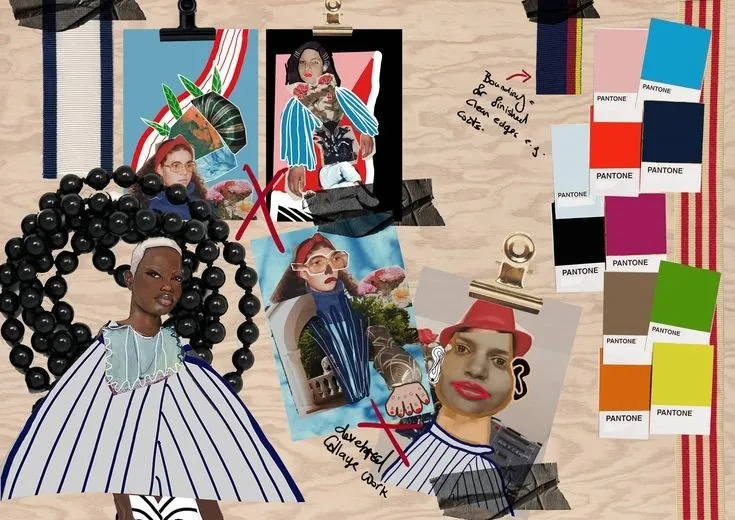
Although fashionable things are not always good or beautiful, designers must have an open mind and not be prejudiced against new ideas and phenomena. They must learn to put themselves in the shoes of others, accept them, and think about them. Only in this way can their designs keep pace with the times and even lead fashion trends.
Actively creating opportunities for yourself to practice
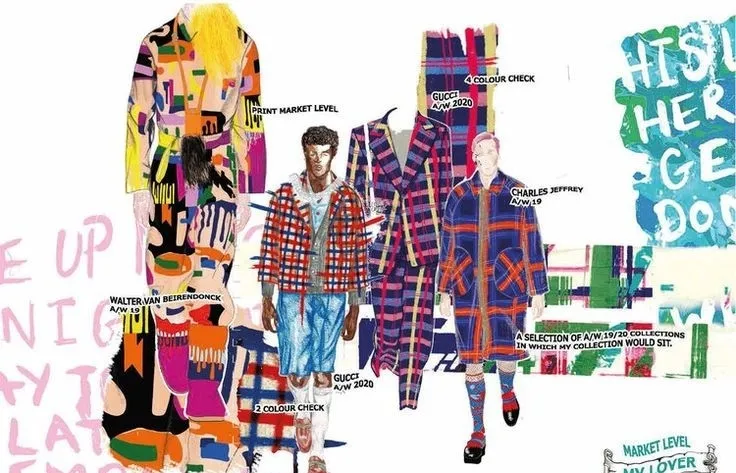
Fashion design is a highly practical discipline. Only through continuous practice can one truly understand clothing, gain more direct experience, and create truly good and useful designs.
Learn to communicate, exchange ideas, and cooperate with others
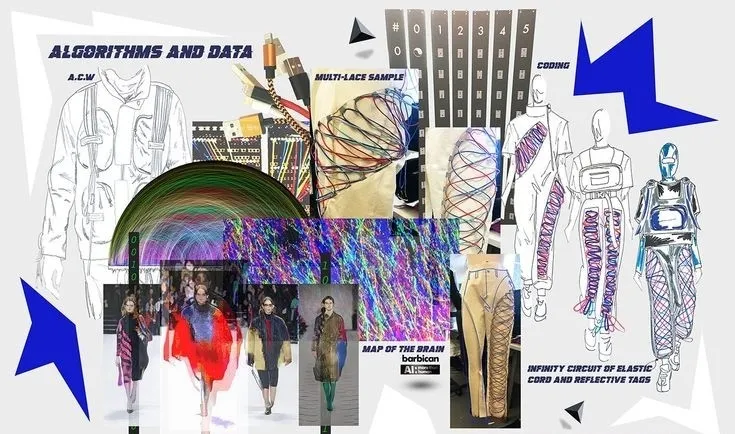
As a designer, it is essential to cultivate a team spirit and learn to communicate, exchange ideas, and collaborate with others. These skills need to be developed and nurtured during one’s studies, and should be made a habit, as this will be highly beneficial for future work.
- Begin by learning to draw the human body to become familiar with it.
- After learning figure drawing, learn basic color relationships.
- Begin learning some basic fashion design knowledge, starting with drawing pattern sketches.
- After the above learning, you have basically mastered the human body, color, and style. Next, we will learn about the effect of clothing on the human body.
- I recommend the two books, “Classic American Fashion Illustration Techniques” (Basic and Advanced Editions). By practicing according to the lessons in the books, I believe that with your own efforts, you will definitely be able to draw fashion illustrations proficiently.
- Learn some pattern-making techniques to ensure you understand the manufacturing process of the garments you design.
How to Become a good fashion designer:
First: They have a high level of expertise in clothing and a keen sense of fashion trends!
Second: It meets market demand and has a high market share!
Third: A good designer can independently complete the entire process from creative design to pattern making and production of the finished garment!
Fourth: Be familiar with fabrics and be able to combine and match them in different ways!
To be a fashion designer, one must first love art and grasp trends, and secondly, possess profound artistic attainments and solid drawing skills. Furthermore, one must have an ideal—to create one’s own unique artistic world, hoping to realize one’s dreams, and daring to be a pioneer in fashion. One must be a fashion explorer and trendsetter, with a deep passion for clothing and a unique appreciation for ordinary fabrics and accessories.
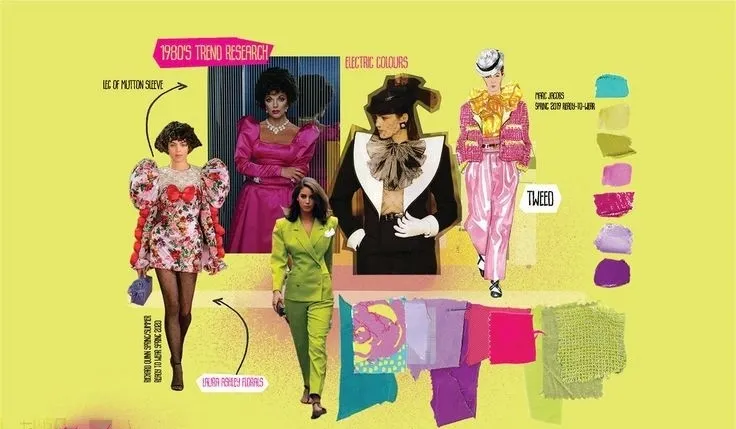
So what skills and knowledge should a fashion designer possess? Some believe fashion design is simple: just flip through magazines, find a collar here, a sleeve there, and piece them together—that’s all. Others think that as long as you can make clothes, you can be a fashion designer. Still others believe that as long as you can draw fashion illustrations, you can be a designer. In reality, the first type of “designer” often creates a hodgepodge of unrelated clothing parts; the second type is often limited by their limited manufacturing skills and unable to adapt to rapidly evolving market demands; the third type can only draw, but because they don’t understand how to actually make the garments, most of their drawings are unrealizable. Clearly, all three viewpoints are somewhat biased.
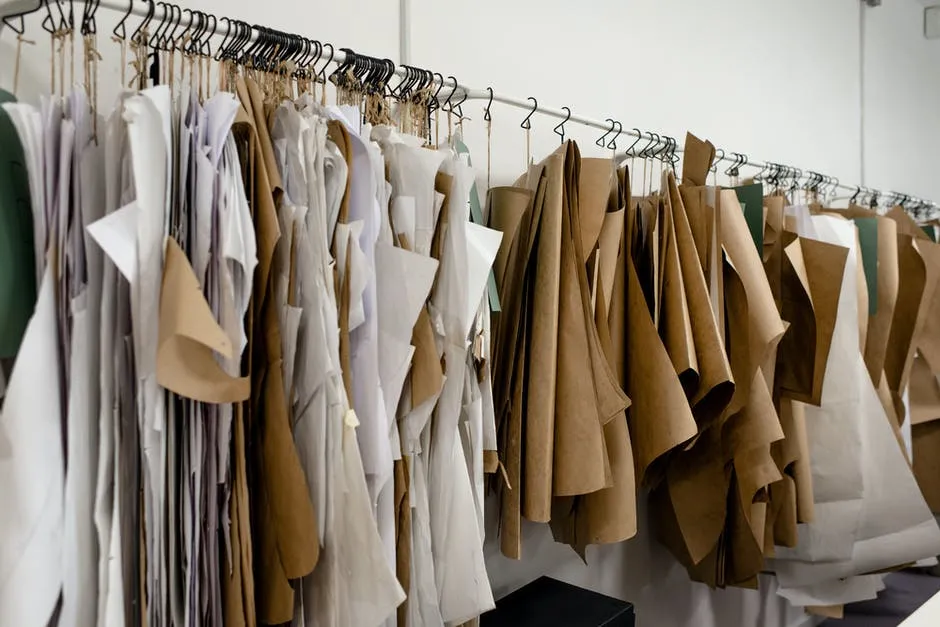
Fashion design requires frequent reference to the successful works of predecessors, drawing inspiration and nourishment from excellent pieces, but this is absolutely not the same as simply piecing together or copying. Cutting and sewing techniques are crucial foundations of fashion design and important means of expressing design intent, but mastering cutting and sewing does not equate to mastering design, just as playing the piano does not equate to composing, or building a wall does not equate to architectural design. Being able to draw fashion illustrations is merely acquiring a tool for expressing design intent. As can be seen from the above fashion design process, drawing design sketches is only the beginning of the design process. Those who do not understand how to realize their design intent and only engage in “theoretical discussions” will not survive in the fierce market competition. In fact, “designers” who can only draw fashion illustrations cannot find work these days.
Practical Tips for Fashion Designers
Many designers often have experienced difficulties adapting to new environments for a few years after graduation, feeling that nothing goes smoothly and believing that their talents are not being utilized.
Many designers, when they first start out, might search everywhere for design guidelines or blindly follow trends and principles, and doing so often avoids mistakes. However, as experience grows, you’ll gradually realize that simply mechanically applying guidelines without incorporating your own thinking will make it difficult to achieve breakthroughs.
In addition, poor design and work habits have consistently hindered my growth and improvement.
I’ve compiled 7 sincere suggestions for designers to help you break through your limitations on your design journey.
I, Emphasize accumulation
Designers, especially fashion designers, are basically involved in everything. As long as it’s related to aesthetics, art, or even life, if we have enough knowledge, we can quickly come up with suitable content when planning a project or designing a theme, rapidly model it in our minds, and then transform and integrate it.
Sometimes, a lack of ideas stems from a lack of knowledge and understanding. When it’s time to work, you find yourself unsure where to begin—”even a skilled cook cannot make a meal without rice.”
At this time, you need to draw inspiration and clues from all aspects and integrate what you hear, see and know without limit .
To be honest, this isn’t something that can be achieved all at once by unleashing elements like lines, colors, fabrics, details, and craftsmanship; it requires a gradual accumulation and a process of gradual development.
If you have accumulated enough knowledge, after expanding to a certain extent, you should start trying to make abstract connections or subtraction. At this point, you will need your underlying design logic and structured thinking.
— How to do it?
- Studying, imitating, and analyzing excellent designs helps designers accumulate design materials and related information;
- Build your own resource library. Whether it’s images, text, or videos, these are the best sources of resources for your own development and ideas.
- After a quarterly or series of development projects are completed, it is necessary to summarize, review, and track sales results to prepare for the next design and lay the groundwork for improving one’s own capabilities.
II, Emphasize communication
Let’s look at a scenario first:
The director gave a sample garment to designer A and said to use it as a reference to create three variations.
Designer A worked overtime to complete the design draft, and handed it to the director for review the next day. The director said that the extended style was not right, and the design draft was sent back to be redone.
Working overtime and putting in so much effort, only to have your manuscript rejected in the end—isn’t that incredibly frustrating and disheartening?
Similarly, communication issues exist between design assistants and designers, and between directors and bosses.
“This is not what I want.”
“I have no requirements, you are free to do as you please.”
“I don’t know what kind I want either? Why don’t you design one first?”
The above dialogue may seem familiar, but such situations indicate a lack of genuine communication.
Don’t believe anyone who says there are no requirements. Once you’ve finished, the requirements will suddenly pile up, and you’ll be asked to make all sorts of changes.
Therefore, communicate more with others before doing anything. If they don’t have any requirements, guide them to express them. Once you find the key requirements, show them a reference picture or something else to confirm whether it matches your understanding.
For example:
The manager said our style should lean towards femininity. Okay, what’s your understanding of femininity? What kind of femininity? I can show you more than five pictures of different styles of femininity. Which one are you referring to?
For example, do you know any brands with a style you like? Or you can search online for styles you like and send them to me. No text, just pictures—pictures that accurately convey your meaning.
Ask as many questions as possible and communicate more. Don’t be afraid of bothering the other person. People who do things well are usually a little annoying.
III, Don’t pay too much attention to details
I acknowledge that details are important. When you have the time and resources to handle these small details, you should do it well.
However, I often see teams or designers who, while ignoring the major issues, obsess over minor details. It’s like the steel bars in the house are crooked, but we’re still thinking about what color to paint the walls.
Therefore, the details themselves are not wrong; the mistake lies in bypassing the overall picture and delving directly into the details.
For example:
When drawing a rendering, you must first determine the proportions, then the dynamics, and finally the structure. Only after these three are done well can you work on the clothing, details, and lines. The key is to compare the relationships between different parts and zoom in to see if the overall design is harmonious.
When drawing a design sketch, you should first determine the outline, then the proportions and divisions, and then the structure. Finally, you should consider the techniques, details, and line work.
First, figure out the overall positioning, style, and target audience of the product before you start designing, finding images, and drawing. Don’t rush to produce images, decorations, or clothes.
When doing design planning, following the logic of volume, plane, line, and point, and proceeding in the order of large circles encompassing smaller circles, will prevent chaos and aimlessness. It will also prevent you from perfecting the details only to find that the entire project needs to be scrapped in the end.
As a fashion designer, it is essential to strike a balance between effectiveness and efficiency.
There’s no need to get bogged down in unnecessary details every time. You should control your own pace. You know how to be meticulous, but you should also know how to be less concerned with trifles and output quickly .
You should also understand that choosing to let go of some flaws that you can temporarily accept, and conserving your energy to solve more urgent problems, will make your work more effective . This will also help you develop your ability to control the design progress.
IV, Pay attention to flexibility
Real-world examples:
Two designers particularly impressed me; one was very experienced, and the other was even more creative. The creative one, in particular, produced things exceptionally quickly.
The experienced person is more rational in design. They will have 7-8 alternatives and consult with other colleagues. Because of their experience, they are often more indecisive and always want to achieve perfection. They will pay great attention to even the smallest problems.
Over time, the experienced designer’s design ideas became increasingly narrow, and he produced less and less. Meanwhile, another designer, due to the gradual accumulation of experience and strong creative thinking, gradually left the “veteran” behind.
It’s not that being rational and cautious is a bad habit, but rather, the key is knowing when to be rational and cautious.
The field of commercial design requires us to be highly inclusive, and we must be good at adjusting our thinking.
If you don’t have any better ideas right now, try putting down your work, taking a break, or doing something else to give your brain a rest.
After all, being a designer isn’t like being a factory worker, where doing more work doesn’t necessarily mean more benefits.
Within the limits of the work progress, you must be able to switch tasks in a timely manner, or simply not work at all, and avoid getting stuck on a single task.
People with a strong sense of purpose know how to organize their work.
V. Don’t blindly follow design rules
The reason for procrastination and stubbornness is actually that we are too focused on whether we conform to the rules.
First and foremost, it’s important to understand that using rules doesn’t mean using them blindly.
I don’t know if it’s because I don’t like to play by the rules, but when someone tells me a rule, I can’t help but question it or try to break it.
Because I’m more used to summarizing rules based on my own practical experience.
Of course, I wasn’t always like this. When I was in college and when I first started working, I would honestly design according to the rules.
For example, I learned many so-called “clothing design principles”:
Principles of Fashion Design
Principle of UnityUnity and harmony share similar meanings. In fashion design, unity is often achieved through the coordination of elements and techniques. In good design, the arrangement of different parts of a garment, as well as the relationship between the parts and the whole—such as materials, colors, and lines—should be consistent. If these elements vary too much, the design will lack coherence. Repetition is the most common way to achieve unity. For example, repeatedly using the same colors or lines can create a distinctive style.
Principle of Emphasis
Emphasis (also known as accent or focal-point design). Although unity is important in design, excessive unity can result in dullness. The most effective approach is to highlight a certain distinctive part to create a visual focus. Emphasis can be achieved through color contrast (such as using red piping on a dark-colored outfit), material contrast (for example, combining rabbit fur with woolen fabric), line arrangement (such as white piping on collars or cuffs), cutting details (like capes or princess-line designs), and the use of accessories (such as silk scarves or metallic-colored necklaces). However, emphasis should be used selectively—too many focal points will weaken the effect. The emphasized area should not be excessive and should be placed on the most aesthetically pleasing part of the body to serve as the visual center.
Principle of Balance
Balance gives clothing a sense of stability and calmness and is a key principle of good design. Balance can be divided into symmetrical balance and asymmetrical balance.
Symmetrical balance uses the human body’s center line as an axis, with the left and right sides being exactly the same. This type of design creates a dignified and formal feeling but may appear somewhat rigid.
Asymmetrical balance focuses on visual balance. Although the left and right sides are different in design, they still feel balanced. This is often achieved through diagonal designs (such as diagonal hems), giving a more lively and gentle impression. In addition, attention should be paid to the balance between the upper and lower parts of the garment, avoiding a top-heavy or bottom-heavy appearance.Principle of Proportion
Proportion refers to the distribution of sizes among different parts of clothing. Proper proportion creates a harmonious visual effect. For example, the relationship between the neckline and collar size, and the aesthetic proportions of garments, should be appropriate. The “golden ratio” is often applied in fashion design. In addition, the proportions of accessories and decorative elements should also be carefully considered.
Principle of Rhythm
Rhythm refers to repeated elements that create a sense of movement and continuity. Examples include rhythmic repetition through color gradients, variations in shape and size, repeated lines, recurring color patterns, and decorative details such as ruffles or pleats. These techniques are commonly used in design to create visual rhythm.
At that time, I didn’t know there were better rules, and I was too young to have experienced problems using those rules.
However, as your experience and knowledge grow, you will realize that some rules are simply helping us to be lazy to some extent.
However, I’m not saying here that there are no good rules and logic in design, or that rules don’t need to be followed at all. I’m just suggesting that you don’t blindly apply rules.
Before using any design rules, you need to consider whether it is reasonable to apply them here.
VI, Do not blindly rely on trends
The biggest drawback of blindly relying on trends is that it leads to design homogenization.
The domestic apparel market, especially the women’s wear market, has long been in a bottleneck period. In recent years, the market environment has been sluggish, and some companies have reduced their investment in apparel development, or even directly pursue fashion trends and abandon independent design.
Given this reality, in order to save costs and achieve performance targets, most designers (including brand designers) choose to cut the designs of best-selling products into different dimensions and then combine them to create new designs.
It’s fair to say that domestic design suffers from severe homogenization. Whether it’s silhouettes or the selection of trendy elements, designs often look completely dissimilar. The truth is, Chinese aesthetic preferences differ significantly from those of Europeans and Americans; excessively emphasizing imitation only results in poor imitation.
As far as I know, many brand companies are already reflecting on this issue.
Because there are different trends every year, you might visit various platforms or markets, or even watch international product launches. But after reviewing all of this, you still might not be able to draw any conclusions. This is because the scope is too broad, and even if you manage to derive the correct conclusion, your analysis will often be inaccurate, leading to wasted effort and minimal results.
From a designer’s perspective, they constantly talk about what’s trending today and what’s trending tomorrow, what’s hot on Instagram today and what blogger is trending tomorrow. But in practice, they often fall short. Either their designs can’t be translated into practical, marketable styles, or the products don’t perform well after entering the market.
So, if we don’t blindly follow the trend, what can we do?
Suggestion:
There’s no need to blindly follow trends. You need to know what to let go of, figure out who you are, and learn to build your own core competitiveness.
As for those popular trends, they certainly have their reasons for existing, or rather, a certain degree of rationality. But what you really need to understand is that your choice isn’t based on following the trend simply because everyone else is using it.
VII, Step out of your comfort zone when necessary
Any job, based on familiarity, can be divided into the “comfort zone,” the “training zone,” and the “challenge zone” (as shown below):
Intuitive Feeling
Deconstruction Analysis
Systematic Application
The “comfort zone” goes without saying. You don’t need to use design logic tools or even think. You just work based on your feelings. Staying in this zone is the most comfortable. However, your work is usually just repeating the same thing over and over again, which does not help your ability growth at all.
For example:
“This style and fabric seem pretty good, and the color looks alright too. Why don’t we give it a try?”
The “training area” will be more challenging, and it can greatly improve your design awareness.
At this point, you need to transform those seemingly large and vague “feelings” into your own quantifiable tools.
For example:
We break it down from five dimensions, each corresponding to the characteristics of the fabric. Then, we break it down further from several aspects such as season and feeling to find the best combination of fabric and style.
If you can navigate the “challenge zone” with ease, then you have fully mastered how to apply the thinking you have learned, truly put structured thinking into practice, and make it a part of your abilities.
For example:
Summarize the ingredient-making mindset, then return to the application level, and put the decomposed mindset into practice in actual work.
Comfort ZoneIntuitive Feeling
Choosing this fabric for this style seems okay,
the color looks alright, maybe just give it a try first?
Match fabrics directly based on feeling.Training ZoneDeconstructive Analysis
Deconstruct from five dimensions,
each dimension corresponding to the characteristics of this fabric.
Then, from several aspects such as season and sensation,
break it down further to derive the combination method of fabricChallenge ZoneSystematic Application
Summarize the thinking behind material selection,
then return to the application level,
and apply the deconstructed thinking to the practical work of combining styles with fabrics.There’s nothing wrong with the concept of a “comfort zone.” The problem lies in staying in our comfort zone for too long.
Working in your comfort zone usually involves repeating the same tasks over and over again, and it doesn’t help you grow your skills at all.
Therefore, we must gradually move from our “comfort zone” into our “training zone”.
Once you’ve mastered the skills in the “training zone,” then head to the completely unfamiliar “challenge zone.”
Designers’ behavior: They know how to work, how to learn, and how to live
The development of professional skills is essentially a process like this.
- Be proactive and fully committed to your work, demonstrate strong interest, and embody a sense of ownership.
- Partner with companies and enterprises, treat them as your clients, let them appreciate your talent, and recommend your concepts to them.
- Possesses dedication and teamwork spirit. Any project is accomplished through the collective efforts of the team, using ordinary methods to achieve the best results in terms of craftsmanship.
- Designers are creators of art and also professionals in the fashion industry. They see themselves as superior to others and to the company, therefore fulfilling their responsibilities to their careers and their work. They possess a fervent pursuit of their profession and a spirit of innovation and exploration. Although the work is demanding, they find joy even in hardship and experience immense happiness.
- Possesses a strong sense of design quality and high work efficiency, characterized by “fast, efficient, diligent, economical, and aesthetically pleasing” work.
- Always operate the market from the investor’s perspective. Success is the only option; failure is not an option. Provide companies with at least a sense of security and reduce the number of risks.
- Know how to market yourself; be a good salesperson. Have a plan and market data to support your designs. Be articulate and communicate your ideas frequently.
- Possesses accurate comprehension, comprehensive planning, and full demonstration abilities.
- Understand the apparel market and brand operations, and appreciate the brand’s strengths. Learn from customers, as they represent a certain consumer group; trust their intuition, and based on their opinions, make accurate analyses, summaries, and judgments.
- Must have market understanding, observation, analysis, leadership, and development capabilities (knowing how to identify trending products, which sell well, and which have potential for further development), immerse oneself in the market, avoid making decisions behind closed doors, reaping the benefits without effort, and refrain from unrealistic fantasies. Must possess the ability to work independently.
(Planned → Strict control → Decentralization of work → Target achievement → Overall inventory management)
- Learn to create storyboards (sfory bodies): for internal team communication within the design department, for marketing collaboration, for designer series (personal branding), and for brand series (market branding).
- The design scheme is short-term, high-frequency, and highly profitable, combining art and practicality (i.e., combining academic and market approaches).
- Master the six basic conditions of clothing design: Who wears it? When wears it? Where wears it? What wears it? Why wear it? How wears it?
- Work hard, play hard, and enjoy learning and life to the fullest. Avant-garde, passionate, confident, optimistic, and youthful—in short, excellent character is the primary requirement for a qualified fashion designer.
Final Thought
As a fashion designer, besides the knowledge and skills mentioned above, there is another crucial factor: the designer’s character. Simply put, “To be a great teacher, first be a good person.” More elegantly, it should be “possessing both virtue and talent.” Here, “lacking moral character, being dishonest, selfish, preoccupied with personal gains and losses, and lacking any spirit of dedication” means that it will be difficult to work diligently, consider others, and cooperate effectively. Modern enterprises are organized like militarized, collaborative groups; no single individual can perform all the tasks of every department and job. Therefore, designers must understand their place and avoid being arrogant, domineering, or condescending.
The ability to cooperate with others, especially those more capable than oneself, is often a key factor in a designer’s success. The key to success lies in the ability to effectively manage interpersonal relationships. As the saying goes, “A hero needs three helpers,” and the allure of style attracts a large group of willing and dedicated individuals. Currently, political stability, economic prosperity, and the development of the garment industry provide our designers with a favorable environment and historical opportunity to showcase their talents. However, success, to a certain extent, hinges on mastering the “human element.” In modern terms, “human element” means being able to handle interpersonal relationships well at work, cooperating effectively, acknowledging others’ strengths, being tolerant, and knowing how to utilize talent.
Furthermore, when competing with peers in the market, one must be upright and honest, and never try to elevate oneself by undermining others. The outdated customs of the old agrarian economy, such as “scholars clash” and “competitors are enemies,” are not what our era needs.