The Origin of Hoodies
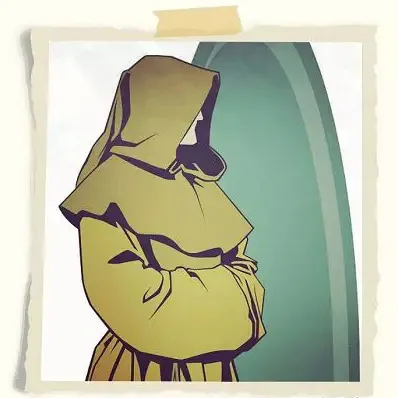
The hoodie originated in medieval Europe as a long robe worn by monks.
1902 – Crew neck sweatshirt
Back in 1902, a company named Russell Athletic began producing crewneck sweatshirts, although at that time they had been in particular designed for women and children.
The company owner’s son,Bennie Russell, happened to be a member of a college soccer team. At that time, sportswear was mostly wool sweaters, which were very uncomfortable to wear during medium- to high-intensity exercise. So, Bennie used his father’s factory to modify the crewneck sweatshirt, creating another type of training uniform for his football team.
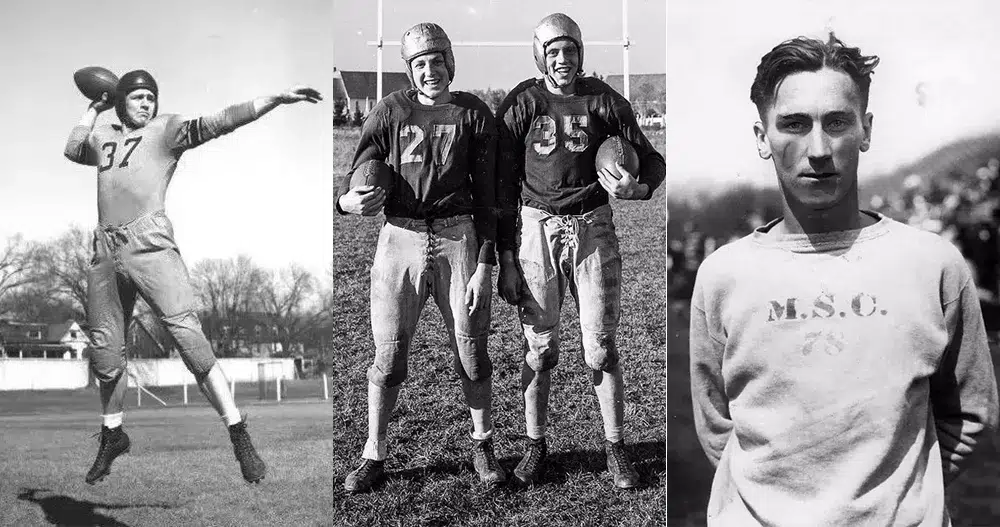
In 1922, Russell Athletic began producing crew neck sweatshirts for athletes. Because these training clothes were both comfortable and easy to put on and take off, crew neck sweatshirts gradually gained acceptance in the sports world.
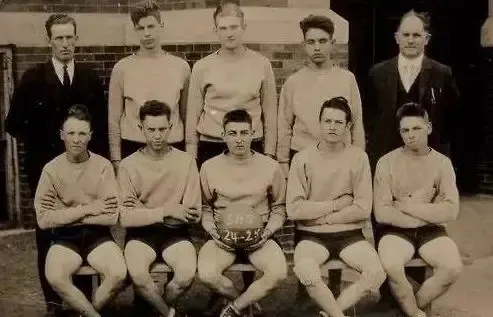
By the 1960s, the design of this crewneck sweatshirt had become more casual and appealing to the general public.
1930s – Hooded Sweatshirt
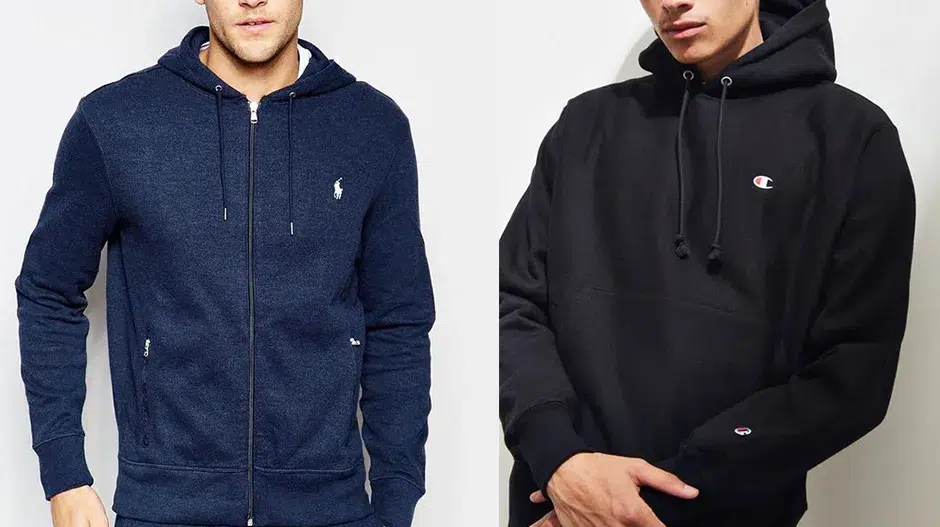
The English word “hoodie” comes from the word “hod,” which means mortar bucket. This suggests that hoodies were originally invented for manual laborers. The American sportswear company Champion was the first to produce hoodies in the modern sense, initially as a welfare benefit for workers.
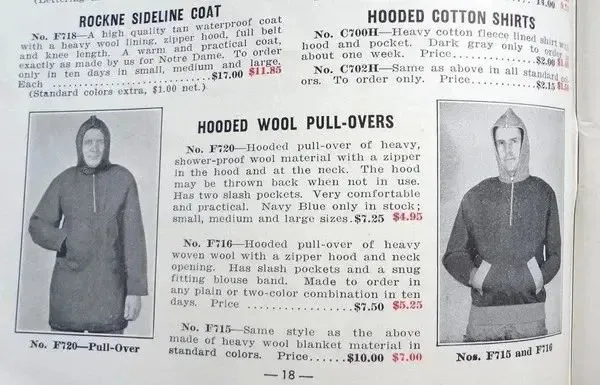
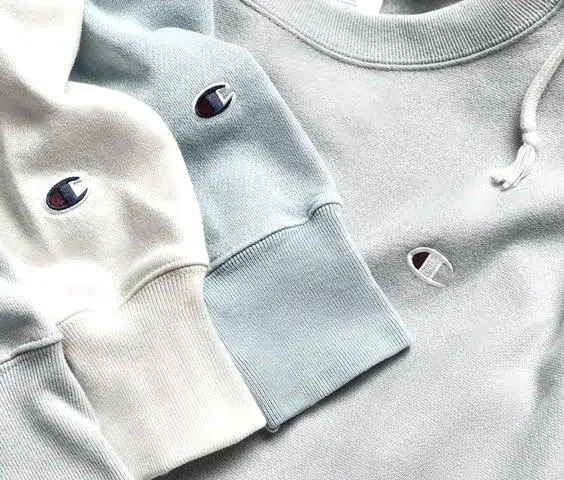
The hooded design, both warm and comfortable, made it popular not only with ice storage workers and construction workers who frequently worked in cold environments, but also as part of athletes’ uniforms. Later, Champion invented Reverse Weave technology to overcome the shrinkage problem. This durable and functional sweatshirt rightfully became a staple in everyday clothing.
1960s – Mainstream Culture
The widespread acceptance of hoodies as “proper clothing” originated from movies and has begun to become part of mainstream culture.
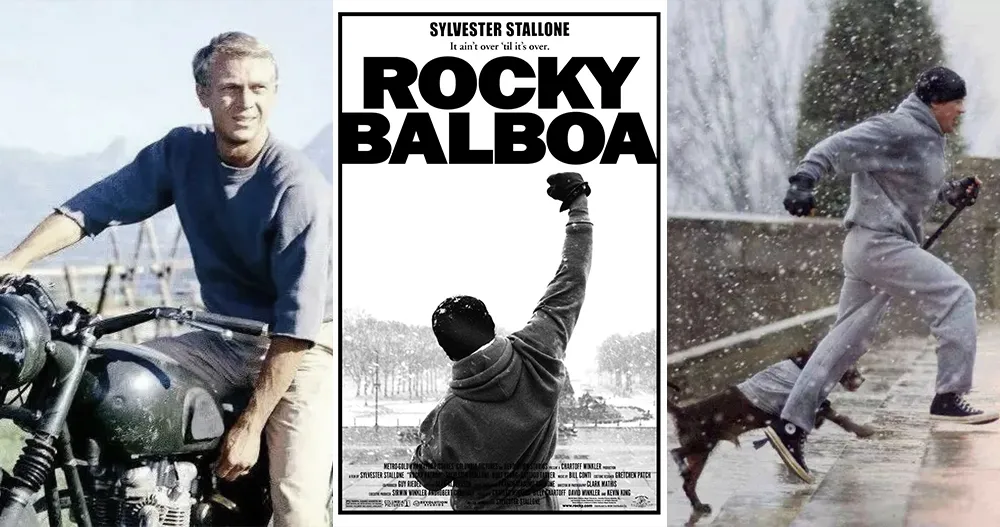
In 1976, tough-guy actor Sylvester Stallone starred in “Rocky” wearing a hoodie, and the hoodie became a symbol of a generation.
1970s – Street Culture
Hip-hop culture emerged in the Bronx, New York, blending rap, graffiti, and street dance. Loose-fitting clothes (free and easy), hoodies that could cover the face (avoiding police trouble), and front pockets that could hold hands (unconventional), combined with durability and affordability, made hoodies a haven for “street culture” and a popular cultural phenomenon.

In the mid- 1970s, skateboarding emerged on the streets of California. Like hip -hop, it was a subculture not accepted by mainstream culture at the time, labeled as frivolous, immature, and wild. During the heatwave of 1976, the California government issued a regulation prohibiting private swimming pools from holding water to ensure water supply. Skateboarding enthusiasts would sneak into other people’s dried-up private pools to skateboard. They had to avoid being discovered by the homeowners and evade police, so hoodies became their “disguise.”

1980s – Fashion Inspiration
Designers and high-fashion brands gradually incorporated hoodie elements into their designs. Ralph Lauren and Tommy Hilfiger launched hoodies one after another, and from then on, hoodies gained widespread attention in the fashion world.

VOGUE was founded in 1892 and is considered a fashion bible worldwide. It has been published and distributed in 26 countries and regions around the world.
Modern hoodies
Today, hoodies offer a fun alternative – different prints allow you to express your unique personality.
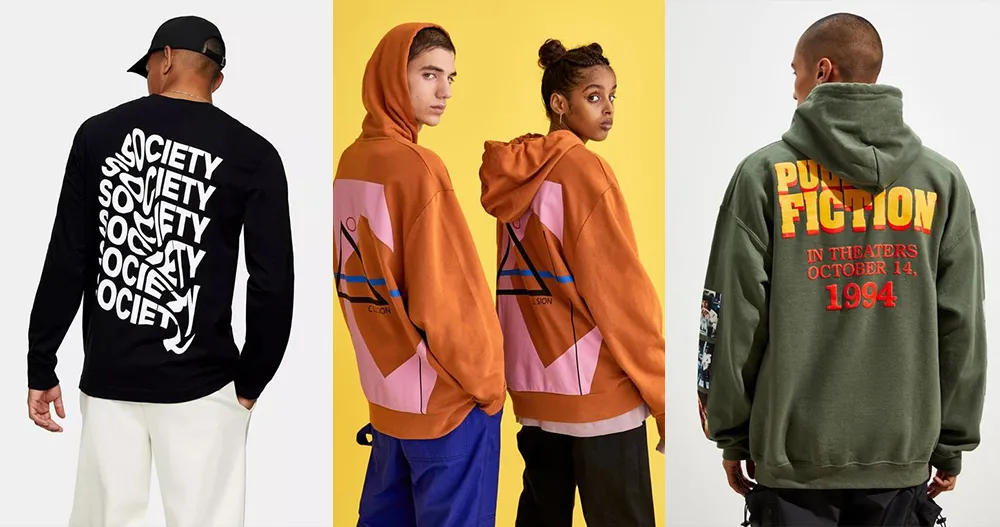
The versatility of hoodies: suitable for office commuting, outdoor travel, sports training, Korean-style school uniforms, dating outfits, home wear , minimalist unisex styles, street hip-hop, etc.
Modern hoodies have become closely intertwined with fashion. Every year, new styles and designs are released and embraced by the public. Everyone has their own reasons and meanings behind choosing a hoodie.
You say it is your armor — it frees you from constraints and gives you a greater sense of freedom.

I have over 25 years of experience in hat and apparel manufacturing. With a steady and detail-oriented approach, I oversee factory production and team operations, ensuring reliable quality and on-time delivery for customers worldwide