Introduction
After working in hat manufacturing for over 25 years, I’ve noticed something interesting:
the difference between e-commerce styles and retail store styles is bigger than most people think.
It’s not about which one is better — it’s about serving different goals.
1.What You See: “Photogenic” vs “Premium in Hand”
E-commerce clients often say:
“I want it to make the face look smaller and photograph well.”
So we adjust things like:
- The brim is about 1 cm wider (makes the face look smaller on camera)
- Colors are more high-saturation (so they don’t look dull in photos)
- Embroidery uses shiny threads (reflects light and stands out on product pages)
→ but the stitch density doesn’t need to be very high
Retail store clients care more about how it feels in hand:
- Fabric is 0.2 mm thicker (feels more solid and premium)
- Subtle textures are made with jacquard weaving (you notice the quality up close)
- Even the buckle is matte metal (no fingerprints, looks more high-end when trying on)
2. What You Don’t See: Short-Term vs Long-Term Durability
E-commerce clients usually ask:
“Can it hold shape for 3 months?”
Typical choices:
- Single-layer stiff paper in the brim
- Standard cotton sweatband
- Sometimes even: “A few loose threads are fine, customers won’t notice”
Retail clients think differently:
“Will it still look good after a year?”
So we use:
- 3-layer composite brim core (resistant to bending)
- Sweatbands with anti-sweat coating
- UV-resistant threads (so they don’t become brittle under sunlight)
Once, an e-commerce client complained our hats were “too well made”:
“The brim is too stiff — customers say it’s hard to fold and store.”
That’s when it clicked:
E-commerce cares about easy returns and convenience
Retail cares about reducing complaints and long-term satisfaction
3. Packaging Strategy: Shipping Protection vs In-Store Presentation
E-commerce packaging is built for survival:
- Individual OPP bags + air column protection (to handle rough shipping)
- Easy-tear openings (better unboxing experience)
- Minimal hangtags (less “annoyance” for customers)
Retail packaging is built for display:
- Cotton dust bags + gold-stamped tags (looks premium on the counter)
- Detailed tags (fabric, care instructions, etc.)
- Sometimes even hooks for hanging, so the hat keeps its shape on display
4.Sizing Strategy: Mass Fit vs Precision Fit
Sizing is another major difference that impacts returns and customer satisfaction.
- E-commerce hats: One-size-fits-most
- Standard size: 56–58 cm (fits ~80% of customers)
- Extended adjustable straps
Avoids niche sizing to reduce return rates
Strategy: Maximize compatibility, minimize returns
Retail store hats: Segmented sizing
- Multiple sizes (e.g., 54–56 cm, 58–60 cm)
- Fit variations based on head shape or style
- Assisted selling by staff for better fit recommendations
Strategy: Better fit = higher customer satisfaction
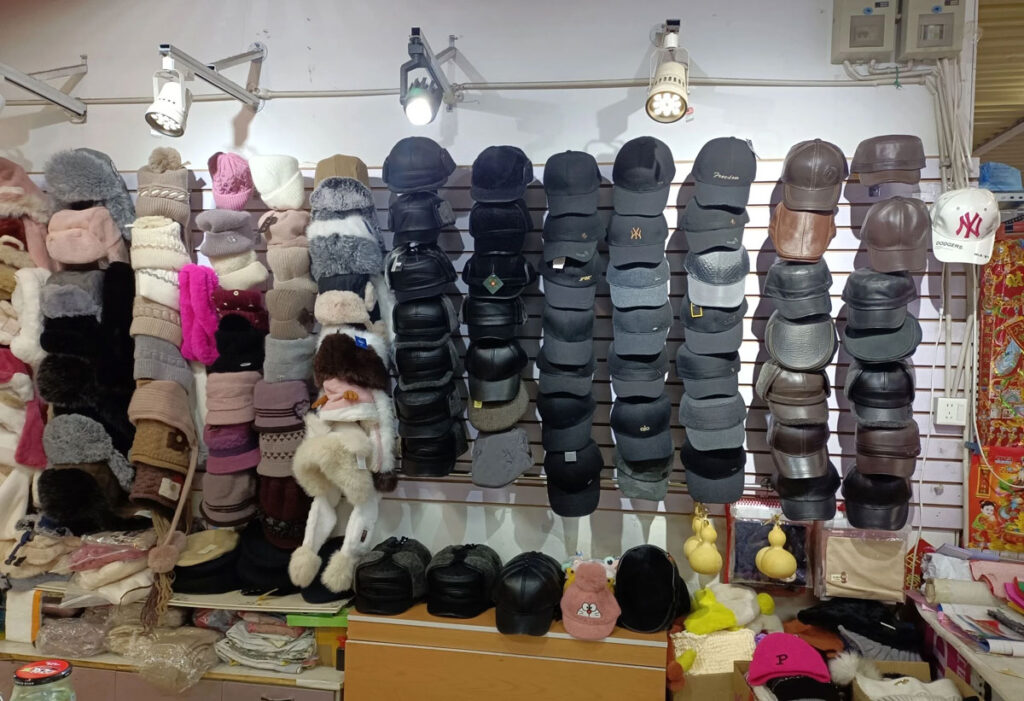
E-commerce vs Retail Hats: Which Is Better?
The truth is — neither is “better.”
They are simply designed for different business models.
- E-commerce hats prioritize conversion rate and scalability
- Retail store hats prioritize customer experience and brand trust
As one experienced craftsman in our factory puts it:
“For e-commerce, you design hats that make people click ‘Buy Now.’
For retail, you design hats people want to wear out and show off.”
Final Thoughts for Buyers and Brands
If you’re planning to launch a hat brand or source custom caps, understanding this difference is critical:
- Selling online? Focus on visual impact and cost control
- Selling in stores? Invest in materials, durability, and presentation
Choosing the wrong strategy can lead to:
- High return rates (for e-commerce)
- Poor in-store conversion (for retail)

I have over 25 years of experience in hat and apparel manufacturing. With a steady and detail-oriented approach, I oversee factory production and team operations, ensuring reliable quality and on-time delivery for customers worldwide