When sourcing products, many buyers ask me the same question:
“We make clothes for just over $3 including materials and labor. Why do hats cost $5–$9?”
I didn’t argue back.
But this is actually a question many customers have.
At first glance, it seems logical – hats are smaller, so they should be cheaper.
But in reality, hats and garments follow completely different production logics.
In this article, I’ll break it down into 5 key reasons from a manufacturer’s perspective.
1. Hats Are Structural Products, Not Just Fabric Products
Garments are mainly based on:
- Fabric
- Cutting
- Sewing
But hats are three-dimensional structural products.
Each hat must balance:
- Head fit (shape consistency)
- Brim curve (visual style)
- Front panel stiffness (structure & branding)
- Internal construction (comfort)
This makes hat production closer to product engineering than simple sewing.
2. Hat Production Requires Extremely High Precision
While garments allow some tolerance, hats do not.
Even small mistakes are highly visible:
- Embroidery shifted by 1 mm → product rejected
- Uneven stitching on brim → obvious defect
- Soft front panel → looks low-end immediately
Hats are “detail-amplifying” products.
This leads to:
- Higher rejection rates
- Stricter quality control
- Increased production cost
3. Hats Rely Heavily on Components and Craftsmanship
A single hat may include:
- Multiple fabric panels
- Interlining (soft or hard)
- Sweatband (cotton or performance)
- Closure (plastic, metal, or custom)
- Logo applications (embroidery, printing, woven labels)
Even though each material is small,
the variety and coordination complexity is high.
Compared to garments, hats require:
- More component sourcing
- More process coordination
- More detailed quality inspection
4. Specialized Equipment and Skilled Labor
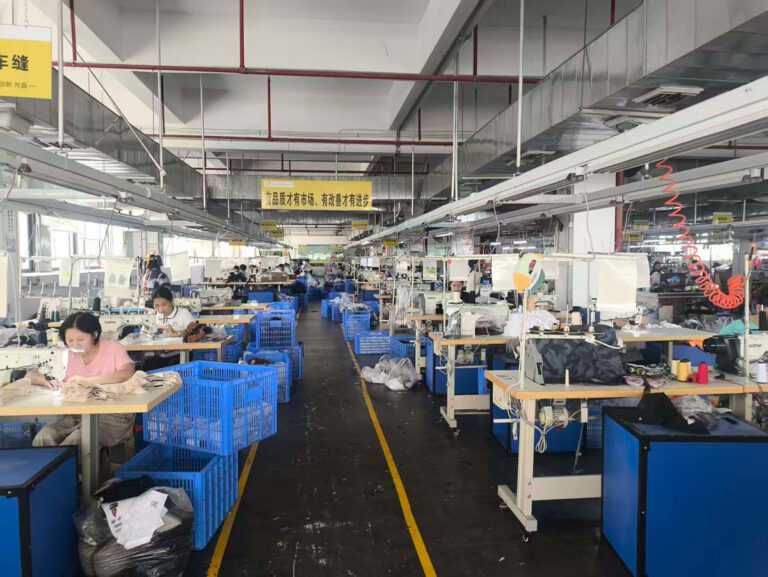
Hat manufacturing is not standard apparel production.
It requires:
- Brim shaping machines
- Heat pressing equipment
- Specialized stitching techniques
And more importantly:
Experienced workers
- Longer training cycles
- Skill directly impacts final quality
This is why the same hat design can vary significantly in price between factories.
5. Smaller Order Quantities Increase Unit Cost
Garment orders are often:
1,000 – 10,000+ pieces
Hat orders, especially for:
- Brand testing
- E-commerce sellers
- Custom promotional products
Are usually:
50 – 300 pieces
This creates cost challenges:
- Development cost per unit increases
- Material waste per unit increases
- Communication and sampling cost increases
Our Conclusion: It’s Not More Expensive — It’s a Different Cost Structure
The key difference:
Clothing = Fabric-driven, mass production
Hats = Structure-driven, detail-focused, semi-custom production
Final Insight for Buyers
If your goal is just:
A basic, low-cost hat
Then yes, very cheap options exist.
But if you need:
- Consistent fit
- Premium appearance
- Reliable repeat production
Then pricing reflects quality control, structure, and manufacturing expertise — not just materials.
Work With a Reliable Manufacturer
A good factory doesn’t just produce hats or clothes.
It helps you balance:
- Cost
- Quality
- Lead time
So you can achieve:
- Better margins
- Stable inventory
- Long-term brand growth
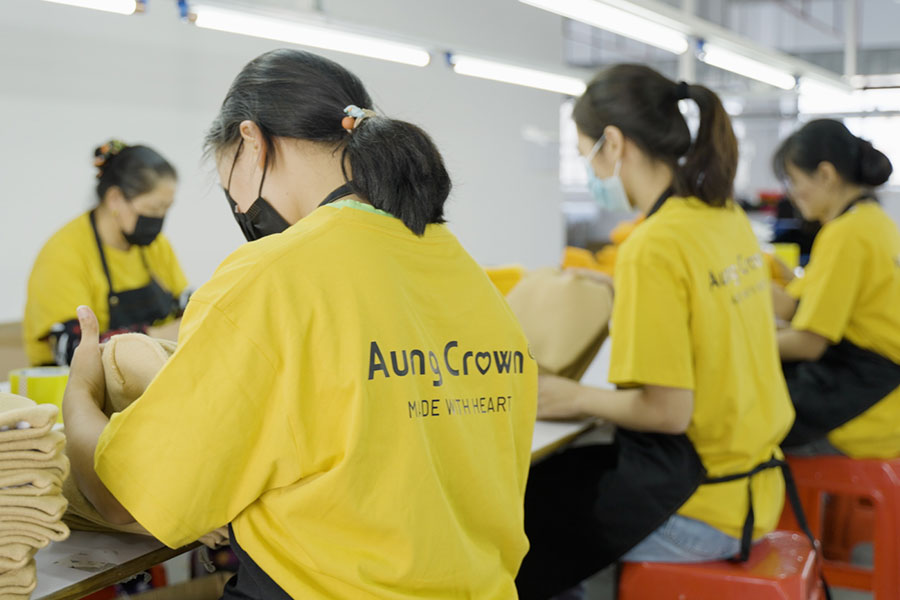
If you need custom hats or clothing, Aung Crown may be your go-to partner. As an established clothing manufacturer, we operate three factories – a hat factory, clothing factory and knitted hat factory – for your inspection purposes. Please visit one or all three if desired!

I have over 25 years of experience in hat and apparel manufacturing. With a steady and detail-oriented approach, I oversee factory production and team operations, ensuring reliable quality and on-time delivery for customers worldwide