
Bucket Hats, Boonie Hats, and Giggle Hats: The Fun Evolution of the Bucket Hat
Published On: January 6, 2026 By: kailyn
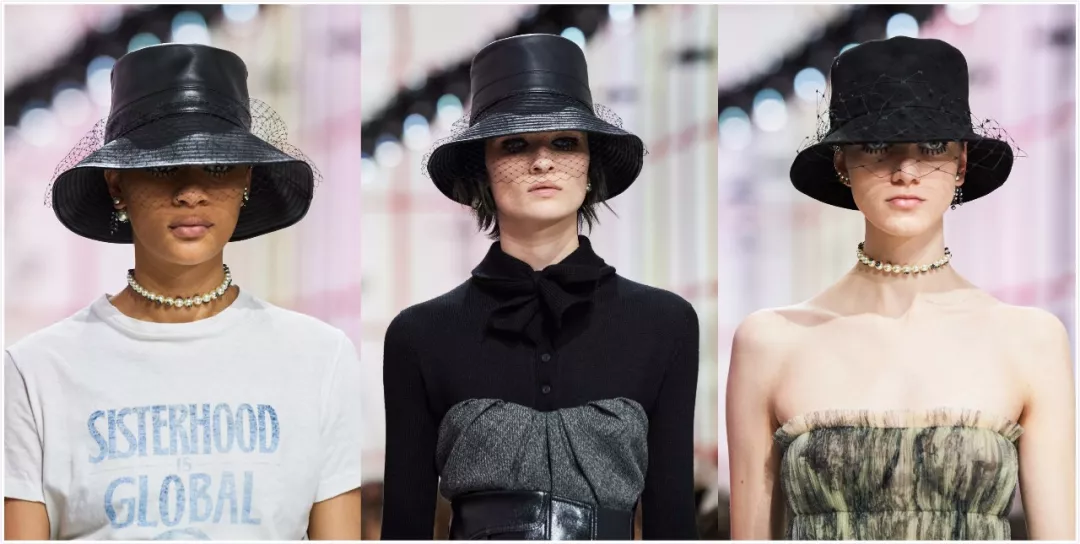
The Origin of the Bucket Hat
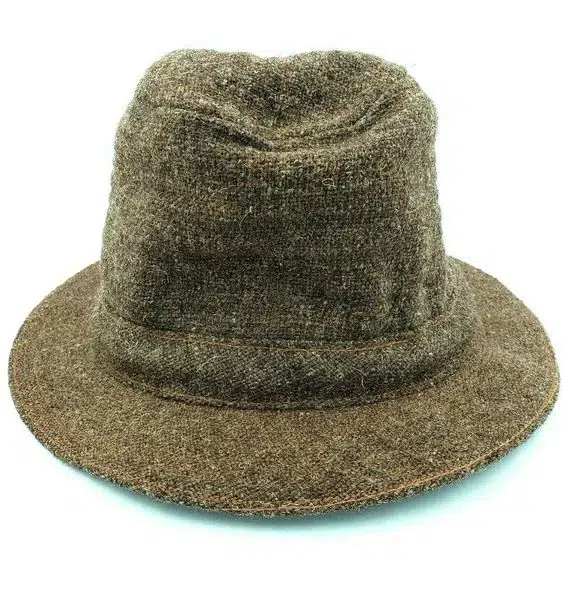
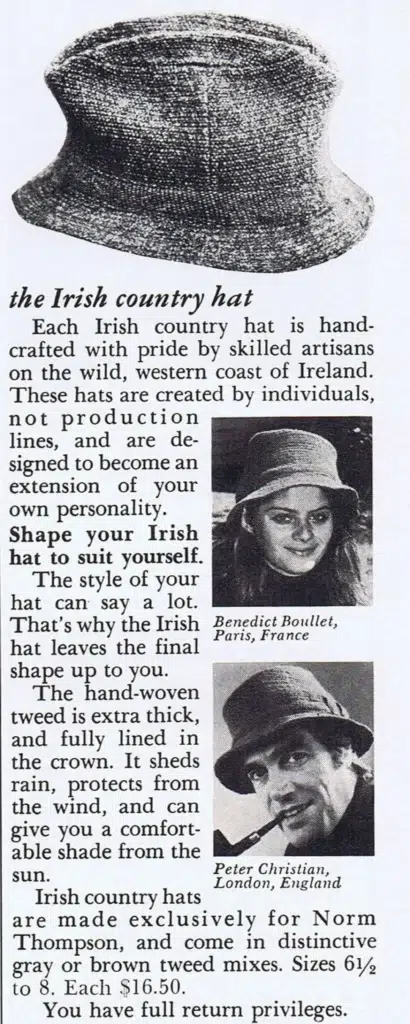
The bucket hat originated in early 20th-century Ireland. Traditionally worn by fishermen and farmers, it was also called the Irish country hat. Originally made of wool felt or tweed, the unwashed wool’s lanolin provided natural waterproofing and sun protection. Later, durable cotton fabrics such as denim or canvas were also used. Typically, metal eyelets were placed on the sides or top for ventilation in hot weather.
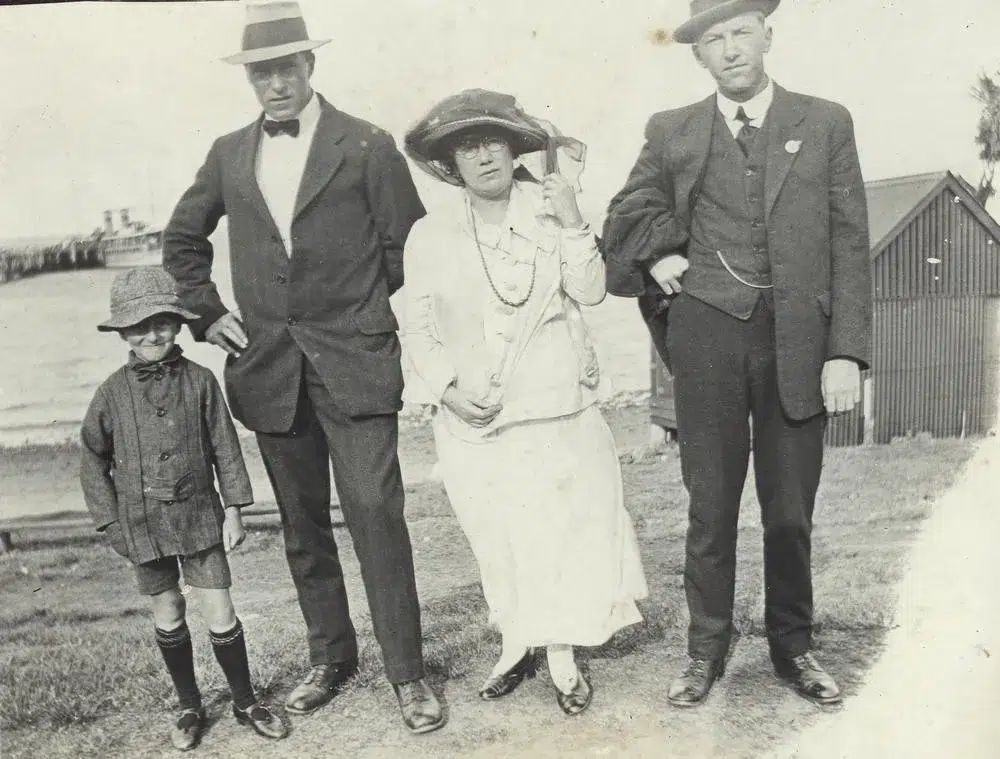
Subsequently, it was quickly adopted by the British upper class, primarily for outdoor walks, fishing, and other rural activities. Therefore, it is also known as the “walking Irish cap.” Besides its simple function of providing sun and rain protection, the fisherman’s hat is also very convenient to carry; it can be folded and placed in a coat pocket. If the hat loses its shape, it can be easily and quickly reshaped using the steam from a kettle.
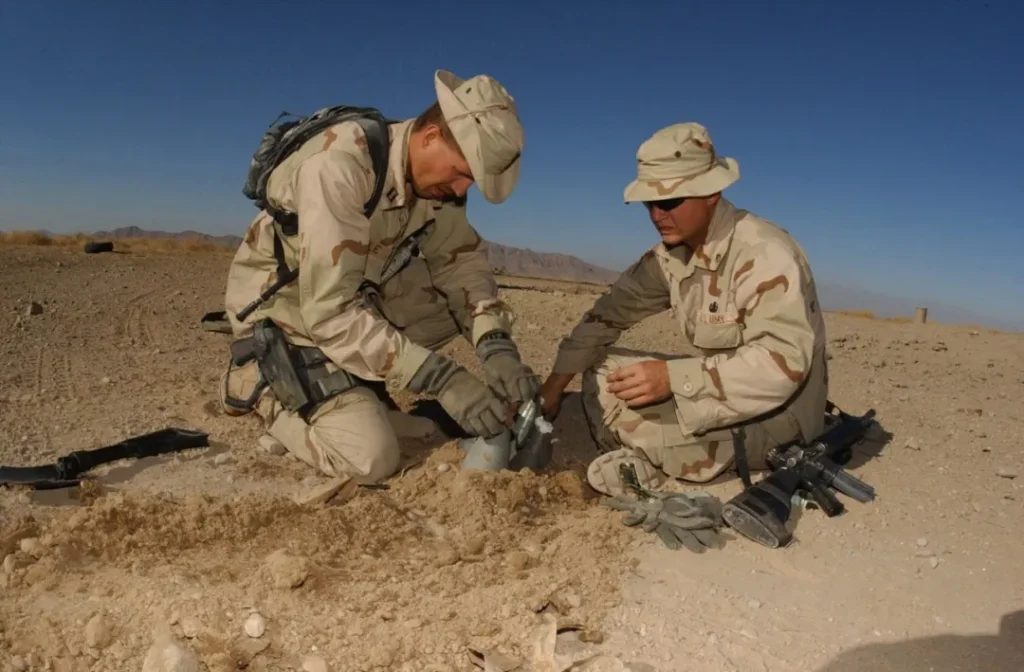
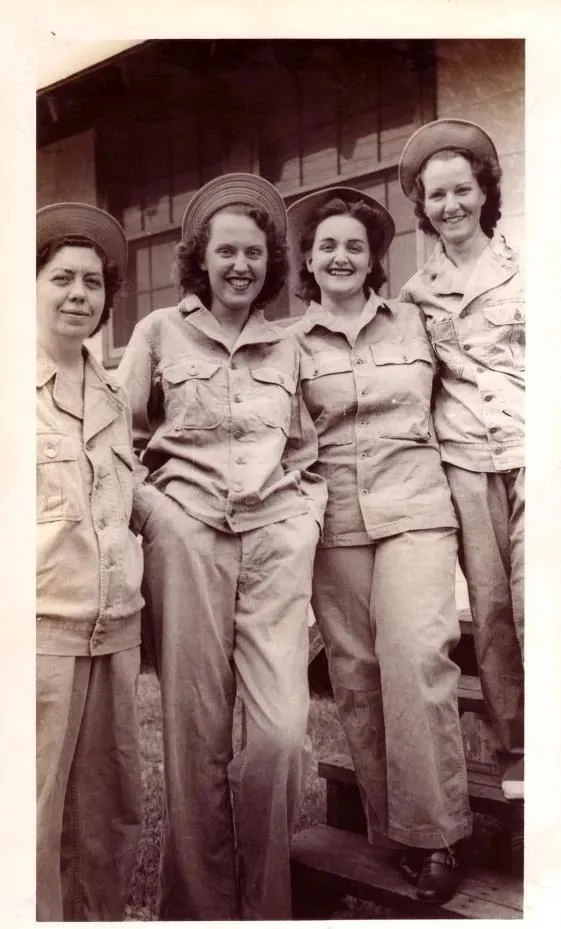
This convenient and practical hat quickly gained international recognition and began to be widely adopted during World War II. It’s worth mentioning the US Army’s Bonnie hat and Australia’s Giggle hat, both wide-brimmed hats commonly used by the military in hot tropical climates. They not only protected soldiers’ heads and prevented sunburn, but also prevented discomfort or glare caused by heat when aiming at firearms. In the 1930s and 40s, the US Navy issued a Daisy Mae, a wide-brimmed hat similar to the bucket hat, made of denim and navy twill, primarily to enhance functionality during the monsoon season.
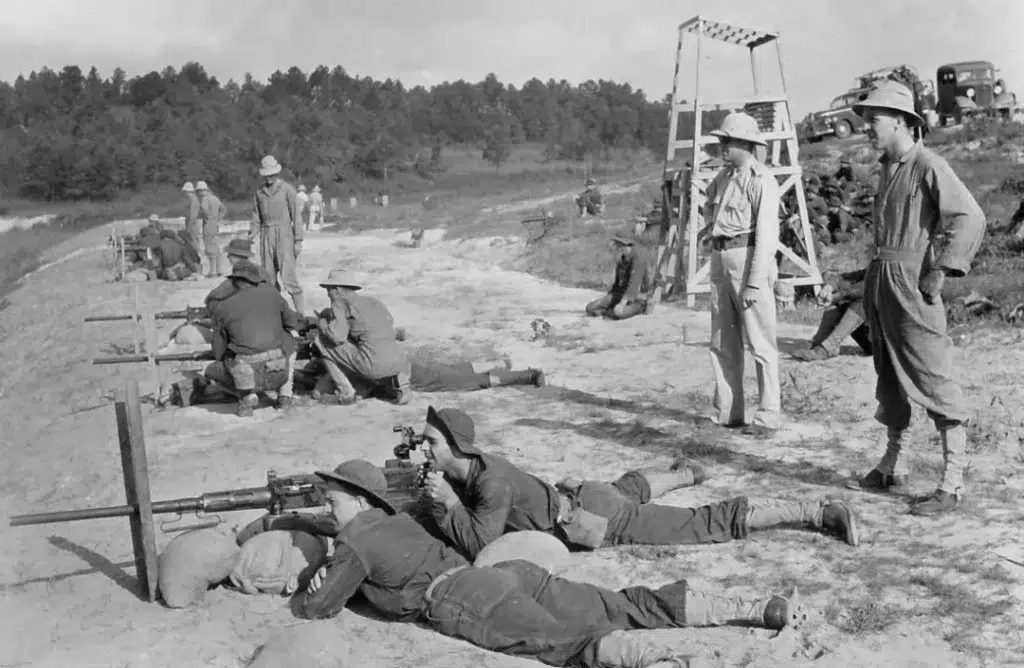
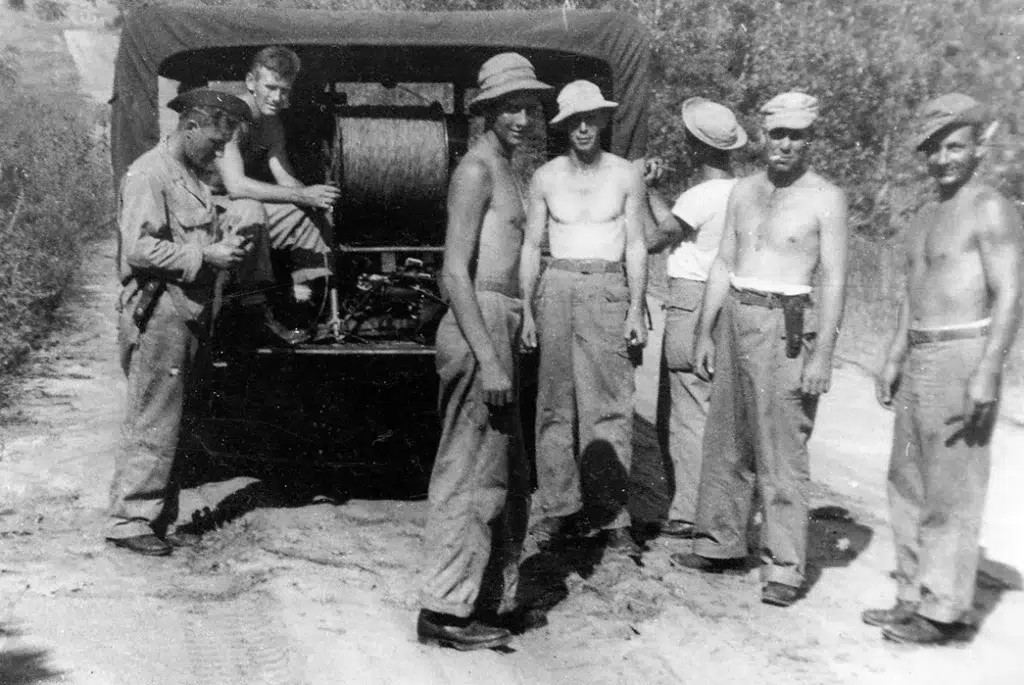
The Bonnie hat
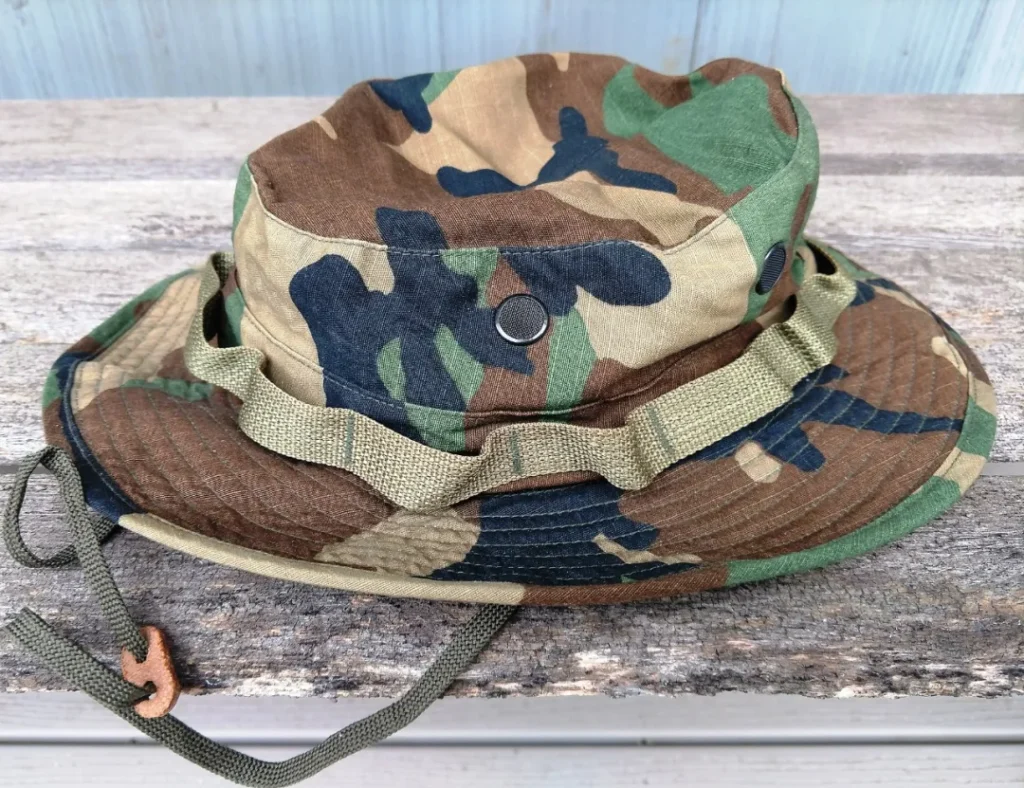
Later, the bucket hat underwent some minor modifications and was adopted by the US military. The US military’s Bonnie hat was inspired by the green striped Johnny Jeep hat on the cover of LIFE magazine in 1942. While based on the bucket hat style, it had a stiffer, wider brim. A “branching loop” of fabric, also known as a “leaf loop,” was sewn around the junction of the crown and brim to accommodate more vegetation for camouflage.
The hat also included a neck strap for stability. Small holes were located on one or more sides of the crown for ventilation in hot weather. The hat was typically made from scraps of parachute fabric salvaged by soldiers, materials from other uniforms, or camouflage clothing, sewn together by the soldiers themselves. The Bonnie hat was later introduced into the US military during the Vietnam War.
The word Bonnie comes from the Tagalog word for “mountain” in the Philippines, used during the American-Philippine War. In 1976, the U.S. military began issuing Bonnie hats to supplement and replace patrol caps and baseball caps that had been in use since World War II. Since then, the Bonnie hat has found its permanent place in military uniforms. Since the Vietnam War, it has remained virtually unchanged. The U.S. military Bonnie hat primarily features several camouflage patterns, including: the M81 Woodland version, the three-color desert version, UCP (gray-green digital camouflage), and the desert and woodland versions of MARPAT (Marine Corps style with a complex digital pattern).
The Giggle Hat
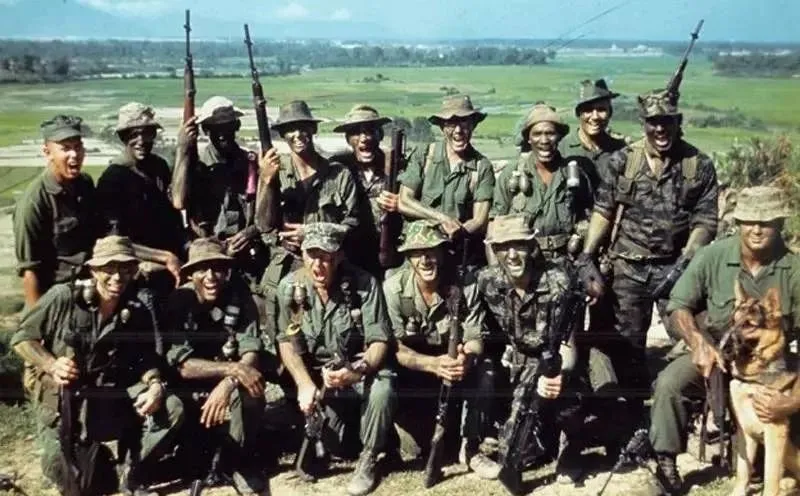
In Australia, the “Giggle Hat” has nothing to do with Hip-Hop culture. Here, the term “giggle” is taken literally, meaning to laugh silly or chuckle, which is why it’s also called the “Silly Hat.”
The Australian Giggle Hat, like the U.S. military’s Boonie Hat, is a wide-brimmed “bucket hat” that was originally used by the military during World War II. Because the hat looked amusing, soldiers gave it a nickname: the “funny hat”, hence the terms Giggle Hat or Silly Hat.
Although it looks comical, it was still widely used in the military. Later, the Australian Army officially adopted this hat, modifying it with a steeper and shorter brim to suit combat in hot environments. Today, the Giggle Hat continues to be used by the Australian Defence Force.

Trend and Popularity of Bucket Hats
Besides its popularity in the military, the bucket hat became increasingly recognized and used by the general public. In the 1960s, more subcultures and women began wearing it. They wore wide-brimmed hats, modified from the bucket hat, to cover their bushy hair, creating a fashionable look at the time.
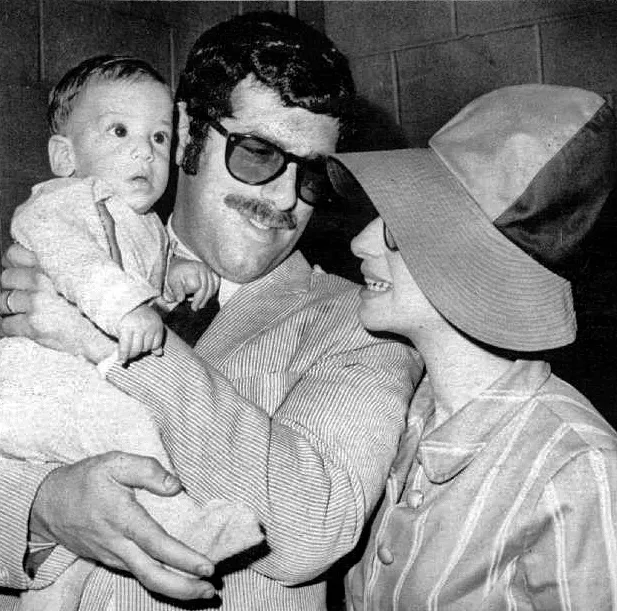
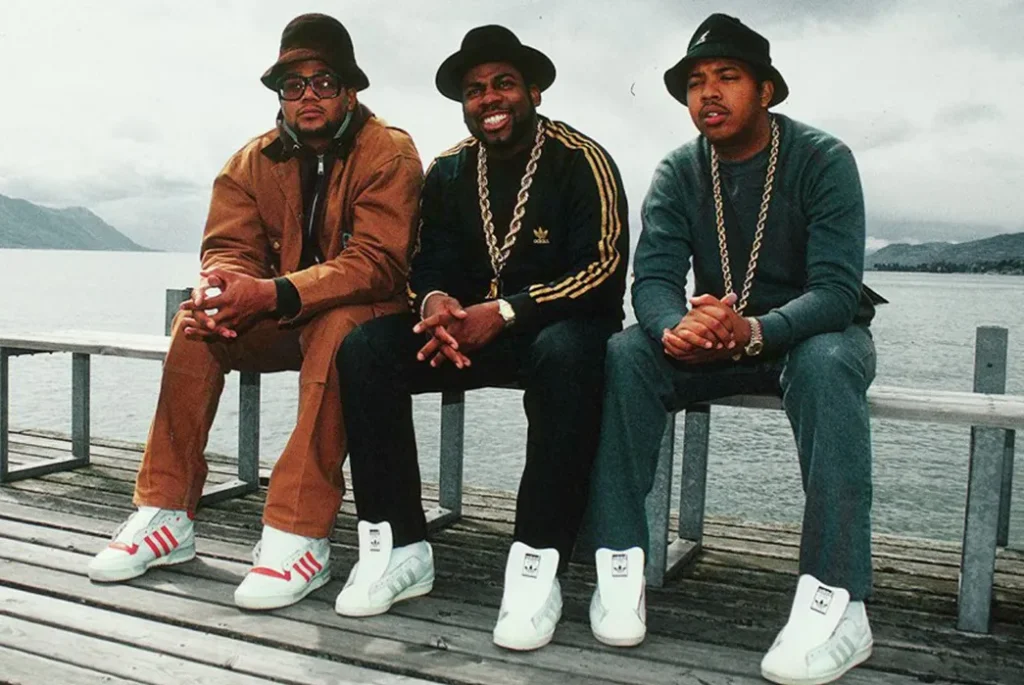
In the 1980s and 90s, the American hip-hop culture movement and the British kkuppet movement popularized the bucket hat. Many sportswear brands also produced this type of hat. For a time, the bucket hat became synonymous with “revelry,” “bass drums,” and “jungle sports.”
Such a simple bucket hat has evolved into a series of interesting changes. Whether it’s the change in name or the subtle adjustments in style, the most basic attributes of the bucket hat remain unchanged: its ability to provide protection (sun and rain) and its portability (folding up and fitting into a pocket). These two points evoke a sense of security and freedom in people, ensuring the bucket hat will become a classic.
Final Thought From Aung Crown
“Classics” need to be cherished to last longer. Based on the two fundamental attributes of the bucket hat—”protection” and “portability”—as a professional and experienced custom hat manufacturer, we’ve added a third attribute: “durability.” We hope it can be used for a long time, allowing the classic to be passed down through generations.