
The 20th Century Headwear: A Snapshot Social History of Women
Published On: January 6, 2026 By: Cindy
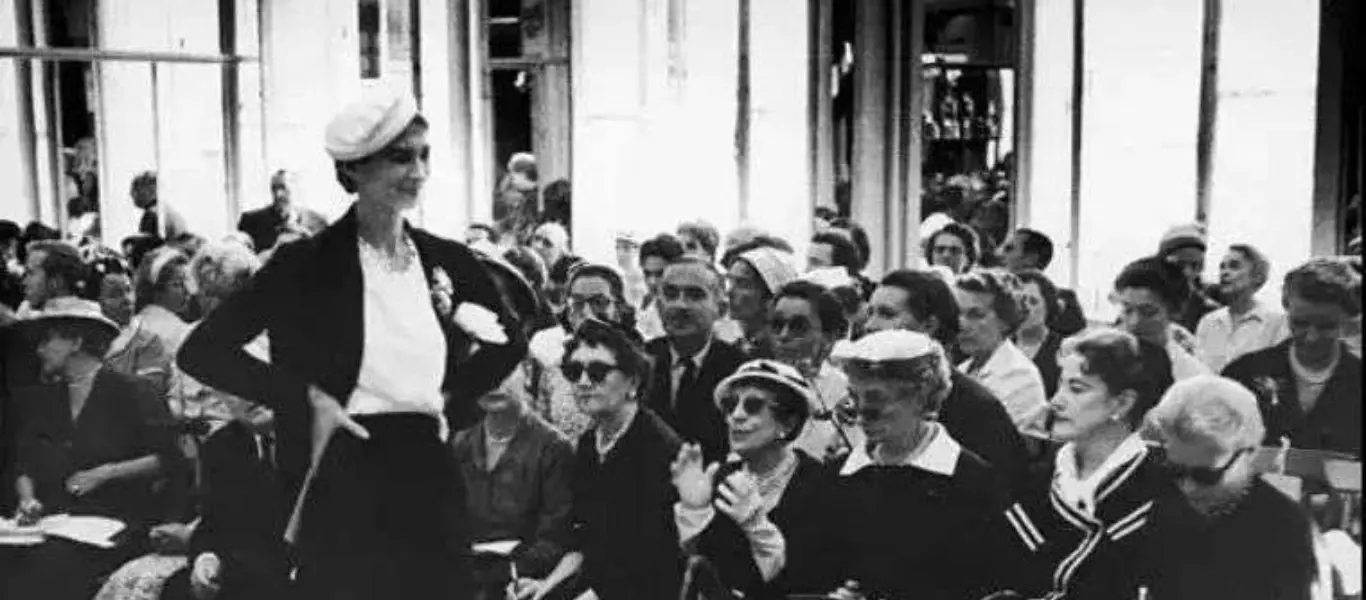
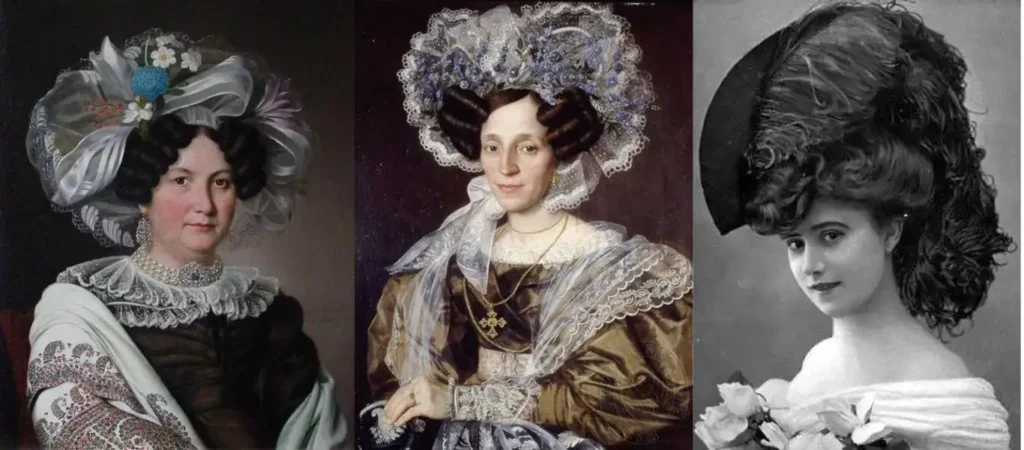
In the 19th century, the transformation of female clothing was pretty slow; it retained the Greek classical style for a period of time, and jewelry became the eye-catching part. No matter whether for women’s daily wear or attending various activities, headwear wad an indispensable part in styling. It was not only a decoration, but also a symbol of social status, and even an important part of fashion manners.
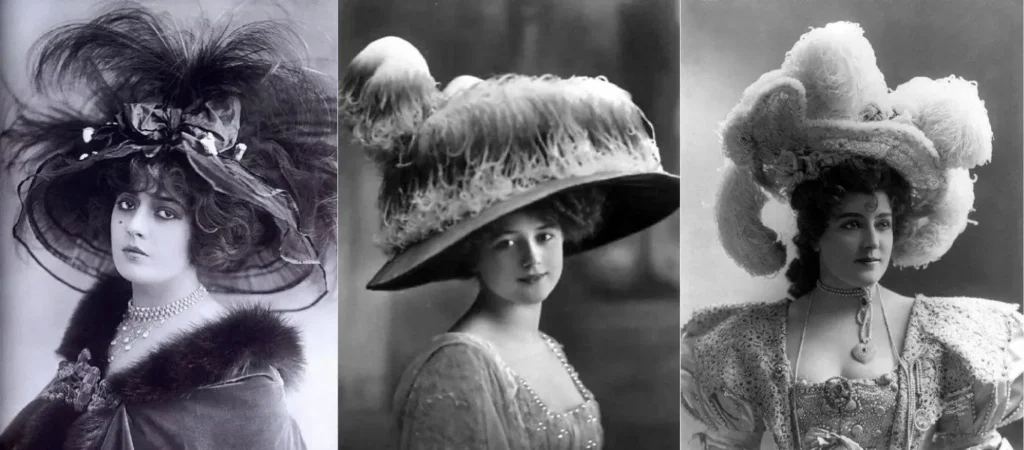
After entering the 20th century, the change of women’s headwear didn’t stop. In the early years, it continued the extravagant style of the previous century, with wide brims decorated with various colorful feathers, ribbons, and even fresh flowers and specimens.
When we talk about the fashion in the 20th century, headwear was always the ignored detail or the underestimated part. However, from the fancy feather ornaments on headwear to the mini pillbox hats in 1960, all these hats were a snapshot of female society history, which not only reflected the aesthetic at the are, but also embodied the journey of women’s liberation. Here, we, Aung Crown – a trustworthy custom hat maker since 1998, will go through an amazing period of history.
Luxury in the Early Century and Revolution (1900-1920s)
1. 1900s: The Extension of Ostentation and Sprout of Revolution
At the early stage of the 20th century, the moping echoes of the Dorian-period luxury continued to reverberate. The styling of Gibson Girl was super hot and popular at that time. Gibson Girl, an iconic, idealized image of American womanhood created by illustrator Charles Dana Gibson in the 1890s, represented the” New Woman” with her altitudinous, slender, yet pneumatic figure, elaborate uplifted hairstyles, and confident, independent spirit, setting beauty and fashion norms until World War I and impacting latterly icons like the flapper. With long luxurious hair, a corset and basque, wearing a wide-brimmed chapeau with ornamental feathers, various lists, or indeed fresh flowers. This type of hat is not only iconic of fashion, but also the symbol of social class.
2. 1920s: Transformation from Must-Have to Ornaments
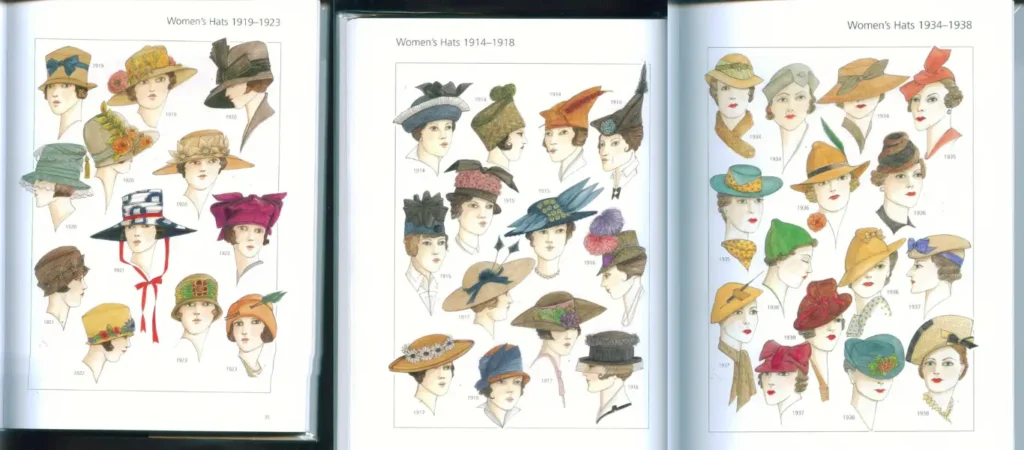
With the advancement of the industrial revolution and the awareness of women’s financial independence, the practicality issues of traditional headwear had gradually arisen. The wide-brimmed hats didn’t fit for new transformations like new cars, and could not benefit women’s work. Therefore, headwear started the transformation from a must-have to an ornament.
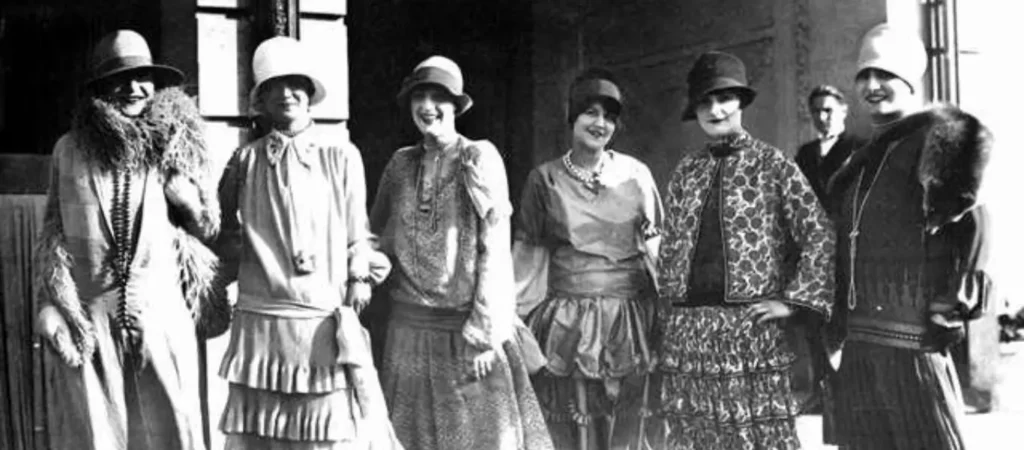
- The Birth Of Cloche: In 1908, the French milliner, Caroline Reboux, invented Cloche hats, which can be close-fitting to the head and can complement greatly with the trendy bob hairstyle greatly. Even can let women with long hair have a short bob hairstyle.
- The Driving Force of the Society: World War I led to a shortage of supplies and an increase in physical labor, which gave rise to an aesthetic that focused more on health and comfort. Chanel designers helped popularize the “New Woman” movement, which inevitably made Cloches popular. The upward-curling brim adds a touch of femininity and a tender disposition. By gumming the line of sight, it forces women to lift their heads, revealing an independent and rebellious stance.
Blossom Era of Headwear (1930s-1940s)
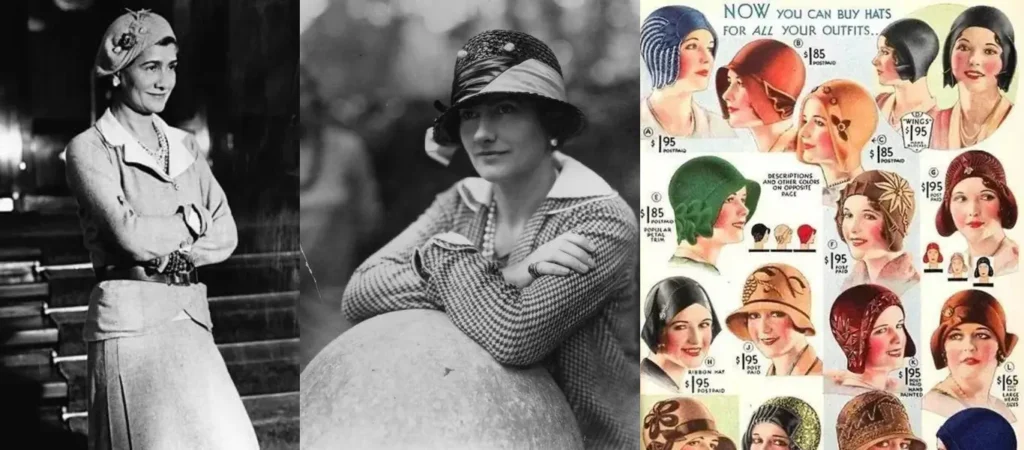
This period was the golden time for women’s hat designs, with various styles popping up.
- The Influence of Surrealism: Design styles turned to pursue primal impulses, breaking free from rational constraints.
- Various Styles: Petite, small, rounded-top hats, long-brimmed hats, sailor hats, and berets with masculine styles.
- The Integration of Military Elements: During World War II, army or military outfits were so popular, and then hats with military elements started to be popular. Although berets were worn by military officers, these berets laid the foundation of their popularity after World War II.
- Simple Ornaments: Although there are ornaments, like feathers, fake flowers, and veils, the whole design of headwear tended to be simple and compact.
Elegance and Drama of Headwear After War (1950s)
After the War, people were eager for luxury hats, and the fashion industry endured explosive growth.
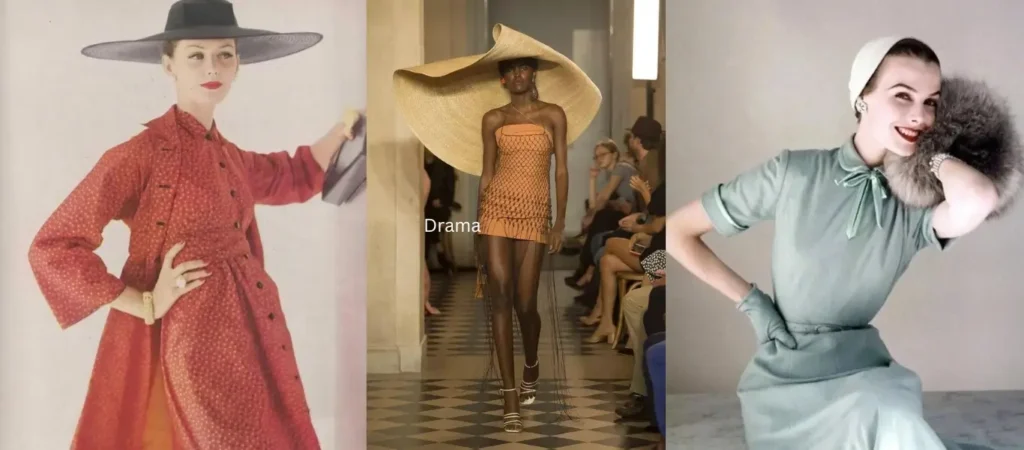
- ” New Look” and Conical Wide- Brimmed Headpiece: Christian Dior’s” New Look,” launched in 1947, was a revolutionary fashion figure defined by rounded shoulders, a cinched midriff, and full, substantial skirts, offering a glamorous return toultra- femininity after wartime austerity, characterized by luxurious fabrics and a focus on the womanish form, creating an iconic, opulent style that varied sprucely with wartime’s utilitarian fashion and came synonymous with the 1950s. “New Look” also brought an elegant trend – an extravagant full skirt paired with a wide conical hat, becoming a great fashion example in the 1950s. Wide-brimmed hats were particularly popular at that time, even with a 60 cm brim.
- Shell Hats: In the early 1950s, shell headdresses( or shell caps) were among the most popular millinery styles. These headdresses were a hallmark of the” New Look” period, where accessories were designed to be dainty, structured, and complementary to a woman’s overall figure rather than overwhelming it.
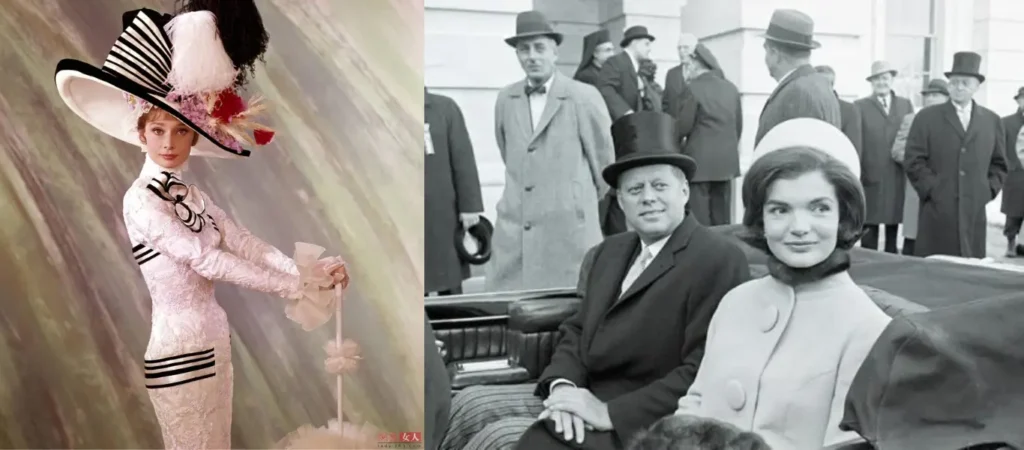
- The Revival of Dramatic Headwear: In 1956, My Fair Lady, the musical stage play, brought Edwardian-period extravagant headwear back into the limelight. The bigger the brim, the more complex the beautifiers. With
- The Florescence of Cocktail Headdresses: Specially designed for blend parties and blend dresses. Generally, cocktail hats are worn on the side of the head, featuring ornamental flowers, feathers, or bow knots, making them an ideal choice for afternoon gatherings or parties. Initially, this type of hat was designed to complement knee-length cocktail dresses. A cocktail hat has a small base with various ornaments like flowers, feathers, and bow-knots, sometimes with veils, and is fixed by hat pins.
The Upcoming of the Mini Era (1960s)
In the 1960s, the development of the Internet and celebrities pushed new fashion trends. Jacqueline Lee Kennedy Onassis, also known as Jackie Kennedy, the First American Lady, her favorite of pillbox hats made these compact hats well-known. Pillbox hats are simple and modern, which perfectly cater to the aesthetic of the 1960s.
Female Power Behind Headwear
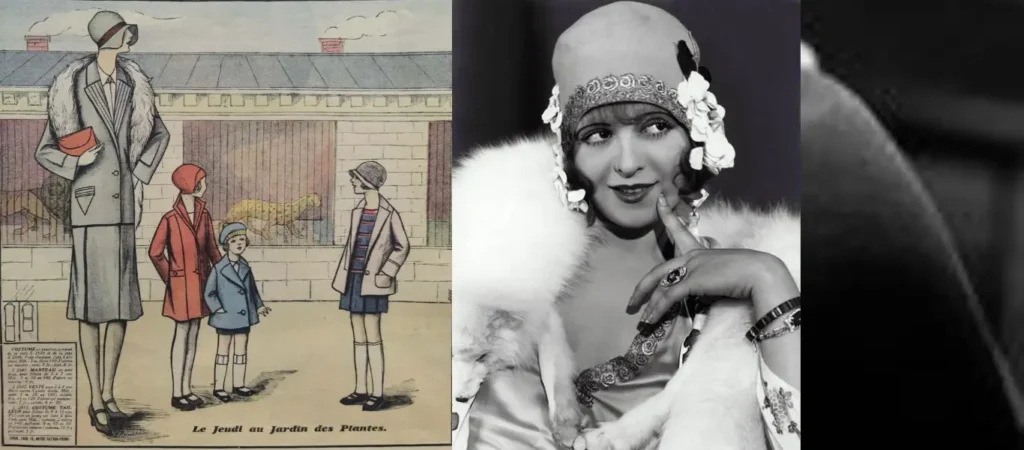
Back to the transformation of headwear in the 20th century, we can clearly see the history snapshot of women’s liberation. From the opulent decorations symbolizing social status in the late 19th century to the practical designs of the 1920s that catered to women’s growing independence. From simple and functional features during the time to the elegance and drama after the War, and to the mini and modern style in the 1960s, each piece of hat is not only an accessory, but also reflects the social background, technological development, and women’s self-perception. The range of the brim, the complexity of decorations, and ways of wearing, all these are quietly telling women’s hobbies and struggles in different ages.
Currently, although headwear isn’t a must-have accessory in diurnal wear and tear presently, it’s still an important part of fashion history, with its unique charm. Headwear has still reminded us that fashion noway exists in insulation; it’s nearly connected to social metamorphosis, artistic trends, and individual knowledge. So, when you see a quaint hat or cap coming, please think about the story behind it.
Reference
Hat Design and Expression – Aung Crown: The Brief Hat History in Western