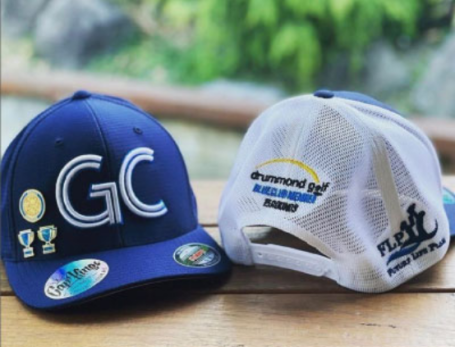
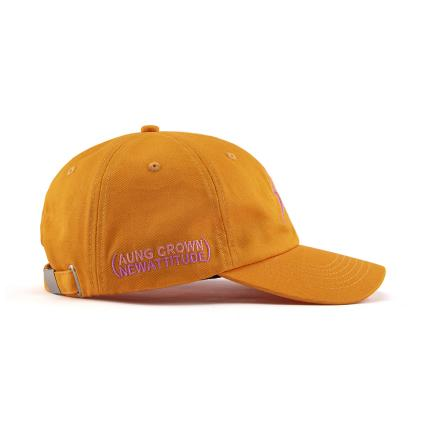
On the runway, designers often use hats to decorate their outfits and choose complementary shoes and jewelry to complete the whole look. Hats are accessories full of imagination that can express the wearer’s taste and attitude, which are must-have fashion accessories. In this article, we, Aung Crown, a professional custom hat and apparel manufacturer since 1998, will introduce 36 types of hats via 7 categories for people to refer to.
1. Peaked & Panel Caps

The core structure of this category is “brim + panel crown,” covering sports, streetwear, outdoors, vintage, and casual styles. Can be sorted in detail into baseball caps, dad caps, trucker caps, snapback caps, camper caps, and newsboy caps.
1. Baseball cap

The baseball cap is derived from the American baseball game in the 19th century. Initially, baseball caps, as practical gear, were used to protect players from sunlight while playing baseball to improve visual comfort. With the development of baseball games, the baseball cap gradually evolved into its classic silhouette, with a curved brim, several panels, and a back adjustable closure. By the late 19th and early 20th centuries, baseball caps started moving from sports fields to the public’s everyday life and gradually became an important icon of American sports culture.
After stepping into the mid-and-late 20th centuries, the popularity of professional sports, television culture, and casual clothing further drove the popularity of baseball caps. After this, baseball caps are not special gear that is only used by baseball players, but also a casual cap for students, workers, and common consumers. From 1980 to 1990, with the development of hip-hop, streetwear, and popular culture, baseball caps broke through sports boundaries and started to serve the functions of brand expression, music culture, and the showcasing of personal style.
After entering the 21st century, baseball caps have become one of the most common hat types, stemming from various hat types, including structured caps, dad caps, snapback caps, fitted caps, and trucker caps. Nowadays, baseball caps are positioned across fashion categories, from sportswear and streetwear to casual, workwear, and luxury fashion. Also, baseball caps can be used as functional sun protection gear and can also be used for core styling accessories via logos, embroidery, fabrics, and hat silhouettes. On the fabric front, cotton twill, polyester, nylon, canvas, and wool blends continue to dominate. Alongside them, corduroy, denim, ripstop, and technical waterproof textiles have been steadily incorporated into contemporary design – a combination that helps baseball caps endure across athletic, branded, and everyday fashion contexts.
| Hat Type | Baseball Cap |
| Best Season | Year-round – works in spring, summer, fall, and winter |
| Flattering Face Shapes | Oval, round, square, and heart-shaped faces |
| Style Vibe | Casual, sporty, streetwear, athleisure, and everyday looks |
| Skin Tone Match | Suitable for all complexions |
| Common Fabrics | Cotton, polyester, nylon, and corduroy |
| Logo Customization | Printing, embroidery, patches, and woven labels |
| Ideal For | Casual brands, streetwear labels, outdoor activities, and more |
| Our Factory Service | MOQ: 50-100 pcs | 7-Day Fast Sampling | Free Design Mockup |
2. Dad cap

The Dad Cap is basically a baseball cap in its most relaxed form. It’s unstructured, with a soft, low crown, a gently curved brim, and either a metal buckle or an adjustable strap at the back. The fit is easy and comfortable, and the overall silhouette comes straight from the classic baseball cap – just softer and more laid-back. However, it differs from baseball caps with stiff sports silhouettes; the dad cap emphasizes a more natural, casual, distressed look.
In the late 20th century, this type of unstructured, soft baseball cap appeared in the daily lives, leisure activities, and American popular culture of the older generation for a very long time. Therefore, it gradually earned the name “Dad Cap” with an everyday, down-to-earth feel. In 1990, with the development of casual clothing, street culture, and sports-casual style, dad caps started entering wider fashion fields as a common hat accessory. With simple team logos, brand embroidery, and low-key patterns, all these made dad caps become favorite pieces for young consumers. After entering the 21st century, Normcore, minimalism, and the 90s vintage trend further emphasized the fashion value of dad caps, making them shift from casual go-to accessories into styling accessories with a relaxed sense.
Nowadays, dad caps are positioned in casual styles, Normcore, minimalism, streetwear, and vintage style, particularly for pairing with tees, hoodies, denim outfits, sweatshirts, and lightweight jackets to create a natural, effortless daily look. As for fabrics, washed cotton, cotton twill, canvas, corduroy, and denim are quite commonly used to make dad caps. In addition, washed cotton and the fading process can further enhance the vintage symbol of dad caps and the soft, lived-in texture.
| Hat Type | Dad Cap |
| Best Season | Year-round – works in spring, summer, fall, and winter |
| Flattering Face Shapes | Oval, square, long, and heart-shaped faces |
| Style Vibe | Casual, vintage, outdoor, streetwear, minimalist |
| Skin Tone Match | Suitable for most skin tones; neutral, washed, and earthy tones are especially versatile. |
| Common Fabrics | Cotton, Washed Cotton, Canvas, Corduroy, Polyester |
| Logo Customization | Flat/3D Embroidery, Woven Label, Patch, Printing |
| Ideal For | Everyday wear, casual outfits, streetwear brands, lifestyle brands, promotional merchandise |
| Our Factory Service | MOQ: 50-100 pcs | 7-Day Fast Sampling | Free Design Mockup |
3. Trucker cap

The trucker cap originated in the United States in the mid 20th century. In the beginning, the trucker cap was not designed for fashion; instead, the trucker cap was a practical hat for farmers, truck drivers, and other outdoor workers. In general, trucker caps have a foam front panel and back mesh design, with an adjustable snap at the back, making them well-ventilated and lightweight to wear, which is very suitable for working outdoors in hot weather or other hot, sticky environments.
From 1960 to 1970, enterprises started to adopt trucker caps with brand logos as promotional caps to give to farmers, drivers in transportation, and industrial workers, gradually bringing trucker caps into the public’s everyday life from professional items. In 1980 and 1990, with the development of countryside culture, vehicle culture, and casual garments, trucker caps began to break through their original wearing context and gradually integrated into Americana, outdoor, and casual styles. After entering the 21st century, brands like Von Dutch and celebrities further pushed trucker caps towards a fashion-oriented direction, turning them into obviously retro and Americana-trendy accessories rather than working caps.
Right now, trucker caps are mainly positioned in Americana, workwear, outdoor, streetwear, and casual fashion. The high-profile crown, curved brim, and mesh back are the distinctive visually icon of trucker caps. In modern design, trucker caps still keep the classic foam front panel and mesh back structure. Meanwhile, cotton, canvas, denim, corduroy, and lightweight nylon are also used for the front panel design, which gives trucker caps a fashionable expression of vintage, workwear, and urban leisure, rather than being used only for breathability.
| Hat Type | Trucker Cap |
| Best Season | Spring, summer, and fall |
| Flattering Face Shapes | Flatters oval, round, square, and heart face shapes |
| Style Vibe | Casual, outdoor, streetwear, workwear, and Americana |
| Skin Tone Match | Suitable for most complexions, with neutral, earthy, denim, and high-contrast hues offering the greatest versatility |
| Common Fabrics | Typically made from cotton, polyester, nylon, foam, and mesh |
| Logo Customization | Logo options include embroidery, 3D embroidery, woven labels, embroidered patches, PVC patches, silicone patches, and printing |
| Ideal For | Great for outdoor activities, everyday casual wear, workwear, promotional products, and lifestyle or streetwear brands |
| Our Factory Service | MOQ: 50-100 pcs | 7-Day Fast Sampling | Free Design Mockup |
4. Snapback cap

The signature of snapback caps is the plastic snap closure at the back and a structured crown. In general, snapback caps feature a pretty flat brim at the front, a structured crown with logos on the front panels, and a flexible plastic snap closure at the back. The basic silhouette of snapbacks is derived from baseball caps, and the name “snapback” comes from the plastic snap closure at the back, which can adjust to different head circumferences.
In the mid 20th century, snapback caps were used for sports teams, enterprises, and as promotional caps for brand promotions. Later, with the development of American Professional Sports Culture, snapback caps started to build relationships with sports like baseball and basketball. From 1980 to 1990, hip-hop, street culture, and music culture became the main strengths to push snapback caps become popular. Loose outfits, sneakers, and snapbacks came together to shape Urban Streetwear. That’s when snapbacks moved from sports gear to fashion statements – a way for young people to show who they are. In the 2000s, the revival of vintage sports style and ’90s culture pushed snapback caps back into the spotlight. Logos, team badges, embroidery, and collaborative designs became the defining visual elements.
Today, snapback caps are positioned across sportswear, streetwear, hip-hop, urban, casual, and retro fashion. Their biggest design advantages are the adjustable snapback closure, the structured silhouette, and the front panel – perfect for showcasing brand logos. As for fabrics, traditional options like cotton, polyester, and wool blends remain common, while twill, corduroy, nylon, and mesh are widely used to make snapbacks, allowing them to shift easily from sports function to vintage texture and modern streetwear.
| Hat Type | Snapback Cap |
| Best Season | Year-round wear, from spring through winter |
| Flattering Face Shapes | Works well with oval, round, square, and heart-shaped faces |
| Style Vibe | Streetwear, laid-back casual, sporty, and hip-hop |
| Skin Tone Match | Most complexions; solid, contrasting, and bold colors work well |
| Common Fabrics | Typically made from cotton, polyester, nylon, wool blend, or corduroy |
| Logo Customization | Logo options include embroidery, 3D embroidery, woven labels, embroidered patches, PVC patches, silicone patches, and printing |
| Ideal For | Streetwear brands, sportswear, casual wear, promotional merchandise, and youth fashion |
| Our Factory Service | MOQ: 50-100 pcs | 7-Day Fast Sampling | Free Design Mockup |
5. Camper cap (camp cap)

The camper cap, also called a camp cap, is a 5-panel cap that is designed with obvious outdoor and casual vibes. Commonly, a camper cap has a flat and slightly front-tilted crown and a short brim, with an adjustable closure at the back. Its design is derived from outdoor activities and camping culture to emphasize lightweight comfort, easy packing, and sun protection. Therefore, in the early stage, camper caps had a close relationship with outdoor lifestyles like hiking, camping, fishing, etc.
With the development of outdoor garments and sporty-casual culture in the late 20th century, camper caps gradually entered everyday wear from functional caps. They became common pieces for skateboarding, street culture, and young casual styles. After 1990, sports brands, outdoor brands, and streetwear brands further pushed the popularity of camper caps. The simple 5-panel and pretty low-profile crown differ from traditional baseball caps, which can more easily bring a relaxed and young look. Since the 21st century, camper caps have become one of the most representative hat types for streetwear, outdoor, Gorpcore, and casual fashion, continually strengthening their fashion features through brand logos, embroidery, patterns, and fabrics.
Today, camper caps are positioned between functional outdoor and urban casual styles, which can pair with streetwear pieces like T-shirts, hoodies, cargo pants, and more. Also ca be paired with lightweight outdoor jackets, workwear, and everyday wear. Conventional fabrics like nylon and cotton are still common for making camper caps. At the same time, materials such as water-repellent fabric, ripstop, lightweight technical fabrics, and vintage-textured washed cotton allow camper caps to strike a balance between functionality, comfort, and style.
| Hat Type | Camper Cap/ Camp Cap |
| Best Season | Spring, summer, fall, and even winter |
| Flattering Face Shapes | Oval, round, square, and heart-shaped faces |
| Style Vibe | Streetwear, casual, outdoor, minimalism |
| Skin Tone Match | Most complexions; neutral, earthy, and natural tones are especially versatile |
| Common Fabrics | Cotton, canvas, nylon, polyester, corduroy, or functional fabrics |
| Logo Customization | Embroidery, woven label, patch, printing |
| Ideal For | Outdoor activities, casual wear, streetwear, lifestyle brands, promotional merchandise |
| Our Factory Service | MOQ: 50-100 pcs | 7-Day Fast Sampling | Free Design Mockup |
6. Newsboy cap

The newsboy cap has a plump crown and a very short brim. Usually, a newsboy cap is composed of 8 panels. Newsboy caps are derived from the wearing habits of the working class in the past, but have now become a key item in vintage fashion.
Newsboy caps evolved from traditional European flat caps and gradually became the 8-panel structure we know today in the late 19th century. The signatures of newsboy caps are the plump, wide crown, short brim, and the top button at the top of the crown. From the late 19th century to the early 20th century, newsboy caps were widely worn in the UK, Ireland, and American industrial cities. Due to their affordable prices, wear resistance, excellent sun protection, and warmth, newsboy caps became common headwear in everyday life for workers, farmers, and industrial laborers. With the development of urban newspapers, this type of cap was closely related to newsboy caps; young newspaper boys often wore this type of cap – newsboy caps. As a result, newsboy caps gradually became the most popular name. From 1920 to 1930, audiences of newsboy caps expanded further and didn’t limit in the labor class. Add in classic materials like tweed, wool, and herringbone, and newsboy caps fit right into British country attire, casual wear, and classic menswear – all while developing that fresh, vintage vibe. Later, Peaky Blinders took things up a notch. The show linked newsboy caps to the UK working class, vintage tailoring, and masculinity, turning them into a visual symbol of British vintage, rugged, and rebellious style.
Today, newsboy caps have shifted from professional headwear to trendy fashion accessories with a fresh personality, sitting between casual caps and traditional gentleman hats, and they pair naturally with vintage, heritage, workwear, smart casual, and streetwear. In modern designs, fabrics with rich textures like tweed, wool, herringbone, corduroy, and linen can still enhance retro and heritage styles. Furthermore, simple solid colors and modern silhouettes can make newsboy caps blend into everyday wear.
| Hat Type | Newsboy Cap |
| Best Season | Spring, fall, and winter |
| Flattering Face Shapes | Oval, round, square, and heart-shaped faces |
| Style Vibe | Vintage, retro, heritage, smart-casual, and classic |
| Skin Tone Match | All complexions; neutral, earthy, and tweed tones (gray, brown, charcoal, navy) are especially versatile |
| Common Fabrics | Wool, tweed, corduroy, cotton, linen, or leather |
| Logo Customization | Metal side badge, leather patch, woven label, subtle embroidery |
| Ideal For | Vintage fashion, smart-casual daily wear, autumn/winter accessory lines, heritage lifestyle brands |
2. Summer & Sun Hats

These hats are mainly used for hot summers, outdoors, and vacations to emphasize sun protection, breathability, and freshness. Commonly, this includes visor caps, straw hats, boater hats, Panama hats, sun hats, and Mexican sombreros.
7. Visor cap

The visor cap is a type of lightweight hat that has a brim without a crown. Its core structure is composed of a wide front brim and a back headband, with a hollow-top design. Initially, visor caps mainly served for outdoor sports and activities, such as tennis, golf, running, etc. The hollow-top design can effectively reduce stickiness and sweating, while the brim can effortlessly block sunlight. As a result, visor caps are full of sports functions.
With the development of sporty, casual culture in the late 20th century, visor caps gradually stepped into everyday, casual, and vacation styling from professional sports scenes. Also created a stable visual image in tennis, beach, golf, and other outdoor lifestyles. After entering 1990, the emergence of Athleisure and sports fashion further enlarged the use of visor caps. Brand logos, embroidery, and bright color combinations made newsboy caps turn into fashionable pieces with distinctive brand logos, rather than simply functional sports accessories.
Therefore, nowadays, visor caps are positioned in sportswear, Athleisure, golf, tennis, outdoor, and resort fashion, particularly catering to these scenes where sun protection, head ventilation, and lightweight. In modern visor cap designs, cotton, terry, and polyester are still common fabrics used for visor caps, while technical fabrics like moisture-wicking, quick-dry, sun-protection, and lightweight fabrics have been continuously used to make visor caps. A wide brim, an elastic headband, and minimalist designs, with an adjustable closure at the back, make visor caps integrate further into modern casual and vacation styling, rather than professional sports gear.
| Hat Type | Visor Cap |
| Best Season | Late spring and summer |
| Flattering Face Shapes | Oval, round, diamond, and heart-shaped faces |
| Style Vibe | Sporty, athletic, resortwear, active lifestyle, summer chic |
| Skin Tone Match | All complexions; crisp whites, bright athletic accents, pastels, and neutral shades work exceptionally well for sunny environments |
| Common Fabrics | Cotton twill, quick-dry performance polyester, breathable mesh, EVA foam |
| Logo Customization | Embroidery, 3D rubber/silicone patch, heat transfer print, woven label |
| Ideal For | Golf, tennis, outdoor sports, beachwear, summer promotional events, athletic brands |
| Our Factory Service | MOQ: 50-100 pcs | 7-Day Fast Sampling | Free Design Mockup |
8. Straw hat

Straw hats go way back – they’re one of the most historic types of headwear. You’ll find them made from natural fibers like grass, rice straw, palm leaves, wheat straw, and raffia. Their origins aren’t tied to one place, because cultures all over the world began making plant-fiber hats early on – for sun protection, staying cool, and outdoor work.
With the development of trade, agriculture, and coastal leisure culture, straw hats gradually entered the public’s everyday life as labor and sun protection pieces. Over time, straw hats developed their own regional styles across Europe, Asia, and the Americas. Then, from the 19th century onward, they became tied to travel, countryside living, and vacation vibes. Wide-brimmed versions were especially popular – they were perfect for spending time outdoors. So, straw hats gradually became an important accessory for summer styling. After entering the 20th century, different styles of straw hats, such as Panama hats, boater hats, and summer hats, enriched the design system of straw hats. As a result, straw hats have turned into seasonal fashion pieces rather than simply functional hats.
These days, straw hats are a must for summer, resort, beach, Bohemian, country, and natural looks. Throw one on with a linen shirt, a dress, or your beach gear – or pick a clean, simple shape and wear it around town in summer. Material-wise, natural straw, raffia, palm leaf, and paper straw are still the norm. And because weave density, brim width, natural tones, and dyeing methods vary so much, no two straw hats look quite the same. From wide-brim sun hats to structured boaters, modern straw hats cover a lot of ground – practical, natural, and effortlessly summery.
| Hat Type | Straw Hat |
| Best Season | Late spring and summer |
| Flattering Face Shapes | Oval, round, square, and heart-shaped faces |
| Style Vibe | Resortwear, vacation, bohemian, rustic chic, summer casual |
| Skin Tone Match | All complexions; natural beige, wheat, tan, and warm earthy tones excel in bright daylight |
| Common Fabrics | Raffia straw, paper straw, wheat straw, Panama straw (toquilla palm), palm leaf |
| Logo Customization | Custom printed/woven ribbon band, leather outer hatband, side metal badge, embroidered band patch |
| Ideal For | Beach vacations, summer outdoor activities, resort lifestyle brands, warm-weather fashion collections, travel accessories |
9. Boater hat

The boater hat is a classic hat type with a fresh retro temperament. The signatures of boater hats are the flat-top crown, flat brim, and decorative ribbon on the crown. In general, traditional boaters are made from natural plant fibers like straw.
Boater hats were gradually popular in Europe and America in the late 19th century. At the beginning, boater hats were closely related to boating, sailing, and outdoor recreational activities; that’s the reason why they were called boater hats. The stiff structure and wide brim could offer some sun protection while catering to the dressing code of casual sportswear. From the late 19th century to the early 20th century, boater hats were worn at social events rather than at water sports scenes, and became common accessories for men’s summer formal and semi-formal outfits. It was particularly representative of Edwardian and early 20th century fashion. From 1920 to 1930, boater hats associated with Jazz Age, summer social events, and classic men’swear, becoming the important visual elements of gentleman styling at that time.
With the development of modern casual clothing, boater hats gradually went out of daily wear and formal outfits, but based on their unique retro silhouettes, boater hats still exist on films, dramas, weddings, and vacations. These days, boater hats are positioned for vintage, classic, resort, summer, preppy, and formal occasions, which can be paired with linen suits, shirts, and long trousers. What’s more, boater hats also can e paired with summer dresses and vacation outfits to create a sophisticated and vintage temperament. Straw, Toquilla straw, raffia, and paper straw continue to dominate boater hat production. Contemporary interpretations, however, strike a balance between the hat’s traditional structure and a modern summer aesthetic – achieved through varied weave densities, brim widths, crown heights, and ribbon trims.
| Hat Type | Boater Hat/Skimmer (Canotier) |
| Best Season | Late spring and summer |
| Flattering Face Shapes | Oval, round, heart, and square face shapes |
| Style Vibe | Vintage, preppy, nautical, classic summer, elegant resortwear |
| Skin Tone Match | All complexions; natural wheat, ivory, and beige straw tones paired with contrasting ribbon bands (navy, black, wine red) |
| Common Fabrics | Stiff wheat straw, braided paper straw, raffia, or stiffened wool/felt (for formal autumn variants) |
| Logo Customization | Custom woven or printed ribbon hatband, side metal pin/badge, custom printed inner sweatband |
| Ideal For | Summer garden parties, boating/nautical events, outdoor weddings, preppy/vintage apparel lines, high-end resort collections |
10. Panama hat

Panama hats are well-known, classic handmade straw hats made from Toquilla straw, but their true origin is not Panama; it’s Ecuador. Local hat masters used natural fiber, Toquilla palm, to make lightweight, breathable Panama hats with a history woven over hundreds of years, and gradually developed representative production regions and craftsmanship systems, such as those of Montecristi and Cuenca.
In the 19th century, with the development of international trade, this type of straw hat was exported from Panama’s port and canal regions and was worn by people who were going to work in Panama and by travelers. That’s why the name Panama hat spread so fast. In 1850, during the California Gold Rush, lots of gold prospectors who went to America brought these lightweight Panama hats, leading to an increase in the popularity of Panama hats. In the early 20th century, Panama hats became associated with public celebrities like Theodore Roosevelt and gradually became important accessories for European and American men’s summer wear and Tropical travel styling. With the development of the 20th-century modern leisure and vacation culture, Panama hats have turned into a classic symbol of sophisticated.
These days, Panama hats mostly live in the worlds of classic style, resort wear, summer fashion, travel, gentleman’s dressing, and luxury craftsmanship. You’ll often see them with linen suits, white shirts, polo shirts, and easy summer outfits. What makes a Panama hat valuable isn’t the shape – it’s the weave density, the quality of the fiber, the handmade craftsmanship, and those natural color tones. Modern designs still keep traditional Toquilla straw at their core, and through different shapes and structures – like the fedora or the Optimo – they hold onto that old-world craft feel while staying right at home in modern summer fashion.
| Hat Type | Panama Hat/Toquilla Straw Hat |
| Best Season | Late spring and summer |
| Flattering Face Shapes | Oval, round, square, and heart-shaped faces |
| Style Vibe | Sophisticated, resortwear, tropical chic, classic menswear, elegant |
| Skin Tone Match | All complexions; ivory, bleached white, and natural light beige straw pair beautifully with classic dark ribbon bands |
| Common Fabrics | Handwoven Toquilla palm fiber, high-grade paper straw, or woven palm leaf |
| Logo Customization | Custom printed or woven ribbon hatband, side metal pin/badge, heat-stamped inner leather sweatband |
| Ideal For | Luxury resortwear, high-end summer fashion lines, tropical vacations, outdoor formal events, upscale lifestyle brands |
11. Sun hat

Sun hats are not hats that have a single historical origin, and they developed from humans’ demand for long-term sun protection and blocking sunlight. In the early stages of agriculture, fishing, and outdoor work, people often used wide-brimmed straw hats to block sunlight and high temperatures. As a result, different regions created regional straw sun hats based on their local climate and available straw.
With the development of travel in the 19th century, coastal vacations, and outdoor casual culture, sun hats gradually entered daily leisure and vacation scenes from labor and protective gear, particularly in European and American coastal vacation culture; wide-brimmed straw sun hats started to become important accessories in women’s summer garments. Since the 20th century, with the development of travel, beach vacations, and women’s fashion, the functions of sun hats have spread into beach, resort, garden, travel, and summer fashion, continuously strengthening the elegance and relaxation of sun hats via films, celebrities, and vacation culture.
In modern society, sun hats are not limited to a stable hat shape and can include wide-brimmed hats, floppy hats, straw hats, bucket hats, and some soft sun hats. The main designs commonly focus on the width of the brim, the level of sun protection, the height of the crown, and wearability. For fabrics, traditional sun hats are mainly made from straw, raffia, and palm leaves; modern sun hats are mainly made from cotton, linen, canvas, polyester, and lightweight, functional fabrics straw fabrics emphasize more about vacation sense and handmade textures; cotton and linen are prone to being more natural and relaxed everyday styles; UPF, water-resistant, and quick-dry fabrics make sun hat move further into outdoor sports and travel market. Nowadays, sun hats have already shifted from simple sun protection gear into functional vacation, and fashionable core accessories in summer.
| Hat Type | Sun Hat |
| Best Season | Spring and summer |
| Flattering Face Shapes | Oval, round, square, heart, and oblong face shapes |
| Style Vibe | Beachwear, resortwear, casual outdoor, glamorous, functional chic |
| Skin Tone Match | All complexions; versatile with warm neutrals, soft pastels, earthy tones, and classic summer brights |
| Common Fabrics | Straw, paper braid, UPF50+ polyester/nylon, cotton twill, linen, or canvas |
| Logo Customization | Embroidery, woven patch, custom ribbon hatband, printed chin strap, metal badge |
| Ideal For | Beach vacations, outdoor gardening, sun protection product lines, summer travel collections, resort & lifestyle apparel brands |
12. Sombrero

The Sombrero is a traditional hat from Mexico and Spanish-speaking cultures. In Spanish, the word is linked to “hat” and “shade.” Its signature look – a high crown and wide brim – offers strong sun protection. The modern classic version blends Spanish colonial hat traditions with Mexican local life, and different regions have developed their own shapes and decorations.
In the past, sombrero hats were widely used for agriculture, livestock farming, horseback riding, and other outdoor working settings. Because wide brims could offer excellent sun protection for necks and faces, the stiff crown and natural fabrics or felt fabrics were suitable for wearing for a long time outdoors. From the 19th century to the 20th century, sombrero hats gradually became an important visual symbol of Mexican culture and countryside life, while strengthening the signatures of sombreros in traditional culture like Charro, Ranchero, and Mariachi. At the same time, films, travel, and Western culture made sombreros step into international public culture.
Modern sombreros have extended to the Mexican heritage, western, Ranch, resort, festival, and statement fashion. Still, sombreros
Sombreros still have real cultural pull – you’ll see them at festivals, on holiday, at music events, and anywhere people are vacationing. Sombreros are traditionally made from straw, palm leaves, Toquilla straw, and wool felt. Straw ones are light and airy, great for summer and outdoor wear. Wool felt ones? More structured and warm. These days, sombreros come in all sorts of variations – different crown heights, brim widths, weave densities, bands, embroidery, and decorative touches. That way, they stay rooted in Mexican tradition while still delivering that unmistakable classic wide-brim silhouette.
| Hat Type | Sombrero |
| Best Season | Late spring and summer (or year-round for festive/cultural events) |
| Flattering Face Shapes | Oval, round, square, and heart-shaped faces |
| Style Vibe | Festive, statement piece, traditional, cultural, celebratory |
| Skin Tone Match | All complexions; bright vibrant trims, gold/silver accent stitching, and rich natural earth tones suit a wide range of skin tones |
| Common Fabrics | Heavy felt (wool/fur), woven straw, palm leaf, or velvet with decorative braiding |
| Logo Customization | Metallic thread embroidery along brim/crown, custom woven ribbon hatband, printed chin strap, custom inner lining imprint |
| Ideal For | Cultural celebrations, theme events, souvenir & gift markets, costume/performance wear, novelty apparel collections |
3. Winter Hats

This hat category is winter hats that mainly focus on the core function of winter hats – keeping warm, being windproof, and preventing cold air. In general, these winter hats are made from wool, leather, fur, fleece, and other warm materials, emphasizing full coverage from head to ears, and even to the whole face. Originally stemming largely from the demands of daily labor or military needs in frigid regions, they have since evolved into indispensable warm garments for winter wardrobes. Here are 6 types of winter hats as follows:
13. Beanie

Beanies are a type of hat that is characterized primarily by knitted fabrics and a soft construction, with a close-fitting and soft structure. The history of beanies does not stem from a single origin; rather, beanies are closely linked to the long-standing tradition of knitted hats in the cold regions of Europe and North America.
In the early stage, knitted beanies were worn by fishermen, dockers, outdoor laborers, and industrial workers as a simple, economical choice to keep their heads warm for them in low-temperature environments. Some beanies with folded cuffs could enhance warmth and wearability via the folded cuffs. After the 20th century, beanies gradually moved from labor outfits to students, skiing, outdoor sports, and everyday casual wear from labor outfits. With the development of skate, hip-hop, punk, and streetwear culture, beanies gained more fashion appeal.
After entering the 21st century, beanies have become an important category of global winter headwear and came with varieties of types, such as cuffed beanies, cuffless beanies, slouchy beanies, fisherman/short beanies, satin-lined beanies, and pompom beanies. Covering winterwear, outdoor, streetwear, casual, workwear, and minimalist fashion styles. In general, traditional beanies are made from wool, blended wool, cotton, and acrylic; modern beanies are made from cashmere, Merino wool, recycled polyester, and technical yarns. Chunky, ribbed, and cable-knitted beanies emphasize warmth and handmade textures. However, fine-knitting and seamless knit structures are prone to modern minimalism. Nowadays, beanies not only keep warm but also affect the whole styling via beanie depth, cuff heights, knitting types, different textures, and yarn textures, which are the core accessories in winter outfits – combining function, comfort, and style.
| Hat Type | Beanies/Knit Cap (Watch Cap, Slouchy Beanie, Cuffed Beanie) |
| Best Season | Fall, winter, and early spring |
| Flattering Face Shapes | Oval, round, square, heart, and long face shapes |
| Style Vibe | Casual, streetwear, cozy, outdoor athletic, minimalist |
| Skin Tone Match | All complexions; versatile neutrals (black, gray, beige), earthy tones, and high-visibility pop colors |
| Common Fabrics | Acrylic, wool, merino wool, cashmere, cotton blend, or jacquard knit |
| Logo Customization | Woven patch, embroidered logo, leather label, rubber/silicone badge, custom jacquard knit-in pattern |
| Ideal For | Cold-weather street fashion, winter sports & outdoor activities, autumn/winter apparel drops, promotional merchandise & corporate gifts |
| Our Factory Service | MOQ: 50-100 pcs | 7-Day Fast Sampling | Free Design Mockup |
14. Trapper hat

Trapper hats, sometimes called hunter hats or aviator hats, feature earflaps with tie bands and inner warm lining winter hats, derived from cold areas like Northern Europe, Russia, Canada, and Northern America. In the beginning, trapper hats were all about surviving cold, rugged outdoor life and traditional hunting. The design didn’t just sit on top of your head – it came down over the ears, face, and neck, giving full coverage when the weather turned chilly, windy, or snowy. That’s why they were first worn by hunters, farm workers, loggers, pilots, and just about anyone who worked outside in the cold.
In the early 20th century, similar hats were popularized among polar expeditions, aviation, and military outdoor gear. Gradually, trapper hats became the classic style – a fur or leather hat shape with earflaps and chin straps that we often see today. With the development of outdoor garments and winter sports in the late 20th century, trapper hats gradually entered public winter styling from simply functional gear, and had their stable place in outdoor, workwear, military-inspired, and heritage styles.
Trapper hats have stepped further into the fashion world these days – winter style, Après-Ski, streetwear, Nordic, and rustic looks all make sense. You’ll often see them with down jackets, wool coats, snow boots, and heavy knitwear. Traditionally, they were made from sheepskin, shearling, wool, leather, and fur. Today, you’ll find a lot of faux fur, faux shearling, polyester, nylon, and technical insulation. While maintaining the core structures – earflaps and the deep crown – trapper hats improve their practice vis lightweight, windproof, waterproof, and insulated materials. Nowadays, trapper hats
have developed into icon head shape for outdoor function, vintage workwear, and winter fashion from professional protective headgear for extreme cold environments.
| Hat Type | Trapper Hat/Aviator Hat (Bomber Hat) |
| Best Season | Late fall and deep winter |
| Flattering Face Shapes | Oval, round, heart, and square face shapes |
| Style Vibe | Rugged, utilitarian, outdoor adventure, winter streetwear, cozy high-cold chic |
| Skin Tone Match | All complexions; versatile neutrals (black, brown, gray, khaki) and traditional winter patterns (buffalo plaid, camo) suit cold-weather outerwear |
| Common Fabrics | Faux fur, real fur (shearling), water-resistant nylon/polyester, canvas, leather, or fleece lining |
| Logo Customization | Leather/suede patch, woven label on ear flaps, embroidered side logo, rubber/silicone badge |
| Ideal For | Extreme cold-weather wear, outdoor winter sports (skiing, hunting, snowmobiling), winter street fashion drops, cold-climate workwear & outdoor brands |
| Our Factory Service | MOQ: 50-100 pcs | 7-Day Fast Sampling | Free Design Mockup |
15. Deerstalkers

The deerstalker hat is a true classic. It comes from British countryside hunting culture in the 1800s. What makes it stand out? Those short front and back brims – you can fold them up or down, or tie them together on top of the hat. It’s like getting sun protection, rain protection, and ear coverage in one clever package.
As you might guess from the name, the Deerstalker started out as a hat for country hunting – specifically deer stalking. Its design gave you some protection in the woods and open countryside without slowing you down, which is why it became tied to the British gentleman’s countrywear, hunting, and outdoor lifestyle. By the late 19th and early 20th centuries, it had become part of the British rural wardrobe, usually worn with tweed, wool, herringbone, hunting coats, overcoats, and waistcoats. Then the 20th century came along, and literature and film made it famous worldwide – above all, Sherlock Holmes. And that’s how the Deerstalker made the leap from a specialist hunting hat to a visual icon tied to detective style, British heritage, and Victorian-inspired looks. Here’s a fun twist: in the original Sherlock Holmes stories, he never actually wore a Deerstalker as a fixed signature hat. That connection came later, mostly through illustrations and screen adaptations.
The modern Deerstalker still has all the classic details – double brim, ear flaps, top ties – but it’s moved way beyond hunting. These days, you’ll spot the deerstalker in heritage, countrywear, vintage, costume, outdoor, and even statement fashion. It used to be made from tweed, wool, herringbone, and waxed cotton. Modern takes also bring in cotton, fleece, and synthetic technical fabrics. With simpler crowns, a softer structure, and fresh colorways, the hunting feel gets toned down. That way, the Deerstalker holds onto its British countryside character while staying a classic hat with real storytelling power and instant recognition.
| Hat Type | Deerstalker Cap/Sherlock Holmes Hat (Hunter Cap) |
| Best Season | Fall and winter |
| Flattering Face Shapes | Oval, round, square, and heart-shaped faces |
| Style Vibe | Heritage, classic British, countryside, retro, detective chic |
| Skin Tone Match | All complexions; traditional earthy tones (browns, forest greens, houndstooth, muted grays) suit classic country aesthetic |
| Common Fabrics | Tweed, heavy wool, houndstooth fabric, flannel, or durable canvas |
| Logo Customization | Leather patch, woven label on ear flap/interior lining, metal side badge, subtle embroidery |
| Ideal For | Heritage apparel lines, outdoor countryside activities, vintage-themed collections, specialized autumn/winter headwear drops |
16. Ushanka

The Ushanka is a winter hat with a strong Russian and Eastern European cold-weather identity. What makes it stand out? A deep crown, long ear flaps that cover your ears, and ties you can fasten up or down. Together, they protect your head, ears, and face from bitter cold and biting wind.
The modern Ushanka we know today took shape during the Soviet era, when cold-weather clothing and military gear mattered. But its design idea goes way back – it follows the long tradition of fur hats and ear-flap hats in Russia and Eastern Europe. Because it’s incredibly warm, soldiers, workers, hunters, outdoor labourers, and anyone living in cold regions have worn the Ushanka. Over time, it became the go-to functional hat for extreme cold. Then, in the mid-to-late 20th century, as Soviet and Russian culture reached a global audience, the Ushanka became famous worldwide. Film, photography, and winter tourism linked it to images of Russian, Soviet, Arctic, and Cold-Weather Heritage.
These days, the Ushanka has moved far beyond specialised cold-weather gear. You’ll see it in winter fashion, outdoor, military-inspired, heritage, Après-ski, and streetwear. It can be serious extreme-cold equipment or a bold winter style statement. Traditionally, it’s made from sheepskin, shearling, wool, leather, and fur. Modern versions often use faux fur, fleece, polyester, nylon, and synthetic insulation – plus windproof, waterproof, and lightweight treatments. Visually, wide ear flaps, a deep crown, and thick materials are still the Ushanka’s signature. But modern designs simplify the decoration, tweak the ear flap proportions, and use neutral colours, making this culturally rich hat much easier to wear with today’s winter clothes.
| Hat Type | Ushanka/Russian Fur Hat (Shapka-Ushanka) |
| Best Season | Late fall and deep winter (extreme cold) |
| Flattering Face Shapes | Oval, round, square, and heart-shaped faces |
| Style Vibe | Heritage, military retro, extreme cold utility, bold winter streetwear |
| Skin Tone Match | All complexions; classic neutrals (black, grey, white, tan, navy) and natural fur tones are universally flattering |
| Common Fabrics | Faux fur, shearling, water-resistant nylon/polyester, heavy wool, or real leather |
| Logo Customization | Front metal emblem/badge, leather patch on ear flaps, subtle embroidered logo, custom printed interior lining |
| Ideal For | Extreme cold-weather apparel, winter outdoor gear, heritage/military-inspired fashion drops, high-impact cold-weather streetwear |
| Our Factory Service | MOQ: 50-100 pcs | 7-Day Fast Sampling | Free Design Mockup |
17. Balaclava

The balaclava is a winter hat that covers your head, neck, and part of your face. Its name comes from the Crimean War in the mid-1800s, when British soldiers wore protective head coverings near Balaklava.
It started as a way to protect soldiers’ heads and faces from cold and biting wind. Most were knitted or made of wool, and the full-wrap design helped keep heat in. After the war, the balaclava moved into everyday winter clothing and outdoor sports – especially skiing, mountaineering, and cycling. By the late 1900s, knitted versions had become a normal part of ski wear, outdoor gear, and winter casual outfits.
In the 21st century, the balaclava got a serious fashion upgrade, especially thanks to streetwear, gorpcore, techwear, and avant-garde fashion. It went from a purely functional head covering to a bold style statement – showing up on runways, in street style photos, and in winter accessory collections. Modern balaclavas come in all sorts of shapes: full-face coverage, open-face, head-and-neck-only, brimmed versions, scarf-style designs, and more. That means you can pick your warmth level based on where you’re going. Traditional materials include wool, merino wool, and knitted yarns. Modern versions add cashmere, acrylic, fleece, recycled fibers, and technical fabrics. Chunky knits and cable textures give that warm, handmade, wintry feel. Fine knits, stretch yarns, and performance fabrics go for a cleaner, sportier, more technical look. Today, the balaclava is a winter accessory that does it all – warmth, coverage, style, and self-expression. It pairs especially well with down jackets, coats, technical apparel, and layered knitwear.
| Hat Type | Balaclava/Ski Mask (Face Hood, Tactical Hood) |
| Best Season | Late fall and deep winter (extreme cold) |
| Flattering Face Shapes | All face shapes (oval, round, square, heart, oblong) |
| Style Vibe | Streetwear, technical outerwear (gorpcore), winter sports, tactical, avant-garde |
| Skin Tone Match | All complexions; versatile with sleek black, neutral tones, high-visibility neon, or bold graphic knits |
| Common Fabrics | Knit acrylic, merino wool, fleece, breathable polyester-spandex blends, or windproof softshell |
| Logo Customization | Subtle embroidery, reflective heat-transfer print, woven label, silicone/rubber patch, custom jacquard knit pattern |
| Ideal For | Skiing & snowboarding, outdoor winter athletics, high-fashion streetwear collections, motorcycling/tactical gear, cold-weather apparel lines |
| Our Factory Service | MOQ: 50-100 pcs | 7-Day Fast Sampling | Free Design Mockup |
18. Earflap hat

Earflap hats are a winter hat category with one clear signature: downward ear flaps. This type of winter hat doesn’t come from one single place and grew out of cold-weather hat traditions in Northern Europe, Russia, Eastern Europe, North America, and other chilly parts of the world.
At its core, it’s about reducing cold air hitting your ears, with flaps that extend down over them. Ties, buttons, or a brim add extra windproofing and warmth. That’s why hunters, farmers, fishermen, outdoor workers, and people living in cold climates have worn them for generations. In the 20th century, outdoor sports, skiing, and winter tourism brought Earflap hats into the casual market. Earflap hats branched out too – you’ve got the brimmed trooper hat, fuzzy earflap hats, knitted versions, and children’s winter hats.
These days, earflap hats show up in outdoor, winterwear, workwear, heritage, Après-ski, and casual fashion. They’re practical for warmth, but they’re also a visual highlight in winter outfits. Traditional materials? Wool, shearling, sheepskin, felt, and leather. Modern versions? Faux fur, fleece, acrylic, polyester, and technical insulation – often with windproof, waterproof, lightweight, and insulating tech. Design-wise, ear flap length, crown depth, brim shape, and how the flaps attach all change the vibe. Thicker fuzzy flaps feel warm and vintage. Knit or lightweight tech fabrics feel sporty and modern. Earflap hats have come a long way – from pure cold-weather protection to a functional, winter-ready, style-driven accessory.
| Hat Type | Earflap Hat/Earflap Beanie (Chullo, Peruvian Hat) |
| Best Season | Fall, winter, and early spring |
| Flattering Face Shapes | Oval, round, heart, square, and long face shapes |
| Style Vibe | Cozy, bohemian, retro outdoor, winter streetwear, casual warmth |
| Skin Tone Match | All complexions; vibrant multi-color jacquards, rustic earth tones, and classic winter neutrals work exceptionally well |
| Common Fabrics | Wool, acrylic knit, fleece lining, alpaca yarn, or faux fur |
| Logo Customization | Woven label, embroidered logo, leather patch, custom jacquard knit pattern, braided tassel details |
| Ideal For | Cold-weather outdoor recreation, ski resort fashion, cozy winter lifestyle collections, casual autumn/winter headwear lines |
| Our Factory Service | MOQ: 50-100 pcs | 7-Day Fast Sampling | Free Design Mockup |
4. Classic, Formal & Heritage Hats

This hat category includes the most representative classic and heritage headwear in Western apparel history. These hats are not only practical accessories for preventing cold air or blocking sunlight, but also icons of class, profession, and special culture. Here they are: top hats and bowler hats – symbols of noble manner and formal occasions; fedoras, trilby hats, and Hamburg hats, fulfilling a blend of vintage detective charm and a business atmosphere; pork pie hats – closely linked to Jazz music and streetwear culture; cowboy hats representing the spirit of the American Westward expansion. Having withstood the test of time, all these hats continue to hold a prominent place in high fashion, films, and television, and ceremonial settings, perfectly embodying a timeless gentlemanly demeanor and classic aesthetic.
19. Top hat

Top hats are a classic hat type with a top and stiff cylindrical or slightly waisted crown, a flat brim, decorated with ribbons. Top hats originated in the United Kingdom in the late 1700s and the early 1800s, and gradually replaced part of traditional triangle hats and wide-brimmed hats, becoming an important part of European men’s formal wear.
During the 1800s, top hats were closely linked to the British gentleman, urban middle class, businessmen, and formal social occasions via pairing with tuxedos, morning gowns, and other formal menswear. Therefore, top hats became the visual symbol of class, manner, and social status. After stepping into the mid-to-late 1800s, materials, crown heights, and brims of top hats gradually standardized. Premium materials like ribbon, felt, and beaver fur further enhanced the formality of top hats. Until the 1900s, with the development of suits, casual business, and lightweight hats, the use of top hats obviously decreased, but they still remained for weddings, Jockey clubs, ceremonies, eddramas, balls, and traditional formal occasions.
Modern fashion redefines top hats as a strong, distinctive visual piece for formalwear, vintage, heritage, theatrical, Gothic, and statement fashion. Top hats are often used in fashion shows, stage styling, films, and themed activities. Traditional materials include silk, fur, felt, and beaver fur; modern top hats adopt wool, felt, velvet, cotton, and synthetic materials while changing the style of top hats via ribbon, feather, embroidery, and different crown proportions. Nowadays, top hats have shifted from a gentleman’s hat in the 1800s into classic headwear with a historical sense, formality, and drama.
| Hat Type | Top Hat/Silk Hat (Topper, High Hat) |
| Best Season | Year-round (primarily for formal events, ceremonies, and performances) |
| Flattering Face Shapes | Oval, round, and square face shapes |
| Style Vibe | Formal, high elegance, Victorian, theatrical, steampunk, black-tie |
| Skin Tone Match | All complexions; classic black, white, and deep neutrals create striking, polished contrast |
| Common Fabrics | Wool felt, fur felt, silk satin, beaver felt, or rigid structured polyester |
| Logo Customization | Custom woven/satin ribbon hatband, gold/silver foil stamped inner sweatband, side metal pin, custom printed silk lining |
| Ideal For | Formal black-tie galas, weddings, stage & theatrical productions, magic/performance wear, costume & steampunk collections, luxury vintage-inspired headwear lines |
20. Fedora

Fedora hats are a classic hat type with a mid-high soft crown – central, front, and gear grooves- and a medium brim.The name “fedora” traces back to Fédora, an 1880s play by French playwright Victorien Sardou. The soft felt hat worn by the leading lady ended up being called the “Fedora.”
Then, as the early 1900s rolled in, the fedora made the leap from women’s stage costumes to men’s daily wear. It caught on fast in cities across Europe and America – especially with businessmen, city workers, detectives, and professionals. Why? Fedoras were softer and easier to wear than top hats, but still gave you sun protection, wind resistance, and a touch of formality. That mix made fedoras a must-have accessory in men’s urban wardrobes throughout the 1900s. From 1920 through 1950, the cultural influence of fedoras was especially pronounced. The classic combination was to pair a fedora hat with suits, mid-length jackets, long jackets, and formal menswear. Further emphasizing their mature, mysterious, and urban visual look via Hollywood films and film Noir. In the late 1900s, the rise of casual wear led to a decline in the everyday use of the fedora; however, entering the 21st century, it made a comeback in the fashion market through styles such as vintage, heritage, classic menswear, jazz, retro, and streetwear.
Modern fedoras aren’t limited to traditional men’s formal wear anymore, and they are also widely worn by women for different styling, music festivals, vacations, and urban casual styling. Traditional fedoras are mainly made from felt, wool felt, fur felt, and straw; summer fedoras are made from Panama straw, Toquilla straw, raffia, and paper straw; modern fedoras focus more on the groove design on the crown, the brim width, the height of the crown, decorative ribbons, and material features. To create different styling by wide brims, narrow brims, and soft/stiff felt. Nowadays, fedoras have developed into a representative hat type of vintage temperament, urban sense, formality, and personal expression from the classic gentleman headwear in the 20th century.
| Hat Type | Fedora Hat |
| Best Season | Fall, winter, and spring (straw variants for summer) |
| Flattering Face Shapes | Oval, round, square, and heart-shaped faces |
| Style Vibe | Classic, dapper, vintage, jazz chic, sophisticated, smart-casual |
| Skin Tone Match | All complexions; versatile neutrals (black, camel, charcoal, navy) and rich jewel tones (burgundy, forest green) suit diverse skin tones |
| Common Fabrics | Wool felt, fur felt, straw/paper braid (for summer fedoras), or cotton twill |
| Logo Customization | Grosgrain or leather ribbon hatband, side metal pin/badge, feather accent, heat-stamped leather inner sweatband |
| Ideal For | Smart-casual daily wear, formal events, autumn/winter fashion drops, vintage/jazz lifestyle apparel, high-end accessory collections |
21. Trilby hat

Trilby hats are similar to fedoras. Trilby hats are a classic soft felt hat type. While fedoras have a narrower brim and a shorter crown, and more obvious groove designs on the front and rear. The name “trilby” originated from the novel 《Trilby》 published in1894 by the British author George du Maurier. Later, the novel was adapted into a stage performance; people who played in the show wore such a hat, and that’s the origin of the name “trilby”.
In the early 1900s, trilby hats gradually entered British and European men’s everyday wear as a simple piece of drama and heritage at the beginning. In addition, because trilby hats were lighter and softer than top hats and traditional wide-brimmed hats, trilby hats were favored by men in cities and younger groups. In the mid 20th century, trilby hats gradually became linked to jazz, musicians, actors, and urban gentleman looks, particularly for British and American casual formal outfits. Compared to a fedora, a trilby has a narrower brim and a smaller crown – so it looks lighter and fits modern city style really well.
Back in the mid-to-late 1900s, casual clothes and baseball caps took over, and trilby hats became less common for everyday wear. Then the 21st century brought them back, thanks to vintage, retro, indie, jazz, hipster, and contemporary classic styles. These days, you’ll spot trilbies at music performances, weddings, on holiday, and in vintage outfits. Traditional ones are made from wool felt, fur felt, and straw. Summer versions use Panama straw, Toquilla straw, raffia, and paper straw. Modern trilbies focus on brim width, crown height, crease depth, decorative ribbons, and material textures. Different proportions can switch from vintage gentleman to jazz and relaxed leisure. Today, trilby hats have already shifted from dramatic cultural headwear in the 1800s into a classic hat type combining vintage temperament, urban sense, and light formality styles.
| Hat Type | Trilby Hat |
| Best Season | Fall, winter, and spring (straw variants for summer) |
| Flattering Face Shapes | Oval, round, and heart-shaped faces (the narrower brim suits smaller or softer facial structures well) |
| Style Vibe | Dapper, jazz chic, retro, smart-casual, indie, vintage |
| Skin Tone Match | All complexions; versatile neutrals (black, charcoal, navy, camel) and rich earth tones paired with contrasting hatband ribbons |
| Common Fabrics | Wool felt, fur felt, cotton twill, tweed, or straw/paper braid |
| Logo Customization | Custom grosgrain/leather ribbon hatband, side metal pin/badge, feather accent, heat-stamped inner sweatband |
| Ideal For | Music & arts events, smart-casual daily wear, vintage-inspired street fashion, autumn/winter accessory drops, boutique apparel lines |
22. Pork pie hat

Pork pie hat is a classic hat type that has a pretty low crown, a top annular groove, and a narrow brim with rolling up edge. The name ” Pork pie hat” is derived from its crown that was similar in shape to a traditional British pork pie.
The early shape of modern pork pie hats is related to the British and European casual headwear in the 1800s. Initially, pork pie hats were used as a lightweight everyday hat. Compared to top hats and formal hats, pork pie hats were much more suitable for non-formal occasions. After stepping into the 1900s, pork pie hats gradually became associated with British gentleman casualwear, musical culture, and urban life, particularly popular among musicians in the mid-20th-century jazz and ragtime music scenes. Later, with the rise of black American music, jazz, R&B, and Ska culture, this type of hat obtained obvious musical properties. From 1970 to 1980, pork pie hats stepped into wider public sight via reggae, Ska, and street musical culture. After 2000, the iconic characters in films further strengthened the relationship with jazz, retro, hipster, vintage style, and streetwear.
Modern pork pie hats are commonly used for music festivals, performances, vintage looks, urban casual style, summer vacations, and more. Differentiating the proportions between the brim and the crown to cater to styling for women and men. Traditional materials include felt, wool felt, straw, and cotton. For summer, Panama straw, Toquilla straw, raffia, and paper straw are the main choices. Modern designs play with fine straw weaving, soft felt, contrasting hatbands, textured fabrics, and lighter hat bodies to change up the look. These days, the Pork Pie Hat has come a long way from its low-profile casual roots – it’s now a distinctive accessory that mixes jazz culture, vintage charm, musical heritage, and modern street style.
| Hat Type | Pork Pie Hat |
| Best Season | Fall, winter, and spring (straw variants for summer) |
| Flattering Face Shapes | Oval, round, and oblong/long face shapes |
| Style Vibe | Jazz chic, retro, ska, indie, hipster, dapper |
| Skin Tone Match | All complexions; versatile with classic black, navy, charcoal, rich burgundy, and natural straw tones |
| Common Fabrics | Wool felt, fur felt, cotton canvas, straw, or leather |
| Logo Customization | Grosgrain ribbon hatband, side metal pin/badge, feather accent, heat-stamped inner leather sweatband |
| Ideal For | Music & subculture apparel, jazz/blues lifestyle brands, vintage-inspired streetwear, boutique autumn/winter accessory collections |
23. Hamburg hat

Hamburg hat is a classic and formal hat that has a stiff, oval crown with a groove in the middle on top, a slightly rolled-up brim, and a ribbon wrapped around the crown. The name “Hamburg hat” is closely related to the European gentleman culture in Bad Hamburg, Germany, in the 1800s.
In the late 1900s, King Edward VII of the United Kingdom wore a similar hat during his trip to Germany and later brought it back to the United Kingdom, which boosted the popularity of Hamburg hats among the UK upper class and in formal men’s wear. This gave Hamburg hats obvious features of gentlemanly, formal wear, and European heritage. After entering the early 1900s, Hamburg hats were widely worn by politicians, business people, lawyers, and other social elites, commonly paired with suits, morning gowns, and coats. Compared to top hats, the structure of Hamburg hats is simpler, and Hamburg hats are more flexible to wear. Therefore, Hamburg hats are also integrated with business and urban styling. Since the late 20th century, with the popularity of men’s casual wear and soft hats like fedoras, Hamburg hats have been used less in everyday life. However, Hamburg hats still have their place in formalwear, traditional menswear, British heritage, vintage, and ceremonial dresses.
Modern Hamburg hats are mainly made from stiff, quality materials like wool felt, fur felt, and beaver felt; traditional Hamburg hats are made from straw. Key design points include crown height, central grooves, roll-up width, the decorative ribbon, and the feather. Different structures can shift between traditional formality and modern vintage style. Nowadays, Hamburg hats have developed from European gentleman headwear in the 1800s into a classic hat type with historical sense, formality, mature urban temperament, and British traditional menswear.
| Hat Type | Hamburg Hat |
| Best Season | Fall, winter, and spring |
| Flattering Face Shapes | Oval, round, square, and heart-shaped faces |
| Style Vibe | Formal, aristocratic, classic elegance, dapper, high-end retro |
| Skin Tone Match | All complexions; rich dark tones (black, charcoal, navy, deep brown) and camel deliver sophisticated contrast |
| Common Fabrics | Wool felt, fur felt (rabbit or beaver), premium wool |
| Logo Customization | Grosgrain ribbon hatband with bound brim trimming, side metal pin/badge, feather accent, gold/silver foil-stamped inner leather sweatband |
| Ideal For | Formal occasions, high-end menswear collections, luxury autumn/winter accessory lines, classic tailoring & film wardrobing |
24. Bowler hat

Bowler hats are a classic hat type that has a round, stiff crown, with a short, roll-up brim and a compact silhouette, originating from the UK in the mid 1800s.
In 1849, the British nobleman Edward Coke commissioned two London hat makers, Thomas and William Bowler, to design gear for his estate gamekeepers to protect their heads while riding horses in the forest without being easily snagged and dislodged by branches or other obstacles. Such a hat was named after these brothers’ surname: “Bowler hat”. Compared to top hats at that time, bowler hats had a lower crown, more stiff, and were more durable; as a result, bowler hats easily and quickly stepped into British urban life from countryside hunting rounds and outdoor work, widely worn by workers, white-collar employees, merchants, and the urban middle class.
In the late 1800s to the early 1900s, bowler hats gradually became an important part of British urban menswear and also became a unique social symbol of professions such as bank employees, railway employees, government staff, etc. In the US, bowler hats were once related to Western workers and the urban professional class. After the 1900s, the development of films, dramas, and comedies further strengthened the visual distinctive signatures of bowler hats. For example, the classic figures like Charline Chaplin linked bowler hats to cultural imagery associated with British style, vintage aesthetics, comedy, heritage, and retro appeal.
| Hat Type | Bowler Hat |
| Best Season | Fall, winter, and spring |
| Flattering Face Shapes | Oval, heart, and square face shapes |
| Style Vibe | Classic British, vintage formal, equestrian chic, quirky retro, steampunk |
| Skin Tone Match | All complexions; classic black, deep brown, and charcoal gray deliver a sharp, polished contrast |
| Common Fabrics | Stiffened wool felt, fur felt, or hard wool |
| Logo Customization | Grosgrain ribbon hatband, side metal pin/badge, heat-stamped leather inner sweatband, custom printed silk lining |
| Ideal For | Heritage apparel collections, formal & dapper occasions, equestrian events, theatrical/costume production, boutique vintage accessory lines |
25. Cowboy hat

Cowboy hats are a classic hat type that features a high crown and a wide brim, with obvious curves or shaping in the brim. The modern cowboy hat shape emerged in the American West during the 19th century and is closely associated with cowboys, ranch life, and the culture of Western expansion.
In the early stage, there was no fixed structure for cowboy hats, derived from American western herdsmen, riders, and outdoor workers’ demand for work based on local climates. The wide brim could block strong sunlight and rain; the high crown contributed to airflow; the stiff structure could keep the hat in great shape even when worn for a long time during riding or working outdoor. From the late 1800s to the early 1900s, with the development of the American Western economy, rail expansion, and Ranch culture, cowboy hats gradually became the classic working hats for cowboys, ranchers, rodeo riders, and Western workers, and entered the public’s culture via Western films and cowboy novels. In the mid 1900s, Hollywood Westerns significantly made cowboy hats an important visual symbol of American Western culture. Later, different regions gradually formed different cowboy brands and regional classic styles via different crown height, brim curve, and hat straps.
Since the 21st century, cowboy hats have moved beyond pastures and rodeo settings and are now part of Western, country, Americana, festival, Boho, streetwear, and contemporary fashion. Cowboy hats are also frequently worn at music festivals, country concerts, fashion shows, and as celebrity styling. Traditional materials include felt, wool felt, beaver felt, straw, and leather. Winter cowboy hats usually emphasize thick felt structure and warmth; summer cowboy hats are mostly made from straw, palm leaves, and lightweight woven fibers to enhance breathability. Modern cowboy hats also strengthen the Western style via the crown height, brim width, roll-up curves, hat straps, leather ornaments, metal accessories, and embroidery. These days, cowboy hats have shifted from Western practical work hats into a signature hat type that functions as Western heritage, American culture, and strongly personalized expression.
| Hat Type | Cowboy Hat |
| Best Season | Year-round (straw and palm leaf for summer; wool felt, fur felt, and leather for fall/winter) |
| Flattering Face Shapes | Oval, round, heart, and square face shapes |
| Style Vibe | Western, rustic, Americana, outdoor rugged, festival chic, country music aesthetic |
| Skin Tone Match | All complexions; natural tan, rich chocolate brown, black, sand beige, and terracotta complement both warm and cool skin tones |
| Common Fabrics | Wool felt, fur felt (rabbit/beaver), woven straw, palm leaf, canvas, or genuine/synthetic leather |
| Logo Customization | Custom leather/beaded hatband, metal conchos/badges, heat-stamped leather sweatband, custom printed inner lining, embroidered brim accents |
| Ideal For | Western fashion lines, country music festivals & concerts, equestrian & rodeo sports, summer resort/festival collections, Americana lifestyle apparel |
5. Functional & Occupational Hats

This hat category mainly focuses on practical functions, safety guidance, and professional symbols. Unlike classic hats that pursue manner and aesthetics, these hat are mainly serve special work environments and professional demands. Sailor caps heritage in long sailing culture and navy traditions. Hard hats are essential protective gear for construction and industrial fields to keep workers safe. Chef hats are not only the decorative icon of cooking, but also embody a pursuit of hygiene and professionalism. Military caps (army caps) represent strict discipline, authority, and state armed forces. All these hats are daily gear for workers from all walks of life, and also direct signs of professions. These days, some of them cross boundaries into fashion to gain the unique charm of both practice and professional culture.
26. Sailor cap

Sailor caps are a type of hat that is closely related to seafarer, nautical, and naval traditional attire. Classic sailor caps are recognized by their short brim and compact silhouette – and many also feature a stiff crown. Their origins cannot be traced to a single location. Instead, they took shape gradually through the growth of European maritime trade, fisheries, and naval uniform systems, with different countries and regions developing their own distinct sailor cap structures.
After the 1800s, with the standardization of European marine attire, sailor caps started to become an important accessory for sailors, naval personnel, fishermen, and maritime workers. Besides that, sailor caps were an identifier of profession, and they could also block some sunlight and offer protection. In the early 1900s, sailor caps entered the public’s view via marine attire, maritime culture, and life in port cities, gradually becoming a cultural icon of maritime, nautical, workwear, and coastal style. Meanwhile, some female and kids’ styles also entered casual and vacation garments. From the mid-to-late 1900s, sailor caps started making the leap from uniform gear to fashion. The French Riviera, nautical style, preppy vintage, and resortwear all played a part.
These days, you’ll find them in cotton, wool, canvas, linen, and felt. Summer versions go light and breathable with pale tones. Fall and winter versions use wool or felt for structure and warmth. The design details – anchor badges, straps, metal buttons, embroidery, hat bands – all nod to maritime culture. Today, the sailor cap is a style in its own right: part maritime heritage, part vintage charm, part French leisure, part urban cool. It’s come a long way from traditional seafaring headwear.
| Hat Type | Sailor Cap/Mariner Cap (Fiddler Cap, Sailor Hat, Goblin Cap) |
| Best Season | Spring, summer, and early fall (wool/corduroy variants for late autumn/winter) |
| Flattering Face Shapes | Oval, round, heart, and oblong face shapes |
| Style Vibe | Nautical, maritime, retro chic, casual vintage, utilitarian |
| Skin Tone Match | All complexions; navy blue, crisp white, cream, black, and classic striped accents provide sharp, timeless contrast |
| Common Fabrics | Cotton twill, canvas, wool felt, corduroy, denim, or structured polyester |
| Logo Customization | Embroidered front crest/anchor emblem, decorative braided rope/cord trim with metallic side buttons, metal pin/badge, woven interior label |
| Ideal For | Nautical & resort apparel lines, coastal lifestyle collections, vintage-inspired casualwear, maritime uniform supply, spring/summer headwear drops |
27. Hard hat

Hard hats are those tough industrial helmets with a hard outer shell, a suspension structure inside, and a chin strap. They go hand in hand with the growth of modern industry, construction, and big engineering projects from the late 1800s to the early 1900s.
At first, miners, construction workers, and engineers just wore regular hats, leather caps, or whatever gave a bit of head protection. But as industries like construction, mining, railways, power, and oil took off, it became obvious that workers needed real headgear – something that could stop falling objects. By the 1920s and ’30s, better safety rules and manufacturing tech led to the hard shell we know today, and hard hats became common on construction sites, in mines, factories, utilities, and engineering jobs. After World War II, new lightweight materials like plastic and resin made hard hats even more popular – lighter, tougher, and still protective.. Later, hard hats gradually led to the emergence of standardized designs across different countries and industries.
The core of modern hard hats still focuses on safety protection. However, the visual icon of hard hats has already entered workwear, utility fashion, industrial aesthetics, and streetwear. Some fashion brands learn from the silhouette of hard hats, shell structure, and highly bright visual colors to turn their hats into industrial-element pieces. From the past to now, hard hats are usually made from HDPE, ABS, polycarbonate, fiberglass, and other engineering plastics. To make them more functional, manufacturers add ventilation holes, adjustable headbands, sweat-absorbing liners, face shield mounts, and reflective details. Some models go further with UV protection, heat resistance, and electrical insulation for particular work environments. These days, hard hats are no longer just industrial safety gear – they’re a recognizable piece of headwear that carries occupational identity, practical protection, and a whole industrial visual culture.
| Hat Type | Hard Hat/Safety Helmet (Construction Helmet, Industrial Protection Cap) |
| Best Season | Year-round (designed for continuous industrial & construction safety) |
| Flattering Face Shapes | All face shapes (functional headwear prioritizing overhead impact protection over facial aesthetics) |
| Style Vibe | Industrial, utilitarian, safety-first, professional workwear, high-visibility |
| Skin Tone Match | All complexions; high-visibility safety colors (bright yellow, neon orange, crisp white, safety blue) optimize contrast and visibility in all environments |
| Common Fabrics | High-density polyethylene (HDPE), ABS thermoplastic, polycarbonate, or fiberglass with foam/nylon suspension lining |
| Logo Customization | Screen-printed front/side corporate logos, custom vinyl decals/stickers, pad printing, reflective safety striping |
| Ideal For | Construction & civil engineering firms, industrial manufacturing plants, utility & maintenance crews, OSHA safety gear suppliers, custom corporate workwear programs |
28. Chef hat

Chef hats are traditional headwear for professional cooking and the food and beverage world. The classic look of a chef hat: a tall crown, a rounded brim, usually the whole design in white or light-colored. The modern shape emerged with European fine dining in the 19th century. When the professional kitchen system developed in France, chef hats became part of the uniform, distinguishing chefs by status, rank, and skill.
In the early stages, wearing a chef hat not only could show professional identity, but also had certain hygienic and practical functions. Chef hats could keep hair in place and reduce the chance that hair touched food. Meanwhile, the fluffy, tall crown contributed to head airflow. From the late 19th century to the early 20th century, with the development of French cuisine and the modern food service system, classic high-crown chef hats gradually became an important icon of the professional kitchen, fine dining, hotels, bakeries, and culinary arts. Sometimes, the height and crease numbers could be used to express chef ranks, but the standards of this were different in different food service systems. After entering the 20th century, with the rise of fast food, hotels, baking, and professional culinary education, the popularity of chef hats was widespread further, and formed different versions of chef hats from traditional high chef hats, short chef hats, chef turbans, and lightweight paper chef hats.
These days, chef hat design leans more into hygiene, breathability, comfort, and easy cleaning. You’ll commonly see cotton, polyester, cotton-polyester blends, non-woven fabric, and disposable paper – plus sweatbands, elastic structures, adjustable designs, and breathable fabrics. Today, chef hats are mainly used in the food and beverage industry. But that tall crown and white uniform have turned into a real cultural icon – one tied to French cuisine, fine dining, professionalism, and culinary culture – reaching the public through films, cooking shows, and brands..
| Hat Type | Chef Hat |
| Best Season | Year-round (designed for indoor kitchen environments) |
| Flattering Face Shapes | Oval, round, and square face shapes (the added height provides vertical balance) |
| Style Vibe | Professional culinary, traditional kitchen hierarchy, authoritative, clean, utilitarian |
| Skin Tone Match | All complexions; classic crisp white conveys pristine cleanliness, while modern sleek black or charcoal gray provides a sharp, contemporary look |
| Common Fabrics | Poly-cotton twill, starched cotton, breathable polyester mesh, or disposable non-woven paper |
| Logo Customization | Direct front embroidery (chef title or restaurant logo), heat-transfer print, woven band label, custom color-coded piping |
| Ideal For | Restaurant & hotel kitchen staff, culinary academies, catering services, bakery & food service uniform suppliers, culinary competitions & cooking shows |
29. Military cap (army cap)

Military caps, also called army caps, are a hat type that is derived from military uniforms and battlefield functional requirements. The classic structure of military caps is a close-fitting, short crown and a short, stiff brim. Even some common military caps are designed with a structured crown and decorative military emblems. Different versions of modern military caps have undergone standardization in European and American military uniform systems in the 19th century, mainly using for blocking sunlight, wind protection, and identity verification. Compared to traditional wide-brimmed military caps, modern military caps have a compact brim, which is more convenient for soldiers in marching, training, and combat environments.
In the early-to-mid 20th century, military uniform systems around the world continued to be refined; military caps were widely used for army, military, field training, and utility workwear, and took various forms, including the Feldmütze, field cap, patrol cap, and fatigue cap. Different countries and military branches differentiated their uniform hats by crown shapes, colors, badges, and brim design. In the mid-20th century, military elements gradually entered the public’s garments, particularly affecting workwear, utility, Punk, streetwear, and Americana. Later, military caps shifted from professional military gear into fashion pieces, with a strong sense of function and vintage temperament.
Modern military caps are commonly used for everyday casual wear, outdoors, workwear, and streetwear, lowering the sense of uniformity by simplifying military emblems, using neutral colors, and modern tailoring. In general, from the past to now, military caps have been made from cotton twill, canvas, wool, Ripstop, nylon, and polyester. Furthermore, cotton and canvas can emphasize the classic texture of workwear; Ripstop and nylon are more suitable for outdoor and functional style. Today’s military caps come with extra functional touches – water-repellent finishes, breathable fabrics, quick-drying performance, adjustable buckles, and hook-and-loop fasteners. They’ve come a long way from a plain uniform hat, now blending military heritage, workwear practicality, outdoor function, and modern street style.
| Hat Type | Military Cap/Patrol Cap (Field Cap, Army Fatigue Cap, Peaked Service Cap) |
| Best Season | Year-round (lightweight ripstop for spring/summer; heavy canvas or wool blend for autumn/winter) |
| Flattering Face Shapes | Oval, round, square, and heart-shaped faces (the structured flat top and crisp visor frame facial features cleanly) |
| Style Vibe | Military-inspired, tactical, utilitarian, structured streetwear, rugged chic |
| Skin Tone Match | All complexions; classic olive drab green, desert tan, tactical black, navy, and camouflage patterns offer versatile, earth-toned contrast |
| Common Fabrics | Ripstop cotton, heavy cotton twill, poly-cotton blend, wool blend, or durable canvas |
| Logo Customization | Direct 2D/3D embroidery, Velcro (hook-and-loop) loop patch area, metal insignia pin/badge, leather patch, custom inner seam taping |
| Ideal For | Tactical & outdoor survival brands, military-style streetwear drops, security & field workwear suppliers, rugged casualwear collections, vintage/surplus fashion lines |
6. Festival & Custome Hats

This hat category is all about hats for festivals, themed parties, cosplay, and special ceremonies. Different from everyday or work hats, these hats are often bright, over-the-top, or packed with symbolic meaning. Their job? To boost the festive vibe, let people express their personality, or complete a specific themed look. They may only come out for special moments, but they bring a real sense of ritual to life – and they’re a major visual force in pop culture, traditional festivals, and carnival spirit.
30. Party hat

Party Hats are decorative hats used for parties, birthdays, holidays, celebrations, and social events. There’s no single historical origin – they evolved from festive headwear, carnival costumes, and celebration decoration traditions in Europe and North America.
Early on, people wore special hats, wreaths, paper headpieces, and dramatic costumes to show joy, identity, or ritual. Then, as modern city entertainment and social gatherings took off in the 19th century, lightweight hats made just for celebrating became more common. By the 20th century, especially with birthday parties, New Year, Christmas, Carnival, and costume parties becoming mainstream – the classic cone-shaped paper party hat turned into one of the most recognizable party supplies for children’s birthdays and family gatherings. Since then, paper hats, crown hats, party headbands, mini top hats, and all kinds of themed designs have kept the category growing.
These days, party hats are not about keeping the sun off or staying warm – they’re about decoration, celebration, photo ops, and showing off your personality. You’ll spot them at birthdays, weddings, graduations, holiday parties, music festivals, and all kinds of themed events. Classic party hats are made from paper, cardboard, foil, glitter fabric, and lightweight textiles. Modern ones bring in sequins, tassels, feathers, metallic foil, prints, embroidery, and reusable materials like felt, cotton, and polyester. Design-wise, party hats are all about color, pattern, theme, and visual impact. Today, party hats have come a long way from a simple celebration supply – they’re now a party accessory full of festive energy, fun, social interaction, and visual expression, with tons of variations for different ages and themes.
| Hat Type | Party Hat/Cone Party Hat (Festive Cone, Celebration Hat) |
| Best Season | Year-round (designed for special events, birthdays, and holiday celebrations) |
| Flattering Face Shapes | All face shapes (playful novelty accessory designed for lighthearted wear) |
| Style Vibe | Festive, playful, whimsical, joyous, celebratory, novelty |
| Skin Tone Match | All complexions; vibrant primary colors, metallic foils, pastels, and glitter finishes offer high-energy contrast |
| Common Fabrics | Heavy cardstock paper, metallic foil paper, glitter board, felt, or lightweight plastic with elastic string |
| Logo Customization | Full-color custom digital/offset printing, metallic foil stamping, custom top pompom/fringe colors, die-cut brand shapes |
| Ideal For | Birthday parties, New Year’s Eve events, corporate milestone bashes, photo booth prop kits, festival/event planning suppliers, promotional giveaway packs |
31. Witch hat

Witch hats are those iconic themed hats: tall, pointed crown, wide brim, dark colors. The modern classic version didn’t come from any real historical witch uniform, rather, it has been shaped over centuries by European folklore, religious imagination, literature, theatre, and popular culture.
In European legends of witchcraft from the Middle Ages to modern times, females who had mysterious power were called “Witch”. However, in the early stages, there was no unified hat shape for witches. These tall, sharp hats related to witches gradually formed in modern illustration, children’s literature, theater, and visual arts. From the 17th to the 19th century, with the spread of European folklore and literature, sharp-top black hats became an important icon of witches; moreover, this shape of hat further consolidated in the 20th century via Halloween, costume parties, films, animation, and popular culture.
Modern witch hats have developed into accessories for Halloween, Gothic, fantasy, costume, steampunk, and alternative fashion from an element in literature and folklore. Besides classic black witch hats, there are purple, orange, green, and even themed witch hats, such as moon, stars, spider net, and magic icons. From the past to now, witch hats are mainly made from felt, wool, velvet, cotton, polyester, paper, and synthetic fabrics. Various types of crown shapes, such as stiff sharp-top crowns, soft, bent crowns, or exaggeratedly draping crowns; various ornaments to choose from, such as wide brims, ribbon, feather, bowknot, and decorative metal to strengthen visual themes.
Nowadays, witch hats have shifted from simply witch icon into custom, personalized headwear with mystery, drama, and festival senses, particularly for Halloween and other high distinctive fashion-themed events.
| Hat Type | Witch Hat/Pointed Conical Hat (Sorcerer Hat) |
| Best Season | Autumn (specifically Halloween season) and year-round for themed events |
| Flattering Face Shapes | Oval, round, heart, and square face shapes (the tall pointed crown creates vertical balance) |
| Style Vibe | Gothic, mystical, dark fantasy, theatrical, whimsical, costume chic |
| Skin Tone Match | All complexions; deep dark shades (midnight black, deep purple, burgundy, emerald green) create a bold, dramatic contrast |
| Common Fabrics | Wool felt, velvet, satin, lace overlays, faux leather, or structured polyester |
| Logo Customization | Custom ribbon/belt hatband, metallic buckle with engraved logo, embroidered brim accents, custom printed inner lining |
| Ideal For | Halloween apparel & accessory drops, cosplay & fantasy wardrobe, alternative/gothic fashion lines, theatrical productions, holiday party collections |
32. Christmas hat

Christmas hats are themed headwear defined mainly by Christmas motifs, red and white colors, plush trim, and festive patterns. There’s no single historical origin – they took shape gradually through European Christmas traditions, festive dress, and modern pop culture.
That iconic red pointed hat? It’s Santa’s. And Santa’s modern look was shaped by 19th-century American illustrations, ads, and pop culture. So the classic red-and-white hat is really a product of modern Christmas culture – not a direct hand-me-down from traditional European festive clothing. Since the 20th century, as Christmas went global, the Christmas hat has moved way beyond kids’ and family parties. Now you’ll see it at Christmas parties, office parties, shopping events, parades, and all kinds of holiday entertainment. It’s become a super recognizable festive decoration.
Modern Christmas hats aren’t just the classic Santa hat anymore. There are plenties of choices, including knitted versions, plush hats, elf hats, antler hats, Christmas tree hats, and playful designs with lights or decorations. For materials, classic styles are made from felt, velvet, fleece, plush, cotton, and polyester, while winter knits often made from acrylic, wool blends, and knitted yarns. Red, green, white, and gold are the go-to festive colors, with pompoms, faux fur, embroidery, sequins, bells, and LEDs adding extra holiday cheer. Today, Christmas hats have turned from a simple character accessory into a seasonal hat that mixes holiday spirit, festive fashion, partywear, and social fun – great for Christmas parties, family events, corporate celebrations, and holiday photos.
| Hat Type | Christmas Hat/Santa Hat (Festive Plush Cap, Santa Claus Hat) |
| Best Season | Winter (specifically late November through December / Holiday Season) |
| Flattering Face Shapes | All face shapes (oval, round, square, heart, oblong) |
| Style Vibe | Festive, cozy, joyful, holiday spirit, playful novelty |
| Skin Tone Match | All complexions; rich crimson red, deep forest green, and snowy white trim provide vibrant holiday contrast |
| Common Fabrics | Plush velvet, faux fur, soft felt, fleece, or cozy acrylic knit |
| Logo Customization | Direct embroidery on the white faux-fur cuff, woven label, silicone patch, custom printed lining, custom pompom detailing |
| Ideal For | Holiday marketing & corporate giveaways, festive retail drops, Christmas party workwear, holiday photo ops, winter event merchandise |
| Our Factory Service | MOQ: 50-100 pcs | 7-Day Fast Sampling | Free Design Mockup |
33. Veil hat(cocktail hat)

Veil hats, also called cocktail hats, are women’s formal headwear that features a petite crown and a decorative structure, with covering veils. The rise of veil hats closely relates to European and American female’s social hat culture.
Back then, women often wore hats and veils to church, weddings, races, balls, and other formal social occasions. But over time, small cocktail hats branched off from traditional wide‑brimmed styles, taking on a more sophisticated, lightweight, and decorative look for evening events and semi‑formal settings.
Then, in the mid‑20th century, cocktail parties, theatres, cinemas, and high‑society events helped petite hats with veils take off. From 1950 to 1960, veil hats were a big deal in women’s fashion. And let’s not forget the British royal family, the Jockey Club, and other high‑society occasions – they’ve kept the cultural impact of small decorative hats alive.
Modern veil hats are usually seen at weddings, bridal events, cocktail parties, races, and anywhere vintage, retro, or formal style is called for. Some designs take a cue from Fascinators – feathers, netting, flowers, beads, and 3D details – for a light, airy feel. Traditional materials? Felt, straw, velvet, satin, and lace. Modern ones? Sinamay, organza, tulle, mesh, feathers, silk, and synthetic fibers. You get different layers with short veils, birdcage veils, or long face‑covering veils. These days, veil hats aren’t just a traditional social hat anymore – they’re a modern headpiece full of elegance, vintage charm, drama, and delicate decoration. Perfect for weddings, horse races, evening dinners, and any formal social event.
| Hat Type | Veil Hat/Birdcage Veil Hat (Pillbox with Veil, Fascinator with Veil) |
| Best Season | Year-round (primarily worn for formal ceremonies, weddings, and special events) |
| Flattering Face Shapes | Oval, round, heart, oblong, and square face shapes (angled netting creates soft, flattering lines across all facial structures) |
| Style Vibe | Vintage glamour, mysterious, sophisticated, high-society elegance, romantic, solemn |
| Skin Tone Match | All complexions; ivory/white delivers soft bridal radiance, classic black provides dramatic mystery, while pastels and rich jewel tones elevate formal dresswear |
| Common Fabrics | Russian/French netting (birdcage veil), sinamay straw, wool felt, velvet, silk satin, or organza |
| Logo Customization | Custom woven/satin inner brand label, engraved metal logo charm/comb, foil-stamped inner band, custom luxury gift packaging |
| Ideal For | Bridal & wedding accessory lines, memorial & formal etiquette wear, horse racing events (Royal Ascot, Kentucky Derby), vintage couture collections, high-fashion eveningwear |
7. Full-Cover & Wide-Brimmed Hats

This category is all about headwear with serious coverage. The whole point? To give the wearer full protection – whether that’s sun, rain, wind, or cold. These hats tend to have wide brims or deep crowns that hug the head, so they’re practical but still make a statement. All in all, this group is a perfect example of how practicality has worked its way into mainstream fashion – proof that functional design and everyday style can go hand in hand.
34. Cloche hat

The Cloche Hat is that classic women’s hat with a close‑fitting rounded crown, a deep body, and a narrow‑to‑medium brim that angles downward. Its name comes from the French word “cloche,” meaning “bell” – and yes, it’s shaped just like one.
It first appeared in France in the early 1900s and hit its peak in the 1920s, thanks in part to short hairstyles and changing lifestyles for women. Wide-brimmed hats? Not with short hair. The close-fitting cloche was made for it, giving the face a clean, elegant, and slightly mysterious outline. During the ’20s and ’30s, it became a must-have for the Flapper, Art Deco, Jazz Age, and Modern Woman look. Women wore the brim low near the eyebrows and made it their own with hatbands, bows, flowers, or embroidery. When hats shifted toward looser, more varied shapes in the mid‑1900s, the Cloche lost its everyday popularity – but its 1920s vibe stayed alive through film, vintage fashion, and retro culture.
In the 21st century, the Cloche has made a comeback in Vintage, Retro, French‑inspired, Classic, Romantic, and Occasionwear styles. You’ll see it at weddings, in fall/winter outfits, at vintage‑themed events, and in fashion photography. Traditional materials? Traditional cloche hats are made from felt, wool, velvet, straw, and raffia. Fall/winter versions typically use wool felt or soft felt to shape the rounded crown, while spring/summer styles rely more on straw, raffia, and lightweight woven materials. Modern designs also alter the overall style through brim width, crown depth, ribbons, floral accents, feathers, and embroidery. Today, the Cloche Hat has developed from a 1920s women’s everyday hat into a classic style with a distinct Art Deco, Flapper, and vintage feminine character – while retaining its elegant, close-fitting, and sculptural silhouette.
| Hat Type | Cloche Hat/1920s Bell Hat (Flapper Hat) |
| Best Season | Fall and winter (lightweight straw or linen braid variants for spring/summer) |
| Flattering Face Shapes | Oval, heart, and oblong face shapes (the fitted crown and short, downward-sloping brim hug facial features softly) |
| Style Vibe | 1920s vintage, flapper chic, retro feminine, sophisticated, cozy elegant |
| Skin Tone Match | All complexions; versatile with soft neutrals (camel, taupe, oat), classic black, charcoal, and rich vintage jewel tones (burgundy, mustard, deep teal) |
| Common Fabrics | Wool felt, fur felt, tweed, velvet, boiled wool, or woven straw braid |
| Logo Customization | Ribbon hatband with decorative side bow or fabric flower, metal side pin/badge, custom woven interior brand label, foil-stamped sweatband |
| Ideal For | Autumn/winter womenswear drops, vintage 1920s-inspired fashion lines, boutique accessory collections, formal cold-weather outerwear, period costuming |
35. Bucket hat

The Bucket Hat is that soft, lightweight hat with a downward‑sloping brim. Its modern look is generally thought to have started in early 20th-century Ireland, where fishermen, farmers, and other outdoor workers needed protection from rain and sun.
Early versions were made from waterproof‑treated tweed or wool. The downward brim helped keep rain off your face, and the soft body made it easy to fold and carry. By the mid-1900s, it had moved into military and outdoor use – fishing, hiking, outdoor work, military fieldwear. During the Vietnam War, similar soft hats worn by U.S. and other troops strengthened its practical reputation. In the 1980s and ’90s, it crossed over into pop culture through hip‑hop, rap, skate, streetwear, and festival culture. Musicians and street style helped turn it from a functional hat into a way to express yourself.
In the 21st century, the Bucket Hat has found a home in gorpcore, outdoor fashion, casual, resort, streetwear, and luxury fashion, adapting through different brim widths, crown depths, and fabrics. Traditional materials include cotton, tweed, wool, canvas, and denim, while modern versions add nylon, ripstop, polyester, technical fabrics, raffia, and terry cloth. Summer styles go for lightweight, breathable, and sun‑protective; winter versions use fleece, wool, and sherpa for warmth. Today, the Bucket Hat has come a long way from its outdoor work roots – it’s now a global style that mixes function, street culture, vintage vibe, and fashion expression. And thanks to its soft, foldable structure and changeable brim proportions, it’s one of the most adaptable categories in headwear today.
| Hat Type | Bucket Hat / Fisherman Hat (Session Hat) |
| Best Season | Spring, summer, and early fall (fleece, corduroy, or jacquard knit variants for winter) |
| Flattering Face Shapes | Oval, round, square, and heart-shaped faces |
| Style Vibe | Streetwear, 90s retro, casual, outdoor utility, festival chic |
| Skin Tone Match | All complexions; highly versatile across classic neutrals (khaki, black, olive), bold streetwear color-blocking, pastels, and custom prints |
| Common Fabrics | Cotton canvas, cotton twill, denim, water-resistant nylon, corduroy, fleece, or jacquard knits |
| Logo Customization | Cotton canvas, cotton twill, denim, water-resistant nylon, corduroy, fleece, or jacquard knits |
| Ideal For | Streetwear apparel brands, outdoor & festival merchandise drops, casual daily fashion, summer accessory lines, utility wear collections |
| Our Factory Service | MOQ: 50-100 pcs | 7-Day Fast Sampling | Free Design Mockup |
36. Boonie hat

The boonie hat is that functional, soft-crowned hat with an all‑around wide brim, ventilation holes, and a chin strap or band to keep it secure. Its modern look is closely linked to mid-20th-century military field gear and tropical combat.
Early armies fighting in jungles, deserts, and other hot places needed more shade than a standard military cap offered – without sacrificing lightweight comfort or breathability. So the boonie hat picked up a wide brim, ventilation, and an adjustable strap, and became common in military, jungle operations, field training, and outdoor work. In the mid-to-late 1900s – especially during the Vietnam War and other tropical operations – its look became iconic. From there, it moved into civilian outdoor life: hunting, fishing, hiking, camping. In the 21st century, outdoor, tactical, gorpcore, utility, and streetwear trends inspired fashion brands to put their own spin on its military roots. Today, it works as a functional outdoor hat or a technical style piece. Traditional materials include cotton, cotton ripstop, canvas, and polyester. Modern versions add nylon, technical fabrics, quick‑dry materials, and UPF‑rated fabrics – plus mesh vents, water‑repellent finishes, adjustable cords, and hidden storage. The wide brim gives you more shade for your face and neck, while crown vents and adjustment features keep you comfortable on long outdoor days. Classic military colors like camo, olive, khaki, and sand now sit alongside black, navy, and modern neutrals. Today, the boonie hat has come a long way from military field gear – it’s now a practical outdoor hat that mixes outdoor protection, military culture, technical aesthetics, and modern street style.
| Hat Type | Boonie Hat/Bush Hat (Giggle Hat, Tropical Combat Hat) |
| Best Season | Spring, summer, and early fall (designed for hot, humid, and sunny outdoor conditions) |
| Flattering Face Shapes | Oval, round, square, and heart-shaped faces (the flexible, downward-sloping wide brim softens facial angles) |
| Style Vibe | Outdoor tactical, military utility, safari adventure, gorpcore streetwear, functional exploration |
| Skin Tone Match | All complexions; earth tones (olive drab, coyote brown, khaki, foliage green) and functional camouflage patterns offer rugged, natural contrast |
| Common Fabrics | Cotton ripstop, heavy cotton canvas, poly-cotton twill, quick-dry nylon, or water-resistant polyester mesh |
| Logo Customization | Front woven or rubber patch, 2D/3D embroidery, custom webbing branch loops (foliage band), branded chin strap cord lock/toggle, screen-printed underbrim |
| Ideal For | Outdoor, fishing, & safari gear brands, tactical & military workwear lines, hiking & camping suppliers, gorpcore fashion collections, summer adventure merchandise |
| Our Factory Service | MOQ: 50-100 pcs | 7-Day Fast Sampling | Free Design Mockup |
Common FAQs
Source:
- Wikipedia, Peaky Blinders (TV series): https://en.wikipedia.org/wiki/Peaky_Blinders_(TV_series)
- Wikipedia, Trilby: https://en.wikipedia.org/wiki/Trilby_(novel)

Having studied in the U.S., I now lead the global digital operations at Aung Crown. My passion lies in blending fashion trends and musical inspiration into the B2B landscape, allowing me to share the unique craftsmanship of Chinese hat-making with a global audience.