Insight from a professional custom manufacturer – Aung Crown since 1998
Recently, we read an article on choosing an outdoor hat that noted that hats are small yet offer amazing protection, making them important in outdoor activities. However, most people overlook it due to “ingrained habits and a lack of professional knowledge.” That really struck a chord with us.
As a practitioner who has spent years navigating the hat industry, I see a deeper issue – not only do ordinary consumers lack sufficient understanding of hats, but even many downstream brands and distributors have little systematic knowledge of the evolving trends in the hat industry. Today, from the perspective of a custom manufacturer, let’s talk about the real picture of China’s hat industry
Market Real Temperature
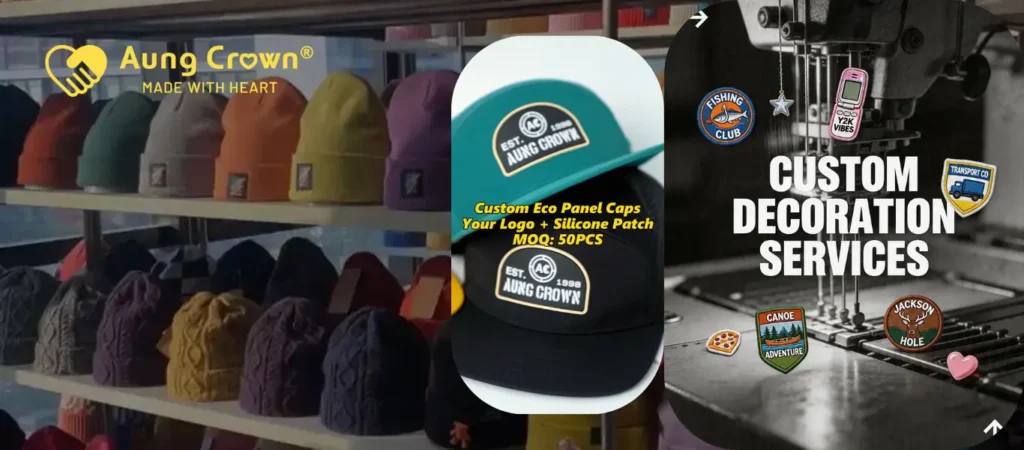
Not a “Small but Beautiful” Niche, but a Multi-Billion-Dollar Growth Track
From outdoor hiking to daily wear, from brand marketing and fan culture, headwear is turning the mainstream from a side accessory.
The data can explain this trend. According to QYResearch statistics, the 2025 global hat market sales reached approximately RMB 76.1 billion, and it’s predicted that the global hat market sales will reach RMB 96.85 billion in 2032, with a compound annual growth rate of 3.6%. If the statistic range expands to the whole headwear market, the 2025 global headwear market scale is approximately $24.2 billion, and it’s predicted to reach $37.1 billion in 2034, with a compound growth rate of 4.69%. It’s the same in the domestic market; China’s hat market sales reached RMB 58 billion in 2024, reached RMB 62 billion in 2025, steadily expanding at a CAGR of approximately 6.8%, and is expected to surpass RMB 85 billion by 2030.
Even more telling are export figures. In the first quarter of 2026 (January – March), China’s hat exports reached 3.378 billion units, a year-on-year increase of 9.6%. Behind the annual global turnover of over 30 billion hats lies value creation worth tens of billions of dollars.
What does it mean?
For downstream brands, wholesalers, and cross‑border e‑commerce sellers, this means a market track that is still growing rapidly and far from reaching its ceiling. For custom hat manufacturers, it means a fragmentation and personalization of demand – behind every custom hat lies a real brand story, a sense of community identity, or an expression of a lifestyle.
Industry Reflections Inspired by the Article
The Changing Perception of Hat Functionality Over Time
That outdoor hat article meticulously listed the applicable scenarios and material choices for different hat styles, such as wide‑brim hats, sun hats, knit beanies, trapper hats, and more. It also emphasized that “choosing a good hat can not only make your outdoor adventures more enjoyable but also protect your head.”
As a custom manufacturer of hats and apparel, we note that there is a vital change in the hat industry – consumers’ perception of hats’ functionality is shifting from passive protection to active choice.
In the past, people bought sun hats for beach outings. Nowadays, sun protection is the basic demand for urban workers on summer outings. In the past, warm hats were an essential demand in the northern winter. Nowadays, woolen hats and bucket hats are fashionable pieces in all seasons. This phenomenon aligns with the transformation of market demand structure – consumers are no longer satisfied with buying off‑the‑shelf products; instead, they seek unique, personalized accessories through customization, with DIY custom products showing particularly remarkable growth.
The original article emphasized the application scenarios and technical thresholds of high‑end waterproof and breathable materials such as GORE‑TEX. However, from our factory’s perspective, what deserves even more attention is that functions such as “quick‑dry,” “UV protection,” and “antibacterial” are no longer exclusive to high‑end outdoor gear – they are becoming basic standards for hat products. Consumer expectations for hats have evolved from “usable” to “comfortable to wear, good‑looking, and tech‑enhanced.”
The 3 Cores of the Hat Industry Changing
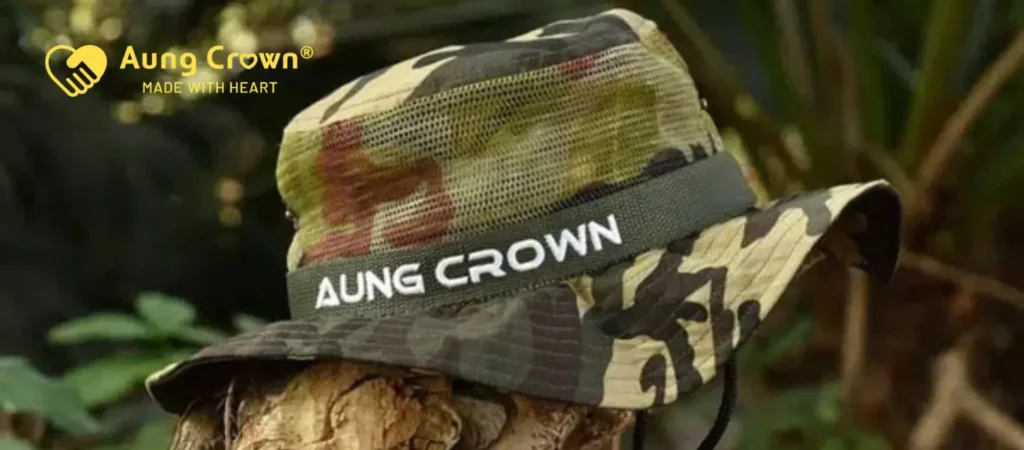
The 3 cores of the hat industry are changing from a custom manufacturer of hats and apparel – Aung Crown.
From Mass OEM to Flexible Customization – A Fundamental Shift in B2B Collaboration Models
The traditional hat OEM model was built on large volumes and low costs as its core competitive advantages. Many Chinese hat factories primarily produce for internationally renowned brands or foreign trade companies. In 2024, the combined market share of the top ten global manufacturers was less than 15%, reflecting a low level of market concentration and a fairly fragmented competitive landscape.
However, the rules of the game are changing. Brands and buyers today are increasingly unsatisfied with simple “label-swapping” partnerships. What they need are supply chain partners capable of deep collaboration.
- Small batch, quick turnaround – minimum order quantity of 50 pieces, sample delivery within one week
- Multi‑SKU management – the same brand may need different categories simultaneously, such as baseball caps, bucket hats, berets, knit beanies, etc.
- Flexible sampling – able to work from images, physical samples, or even just a concept
- Process coordination – flexible combination of multiple techniques such as embroidery, printing, embossing, beading, and more.
Factories with the capability for “small‑batch, quick‑turnaround” production are increasingly favored by emerging brands. By establishing a model that runs standardized production lines alongside agile small‑batch lines, they can ensure both the stable delivery of large‑volume orders and the rapid response needed for small‑batch orders. This has been the core direction of our transformation in recent years.
From “Functional Accessory” to “Lifestyle Staple” – A Leap in Product Positioning
Market data from 2025 confirms this trend: in the outdoor sports and functional product categories, demand for performance fabrics offering sun protection, quick‑drying, warmth retention, and wind resistance continues to grow, thereby enhancing product added value. Beyond the professional realm, an even greater shift is occurring in the everyday consumer market – bucket hats are in strong demand among Gen Z, with their popularity significantly amplified by social media seeding; the sun protection hat sub‑category is growing at an annual rate of over 25%.
To put it more directly: hats are undergoing a positioning upgrade from “clothing accessory” to “independent consumer category.”
For downstream buyers and brands, this means adjusting your product selection logic – hats should no longer be treated as an afterthought, but planned as core SKUs capable of driving performance on their own.
From “Rough Processing” to “Technology‑Driven Manufacturing” – The Cost Structure of Production Is Being Rewritten
For a long time, the hat industry was considered labor‑intensive. However, with the introduction of automation and intelligent technologies, efficiency in processes such as material cutting, sewing, and packaging has greatly improved, and automated equipment has reduced reliance on manual labor.
At the same time, fluctuations in upstream raw material costs are introducing new variables into production costs:
- From July 2025 to January 2026, wool prices rose 39.7% year‑on‑year. Tight supply of high‑end raw materials, combined with recovering demand, pushed costs higher.
- Polyester filament (POY) prices have steadily recovered from their lows to the range of RMB 1,300–1,500 per ton. Nylon prices have stabilized and still have room for catch‑up gains.
For custom hat manufacturers, this means that order pricing needs to be more precise, and a diversified raw material supply network must be established to hedge against price risks.
3 Suggestions for B2B Clients
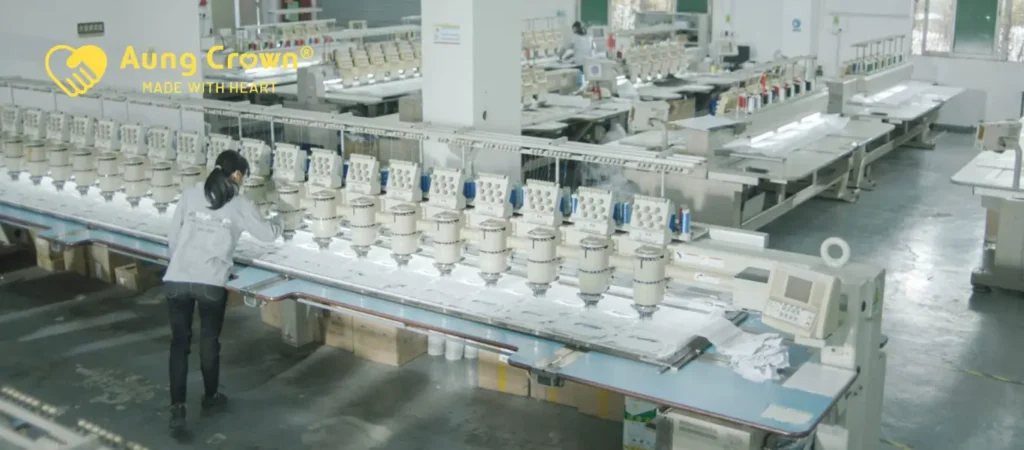
Based on our ongoing observations of the industry, here are a few suggestions for brands, wholesalers, and cross‑border e‑commerce sellers looking for a hat customization partner:
1. Choose a partner with full‑category production capabilities, rather than a “single‑type hat factory.”
The reason is simple: a brand’s hat needs are often diverse. A single brand may need baseball caps (everyday styles), bucket hats (seasonal bestsellers), knit beanies (winter styles), and berets (trendy lines) all at once. If you have to work with a different supplier for each category, your communication costs, quality control costs, and delivery risks will all rise significantly.
2. Treat the sample confirmation stage as a quality rehearsal.
For custom orders, the sample is a quality preview of the final mass‑produced product. Before placing a formal order, we recommend clarifying the number of sampling rounds, the associated costs, and the revision mechanism, which can ensure that the factory’s production capabilities fully match the brand’s design requirements.
3. Pay attention to the factory’s export qualifications and audit standards.
This is especially critical if your target market is overseas. The European and American markets are focusing more on carbon footprint tracking requirements, and sustainable certifications are increasingly becoming a passport to mainstream distribution channels. A factory that has passed international audits (such as ISO 9001, BSI) can provide a better guarantee for customs clearance and channel access down the line.
3 FAQs About Custom Hats
FAQ1: What’s the minimum order quantity (MOQ) for custom hats? Can small brands or startups do it?
Answer: Yes, of course. This is precisely the core advantage that sets custom hat production apart from traditional OEM. Conventional export-oriented factories typically require MOQs in the thousands or even tens of thousands of units. Under the flexible customization model, however, the minimum order quantity can be as low as dozens or a hundred pieces. For brands in their early stages or for market‑testing projects, we generally recommend starting with a small batch and gradually scaling up once market feedback becomes clear. The key is to communicate your order size and delivery schedule with the factory in advance, so that the supply chain aligns with the brand’s actual stage of development.
FAQ 2: How long does it take from sampling to mass production for a custom hat?
Answer: Looking at it in stages: the sampling stage typically takes 7–15 working days, depending on the complexity of the design – custom embroidery, special shapes, or functional fabrics (e.g., waterproof coatings, UV treatment) will add some time. After sample confirmation, mass production usually takes 15–30 days, depending on order volume. For urgent reorders, if the factory has flexible production capabilities, rush orders can be delivered in 7–10 working days. It is worth noting that during peak seasons (around the New Year, Halloween, Thanksgiving, Black Friday, and Christmas stocking periods), production schedules are tight, so we recommend starting the collaboration process at least 45 days in advance.
FAQ3: How is the cost of custom hats structured? How much more expensive are they compared to ready‑made hats?
The cost of a custom hat is made up of four core components: material costs, processing fees, customization process costs, and logistics/packaging. Compared to mass‑produced ready‑made hats, the premium for customization comes mainly from two areas: first, the one‑time pattern development and sampling fee (ranging from a few hundred to several thousand RMB depending on design complexity); second, the customization process costs – techniques such as multi‑color embroidery, heat transfer, laser engraving, etc., are charged according to the number of steps and complexity. Overall, under comparable quality and fabric conditions, the per‑unit cost of a custom hat is roughly 20–50% higher than that of a non‑custom product. This is a necessary investment in exchange for brand exclusivity and differentiation. One way to control costs is to choose the factory’s existing, proven hat shapes for customization (rather than developing a completely new pattern from scratch), and concentrate custom details on key elements – such as a refined embroidered brand logo – while keeping the rest of the production standardized.
Conclusion: Finding Certainty Amid Change
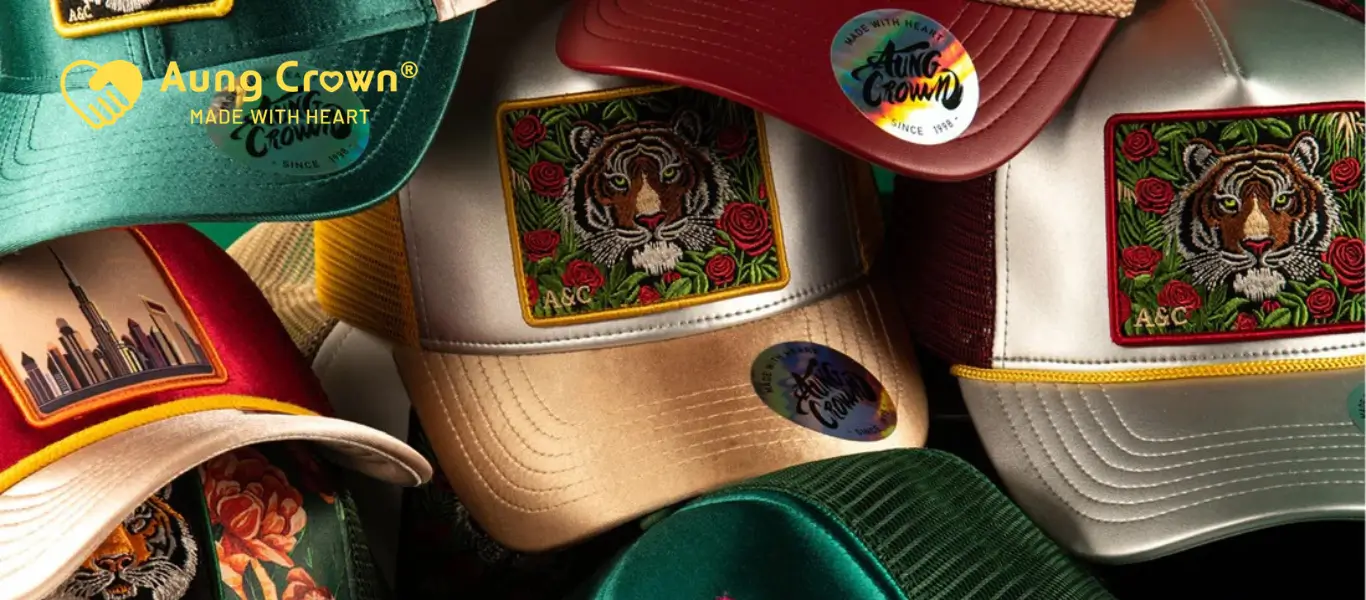
The hat industry is undergoing profound transformation. The extension from outdoor functionality to lifestyle consumption, the upgrade from rough processing to technology‑driven manufacturing, and the shift from mass OEM to flexible customization – these trends bring challenges, but they also create unprecedented opportunities for forward‑looking manufacturers and brands.
As a custom hat manufacturer with years of experience in this industry, our core belief is this: no matter how the market changes, the fundamental logic of quality, delivery, and service will remain constant. We look forward to building long‑term partnerships with brands and buyers who value product excellence, and to exploring more meaningful possibilities together in this continuously growing market.
Disclaimer: This article is based on publicly available industry data and our professional experience since 1998. It is intended for industry exchange only and does not constitute investment advice. Data referenced from public reports by QYResearch, China Commercial Industry Research Institute, Grand View Research, and China Customs statistical information.

Having studied in the U.S., I now lead the global digital operations at Aung Crown. My passion lies in blending fashion trends and musical inspiration into the B2B landscape, allowing me to share the unique craftsmanship of Chinese hat-making with a global audience.