Having worked in the hat factory for many years, I’ve noticed that many people believe:

Expensive = high-end
Cheap = low-end
But those who truly understand hats can usually judge a hat’s level simply by:
- touching it
- wearing it
- turning it inside out
- examining the details
A hat’s quality is never determined by price alone.
What truly defines a hat is the combination of:
- fabric
- design
- craftsmanship
- detailing
- structural stability
- supply chain capability
Today, let’s break down the real differences between low-end, mid-range, and high-end hats.
Low-End Hats: Competing on Price
The core of low-end hats is simple:
Cost control comes first.
The priority is usually not user experience, but producing hats as quickly and cheaply as possible.
This often results in:
- Thin fabric
- Hat shapes that collapse easily
- Rough embroidery
- Deformation after long-term wear
- Inconsistent quality within the same production batch
The key focus is not:
“Can it be made well?”
but rather:
“Can it be made fast?”
These hats are commonly used for:
- promotional giveaways
- livestream sales
- low-price retail campaigns
Mid-Range Hats: Competing on Balance
Mid-range hats occupy the largest share of the market because they begin balancing:
- aesthetics
- comfort
- price
- production stability
At this level, manufacturers start paying more attention to the actual wearing experience.
Key details include:
✔ Hat depth
✔ Face-shape enhancement
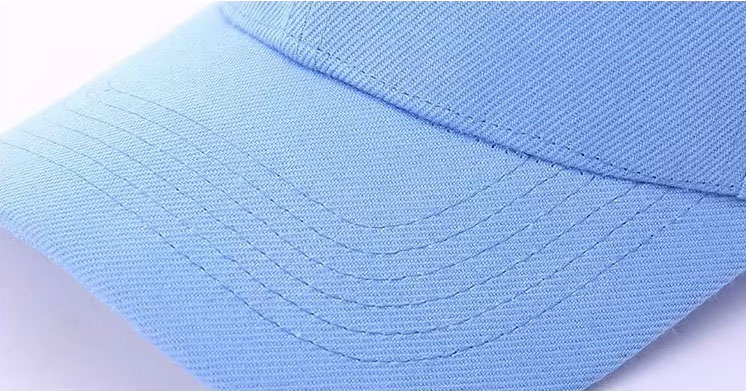
✔ Brim curvature
✔ Head circumference fit
✔ Fabric texture and feel
Some hats naturally make the face appear smaller, and much of that effect comes from the cut and structure.
Mid-range hats also begin incorporating:
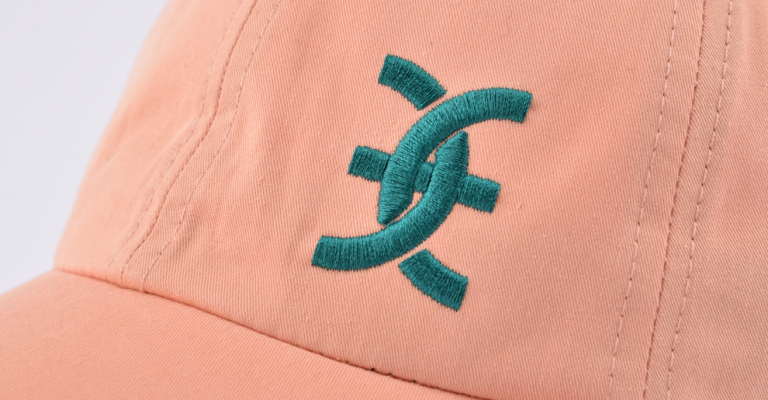
- 3D embroidery
- functional fabrics
- washed finishes
- more stable stitching quality
At this stage, the question is no longer:
“Can it be produced?”
Instead, it becomes:
“Can it be produced consistently well?”
High-End Hats: Competing on the Entire System
High-end hats are definitely not just about adding a logo.
Many people assume luxury hats are simply ordinary hats sold at a premium price because of branding.
But the truly expensive parts are often invisible to consumers.
1. Pattern & Shape Development
Some hats:
✔ remain comfortable after hours of wear
✔ look refined from every angle
✔ flatter the face exceptionally well
This level of refinement usually comes from repeated pattern adjustments and extensive development.
A factory may revise:
- crown proportions
- panel structure
- brim curvature
- fit balance
dozens of times before finalizing one design.
2. Advanced Fabric Supply Chain
High-end hats often use:
✔ custom-woven fabrics
✔ special dyeing and finishing techniques
✔ functional composite materials
✔ imported premium fabrics
Some materials are not simply available for purchase on the open market.
Even with money, certain fabrics remain inaccessible without strong supply chain relationships and manufacturing resources.
3. Stable Quality Control
The hardest part of making a truly high-end hat is not producing one excellent sample.
The real challenge is maintaining the same standard across 10,000 hats.
That includes consistency in:
- color
- sizing
- shape
- embroidery
- stitching
- structural form
This is where a high-end supply chain truly demonstrates its value.
The Most Obvious Signs of low-quality hats
Many low-quality hats immediately feel cheap once you handle them.
Common problems include:
- floppy brims
- bulging front panels
- blurry embroidery
- rough edging
- messy stitching
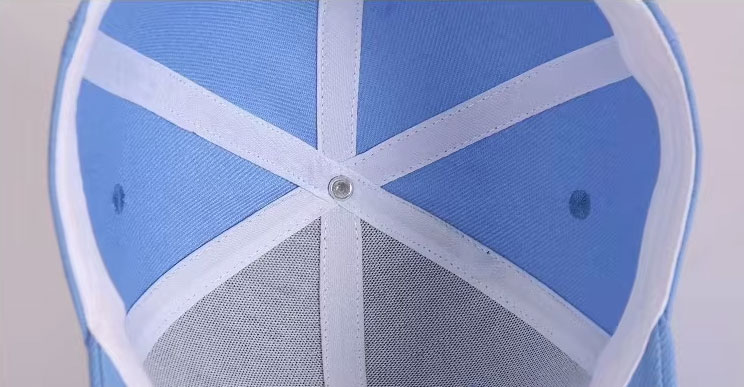
Ironically, truly high-quality hats often reveal their craftsmanship only after you turn them inside out.
That’s where the finer details become visible.
Final Thoughts from Aung Crown
Low-end hats compete on price.
Mid-range hats compete on balance.
High-end hats compete on the entire system.
The real difference is never just one feature.
It’s the ability to consistently maintain high standards across every detail — from design and material sourcing to production and final quality control.
I have over 25 years of experience in hat and apparel manufacturing. With a steady and detail-oriented approach, I oversee factory production and team operations, ensuring reliable quality and on-time delivery for customers worldwide