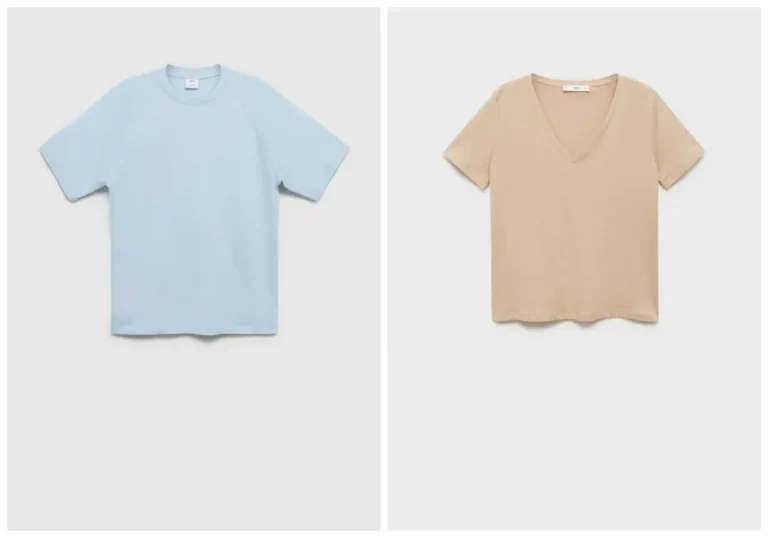
In the world of high-quality garment manufacturing, staying ahead of fabric trends is key to delivering value. Today, we’re diving into one of our most requested materials: Spacer Fabric, popularly known as Air Layer.
Whether you are designing premium hoodies or structured headwear, understanding this “3D” wonder is a must.

What is Spacer Fabric (Air Layer)?
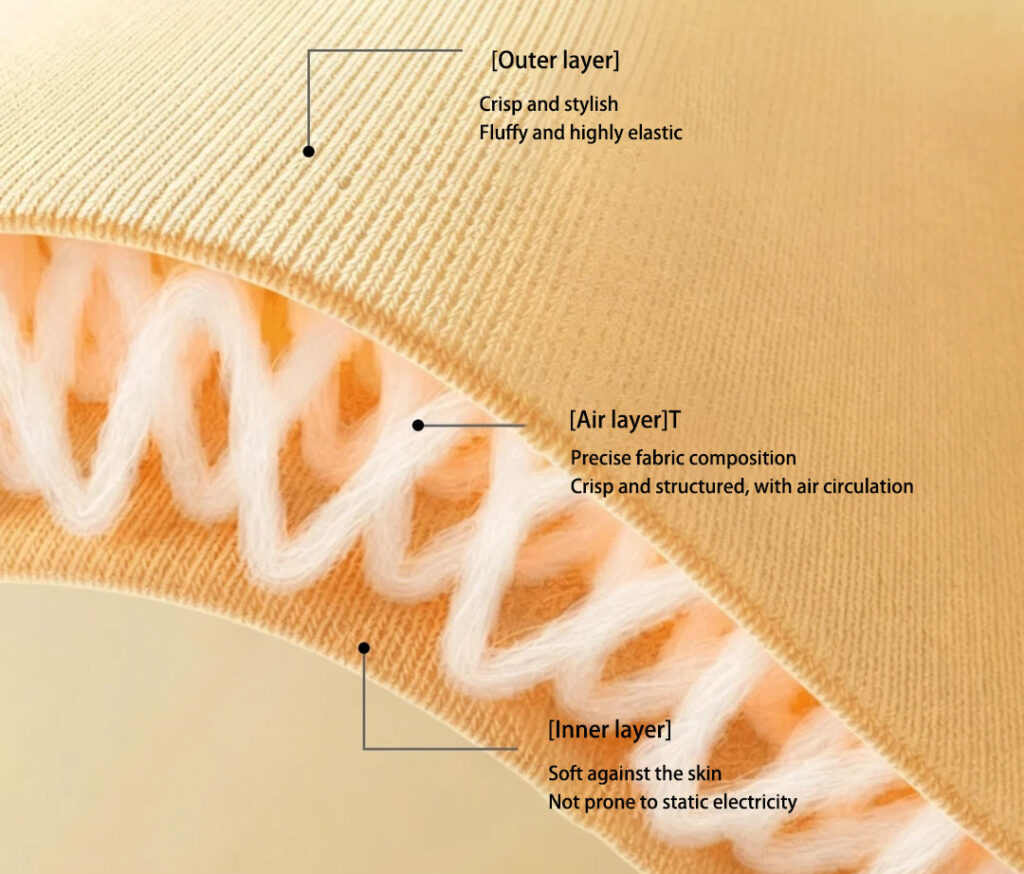
Unlike traditional fabrics that rely on heavy padding for warmth, Spacer fabric is a three-layer integrated knit. It utilizes a unique 3D sandwich structure:
- Top Layer: Usually high-combed cotton blends for a clean, anti-pilling finish.
- Connecting Layer: A specialized monofilament (often polyester/spandex) that creates a “spring-like” air gap.
- Bottom Layer: Soft, skin-friendly yarns that eliminate the “scratchy” feel common in basic fleece.
What are the advantages and disadvantages of air-layer fabrics?
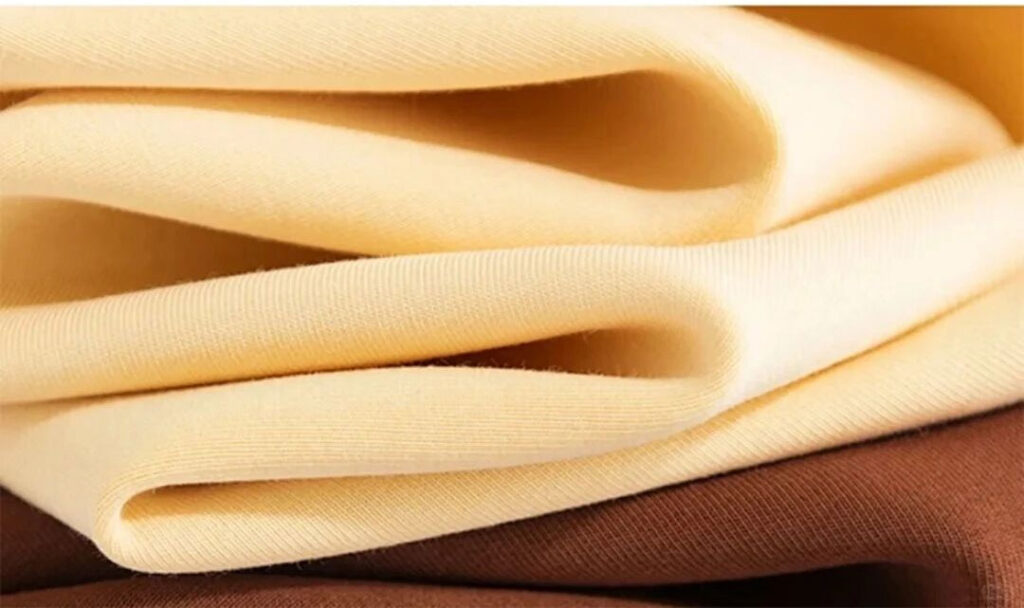
advantages:
- The cold-proof and warmth-keeping effect of air-layer fabric is particularly obvious. According to the structural design, the fabric is constructed with three layers of textiles: inner, middle and outer. This creates air gaps in the fabric. The middle layer uses a fluffy and stretchy filling yarn to create a stationary air layer, which has the best cold-proof and warmth-keeping effect.
- Air layer fabric is not prone to wrinkles and has strong moisture/(water) sweat absorption – this is also the unique feature of the three-layer structure of air layer fabric. The middle gap is large and the surface is made of pure cotton fabric, so it has the function of absorbing and retaining moisture.
- It has good stretchability and a fluffy feel because the warp and weft yarns of the air layer fabric are woven using a woven method, which makes the garment more stretchy than the knitted fabric.
- Fewer defects: The air-layer fabric uses a three-piece textile structure (inner, middle, and outer), resulting in fewer defects compared to garments made from single-piece fabrics.
shortcomings:
- Because the surface of the air layer fabric is made of pure cotton, it is easy for small dust particles to stick to it.
- Wrinkles in fabric are difficult to remove.
- Based on the characteristics of air-layer fabrics, their application range is relatively small, and the fabrics are relatively thick and heavy.
There are two main ways to make air layer fabric:
- Chemical treatment method: Soak fabrics like cotton in a chemical solution. This makes lots of tiny fibers on the surface, which then form a thin air layer.
- Stitching method: Sew two different fabrics together. The space between them is also called the air layer.
Why Brands Love It: The Technical Edge
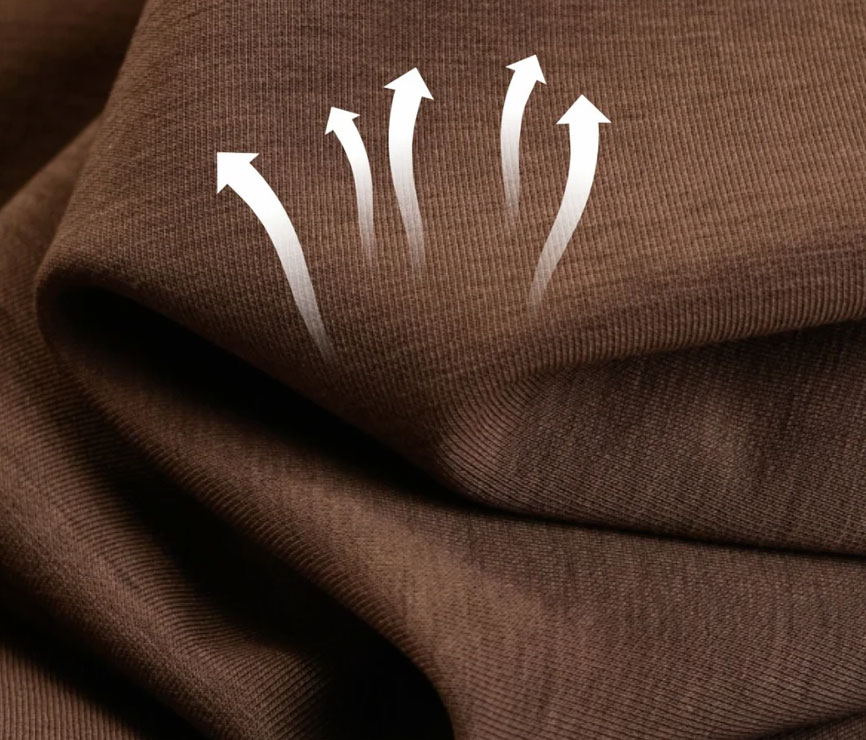
Why has this material moved from high-end tech-wear to everyday fashion? Here are its core advantages:
| Feature | Technical Benefit | User Experience |
| Thermal Insulation | The air gap traps heat effectively without adding weight. | Warmth without the Bulk. Slim, sleek silhouettes. |
| 3D Breathability | Natural air channels allow moisture and heat to escape. | Fresh, Not Sweaty. Perfect for multi-season wear. |
| Shape Retention | The structural “scaffolding” provides high resilience. | Anti-Wrinkle & Sharp. Doesn’t lose shape after washing. |
| Durability | High-density knitting reduces pilling and static. | Low Maintenance. Easy to wash and stays looking new. |
Technical Specifications for Sourcing
When selecting Spacer fabric for your next collection, consider these standard parameters:
- Composition: Common blends include Cotton/Polyester/Spandex or Rayon/Poly/Spandex.
- Weight: Typically ranges from 240 GSM to 420 GSM. (For structured caps or heavy hoodies, 320+ GSM is recommended).
- Shrinkage: High-quality Spacer fabric should maintain a shrinkage rate within ±3%.
- Color Fastness: Generally achieves Grade 4 or above.
Best Applications
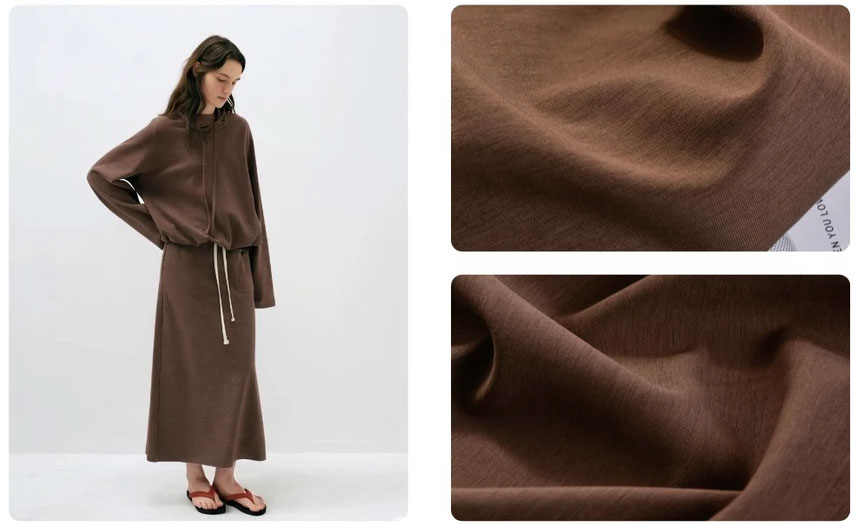
- Premium Streetwear: Boxy hoodies, baseball jackets, and jogger sets.
- Kids’ Wear: Ideal for children’s activewear due to its softness and “toughness.”
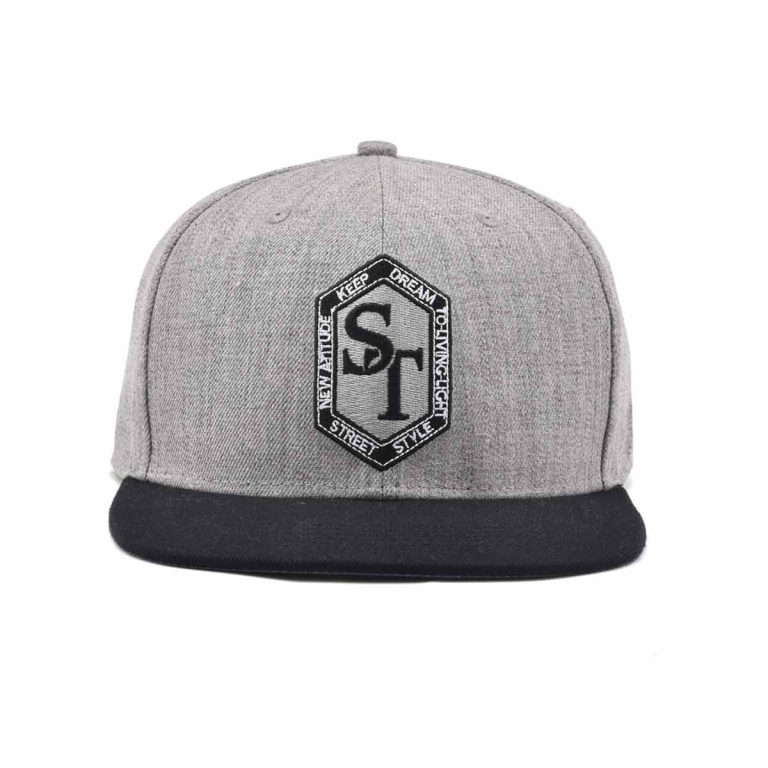
- Headwear: Perfect for structured “trucker” or “dad” hats that need to hold their shape without stiff inserts.
Partner with a Specialist
At our factory, we don’t just sew garments; we understand the science of the materials we use. With over 20 years of experience in manufacturing, we can help you customize hats and clothes with the perfect weight and blend of Spacer fabric for your brand.
Ready to start your next project? Contact our team for your samples today.

I have over 25 years of experience in hat and apparel manufacturing. With a steady and detail-oriented approach, I oversee factory production and team operations, ensuring reliable quality and on-time delivery for customers worldwide