For many hat manufacturers, the U.S. market is attractive because of its large demand and stable repeat orders. But compared with some other countries, American customers usually pay much more attention to compliance, labeling, and product consistency.
After years of making custom hats for export, we have learned that the U.S. market is not difficult — but the rules must be followed carefully. Small details often decide whether an order goes smoothly or turns into a problem at the port.
1. Product Safety Testing Is the First Thing to Watch
The easiest place to make mistakes is product testing.
The United States has strict requirements for consumer products, especially for hats with accessories such as metal buckles, studs, chains, rhinestones, or printed decorations. Lead content is one of the most important checks. In many cases, lead content must be below 100 ppm to meet U.S. safety standards.
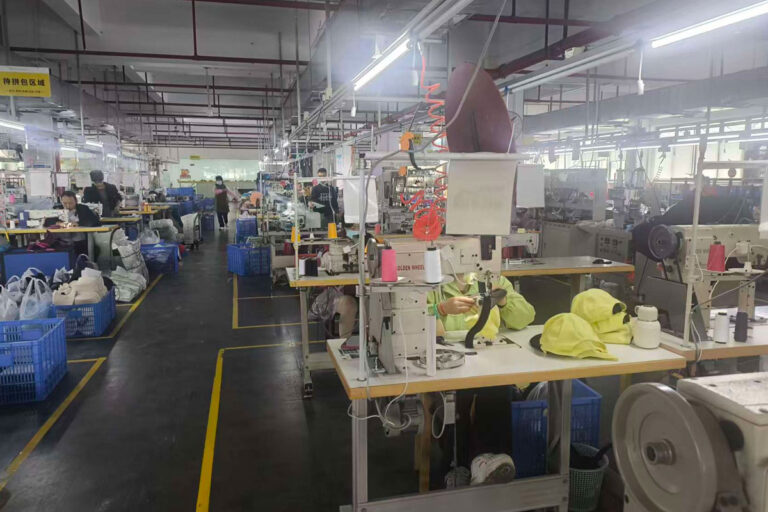
Because of this, our factory has a simple rule: every accessory supplier must provide testing reports before production starts. After the materials arrive, we still randomly recheck around 10% of the accessories ourselves.
It is always better to discover problems before shipment rather than have goods stopped at the port.
For children’s hats, the requirements are even stricter. Some products may need to comply with regulations from the U.S. Consumer Product Safety Commission (CPSC), including CPSIA requirements for children’s products. If the hat is intended for kids, factories should confirm testing standards with the buyer in advance.
2. Never Ignore Labeling Requirements
Some factories try to save time on labels, but this often creates unnecessary risk.
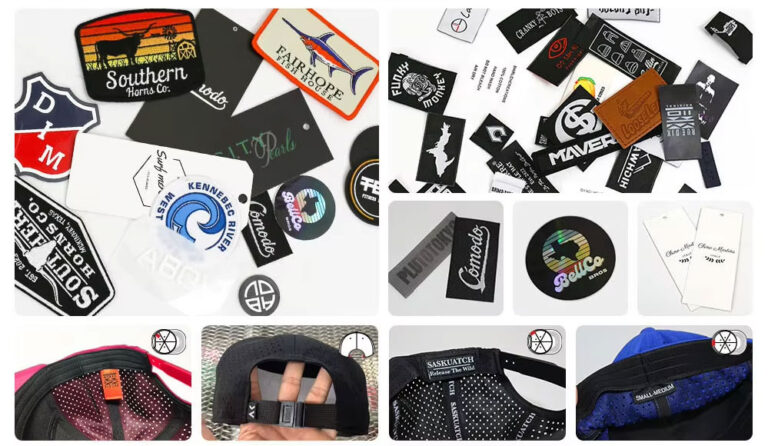
For hats exported to the United States, the country of origin must be clearly shown. “Made in China” should be printed or sewn in a visible location. Hidden labels or unclear markings can easily create customs issues.
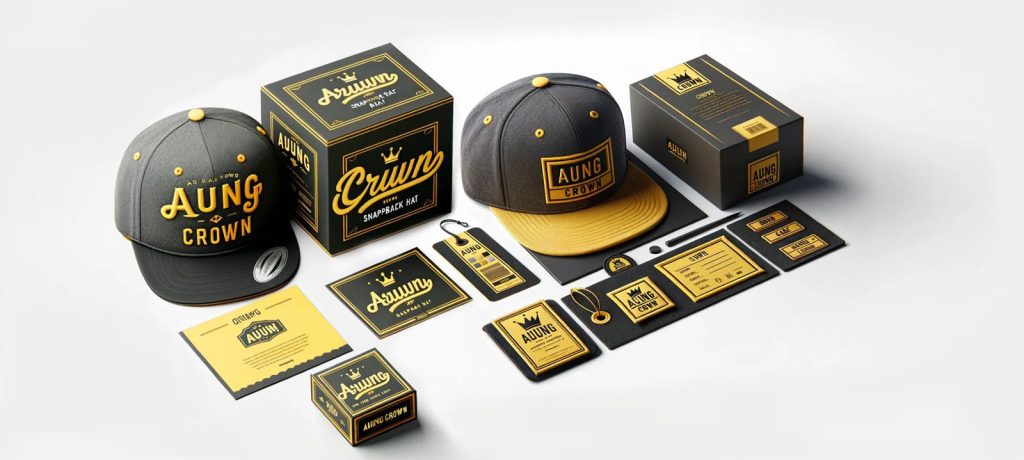
Fiber content should also be accurate and specific. For example:
- 80% Cotton 20% Polyester
- 100% Acrylic
- 65% Polyester 35% Cotton
Avoid vague descriptions like “cotton blend” or “mixed fabric.” American buyers usually expect exact material percentages.
Care labels are also important. Many importers will request washing instructions, production batch numbers, or RN numbers depending on the sales channel and brand requirements.
3. Washed and Distressed Styles Need Extra Confirmation
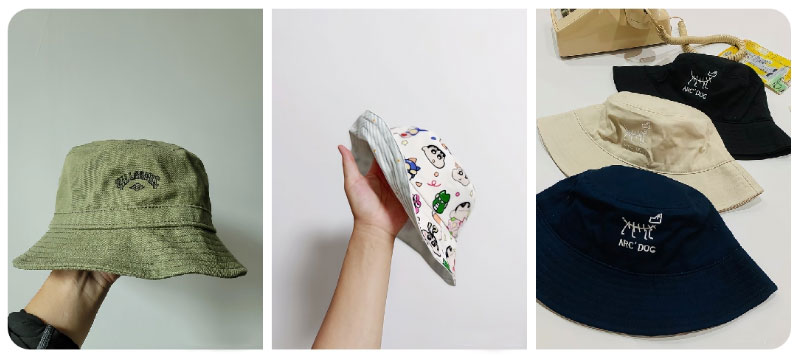
Vintage wash, distressed edges, frayed holes, and faded colors are very popular in the U.S. market. But these styles also create the most misunderstandings during production.
American customers are often very specific about details such as:
- Distressed edge length cannot exceed 0.5 cm
- Color fading level after washing
- Fabric softness after enzyme wash
- Shrinkage rate after washing must stay below 3%
The problem is that “light wash” or “slightly distressed” means different things to different people.
To avoid disputes, we usually make three sample versions with different distress levels before mass production. Then we send them to the customer for confirmation. Many buyers will even take comparison photos under natural light before approving the final version.
This extra step saves a lot of trouble later.
4. Packaging Matters More Than Many People Think
When shipping large quantities to the United States, especially by sea freight, packaging quality becomes extremely important.
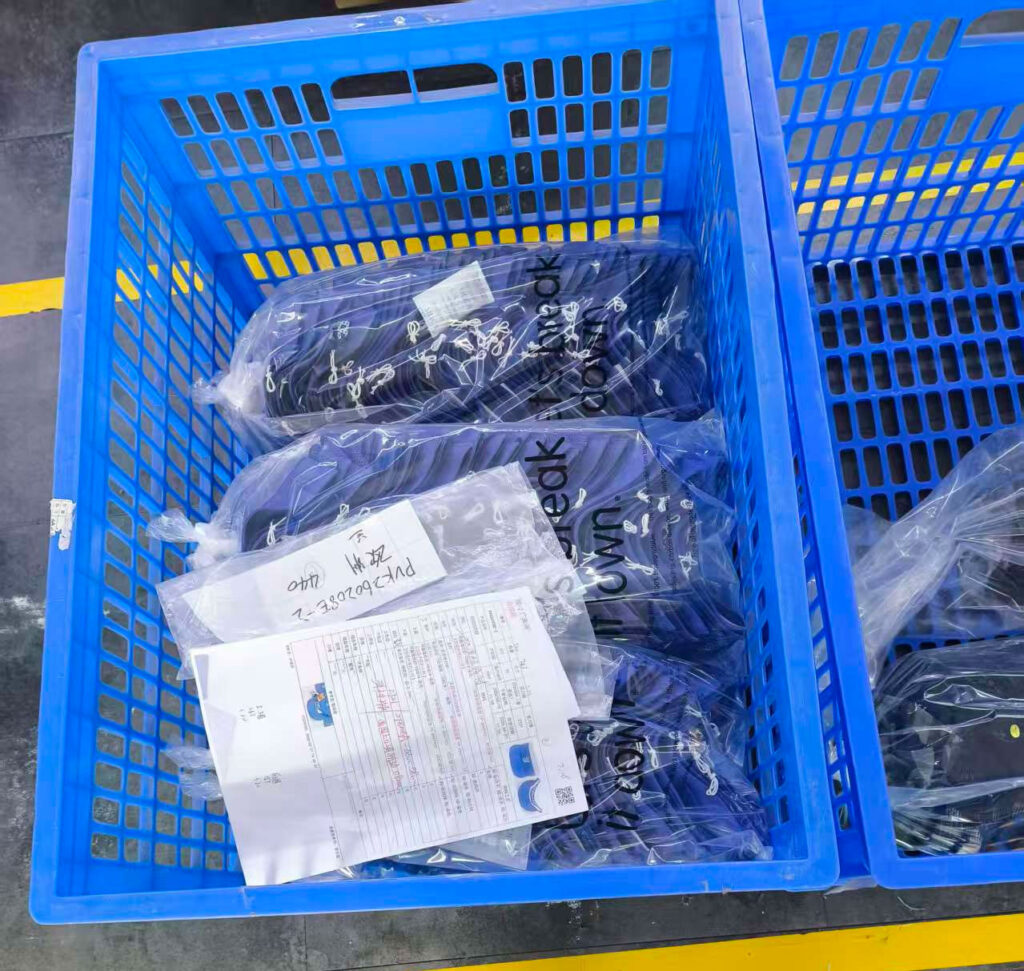
American port handling can be rough during loading and unloading. Weak cartons often lead to damaged hat shapes before the goods even reach the warehouse.
Our standard export packaging now includes:
- Five-layer corrugated cartons
- Hard cardboard inserts inside the crown or brim
- Moisture protection bags when needed
- Maximum carton weight under 20 kg
We once had a shipment where around 10% of the hats arrived with collapsed shapes because the packaging was too weak. The customer did not request compensation, but their repeat order volume later dropped significantly. That experience taught us that packaging is not a small detail.
5. Good Communication Helps Build Long-Term Orders
In our experience, customers who pay quickly are often the ones with the strictest requirements. That is why communication during production is extremely important.
Now, when we prepare samples, we usually include:
- Material testing reports
- Label samples
- Embroidery or printing details
- Packaging photos
- Size specifications
During bulk production, we also send regular progress videos and photos to customers.
American buyers care a lot about consistency. Once trust is established, repeat orders are usually very stable.
Expert View from Aung Crown
Exporting custom hats to the United States is not simply about making products that look good. Compliance, labeling, workmanship, packaging, and communication all matter equally.
The U.S. market is actually very reliable for factories that pay attention to details. If the rules are followed carefully and quality stays consistent, long-term cooperation becomes much easier.
Different countries also have very different sourcing habits and quality expectations. Which export markets do you mainly work with? We would be happy to exchange experiences together.

I have over 25 years of experience in hat and apparel manufacturing. With a steady and detail-oriented approach, I oversee factory production and team operations, ensuring reliable quality and on-time delivery for customers worldwide