Introduction
Having worked in Garment Industry for so many years, have you ever encountered this scenario: after receiving a large shipment, a customer sends a photo showing that the fabric color is significantly different from the confirmed sample, or simply says “this is not acceptable,” leading to endless rework, restocking, and financial losses.
The dyeing and printing process is the most problematic stage in textile production, bar none. Color difference, shrinkage, and substandard color fastness account for almost half of all textile quality complaints. But frankly, most of these problems are not due to technical limitations, but rather to inadequate management and communication.
This article breaks down the key control points of the entire dyeing and printing process from a technological perspective, compiling the experience that “veteran workers know very well but no one has documented.” Whether you are a salesperson in the fabric export business or a newcomer to the industry, you should read it carefully.
Color difference: The number one enemy of the printing and dyeing industry
Color difference issues consistently result in high complaint rates in the textile export industry. Customers place orders using Pantone color codes, but the finished products often turn out differently. What’s the problem?
1. Light source issues – the most common “wrongful conviction”
The same fabric can appear completely different under D65 light (daylight) and under household incandescent light. This is what the textile industry calls “metamerism.” Many color difference disputes stem from inconsistencies in the light source standards used by customers and factories.
The solution is straightforward: clearly specify the color matching light source in the contract or work order. Commonly used standard light sources include D65 (daylight), TL84 (European shop fluorescent lamps), CWF (American shop fluorescent lamps), and UV (ultraviolet light). It is recommended to use at least two light sources for color matching to ensure that the “light skipping” phenomenon is within an acceptable range.
2. Batch color difference – the eternal contradiction between bulk orders and samples
Sampling is done on a small sample machine in the laboratory, while mass production is done in a dyeing vat. The liquor ratio, heating curve, water volume, and fabric load capacity are completely different for the two processes, so color deviation is almost inevitable.
The industry practice is to first make a small sample to confirm the color direction, then make a pilot sample to adjust the process parameters, and finally scale up to the mass production. However, many factories skip the pilot sample stage and go directly to the mass production stage in order to meet delivery deadlines, resulting in the color of the mass-produced goods not matching the confirmed sample.
3. Cylinder-to-Cylinder Variation – Inconsistent Color within One Lot
Color differences can exist between different dyeing vats and at different locations within the same vat. Methods to control vat-to-vat color variations include: using the same batch of pre-treated fabric for the same order whenever possible; ensuring consistency of process parameters between dyeing vats; and shipping in batches by vat number after bulk production for easy customer cutting.
Shrinkage Rate: The “Hidden Indicator” Most Concerning to Customers
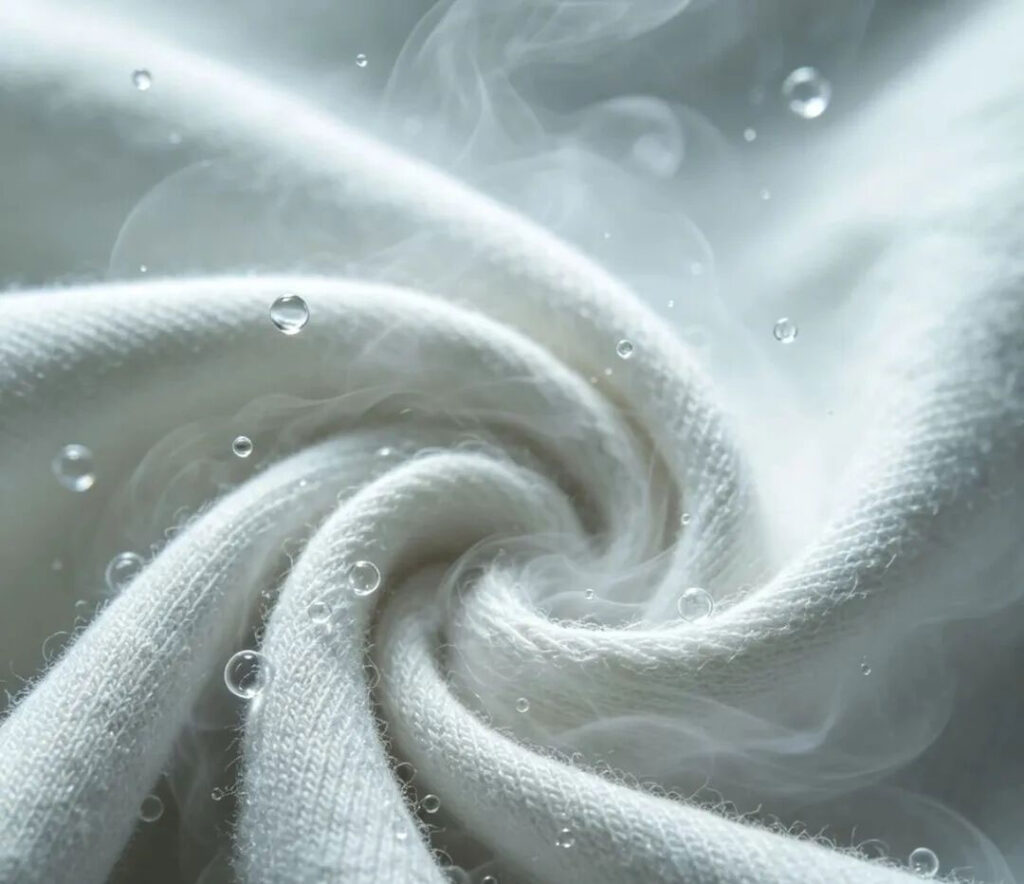
Many customers have a relatively high tolerance for color differences—a slight deviation is acceptable. However, their tolerance for shrinkage is almost zero. This is especially true for customers in the home textile and apparel industries, where fabric shrinkage leads to inconsistent finished product dimensions, directly impacting the end-consumer’s user experience.
Different fibers have very different shrinkage properties:
Cotton fabrics: one of the natural fibers with the highest shrinkage rate. The warp shrinkage rate of ordinary cotton fabric is generally 3%-5%, and if no pre-shrinking treatment is performed, the shrinkage after the first wash may reach more than 8%.
Polyester fabrics: The shrinkage rate of polyester is relatively low among synthetic fibers, generally controlled at 1%-3%. However, the shrinkage rate of polyester blended fabrics depends on the blending ratio and finishing process.
Viscose/Tencel/Modal: Regenerated cellulose fibers typically have a higher shrinkage rate than cotton, especially in terms of dimensional stability when wet. These fabrics require special attention to pre-shrinking treatment for export.
Linen fabrics: Flax and ramie have a high shrinkage rate and are prone to wrinkling. For linen products exported to Europe and America, shrinkage rate and wrinkle resistance are key concerns for customers.
Key processes for controlling shrinkage rate:
Sanforizing: This is the most effective way to control the shrinkage rate of woven fabrics. Through mechanical pre-shrinking, the warp shrinkage rate of cotton fabrics can be reduced from over 5% to 1%-2%. However, pre-shrinking increases costs, by approximately 0.5-1 RMB per meter.
Heat Setting: Synthetic fiber fabrics such as polyester are stabilized in size through high-temperature heat setting. The control of heat setting temperature and time directly affects shrinkage rate and hand feel.
Resin finishing: Resin finishing of cotton fabrics can significantly reduce shrinkage and improve wrinkle resistance. However, it is important to ensure that the formaldehyde content meets the environmental standards of the target market—the EU REACH regulation and OEKO-TEX Standard 100 have strict limits on formaldehyde content.
Color Fastness: The key factor determining the durability of a fabric
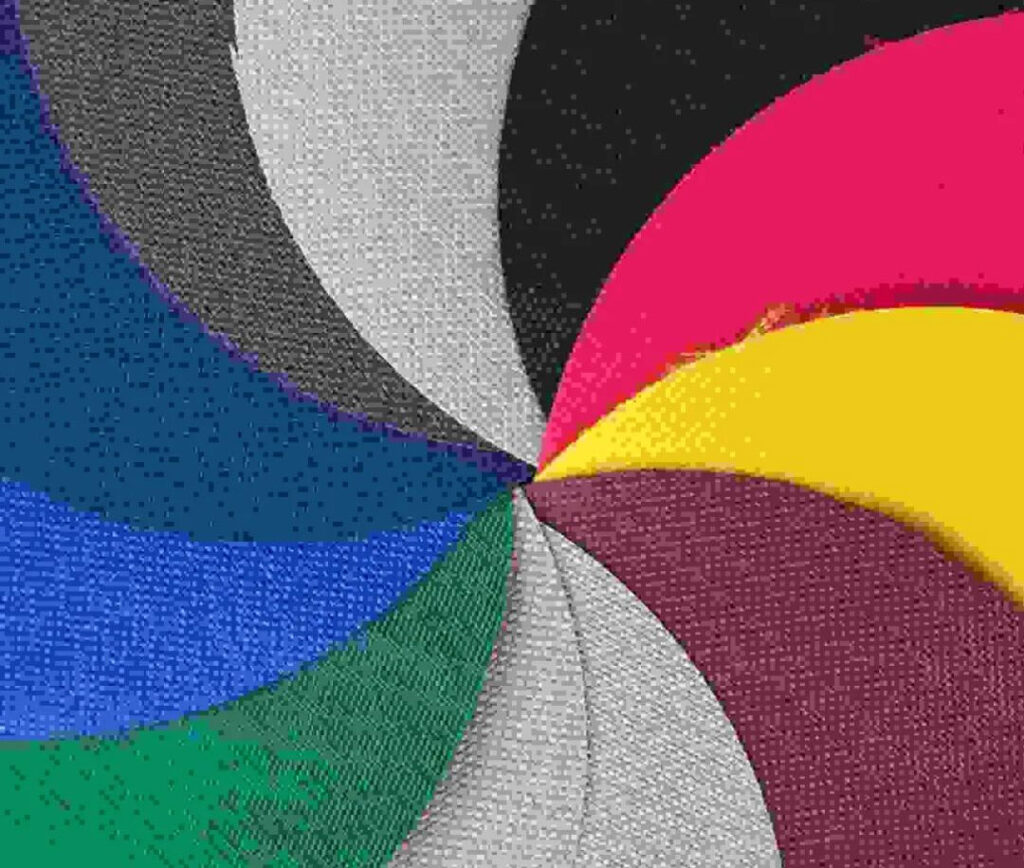
Colorfastness refers to the ability of a fabric to retain its color under various external forces. Common colorfastness indicators include:
1. Wash Fastness
The ability of a fabric to retain its color after repeated washing. This is a mandatory test item for customers when making home textiles and clothing fabrics. Generally speaking, cotton fabrics are required to achieve a wash fastness of level 4 (Grey Card rating, 1-5, level 5 is the best), while polyester can achieve levels 4-5.
2. Color fastness to rubbing (Crocking Fastness)
There are two types: dry rubbing and wet rubbing. Wet rubbing color fastness is the easiest indicator to fail to meet, especially for dark-colored cotton fabrics. Anyone who has done orders exported to Japan knows that Japanese customers have extremely strict requirements for wet rubbing color fastness, usually requiring a grade of 3 or higher.
Methods to improve wet rubbing color fastness include: using high-quality reactive dyes; strengthening the soaping process to fully remove loose dye; and using a special color-fixing agent for finishing.
3. Light Fastness
The fabric’s ability to retain color under sunlight. This indicator is crucial for fabrics used in outdoor products, curtains, and automotive interiors. Polyester naturally exhibits better lightfastness than cotton and viscose, which is one of the reasons why polyester fabrics are widely used in outdoor products.
4. Perspiration Fastness
When manufacturing clothing fabrics, special attention must be paid to the following: Test for acidic and alkaline sweat separately. Some dyes are stable under acidic conditions but will change color under alkaline conditions, causing discoloration in the armpit area of the garment.
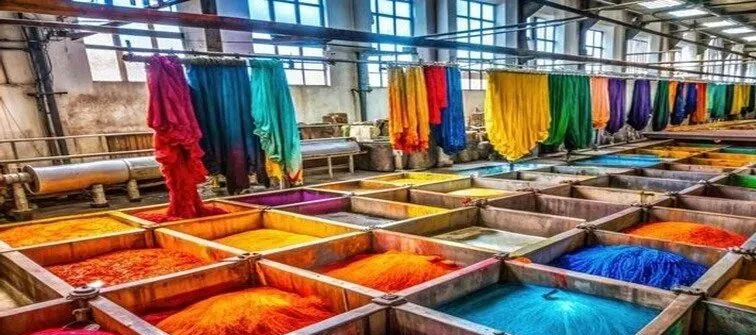
Quality Control Checklist That Foreign Trade Professionals Must Master
Having understood the principles of the process, let’s return to the practical level. In the export of textile fabrics, the following aspects must be carefully controlled:
Before placing an order:
- Confirm the colorfastness and shrinkage rate standards required by the customer (standards vary by country/brand).
- Clearly define the color source and color tolerance range (ΔE value).
- Understand the environmental regulations required by the target market (formaldehyde, azo dyes, heavy metals, etc.).
- Request the factory to provide a sample for confirmation; do not place a bulk order based solely on a small sample.
In production:
- Track the production progress of the dyeing plant and pay attention to the confirmation of the first batch of samples.
- Take color samples and test samples from each tank and keep them for future reference.
- Pay attention to post-processing parameters (pre-shrinkage rate, setting temperature, resin dosage, etc.).
Before shipment:
- We send the items to third-party testing agencies (SGS, BV, Intertek, etc.) as required by the client.
- Provide cylinder difference arrangement charts in batches by cylinder number.
- The bulk sample and the customer’s confirmed sample were compared again for color matching.
- Shrinkage measurement: Dimensional change was measured after at least 3 washes.
Common Problems and Solutions
Summary From Aung Crown
Quality control in printing and dyeing is not a matter of a single step, but rather a comprehensive management process from order placement to shipment. As someone in foreign trade, you don’t need to be a printing and dyeing expert, but you must understand the basic principles, know where the key control points are, and be able to speak the “industry jargon” with factories and customers.
Professionalism is a competitive advantage. When you can discuss shrinkage testing methods with clients and colorfastness improvement plans with factories, you are no longer just a simple “messenger,” but a trustworthy partner.

I have over 25 years of experience in hat and apparel manufacturing. With a steady and detail-oriented approach, I oversee factory production and team operations, ensuring reliable quality and on-time delivery for customers worldwide