
Introduction
Colorfastness refers to the degree of fading or staining of dyed fabrics during use or processing due to external factors. It is an important indicator of fabric quality.
External factors
External factors include: friction, washing, light exposure, seawater immersion, saliva immersion, water immersion, sweat immersion, etc.
During the testing process, it is necessary to select the corresponding test items and experimental parameters based on different external environmental factors.
Chemical color fastness and physical color fastness
Chemical color fastness refers to the color change of colored textiles caused by chemical factors that damage the dye molecular chains or chromophores.
Physical color fastness refers to the color change of colored textiles caused by the partial detachment of dye from the fibers due to external physical environmental factors, or the staining caused by dye detached from other fabrics.
How to evaluate color fastness?
The evaluation of color fastness can be divided into two parts: color change fastness and staining fastness.
Both color fastness and staining fastness caused by physical environmental factors need to be assessed, such as color fastness to water stains, color fastness to washing, color fastness to perspiration, color fastness to saliva, and dye transfer. There are also items that only assess staining fastness, such as color fastness to rubbing.
For color changes caused by chemical factors, only color fastness to light, chlorine bleaching, non-chlorine bleaching, dry cleaning, and phenolic yellowing are generally assessed.
What is color change?
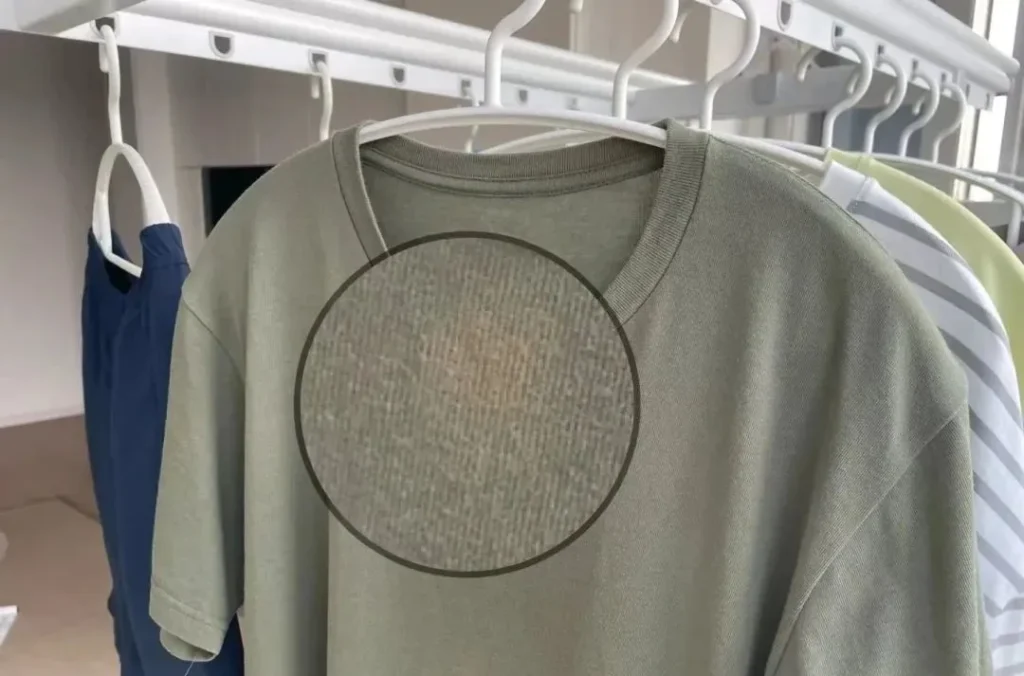
Color change is a phenomenon in which colored textiles, under the influence of external environmental factors during use or processing, experience changes in color chroma, hue, and brightness, caused by the partial detachment of dye from the fiber, the destruction of chromophores in the dye molecules, or the formation of new chromophores.
What is staining?
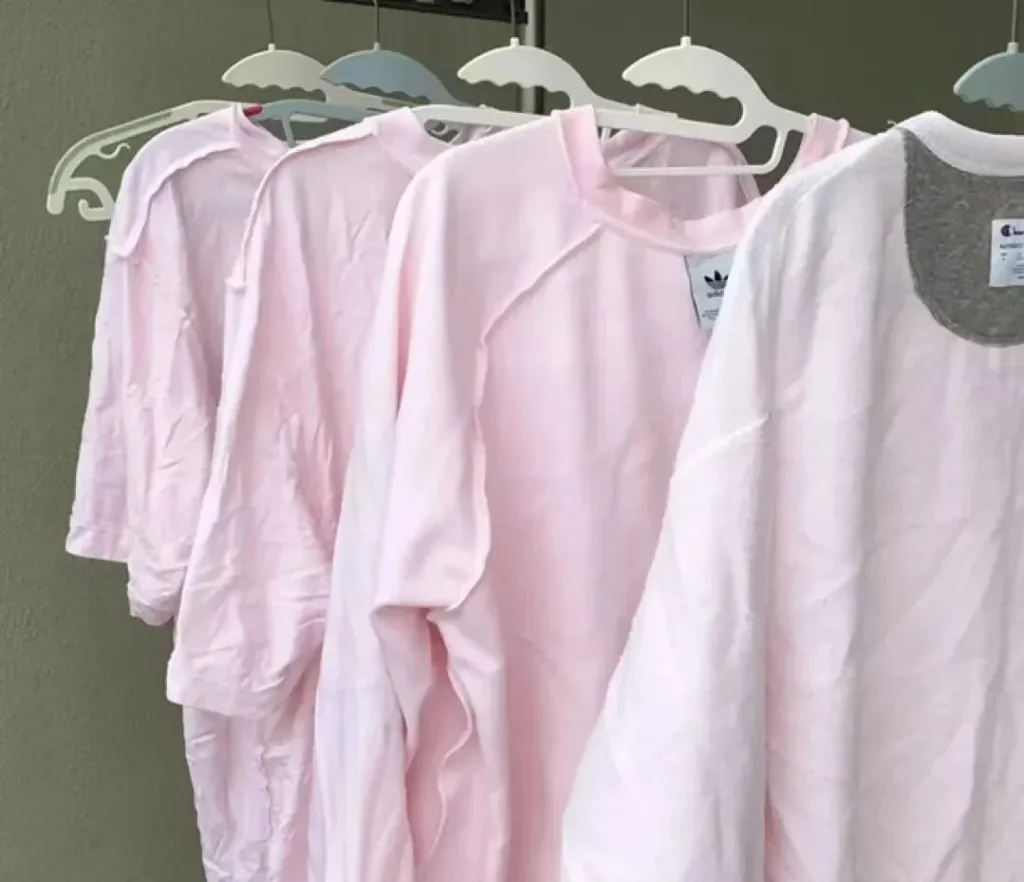
During the use or processing of colored textiles, under the influence of external environmental factors, some dyes detach from the fibers and dissolve into the treatment solution, where they are reabsorbed by undyed white or natural-colored multifiber or single-fiber fabrics. This phenomenon, which causes undyed multifiber or single-fiber fabrics to become stained, is exemplified by color fastness to washing, water stains, perspiration, and saliva.
What is solution staining?

This refers to a situation where, during a test of color fastness to washing, dyes or pigments from colored textiles are released into the detergent, causing contamination of the detergent.
What is self-adhesive dye?
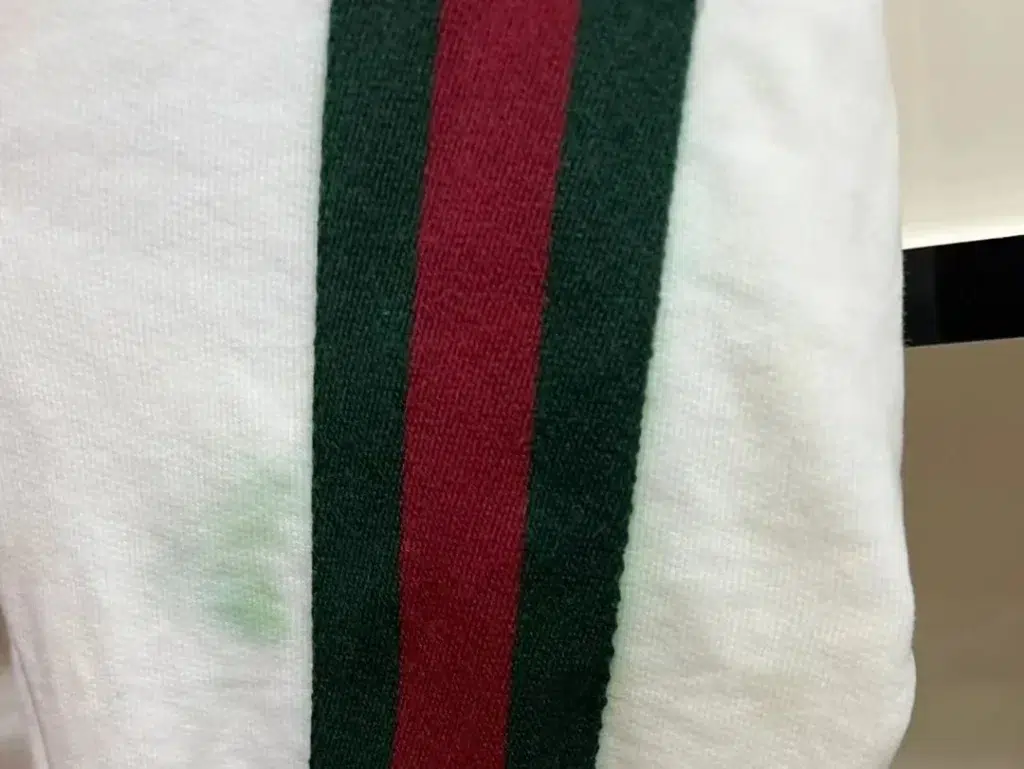
Also known as self-staining, it refers to the situation where two or more colors in colored textiles stain each other under various color fastness test conditions. Self-staining fastness can be tested for yarn-dyed fabrics, printed fabrics, and double-sided colored fabrics, but not for solid-color (single-color) fabrics. Currently, most domestic product standards do not include the concept of self-staining, while it is a standard requirement for export orders.
Methods of expressing color fastness levels
Colorfastness ratings are generally based on a 5-level, 9-grade system. Currently, there are two standard systems: the AATCC standard system and the ISO standard system (including GB, JIS, EN, BS, and DIN).
Colorfastness Rating Conversion Table (AATCC vs. ISO)
| AATCC Grade (Verbal) | AATCC Numeric | ISO Grade |
|---|---|---|
| Grade 1 | 1.0 | 1 |
| Grade 1.5 | 1.5 | 1–2 |
| Grade 2 | 2.0 | 2 |
| Grade 2.5 | 2.5 | 2–3 |
| Grade 3 | 3.0 | 3 |
| Grade 3.5 | 3.5 | 3–4 |
| Grade 4 | 4.0 | 4 |
| Grade 4.5 | 4.5 | 4–5 |
| Grade 5 | 5.0 | 5 |
Notes:
- AATCC uses a verbal descriptor (e.g., “Grade 1.5”) along with a numeric value (e.g., 1.5).
- ISO uses hyphenated pairs (e.g., “1–2”) to indicate half-step ratings, which correspond to the AATCC half-grade values.

I’m Kailyn, the founder of Aung Crown. I’ve spent over a decade “in the trenches” of the hat and clothing trade, learning exactly what it takes to make a product stand out. I’m a bit of a perfectionist when it comes to design and quality, but that’s because I care about your brand’s success as much as you do. Whether you need production advice or post-sales support, I’ve got you covered every step of the way.


