Intro
There’s an old saying in the Japanese outdoor community: “A mountaineer must be hardcore.” (登登たるもの硬派であれ.) Compared to clothing brands themed around camping, fishing, and surfing, Japanese mountain-style brands seem to prioritize functionality over aesthetics and fashion, creating a “less flashy” atmosphere. But is that really the case? Once upon a time, “Yama Style” was all the rage, but now it’s completely forgotten, seemingly resigned to its fate.
Today, Aung Crown will guide you through the history of the development of Japanese mountain style fashion in one article.
2009: Yama Style, Hardcore from the Start
Not long ago, the Japanese outdoor magazine PEAKS summarized the evolution of the “lying-down” style of Japanese mountain outdoor enthusiasts since its founding in 2009. Tired of the Gorpcore looks flooding social media, PEAKS‘s nostalgia trip is truly refreshing. Guys, the Japanese outdoor enthusiasts are laying their cards on the table; authentic Yama Style is not as simple as it seems.
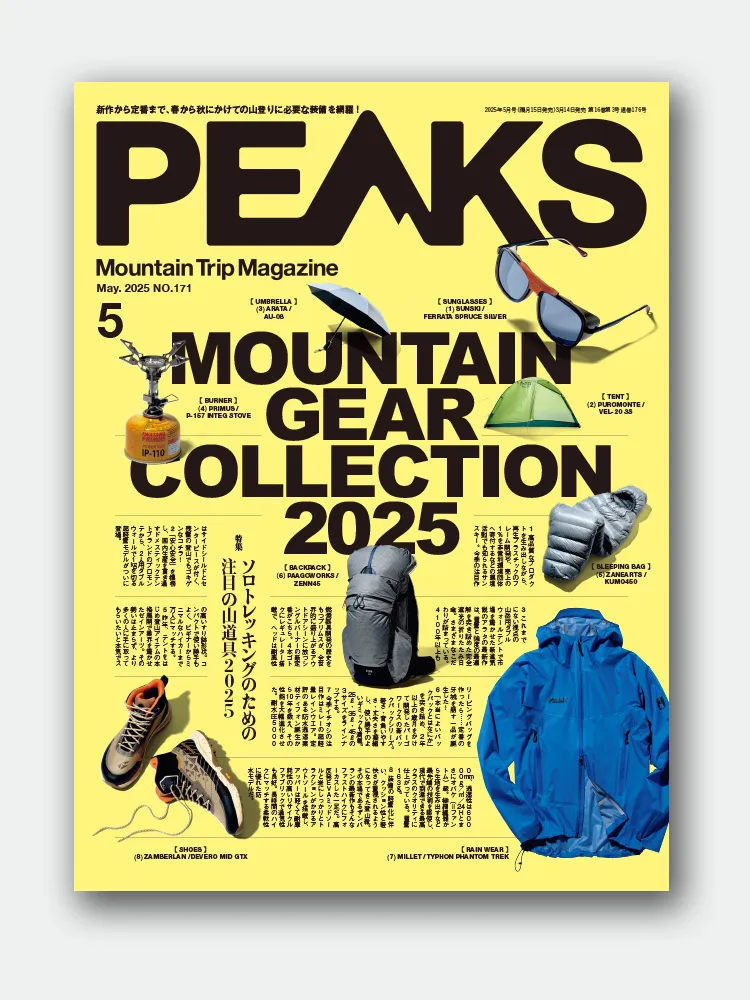
2009–2012: Softshell and Hardshell Take Center Stage
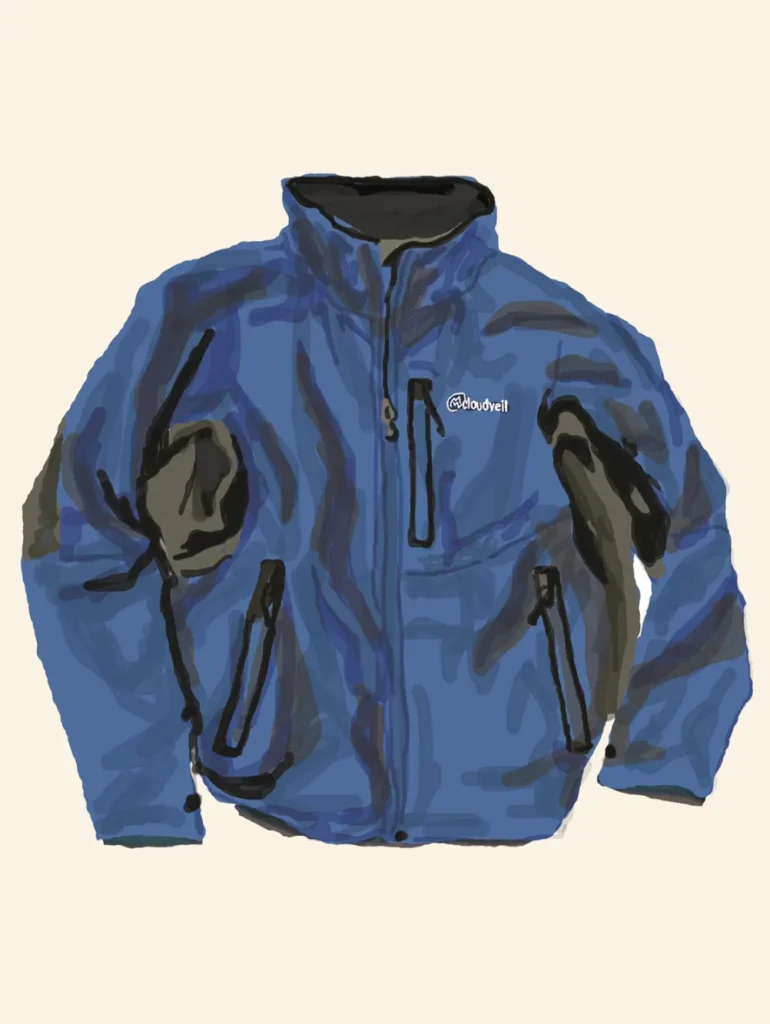
When PEAKS magazine was launched in 2009, according to a veteran outdoor stylist, Japanese mountaineers at that time drew heavily on European and American styles for their outfits. At that time, Nordic brands such as Mammut and Haglofs were very popular in the Japanese mountaineering community, and the softshell jackets from the American brand Cloudveil (which has since withdrawn from the Japanese market) held a status similar to that of Arc’teryx’s Alpha jacket today—extremely rare and highly sought after.
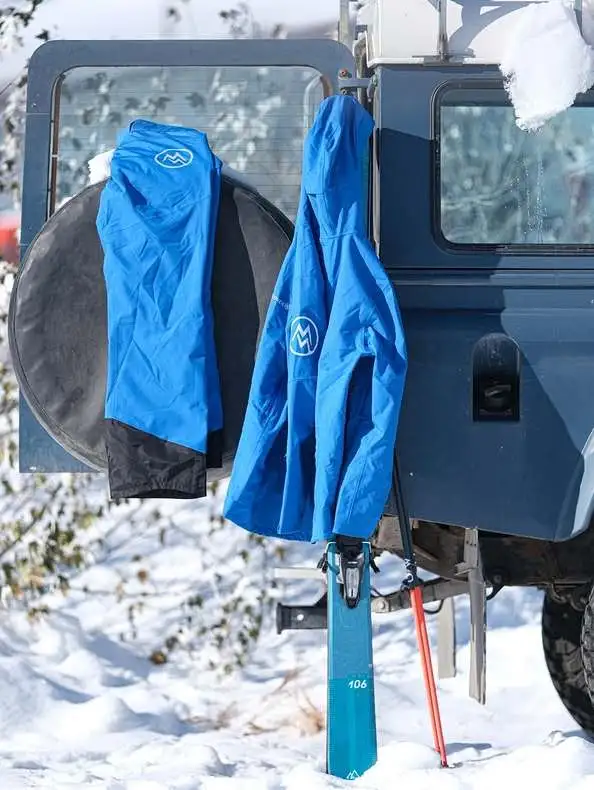
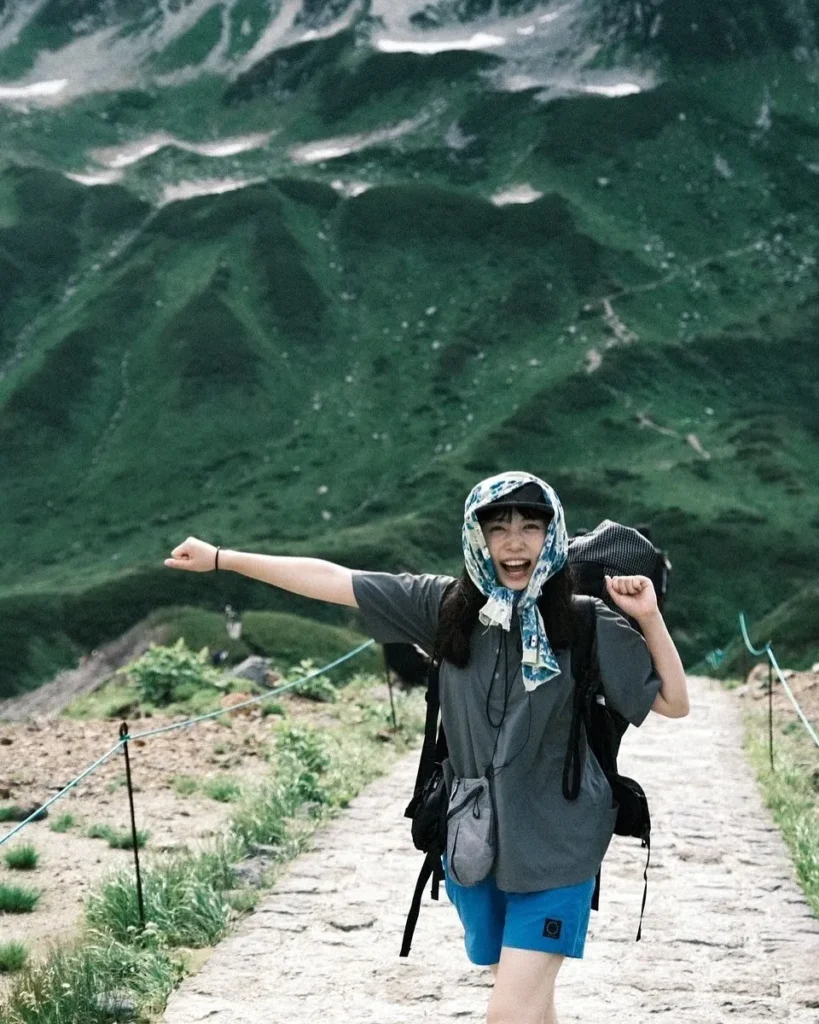
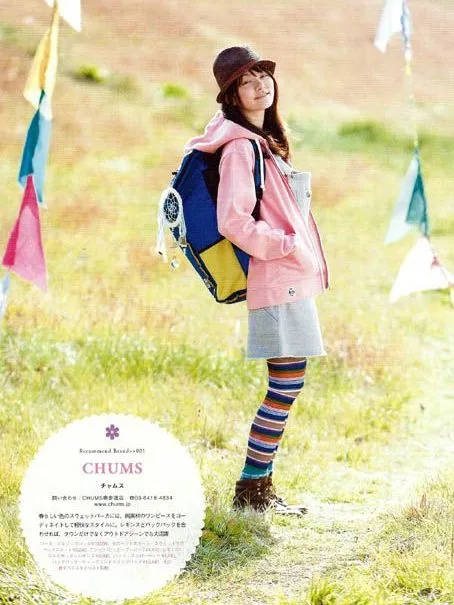
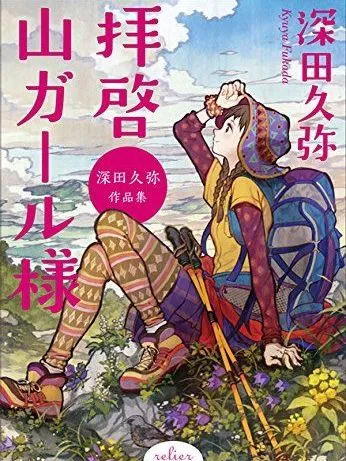
From 2009 to 2012, this period was known as the “soft and hard shell dominance period” of Japanese mountain fashion. Basically, all mountain outfits were quite hardcore, radiating from soft and hard shell jackets. For example, the “mountain girl” style emerged among Japanese mountaineers . These female mountaineers usually wore more than four colors or patterns in their outfits, mixing and layering hard shell jackets, and pairing short skirts with patterned leggings, patterned stockings, and other items.
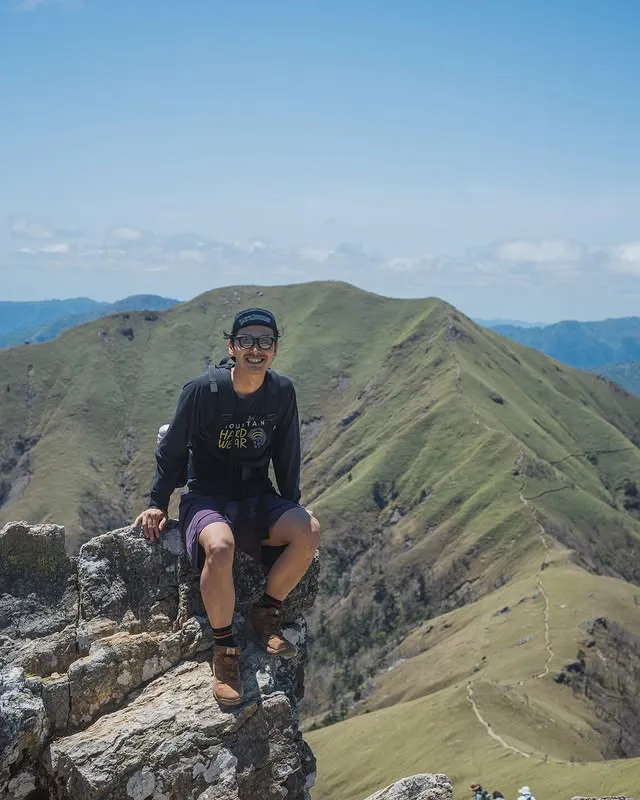
In contrast to the “mountain girls,” the “mountain boys” are simple and practical. Aside from a must-have hard-shell jacket from a Scandinavian brand, their entire outfits feature three vibrant colors—a stark contrast to South Korea, where wearing bright colors is considered illegal. Reportedly, for safety during hiking and trekking, the “mountain boys” even choose red, yellow, and green items, resembling traffic lights. This makes them stand out in crowds and forests, giving them the appearance of experienced guides and showcasing their professionalism.
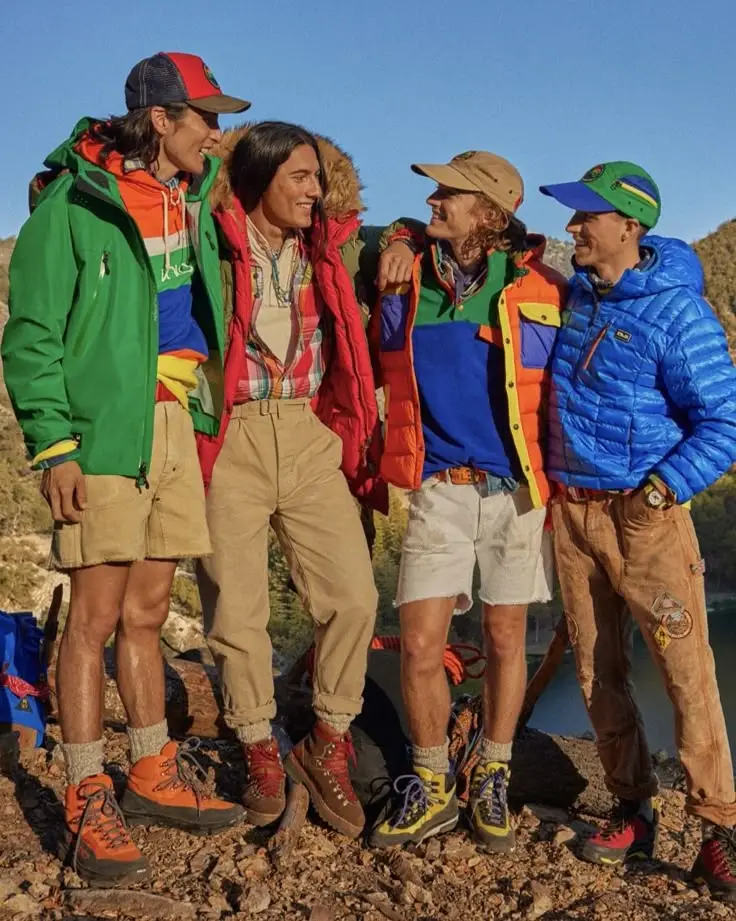
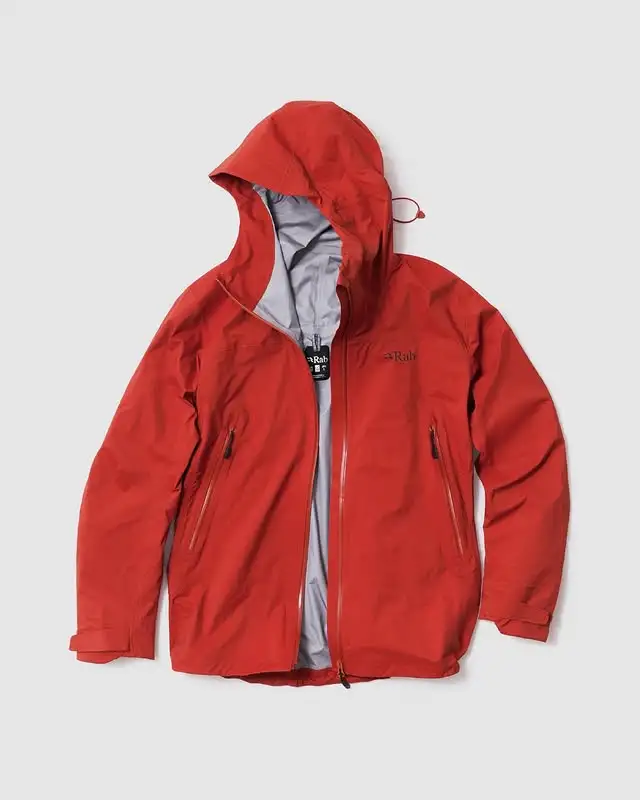
Overall, the beginnings of the Japanese mountain style trend maintained a consistent “hardcore” approach, emphasizing safety and professionalism in mountaineering. The only space for expression and innovation lay in color and patterns. Thus, during this period, the Japanese mountaineering community also saw a trend of pairing shorts with leggings, since the more individual items were broken down, the more colors or patterns could be worn.
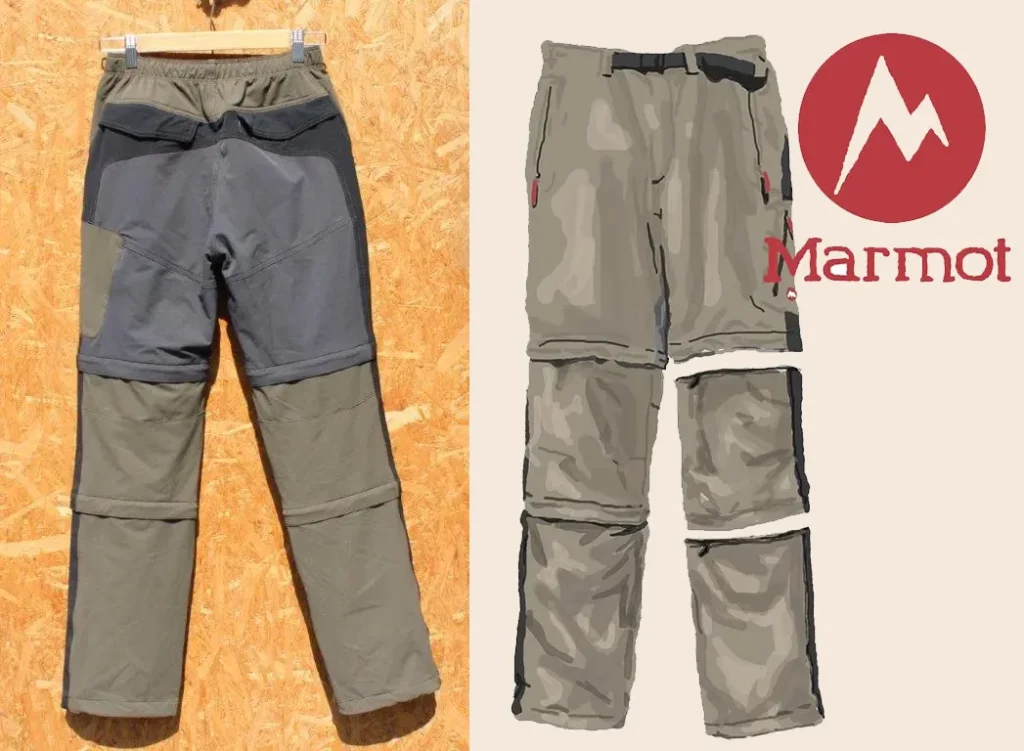
Extra Note: Besides hard and soft shells, the most popular item among Japanese mountaineers during this period was detachable nylon pants. Marmot’s detachable 3-way outdoor waterproof pants were a hot item that was hard to find at the time.
2013-2020: Yama Style, Big Boom
Entering 2013, softshell and hardshell were no longer the focus of outdoor wear in Japan. Different styles emerged, such as the orthodox style, the ultra-lightweight style (UL style) , and the fast hiking style. The mountain style trend swept across Japan, with many different styles competing.I recall that the outdoor trend also entered China around this time, which can be considered the rightful period of the Japanese mountain style boom.
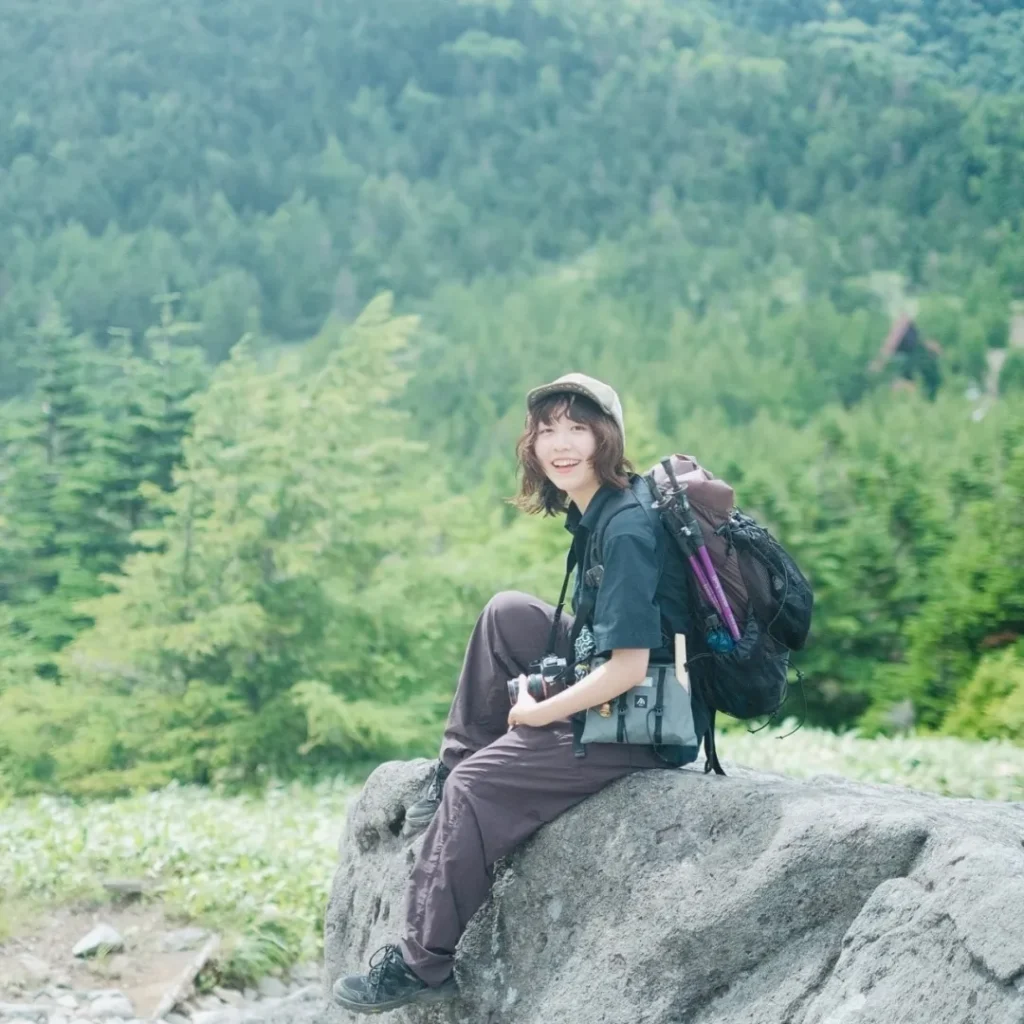
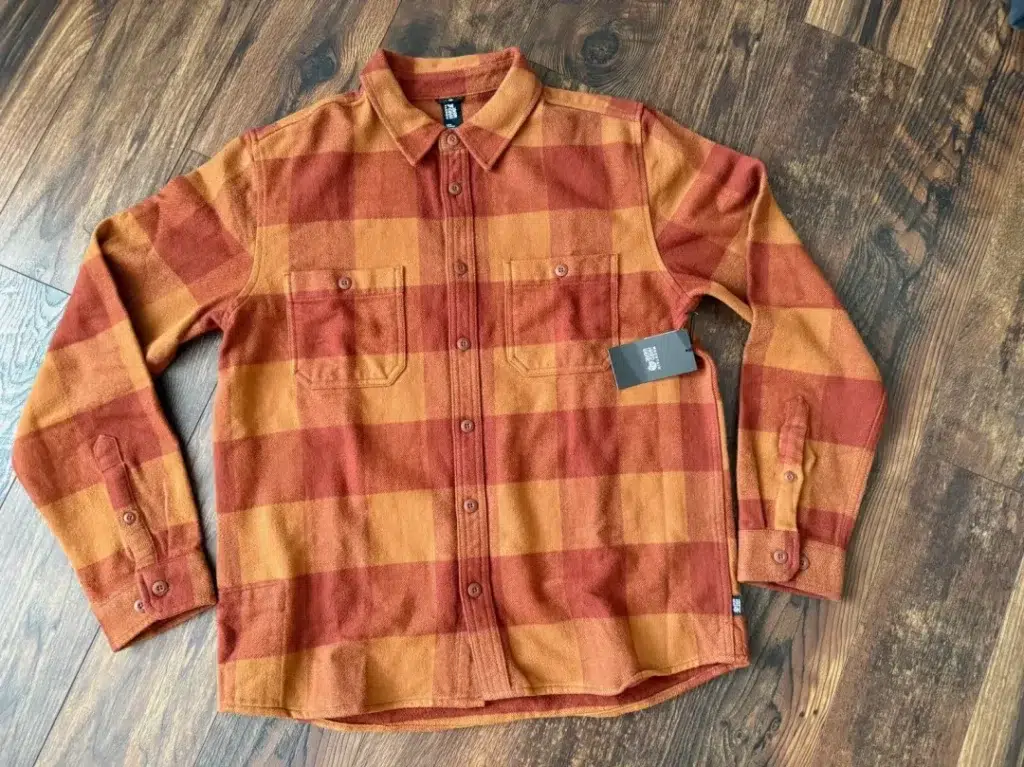
Significantly different from the hardshell and softshell styles of the past, yama-style clothing during this period reduced the color palette to three, mostly in more conservative and safer dark colors, emphasizing harmony and aesthetics. Collared garments such as plaid shirts began to gain popularity among Japanese outdoor enthusiasts. In today’s terms, what appealed to them was the effortless “relaxation,” and a trend emerged where everyday wear blended seamlessly with mountaineering gear.
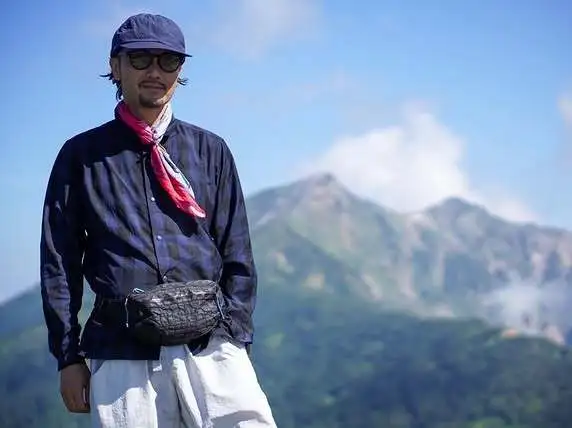
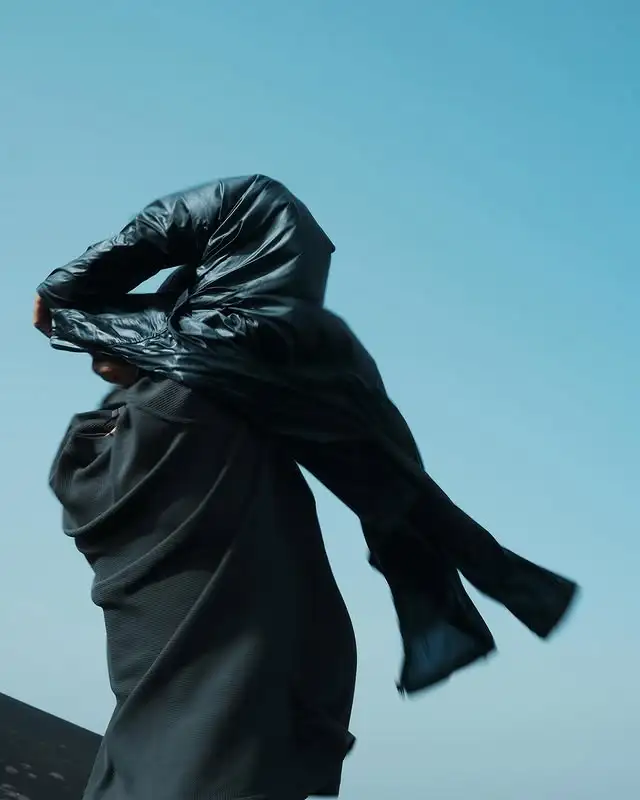
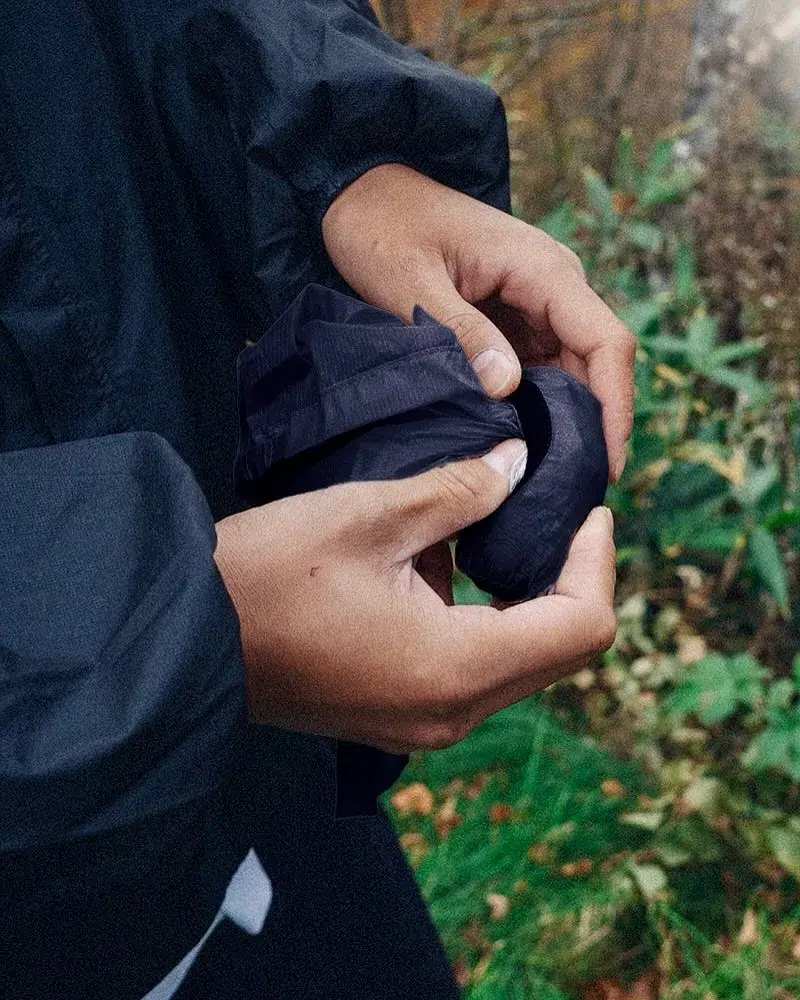
Another category of outerwear that grew rapidly during its boom period was the windshell (also known as a skin jacket). This type of clothing is like a thin layer of skin, extremely lightweight, breathable, and water-repellent. Some also offer features such as scratch protection and sun protection. Whether it’s outdoor brands or mountaineers, lightweight gear is one of the goals, and windshells, which are lighter than softshells and hardshells, naturally became the best answer in the mountain style at the time.
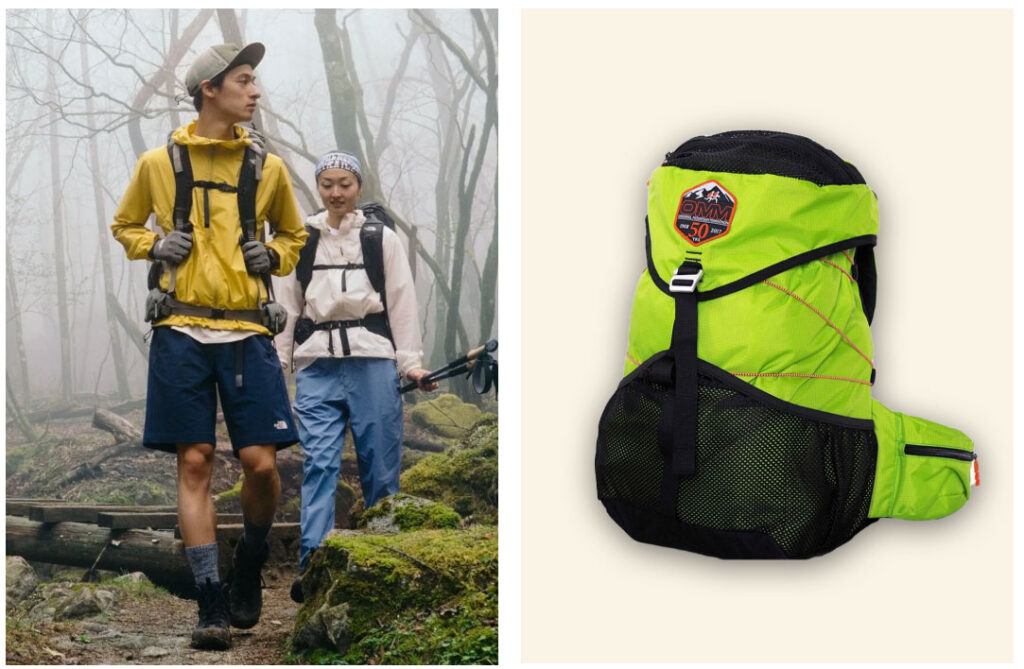
If you were to travel back to Japan in 2015 or 2016, I recommend this most eye-catching outfit formula: windbreaker + shorts + running cap + OMM (Original Mountain Marathon) backpack. It will instantly transform you into an outdoor guru, making you the object of admiration on Mount Fuji.
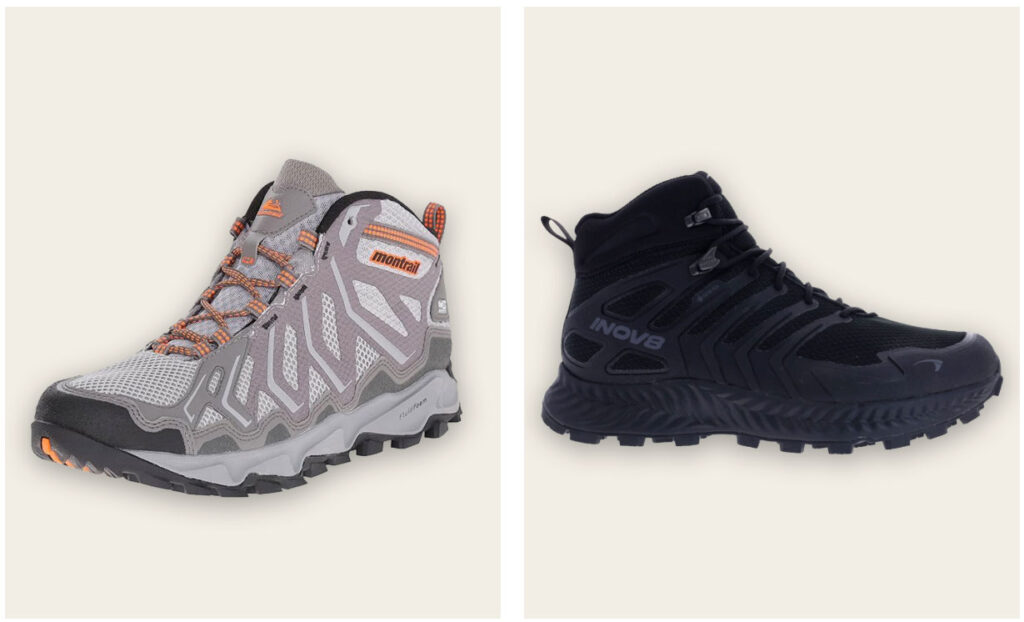
Back then, hiking boots had to be mid-cut, with the preferred brands being Columbia’s sub-brand Montrail, Descente’s INOV8, and Salomon. The “absolute justice” that Japanese mountain people referred to was this head-to-toe outfit.
Therefore, it seems that during the boom period of Japanese mountain fashion, the hardcore aspect weakened while the trendiness increased, blurring the lines between professional mountaineering gear and everyday wear. Nuz believes one reason for this is that during this period, Japanese outdoor brands such as and wander, Yamatomichi, and nanamica successfully broke out of their niche and gained more influence in the fashion world, making the outdoor lifestyle more accessible to the general public.
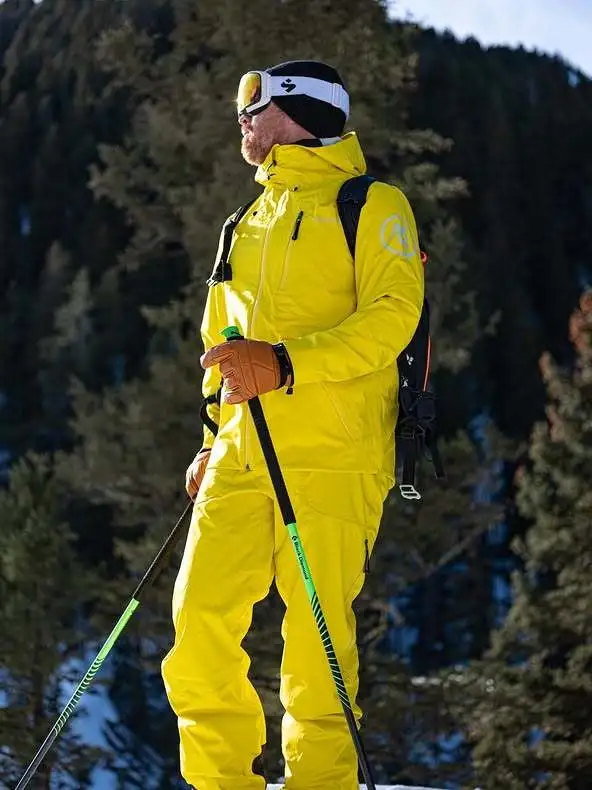
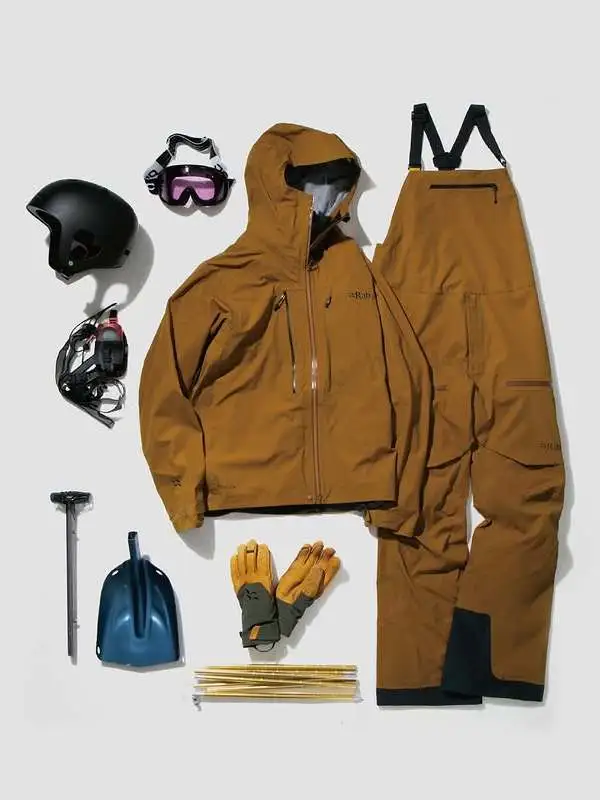
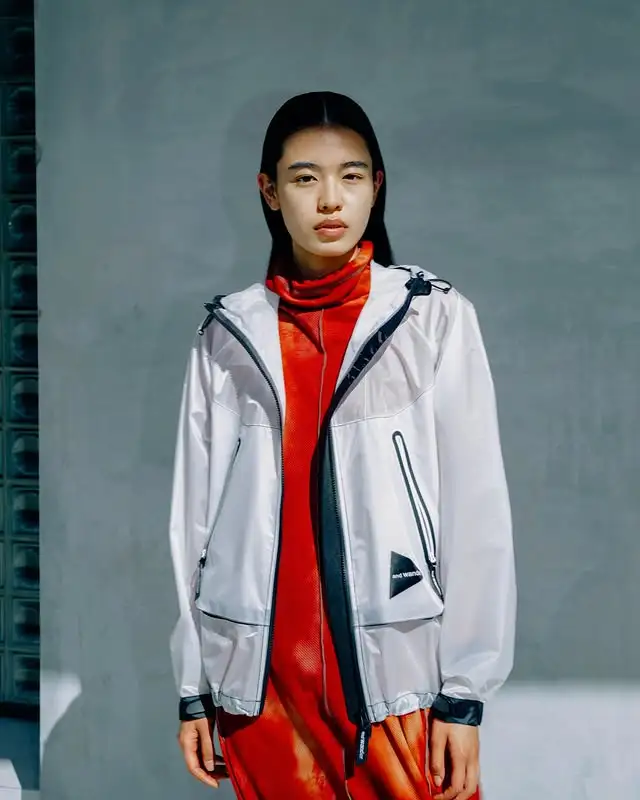
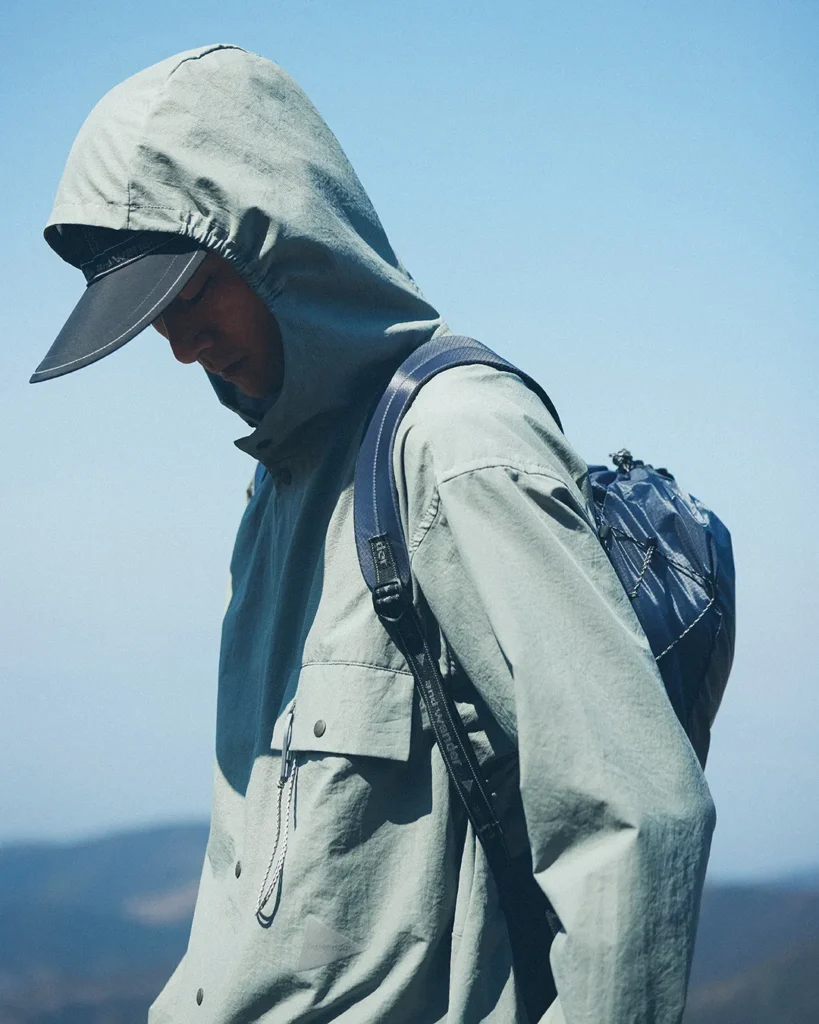
Extra Note: In 2020, Japan experienced a skiing boom. Compared to the top-heavy mountain outfits of summer, winter mountain outfits incorporated skiing elements, and it was not uncommon to see outdoor enthusiasts hiking in snowsuits and snow pants. Norrøna from Norway and Teton Bros. from Japan became the hottest brands at the time.
2021-2024: Yama Style: Decline or Building Momentum
Due to the pandemic, people’s outdoor activities decreased, so the fashion trends among Japanese outdoor enthusiasts remained relatively stable. However, the UL (Ultra Light) style developed further during this period.
This style adhered to the principle of being as lightweight as possible and combined with running, which was the only remaining permitted outdoor activity at the time, making sports vests a highly sought-after item.
Later, many outdoor enthusiasts, when permitted, would wear vests, trousers, and sandals while hiking.
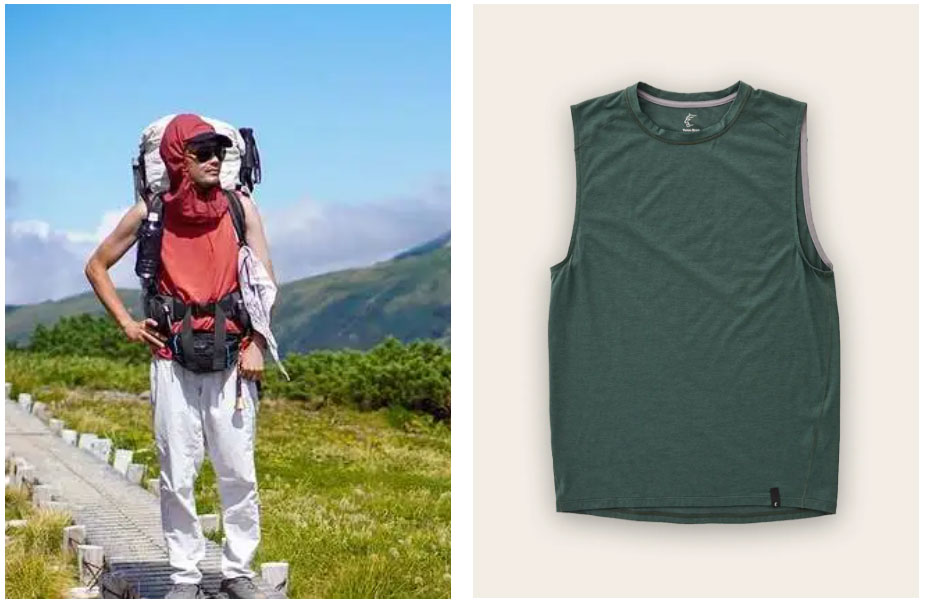
Having weathered the mask-wearing period, people have become increasingly aware of the preciousness of nature and cherish opportunities to go out. The market, heeding the public’s call, has inevitably seen the fusion of everyday fashion and outdoor trends.
In fact, the trend of “streetwear brands becoming outdoor-oriented, and outdoor brands becoming trendy” is also evident in Japan, all aimed at integrating outdoor elements into daily life and encouraging people to connect with nature. Perhaps for this reason, the mountain-inspired style of this period evokes a sense of “Zen” – looking good is one thing, but personal happiness and comfort are paramount. This also demonstrates that the mountain style will not decline; it will only become more integrated into people’s daily lives.
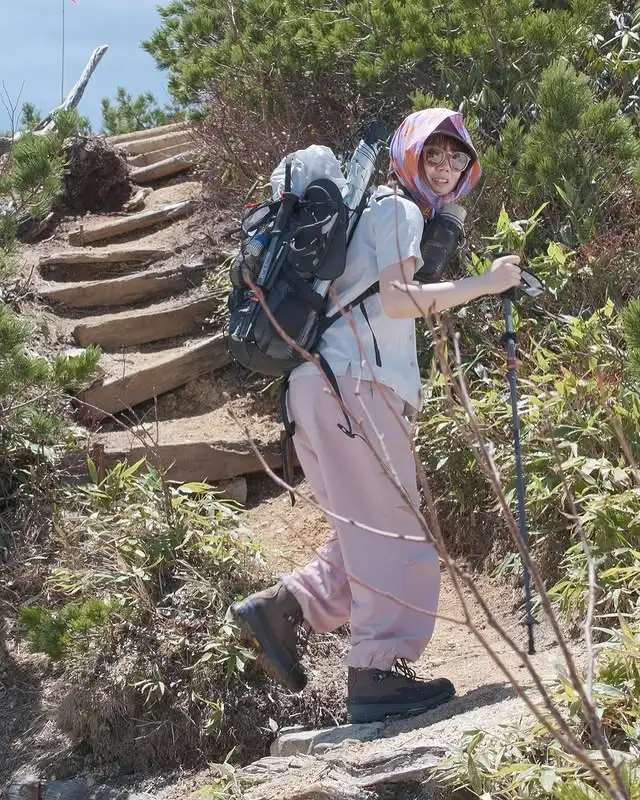
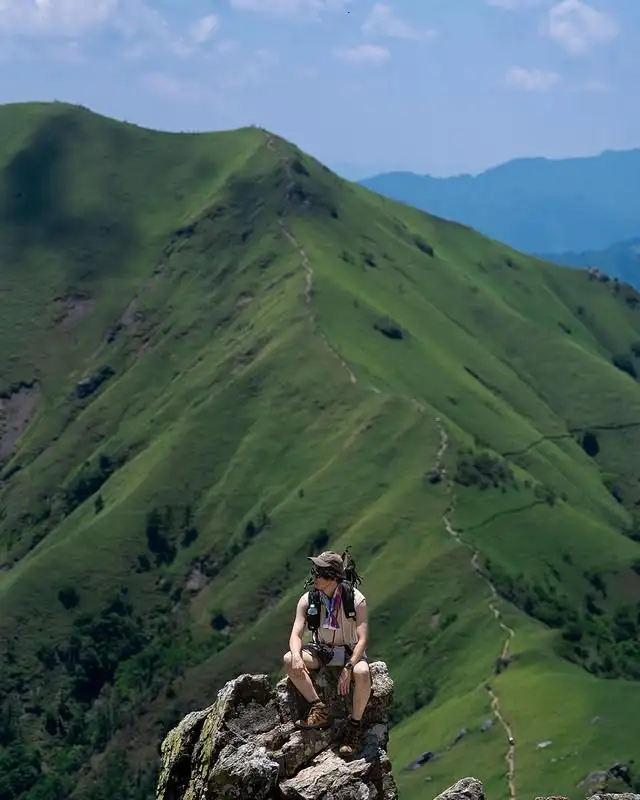
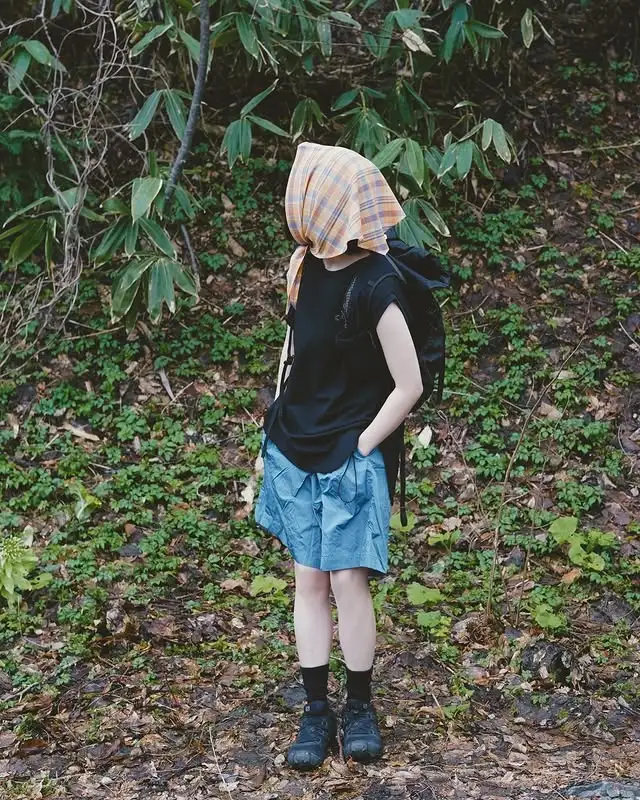
Extra Note: It’s worth mentioning that interesting fashion details emerged during this period: Japanese mountain fashionistas would pair patterned quick-drying towels with baseball caps, tying them around their heads to protect against sun and insects and cool them down, while also enhancing their style.
Future of Yama Fashion Trends
As a professional hat and clothing manufacturer, Aung Crown is also boldly speaking out, predicting the yama-style fashion trends for this year and the future. Let’s see how accurate our predictions are.
Super comfy, even easier
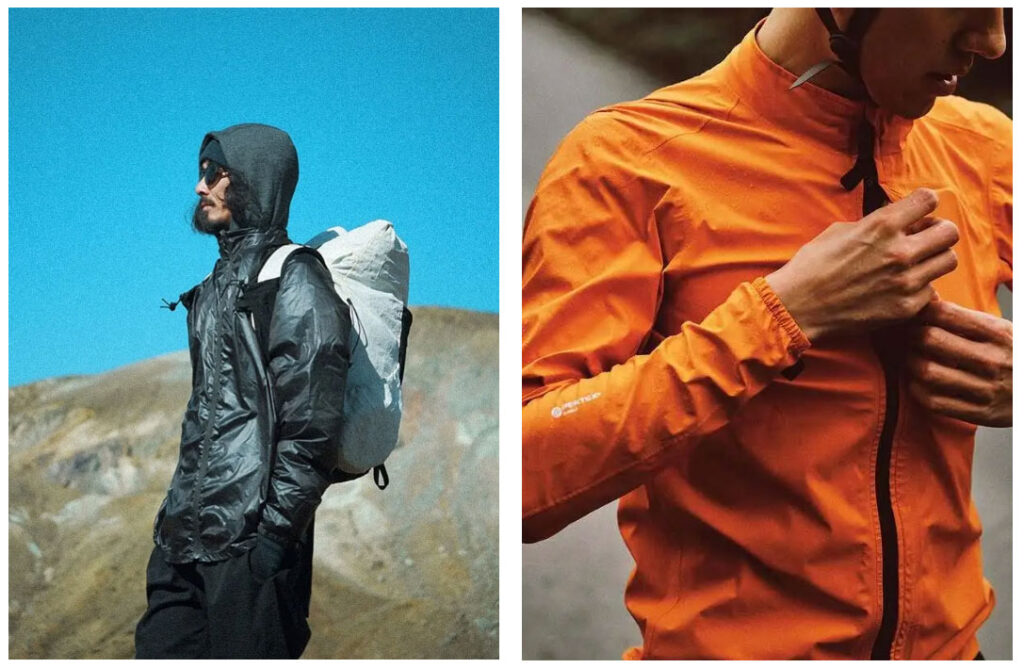
In recent years, the yama style has been permeating urban life from professional outdoor wear, and the key lies in breakthroughs in new materials and technologies.
For example, the high-density technical fabric Petrex Shield is windproof and water-repellent, and 40% lighter than traditional hardshell fabrics; Polartec’s Alpha cotton significantly improves the warmth-to-weight ratio, allowing for thinner mid-layer clothing.
These technological breakthroughs are the foundation of lightweighting, and in turn, prove that today’s consumers are very keen on “unfeeling” or “skin-like” clothing . This will be one of the directions in the evolution of the mountain style.
Ultra‑retro, eclectic
In a 2024 feature article in GO OUT magazine, it was pointed out that an increasing number of young people are using color in their clothing to express their individuality and convey their lifestyle when participating in outdoor activities. While traditional outdoor brands initially used highly saturated colors for rescue visibility, since the 20th century, the unique hippie style of the outdoor world has added a vibrant element to brands, making color a form of self-expression and identity marker for outdoor enthusiasts.
Today, the hippie spirit is reviving, and colorfulness is making a second comeback; the next key word for outdoor gear may well be “retro .”
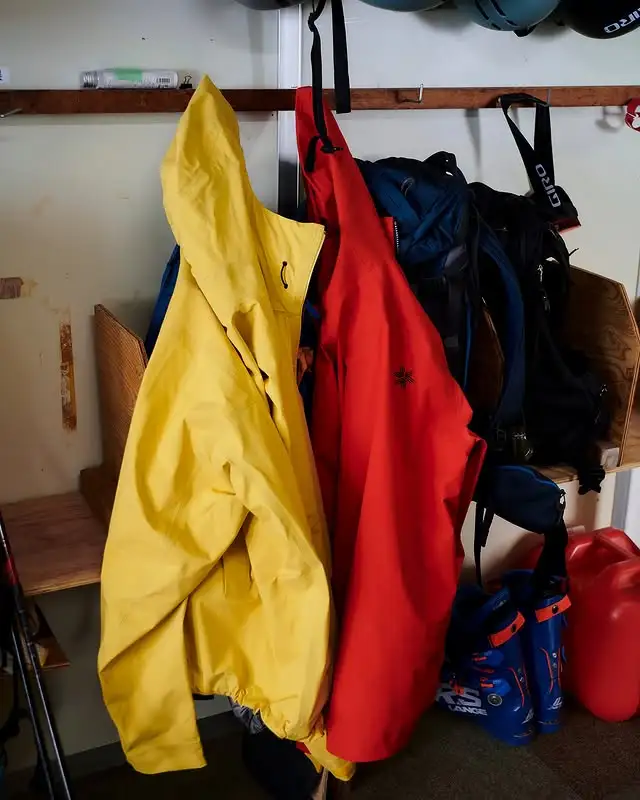
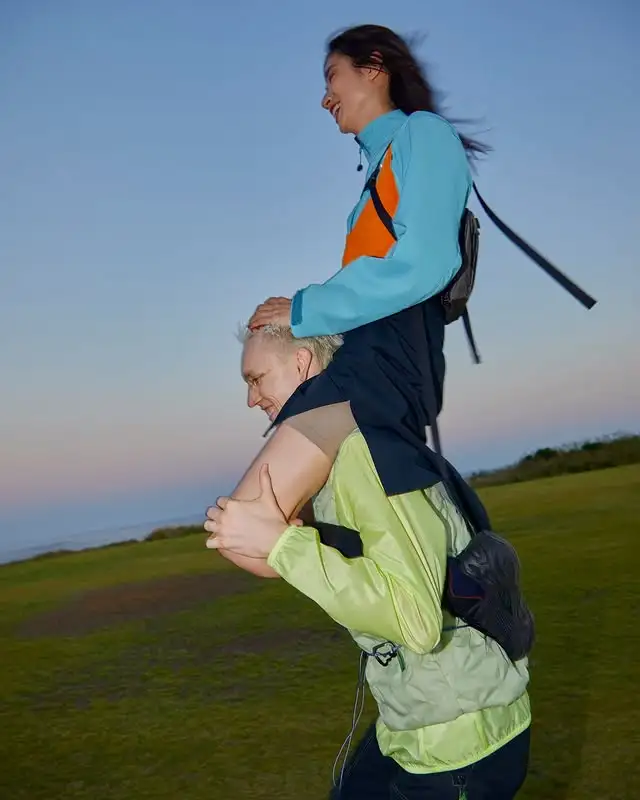
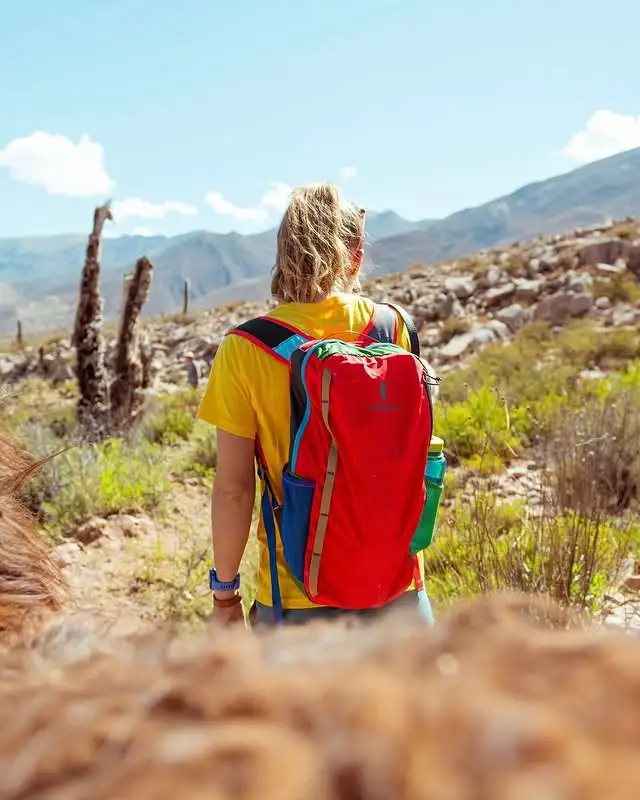
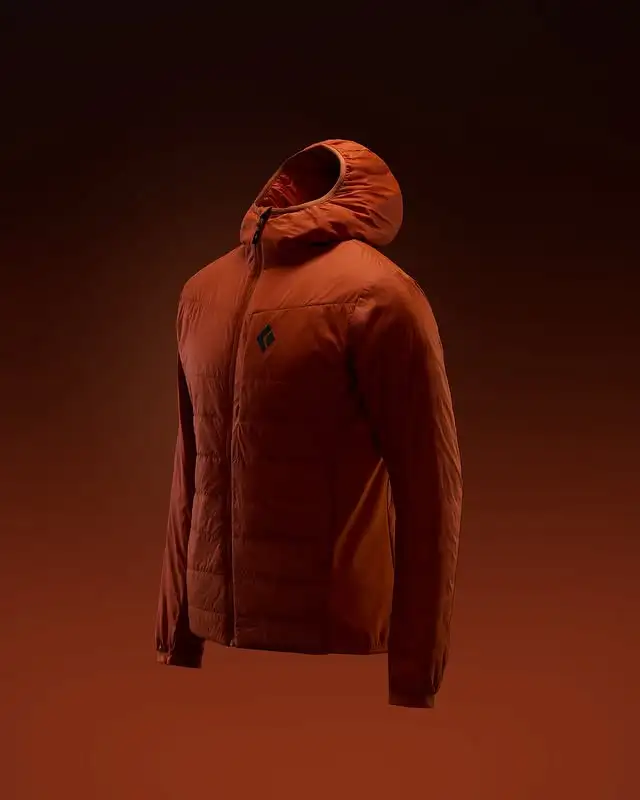
Meanwhile, just as trail running vests and cycling backpacks have joined the ranks of mountain-style gear at different times, I believe that diverse outdoor sports elements will continue to permeate the mountain style category. Based on current trends, gear for mobile sports such as trail running, marathons, and rock climbing will be promising, while trendy elements from urban activities will likely provide inspiration for major outdoor mountain brands.
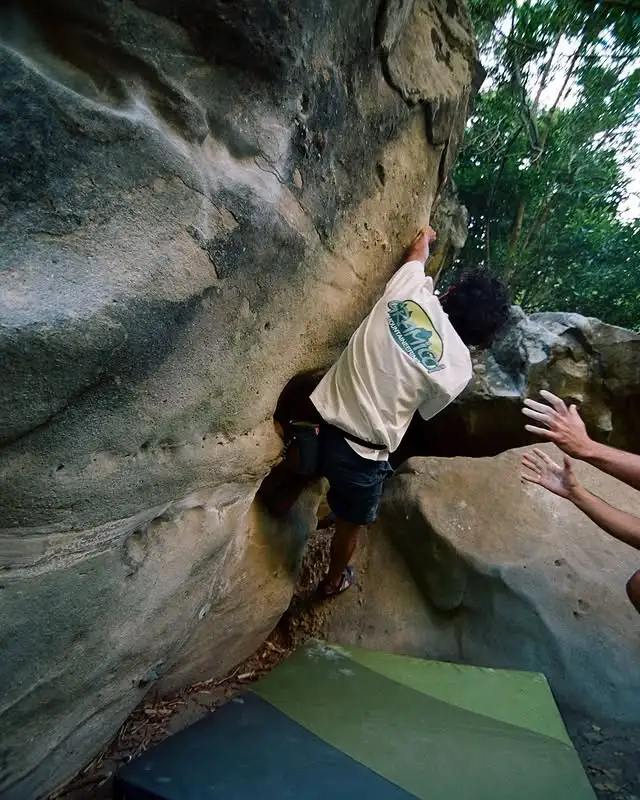
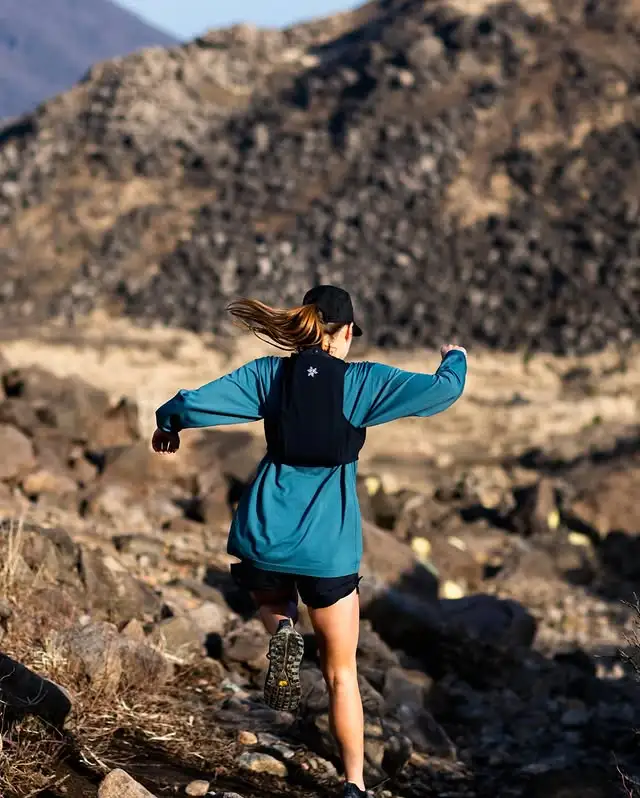
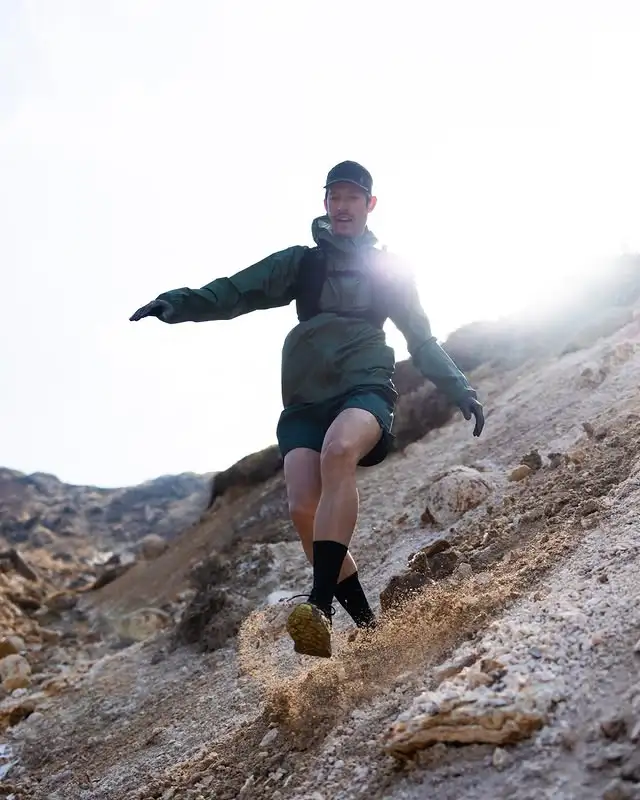
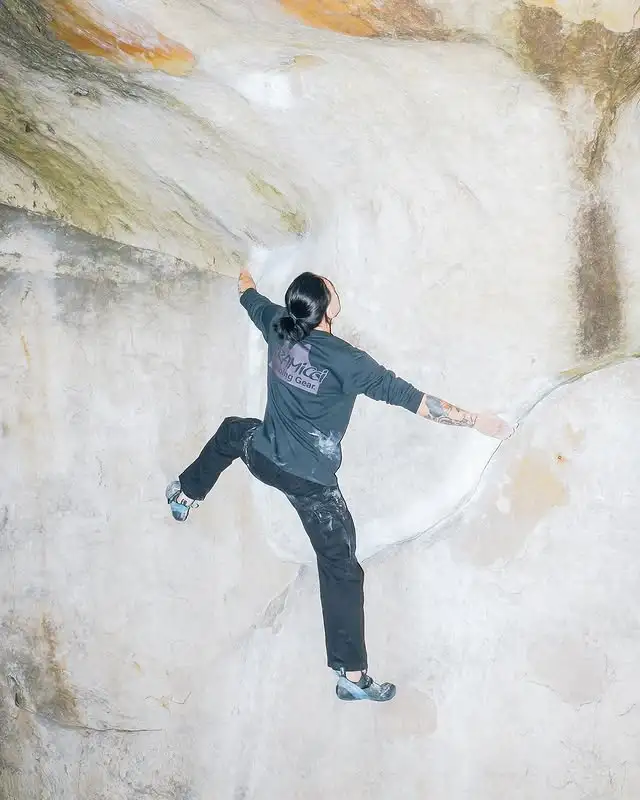
Japanese Yama‑style brands have been around for over 20 years. Their solid craftsmanship and design aesthetics have kept them a loyal following. Over that time, the style itself has evolved—from a hardcore beginning, through a period of wild growth, to now gathering strength for whatever comes next. One day it will surely take back everything… no, scratch that—it will once again become the center of outdoor fashion.
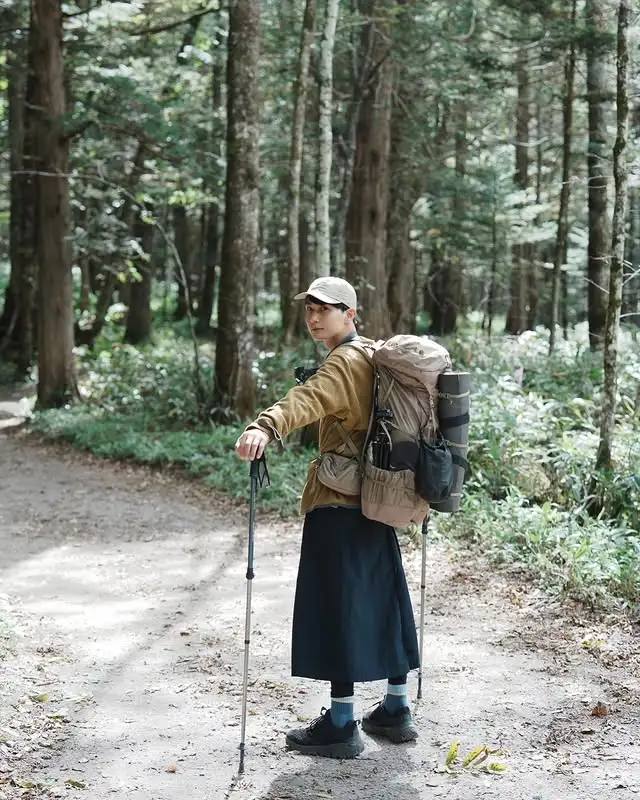
Finally, in my view, outdoor wear is an outward expression of an inner attitude. Through our introductions, regardless of the trend, style, or brand you ultimately choose, you can increase the usage and awareness of a particular outdoor item to some extent, conveying the beauty of outdoor culture and encouraging everyone to get out there. This is one of our original intentions in loving outdoor culture.

I have over 25 years of experience in hat and apparel manufacturing. With a steady and detail-oriented approach, I oversee factory production and team operations, ensuring reliable quality and on-time delivery for customers worldwide