Today, I’m going to explain why sweaters pill.

Reasons for sweater pilling
Many people don’t understand the reasoning behind this, and some even believe that pilling indicates a quality problem.

Actually, this is a prejudice. During use, clothing made of various fibers will pill or fray due to friction from various external forces.

This phenomenon is unavoidable in both natural and synthetic fiber fabrics, and it remains a technical challenge to be solved internationally.
There are many factors that cause sweaters to pill:

1. Raw material factors: The higher the quality of the wool raw material, the finer it is, the denser the scales on the surface, the better the crimp, and the softer it feels, but it is easy to tangle and pill.
2. Fabric structure: Different structures (plain knit, rib knit, double rib knit, etc.) and densities (loose, tight) will also produce different degrees of pilling.
The State Bureau of Technical Supervision conducts pilling tests by placing samples of different yarn specifications (counts) woven into a specified density and structure in a pilling box for a specified time, and then evaluating the grade.

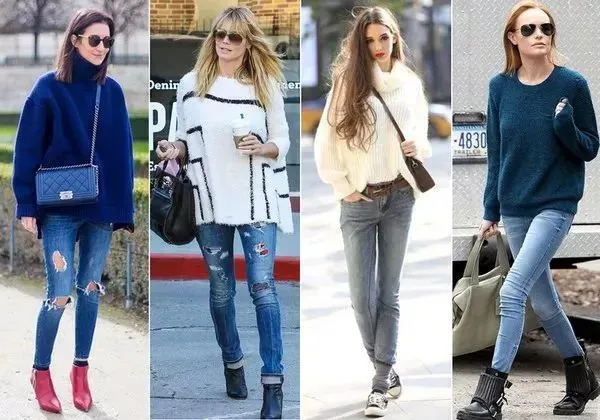
3. Wearing scenarios: When worn, pilling can occur to varying degrees due to contact with different objects (smooth and rough). Sleeves, pocket openings, and other areas that are frequently rubbed are also prone to pilling.
4. From a technical point of view: If the twist is too loose, the yarn will be rounder and fuller, but it will be more prone to pilling. Conversely, if the twist is too tight, it will lose the style of the yarn and become like a rope.
Therefore, if pilling is slightly noticeable during the initial wearing of a sweater, it can be trimmed with small scissors to prevent further pilling, and the problem will gradually disappear.
Efficient methods to solve pilling
The method is very important; the difference before and after treatment is huge!
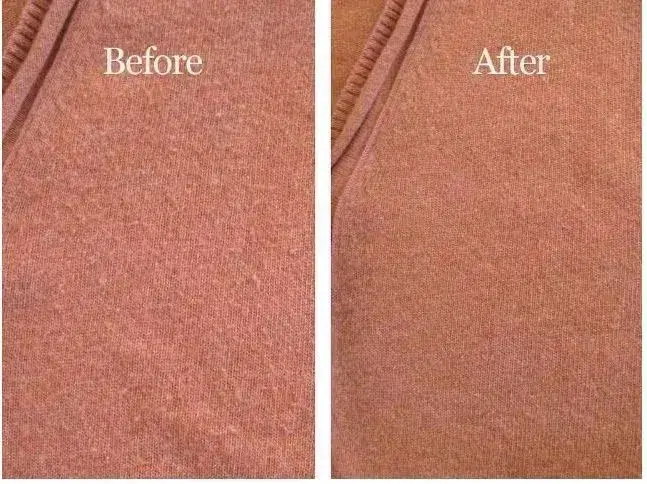
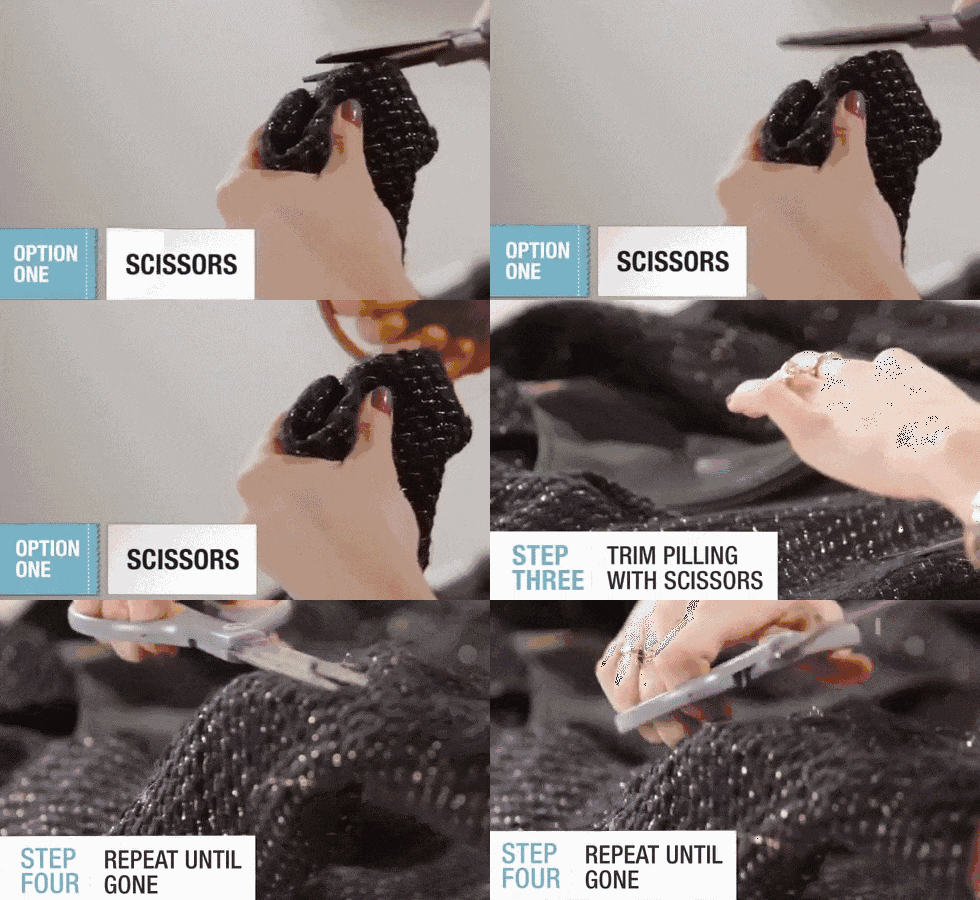
1. If it is a relatively large ball of fluff, you can cut it off directly with scissors.
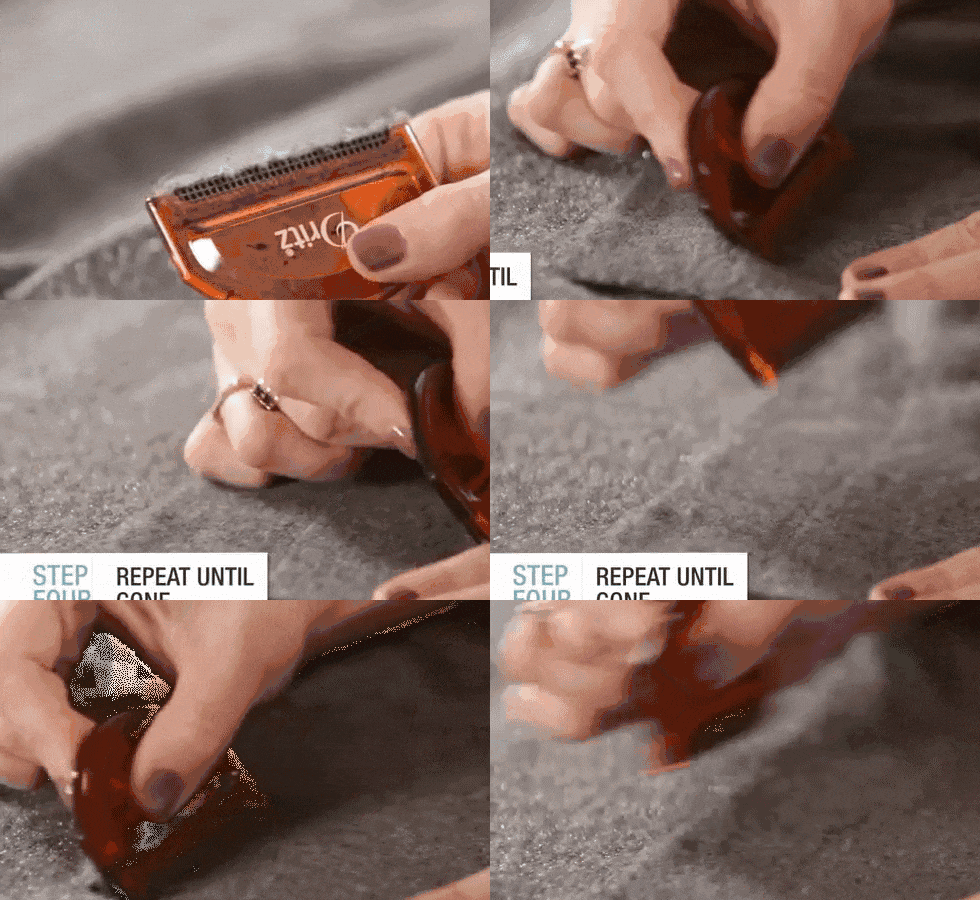
2. Gently scrape the pilling area with a lint brush; the little lint balls will come off super easily!
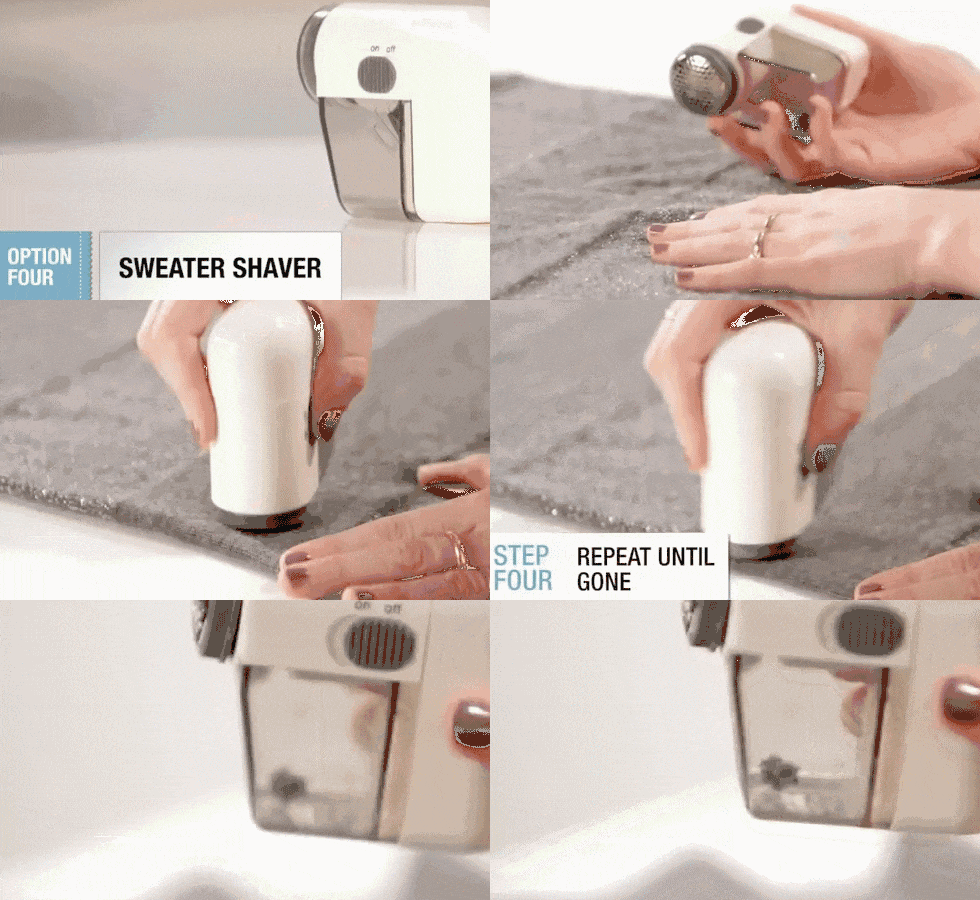
3. Use a lint remover to quickly and easily remove lint balls from sweaters and wool coats. To protect the fabric, lay the sweater flat on a flat surface and stretch out any wrinkles before using it!
4. Treating the toothbrush. Make a few cuts on one side of the toothbrush with scissors to make the side of the toothbrush uneven. Gently scrape along the grain of the sweater with the cut side of the toothbrush to remove lint.
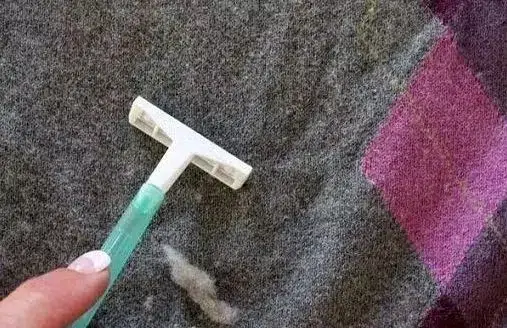
5. Gently scrape the surface of the sweater a few times with a razor, and the lint will pile up. Just pick it up with your hands and throw it away.
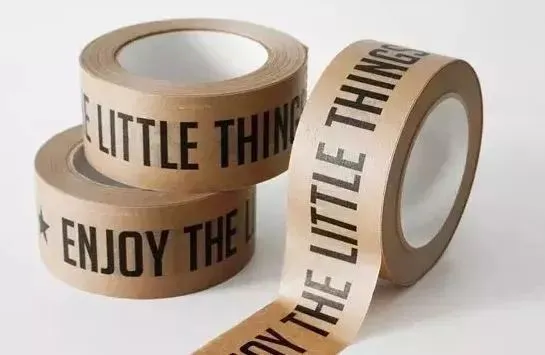
6.You can also use tape to stick it on; choose the kind with wide edges and good adhesion. But be careful to control the force so as not to damage the sweater.
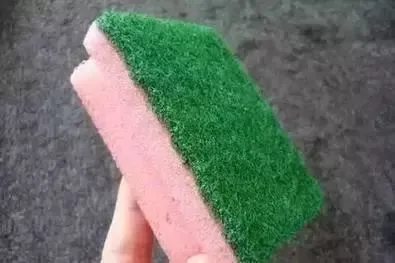
7. For dishwashing sponges, it’s best to use a new, clean, and firm one. Place the convex side of the sponge against the sweater and simply glide it over it lightly.
Although you know some tips for removing lint, the most important thing to completely solve the problem of pilling sweaters is regular washing and care.
Tips to prevent pilling
Next, I’ll teach you some small details to pay attention to when washing clothes to prevent pilling!
1. Washing
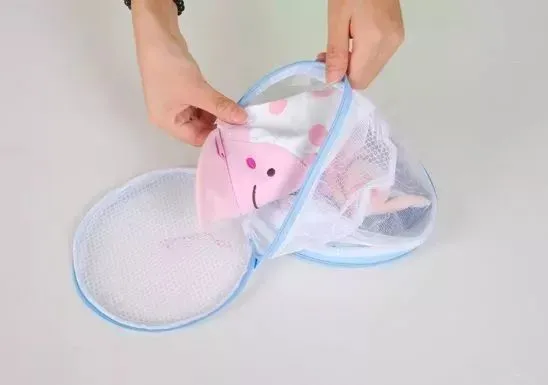
When machine washing a heavily soiled sweater, turn it inside out first, then put it in a nylon bag. This will minimize friction and reduce damage to the sweater.
2. Washing Agent
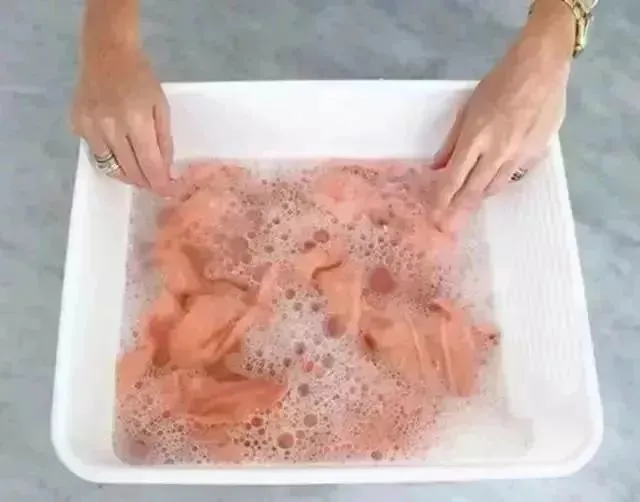
Avoid using traditional laundry detergent to wash sweaters. Use a specialized sweater cleaner or shampoo. Using shampoo will make the sweater soft and natural, reducing the likelihood of pilling.
3. Sweater storage
When storing sweaters, remember to wrap them in storage bags or plastic bags to reduce the number of times the sweaters rub against other clothes. This can effectively reduce the chance of the sweaters pilling!
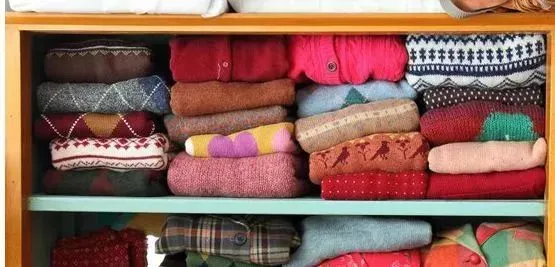
If we’re talking about must-have items for autumn and winter, then it has to be the wool sweater. High-neck/crew neck, long/short sleeves, loose/fitted… all sorts of styles can practically dominate your wardrobe, making it a favorite during the cold season!
However, many people have likely experienced this: a perfectly good wool sweater starts pilling after a while! It’s no longer the smooth, pristine little angel it once was.
It is often said that wool comes from sheep, and wool sweaters will pill after being worn for a long time. So, how come sheep covered in pure wool don’t turn into a ball of wool when they are exposed to the wind, sun and rain for a long time?
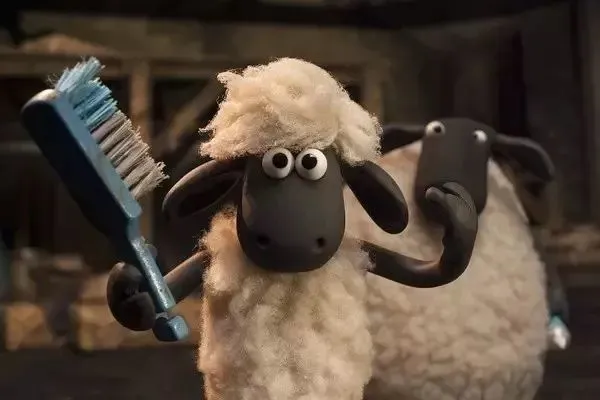
Common knowledge about pilling in wool sweaters
In daily life, people have a misconception that pilling in wool sweaters indicates a quality problem. This is not true. Pilling is a natural phenomenon in wool sweaters, cashmere sweaters, and other wool blends. There’s a saying in the industry: ” If it doesn’t pill, it’s not wool .”
Like the fur of all mammals, wool is surrounded by overlapping, oriented scales. These scales make it easier for the wool to slide in one direction.
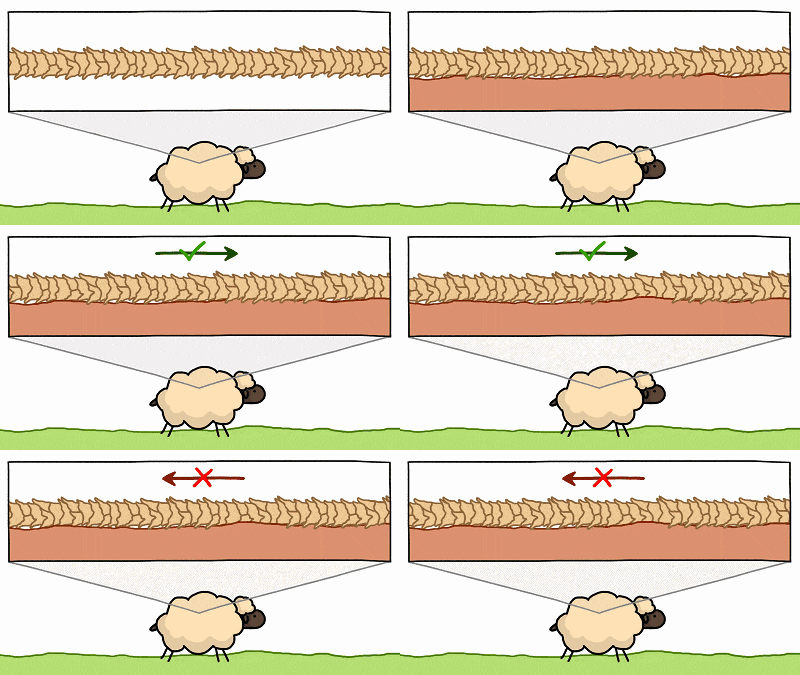
The pilling is all because of the entanglement of love.
From the above, we can conclude that pilling is caused by the friction and movement of short fibers on the fabric surface. When wool fibers rub against each other, the scales act like tiny ratchet wheels, allowing the fibers to move only in one direction.
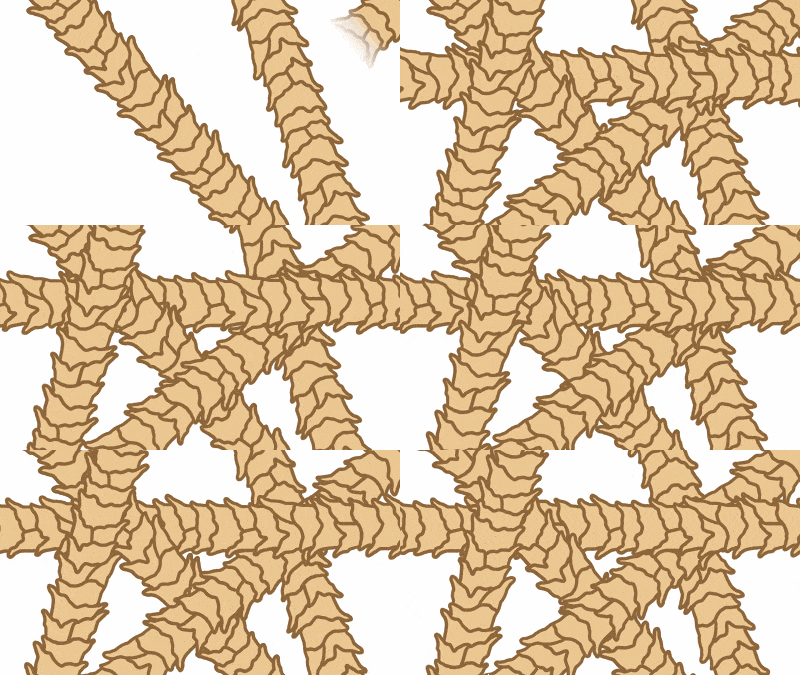
This movement is caused by external friction. For example, being tumbled in a washing machine, vigorously rubbed during washing, or rubbed against any fabric rougher than itself during wear can all cause pilling and then form clumps.
Special note: Especially after wearing and washing, the clothes seem to pill even more vigorously.
This is because soaking in water causes the fibers to swell, making them more tightly packed together. At the same time, water softens the scales, making them more prone to tangling and rubbing against each other, which, over time, makes pilling more likely.
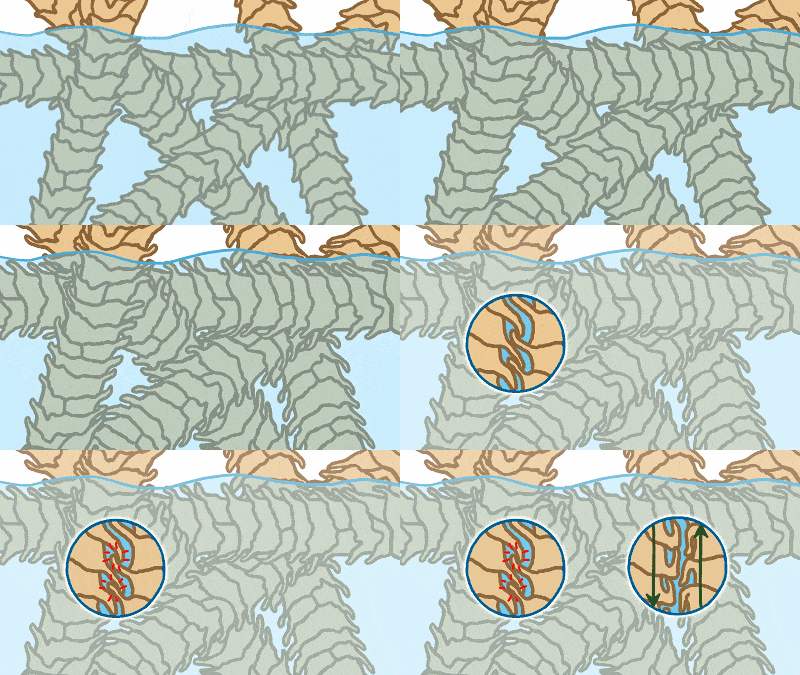
If you leave the wool fibers to dry in the sun after washing, the heat will help to set the tension caused by friction, thus fixing the pilling surface in place.
So why don’t sheep pill and can maintain their original shape?
—Because the sheep weren’t scrubbed!
When sheep are exposed to wind, sun, and rain, although the wool fibers will swell and the scales will soften…
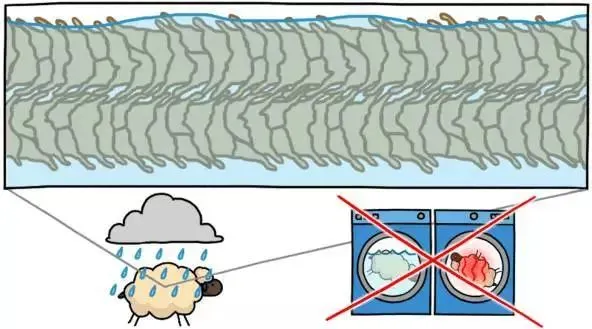
However! As sheep, their wool is not subjected to enough external force to activate the small ratchet wheels on the wool fibers, so pilling caused by fiber friction does not occur in sheep.
Yes, it’s that simple: While sheep have a lot of pure wool, they haven’t undergone any strenuous activities like rubbing, rolling, or running. The friction from these activities isn’t enough to cause the wool to pill. So, no matter how much a sheep runs and rolls, it will stand tall and be a fine sheep again; it won’t pill.
What if my wool sweater pills?
Generally speaking, products made with fine, high-count yarns such as 14-gauge, 16-gauge, and 18-gauge are less prone to pilling because the fibers are tightly interwoven, resisting the pulling caused by friction and reducing pilling.
Coarse-knit products, coarse-yarn products, and loosely structured soft products are relatively prone to pilling.
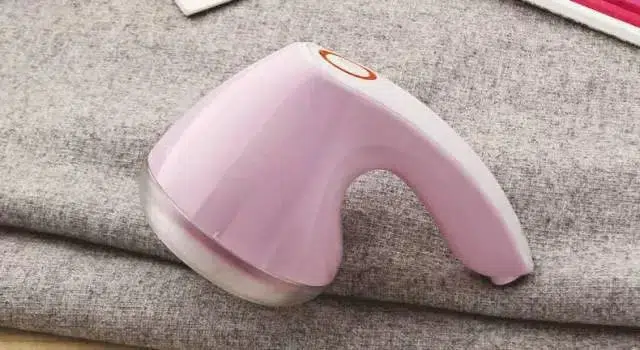
If your sweater pills, don’t rush to pull them off. You can use small scissors to cut off localized pills, and use a special pill remover for large areas of pilling.
So, stop misunderstanding wool sweaters! Pilling is normal. If you minimize friction between your wool sweater and rough surfaces while wearing it, you’ll definitely reduce pilling. Also, if you wash your wool sweater by soaking and air drying, without rubbing, it won’t pill easily! It needs to be treated gently too.

I have over 25 years of experience in hat and apparel manufacturing. With a steady and detail-oriented approach, I oversee factory production and team operations, ensuring reliable quality and on-time delivery for customers worldwide