When the 2026 Fall/Winter haute couture runways saw Chanel replace rigid tailored structures with loose, deconstructed silhouettes – and swap bold seasonal palettes for muted tones of oatmeal, misty pink, and pale lavender – the industry received a clear signal: the heavy, ornate, and ritualistic elements that once defined traditional couture are stepping aside. In their place, a softer, more wearable, nature‑rooted aesthetic is taking hold – one we call “Wildfairytale Quiet Luxury.”
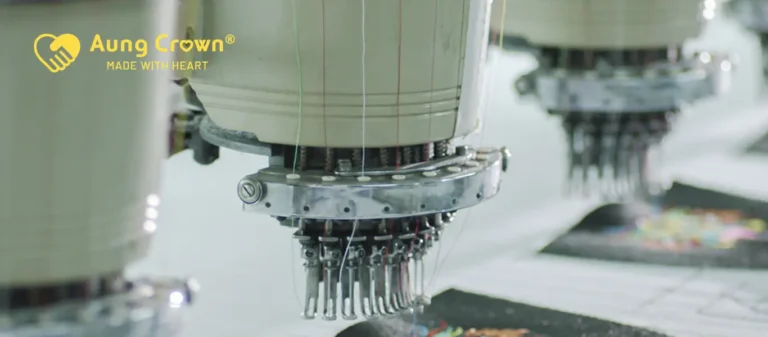
As a B2B custom hat manufacturer with years of industry experience, Aung Crown has recognized the deeper implication of this shift: lightweight design is no longer confined to womenswear – it is spreading to every corner of the accessories category. This article begins with the aesthetic transformation seen on the couture runways, and – through the unique lens of hat customization – explores how the “lightweight fabric aesthetic” can be practically applied for Fall/Winter 2026.
From Runway to Crown: Lightweighting as a Collective Call to “Unconstrain”
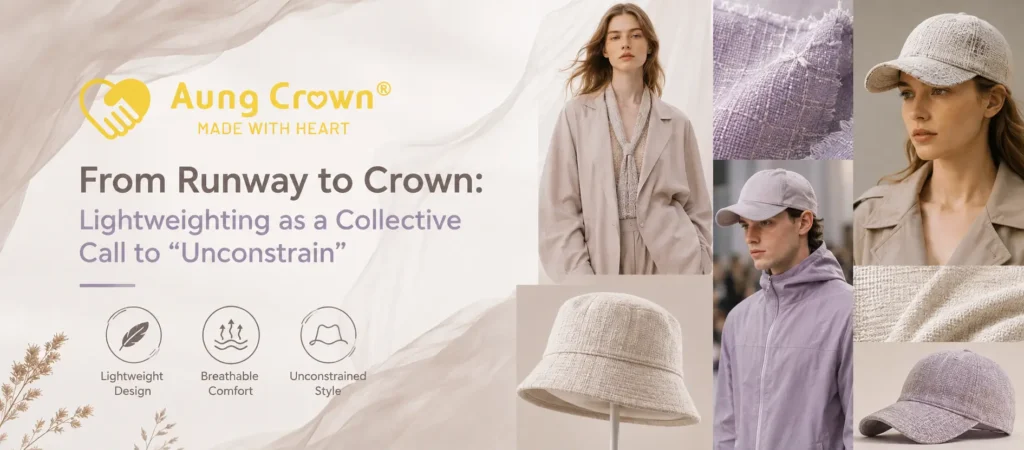
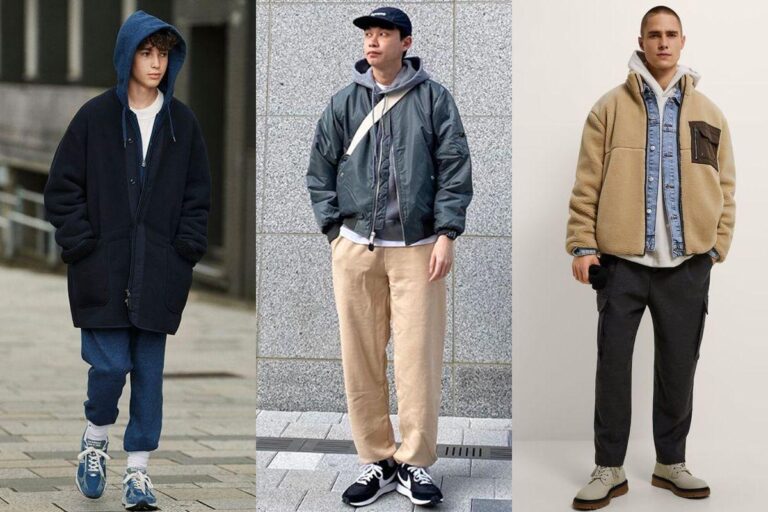
If there’s one word that defines 2026 Fall/Winter haute couture, it’s deconstruction. Shoulders are relaxed, hemlines are cropped, and edges are left raw – a deliberate departure from rigid tailoring. Low‑waist cuts and soft, flowing pleats are also making a strong comeback. The message is clear: designers want to set the body free. Designers are pushing to liberate the body from the garment. When this aesthetic shift translates to headwear, it signals that consumers no longer want a hat to “weigh down” their look – they want a piece that feels pressure‑free, breathable, and capable of naturally interacting with the skin.
In recent seasons, Aung Crown has observed through client feedback that traditional heavyweight twill and stiff canvas – commonly used in baseball caps and bucket hats – are seeing declining wearability in business‑casual and light‑social settings. We’re hearing the same question more and more often: “Can you give us something lighter – but still crisp and structured?” That’s exactly what the 2026 Fall/Winter couture collections are addressing with their lightweight tweed updates.
How Four Key Fabric Trends Are Reshaping Custom Hat Design
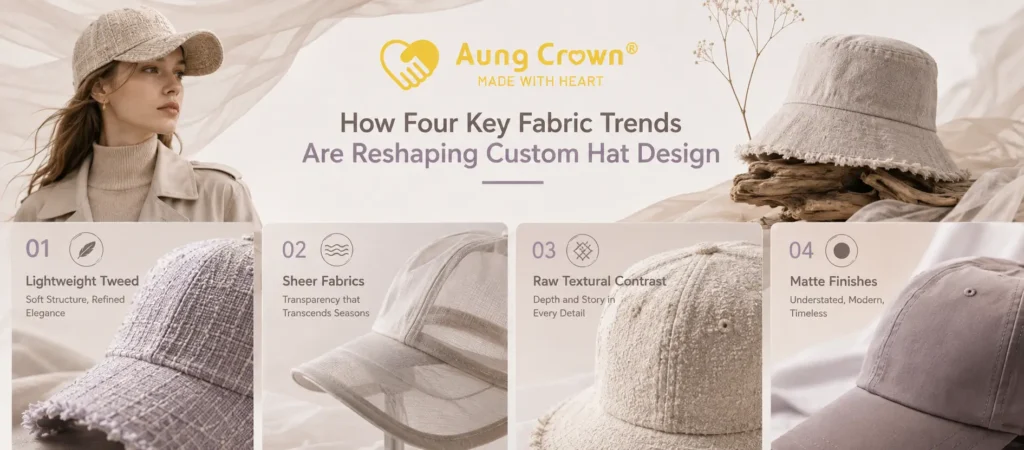
The four material directions seen on the couture runways – lightweight tweed, sheer fabrics, raw textural contrast, and matte finishes – are rapidly spreading from apparel to the accessories category. For custom hat design, these trends go beyond fabric weight and handfeel; they are redefining the relationship between the hat, the wearer, the outfit, and the occasion. Lightweighting makes wearing more pressure‑free; transparency breaks seasonal barriers; textural contrast adds narrative depth to design; and matte tones bring the hat back to its role as a refined complement rather than a dominant statement. Below, we break down how each of these four directions can be translated into material selection and craftsmanship for custom hats.
1. Lightweight Tweed: Saying Goodbye to “Head Weight”
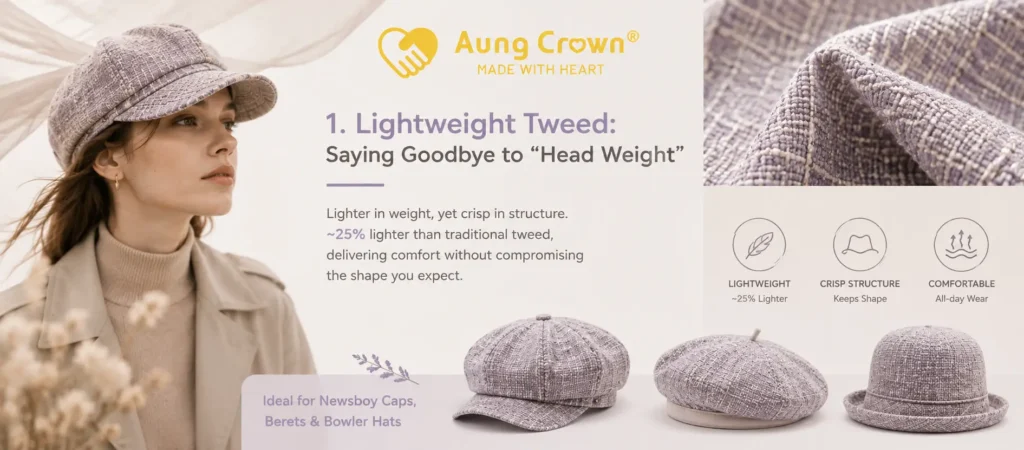
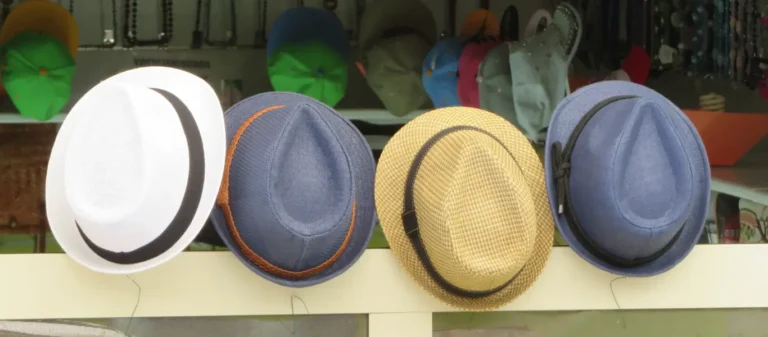
In the world of haute couture, traditional tweed is being significantly lightened – by adjusting yarn ratios and incorporating fine metallic threads and transparent monofilaments – making it suitable for cropped jackets and vests. This same logic applies to hat customization. Aung Crown is currently testing a lightweight blended tweed that reduces fabric weight by approximately 25% compared to traditional hat materials. Through differentiated twist designs in the warp and weft yarns, it still delivers the crisp brim and structured crown that customers expect. This material is well‑suited for newsboy caps, berets, and bowler hats – styles that require a degree of structure.
2. Sheer Fabrics: Bringing Breathability to the Spring‑Summer Transition
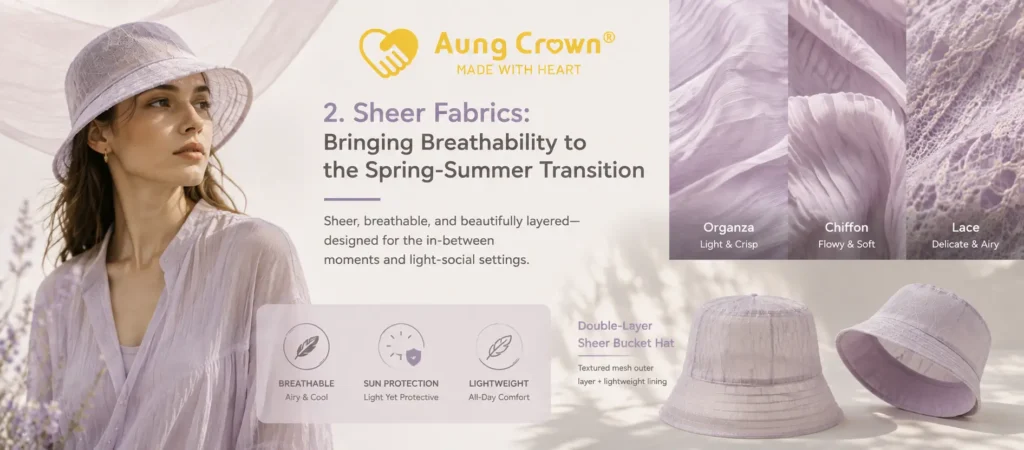
High‑density organza, pleated chiffon, and openwork lace have emerged as key materials for dresses and light gowns this season. For hats, the introduction of sheer fabrics is challenging the long‑held perception that “a hat is meant to cover.” Aung Crown’s new double‑layer sheer bucket hat collection features an outer layer of custom‑woven textured mesh and a lightweight inner lining – retaining sun protection while creating a delicate, translucent layering effect. This design is particularly well‑suited to the spring‑summer transition and light‑social indoor settings.
3. Raw Textural Contrast: A Dialogue Between Rough and Refined
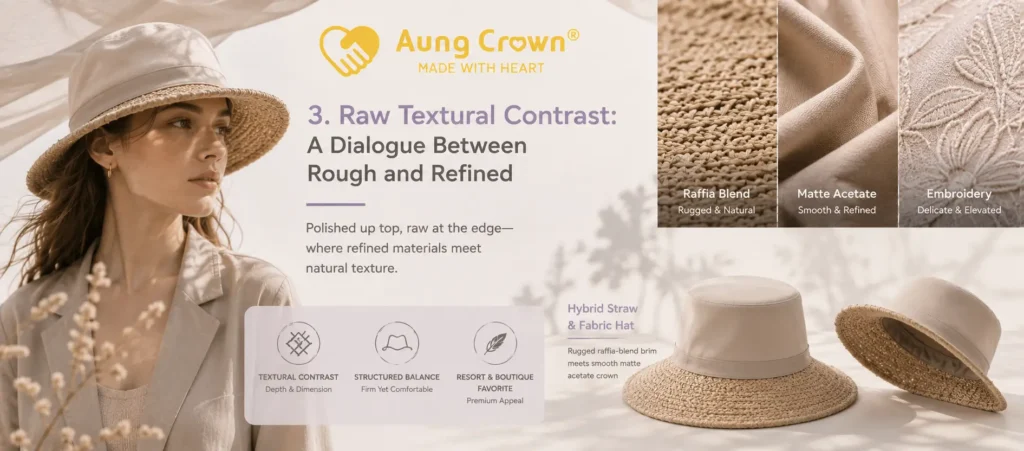
The interplay between raffia blends, coarse textured fabrics, and the smoothness of embroidery and silk has been a key signature this season – adding visual depth and distinctiveness to the collections. Aung Crown has applied this concept to a hybrid straw‑and‑fabric hat design: the brim features a rugged raffia‑blend weave, while the crown is crafted from a smooth, matte acetate – creating a “polished up top, raw at the edge” aesthetic. This design has received particularly strong feedback from resort collections and high‑end boutique channels.
4. Matte Finishes: The Underlying Tone of Quiet Luxury
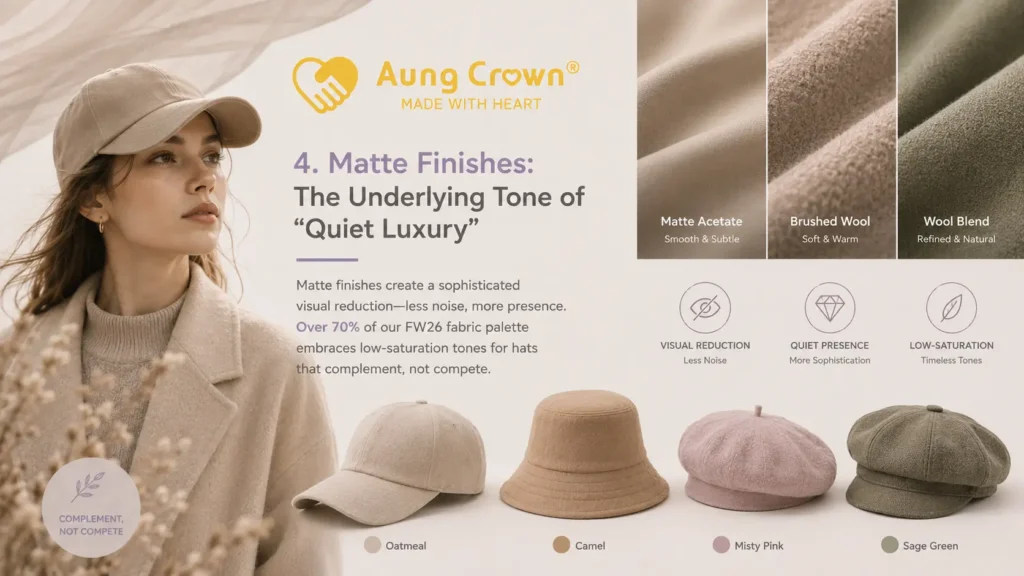
Matte acetate, brushed worsted wool, and blended wool fabrics are steadily replacing high‑shine materials across the board. In the world of headwear, matte finishes deliver a more sophisticated visual reduction – less noise, more presence. Matte finishes now make up over 70% of Aung Crown’s Fall/Winter 2026 fabric palette, with colors staying in the low‑saturation range – oatmeal, camel, misty pink, and sage green. The result? Hats that complement the outfit, not compete with it.
How Custom Hat Design Can Embody the “Wildfairytale” Narrative
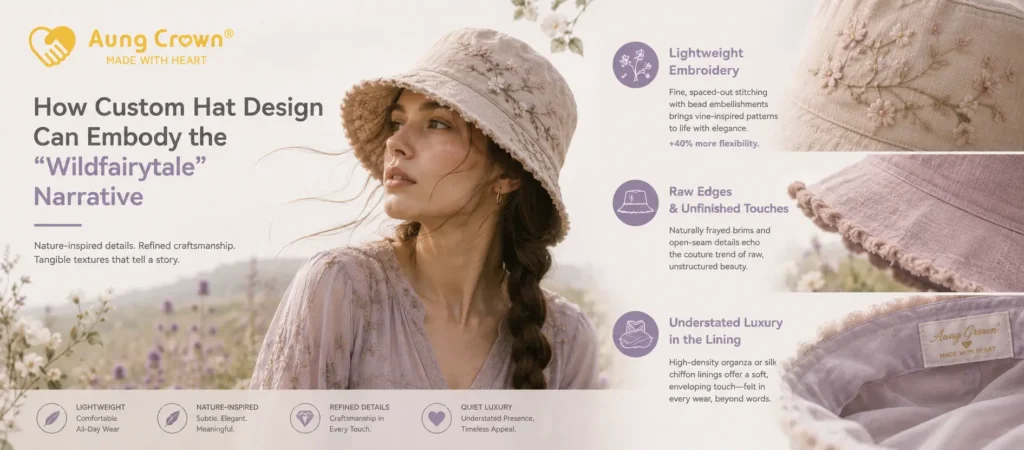
The essence of the “Wildfairytale Quiet Luxury” aesthetic is not about layering elements, but about narrative texture. Natural motifs – vines, blossoms, butterflies – are subtly expressed through three‑dimensional embroidery and micro‑texture techniques. In custom hat design, Aung Crown translates this concept into “tangible details”:
- Lightweight embroidery: Traditional hat embroidery often uses thick, dense stitching – heavy and rigid. For the 2026 season, we are prioritizing fine, spaced‑out stitching combined with bead embellishments. With a lighter stitch density, vine‑inspired patterns are rendered more delicately, and the flexibility of embroidered areas has improved by over 40%.
- Raw edges and unfinished touches: Naturally frayed brim edges and open‑seam detailing echo the couture trend of replacing rigid structures with raw, unfinished finishes.
- Understated luxury in the lining: The hat’s inner lining is crafted from high‑density organza or lightweight silk chiffon, upgrading the feel against the scalp from a rough, abrasive sensation to a gentle, enveloping one. It’s a detail that consumers may not articulate – but they will certainly feel.
A B2B Customization Perspective: Three Practical Dimensions for Trend Implementation
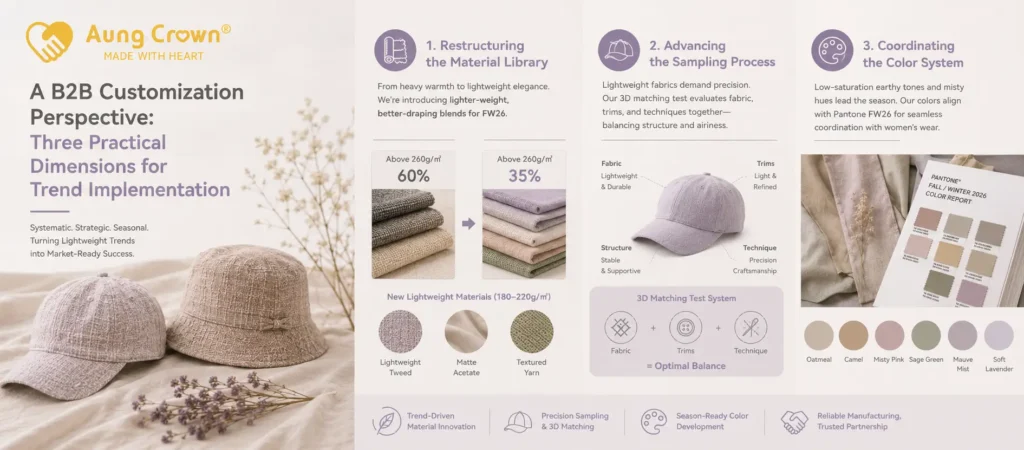
As a B2B manufacturer serving brand clients and sourcing partners, Aung Crown believes that the 2026 Fall/Winter lightweight trend must be implemented systematically across three dimensions:
First, restructuring the material library. Traditional fall/winter hat materials have been driven by heavy warmth retention. For the 2026 season, it’s essential to introduce lighter‑weight, better‑draping blends. We have already reduced the share of fabrics above 260g/㎡ in our material library from 60% to 35%, while adding new lightweight tweed, matte acetate, and textured yarn options in the 180‑220g/㎡ range.
Second, advancing the sampling process. Lightweight fabrics are more demanding on fit and structure – the same baseball cap style can suffer from crown collapse and brim softness when made with lighter materials. At the sampling stage, Aung Crown has introduced a three‑dimensional matching test that evaluates fabric, trims, and techniques together, ensuring that every lightweight hat style finds the optimal balance between structure and airiness.
Third, coordinating the color system. Low‑saturation earthy tones and misty hues are the season’s dominant palette. Our color development has been aligned with the Pantone Fall/Winter 2026 Color Report, ensuring that the hat colors our clients choose can seamlessly coordinate with the season’s womenswear collections.
In the End
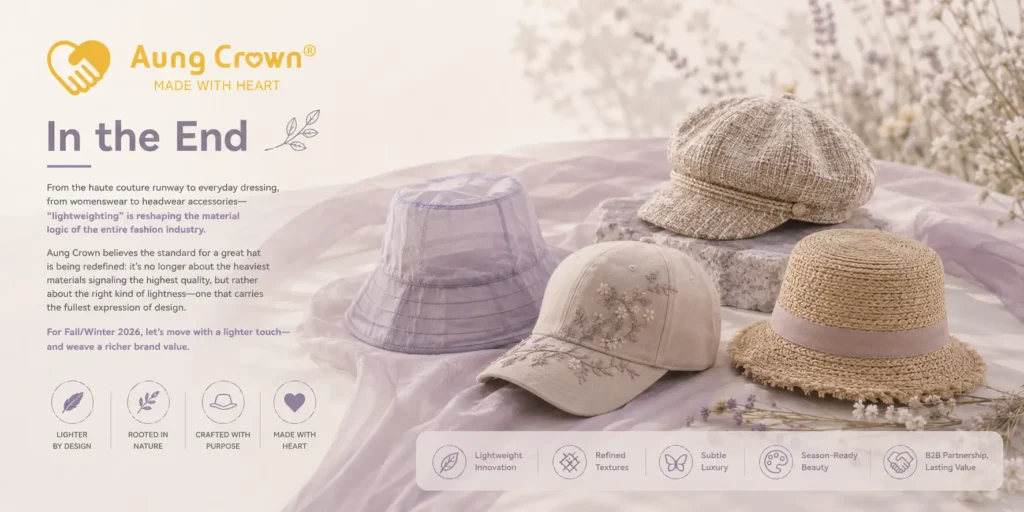
From the haute couture runway to everyday dressing, from womenswear to headwear accessories – “lightweighting” is reshaping the material logic of the entire fashion industry. Aung Crown believes the standard for a great hat is being redefined: it’s no longer about the heaviest materials signaling the highest quality, but rather about the right kind of lightness – one that carries the fullest expression of design. For Fall/Winter 2026, let’s move with a lighter touch – and weave a richer brand value.
Common FAQs
Source:
- Chanel. HAUTE COUTURE FALL/WINTER 2026. https://www.chanel.com/us/haute-couture/fall-winter/
Having studied in the U.S., I now lead the global digital operations at Aung Crown. My passion lies in blending fashion trends and musical inspiration into the B2B landscape, allowing me to share the unique craftsmanship of Chinese hat-making with a global audience.