Introduction
“Why does the fabric look a little different?”
“It’s clearly the same fabric!”
“Ugh! The fabric was used backwards again, waaaaaah TAT”
How do you tell the front and back of a fabric?
Distinguishing the front and back of the fabric
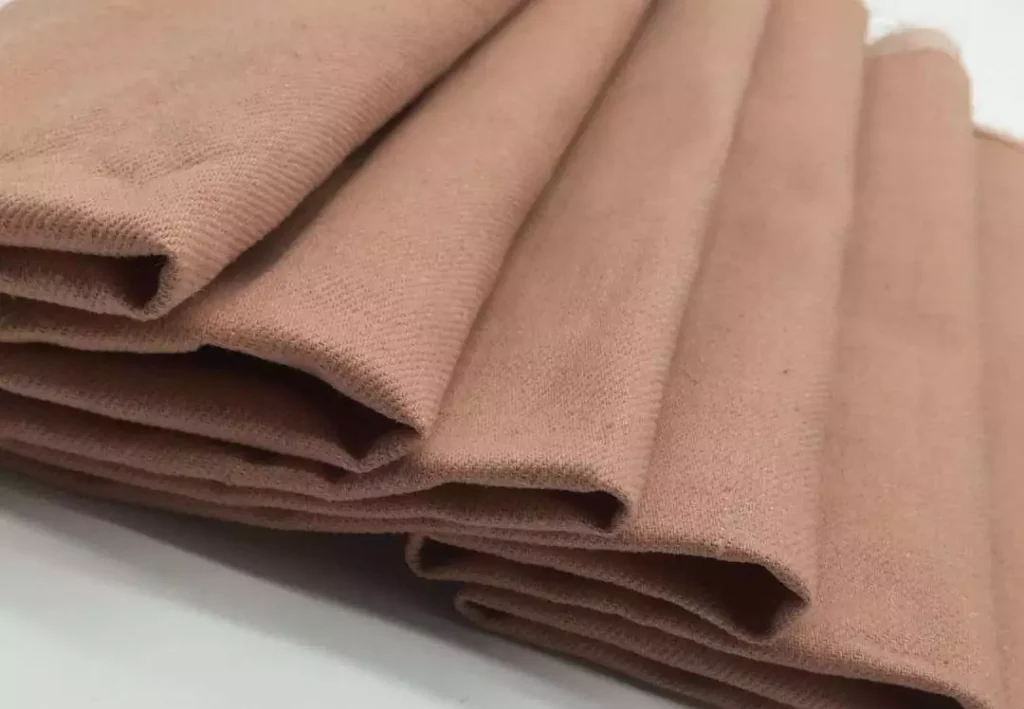
Pattern and color
(1) Generally, the patterns and colors on the front of a fabric are clearer and more beautiful than those on the back. (Some special fabrics may be the opposite; you can choose according to the usage.)
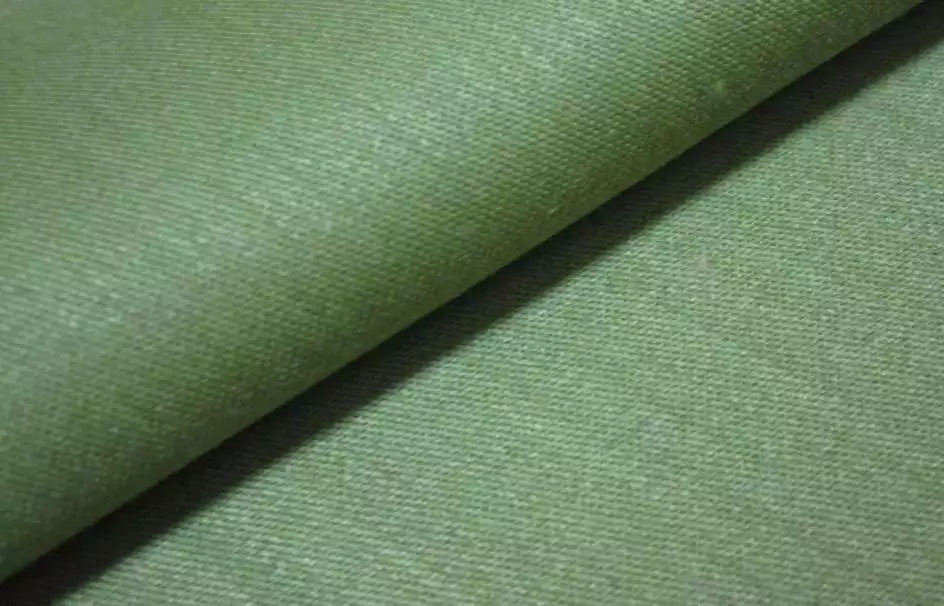
Stripes and checks
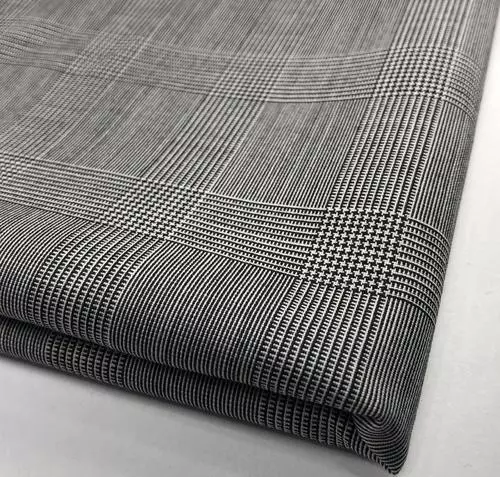
On striped, checked, or color-patterned fabrics, the face usually has the clearest, most pleasing pattern.
Ribbed and embossed fabrics
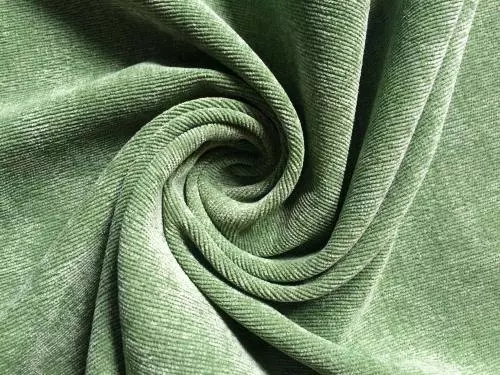
The face is tight and fine, with raised stripes or patterns. The back is rougher, with longer floats.
Pile fabric
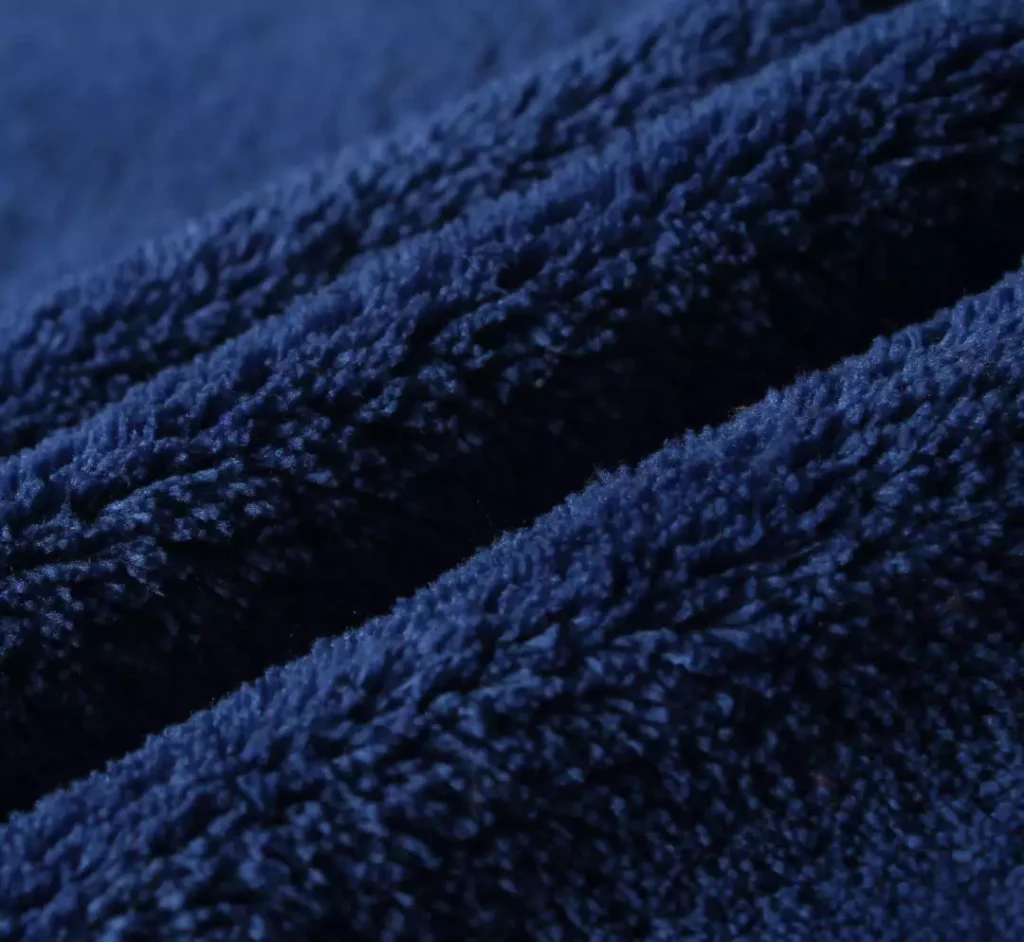
For single-sided pile fabric, the pile side is the right side. For double-sided pile fabric, the side with smooth and neat pile is the right side of the fabric.
Selvedge (fabric edge)
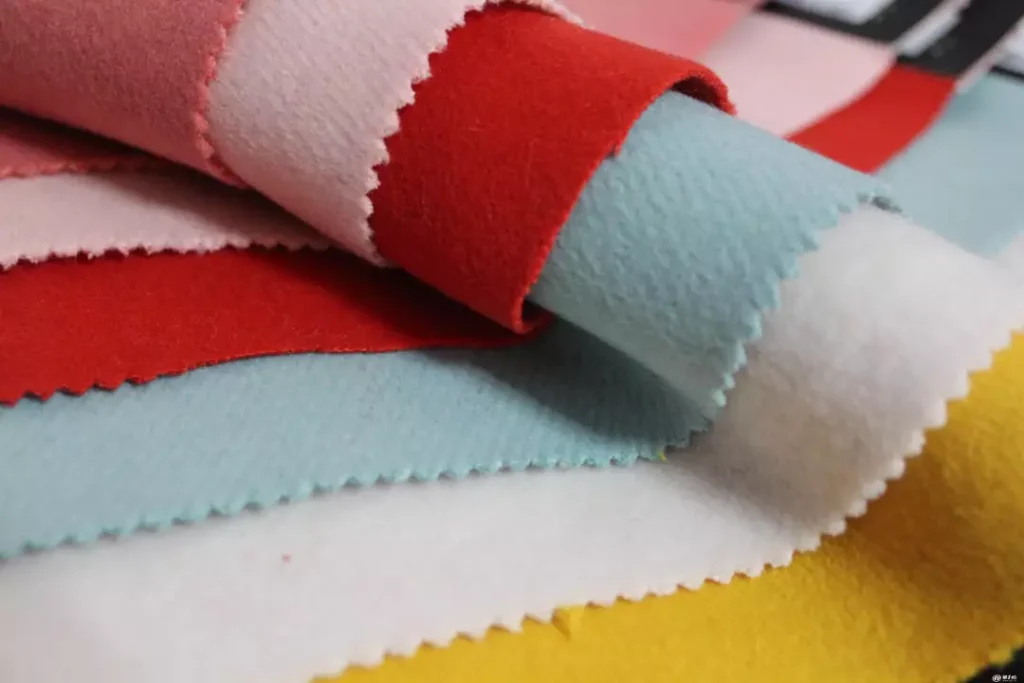
Generally speaking, the clean and neat side of the selvage of a fabric is the front side of the fabric.
Double-layer and multi-layer fabrics
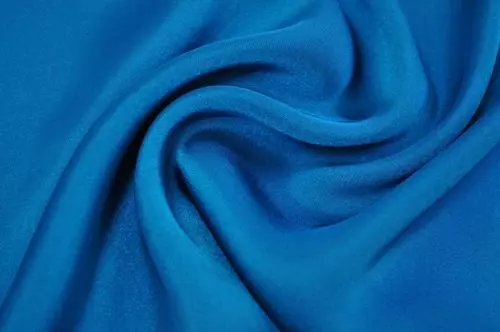
Double-layer and multi-layer fabrics: If the warp and weft densities of the front and back are different, the front side generally has a larger density or the raw material on the front side has a better feel.
Gauze fabric
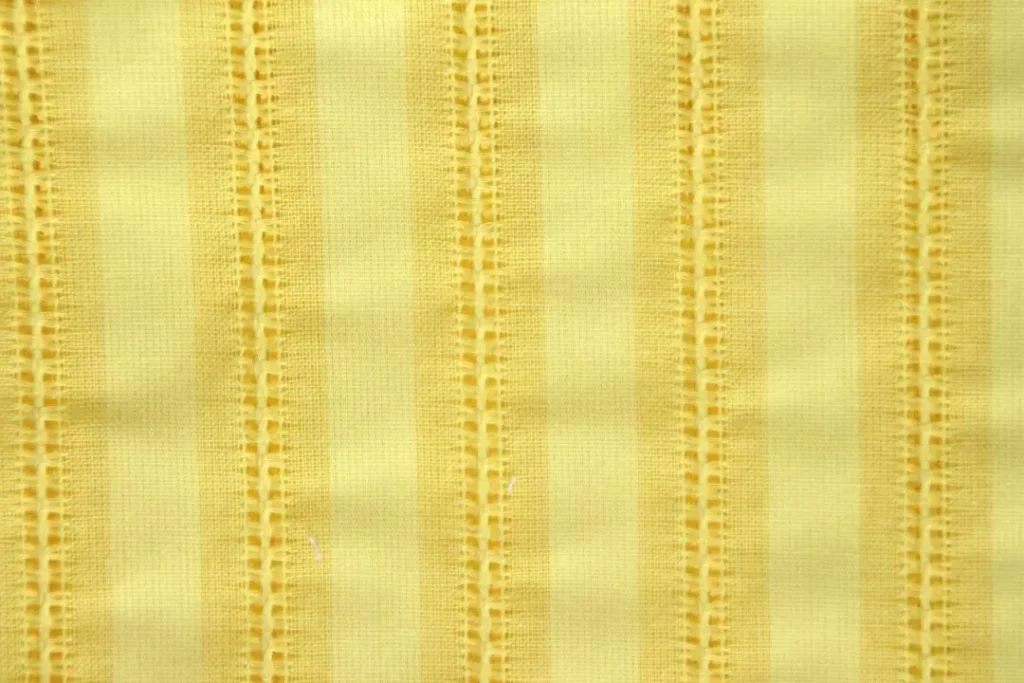
The side with clear texture and prominent twisted warp is the front.
Terry fabrics
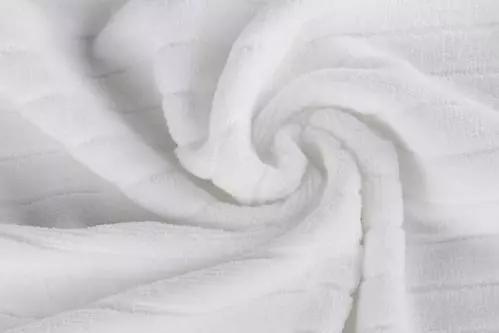
The side with higher loop density is the front.
Printed fabrics
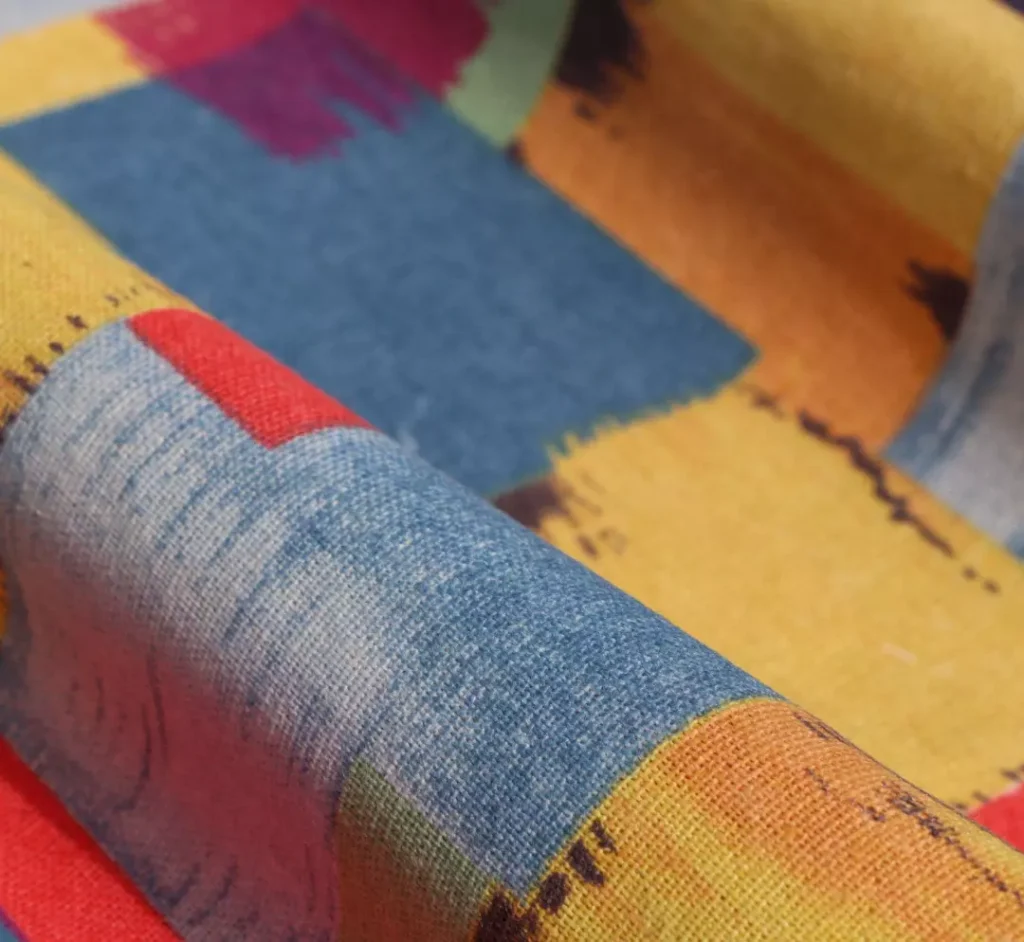
The side with clear patterns and bright colors is the front.
Whole pieces of fabric
Except for export products, the side with the label, instruction sheet, or factory inspection stamp is usually the back.
Note: Most fabrics we use have a clear distinction between the front and back, but there are also many fabrics that are almost identical on both sides and can be used on both sides. Therefore, it is not necessary to distinguish the front and back of such fabrics.
Distinguishing Direction (Nap / Pattern Direction)
When choosing fabric in a store, customers often find it hard to tell the face from the back. When cutting and sewing, a small mistake can make the garment’s color uneven, the pattern mismatched, and the shape less attractive. So identifying the face and back is very important.
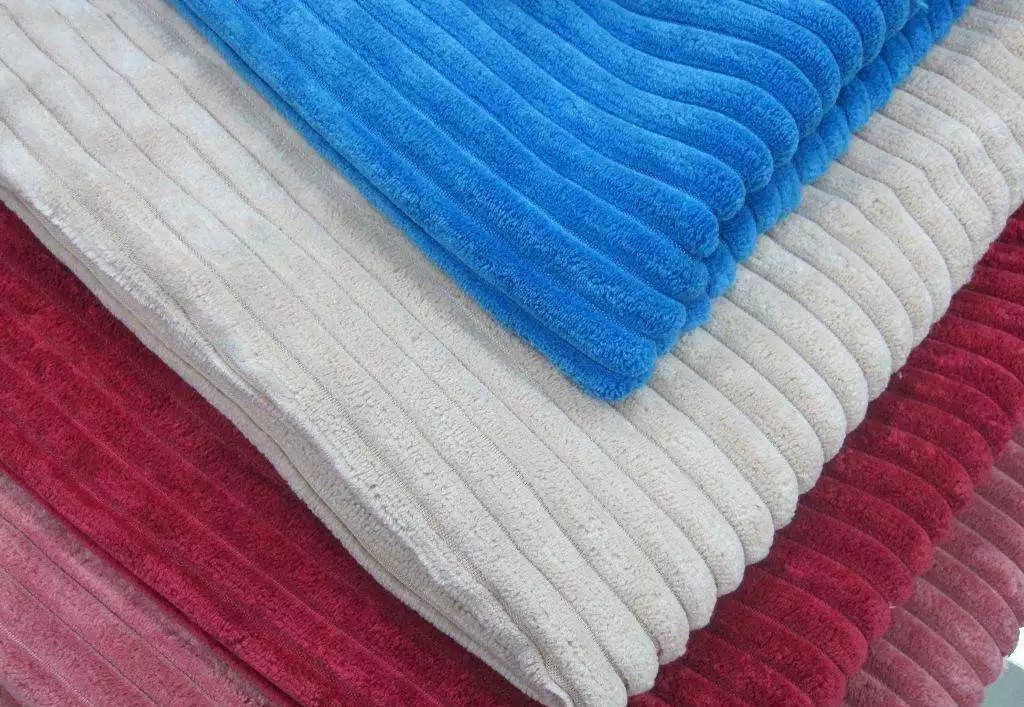
You can generally use your eyes and hands. Here are the main points:
By pattern and color: The face has clear, clean, detailed patterns and bright colors. The back looks blurrier, duller, and less layered.
By nap (fuzz): Corduroy, velveteen, and mercerized velvet have nap on the face and a flatter back. For double-sided brushed fabrics, the face has more and neater nap; the back has less.
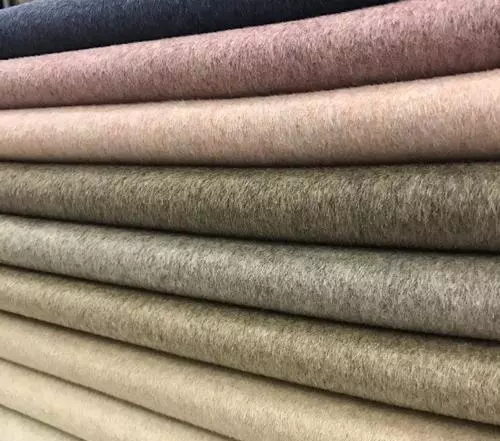
By the selvedge: On most fabrics, the face’s selvedge is flatter and crisper. The back’s selvedge curls inward. On some high-end fabrics like woolens, there may be printed codes or text on the selvedge. On the face, the text is clear and clean; on the back, it is blurry and reversed.
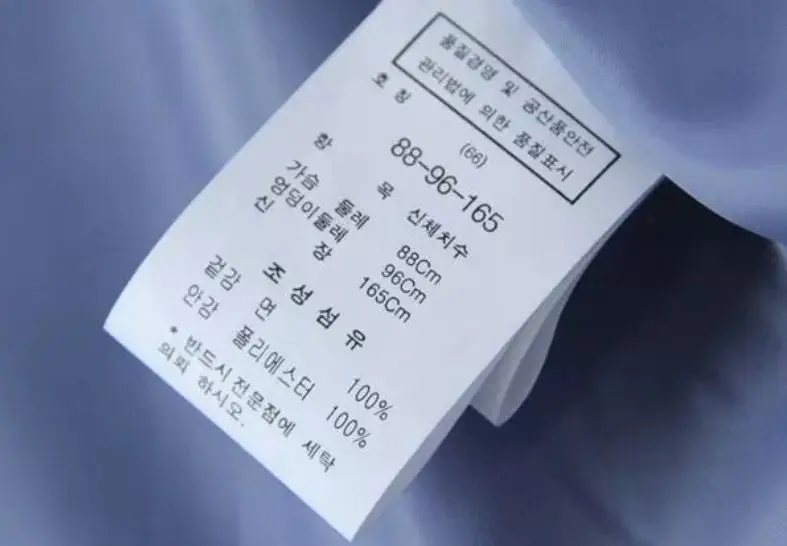
By labels and stamps: For domestic fabrics sold in China, the back usually has a brand label and product description, and both ends of each piece are stamped with the production date and inspection seal. For export products, the label and stamp are placed on the face.
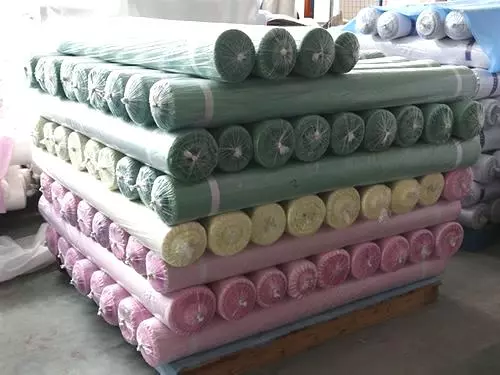
By packaging: For fabric in a roll, the end facing outward is usually the back. For double-folded fabric, the inner layer is the face and the outer layer is the back.
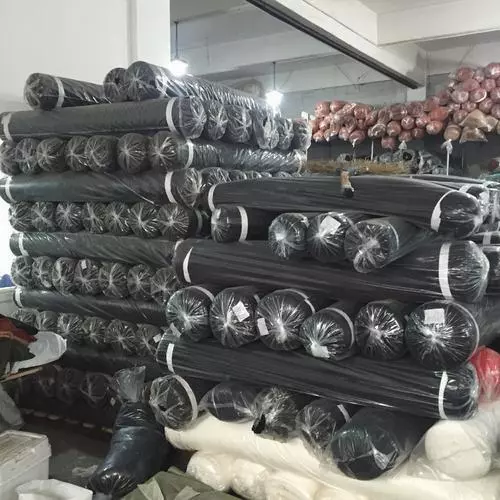
Note: A few fabrics have a unique pattern or soft color on the back and can be used with the back as the face. For jacquard, striped, and checked fabrics, the face’s stripes, checks, and jacquard patterns should be clearer, more layered, brighter, and more even than the back. For plain weave, twill, and satin fabrics, the face has clearer texture, a distinct pattern, and a smooth, clean surface. In short, judge from multiple angles before deciding.
Printed fabric direction: Not all printed fabrics have a direction. It depends on the pattern. Complete designs, portraits, vehicles, ships, buildings, and trees cannot be upside down, or the appearance will suffer.
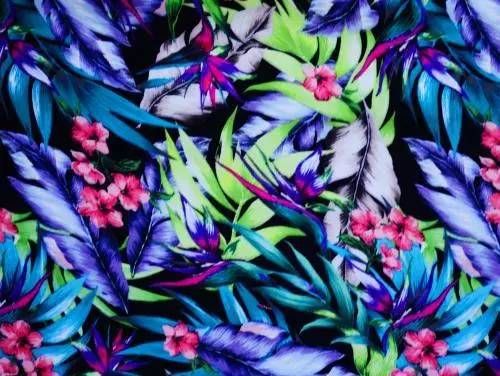
Asymmetric checks: Checks that are not left-right symmetric are called “yin-yang checks.” Checks that are not top-bottom symmetric are called “direction checks.” Make sure all checks on the garment align in the same direction; otherwise the checks will look chaotic and ruin the look.
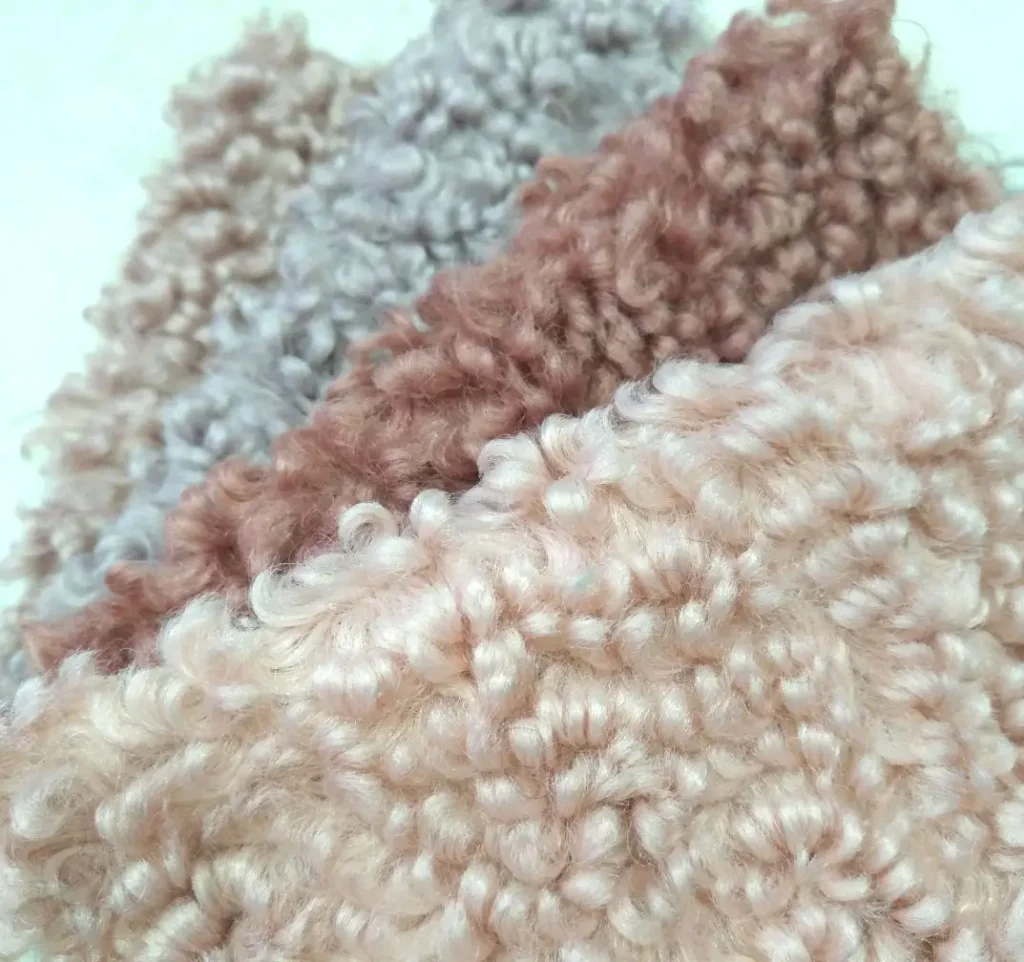
Nap fabrics direction: Corduroy, gold velvet, and velveteen have a thick nap. With the nap, the color is lighter, the luster is brighter, and the surface feels smooth. Against the nap, the color is darker, the luster is duller, and the surface feels rough. When making clothes from nap fabrics, make sure all pieces run in the same direction. Otherwise, colors will look different in natural light and the luster will vary. Generally, cutting against the nap is preferred. For shiny fabrics, also keep the direction consistent.
How to Identify the Warp and Weft in Fabric

(1) If the fabric has a selvedge, the yarn direction parallel to the selvedge is the warp; the other direction is the weft.
(2) The sized yarn direction is the warp; the unsized direction is the weft.
(3) Generally, the direction with higher density is the warp; the direction with lower density is the weft.
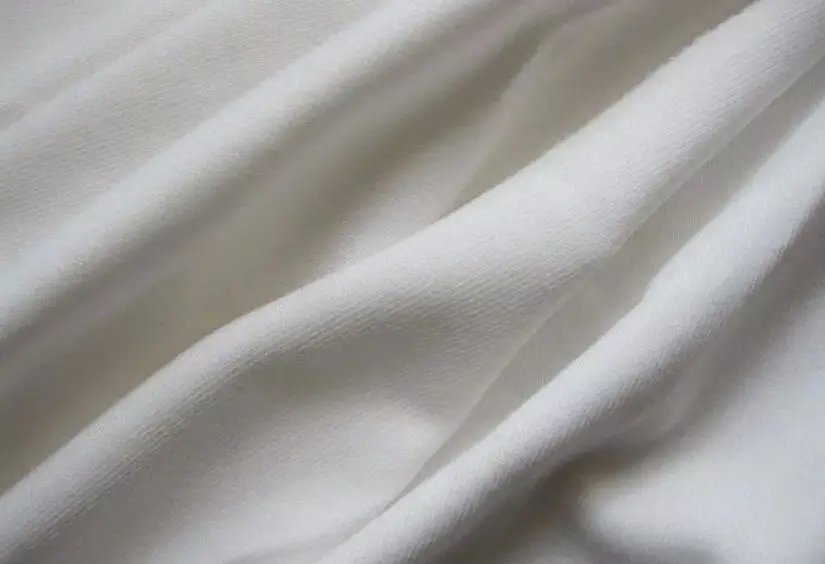
(4) If the fabric has visible reed marks, the reed mark direction is the warp.
(5) In half-ply fabrics, the ply yarn direction is usually the warp; the single yarn direction is the weft.
(6) In single-yarn fabrics, if the twist directions differ, the Z-twist direction is the warp; the S-twist direction is the weft.
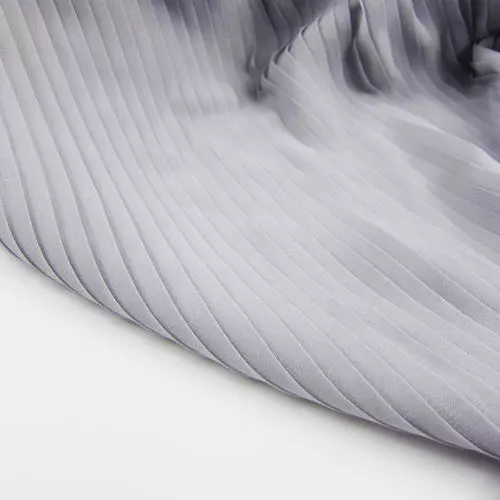
(7) If the warp and weft yarns are similar in count, twist direction, and twist level, the direction with more even yarn and better luster is the warp.
(8) If the yarn twist levels differ, the direction with higher twist is usually the warp; the lower twist is the weft.
(9) In terry fabrics, the direction of the loop-forming yarns is the warp; the direction without loops is the weft.
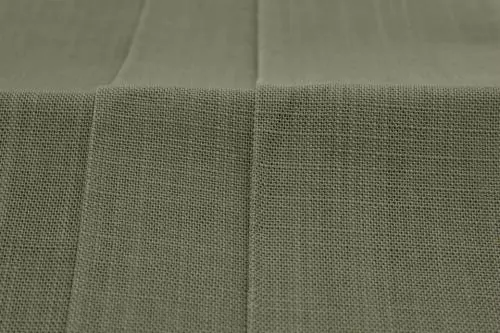
(10) In striped fabrics, the stripe direction is usually the warp.
(11) If one yarn system has yarns of several different counts, that direction is the warp.
(12) In leno fabrics, the direction with twisted yarns is the warp; the direction without twisted yarns is the weft.
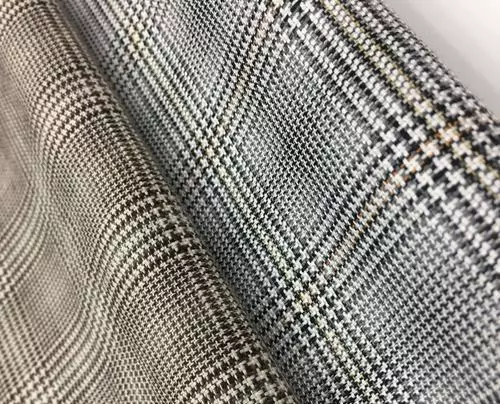
(13) In fabrics woven from different fibers:
- Cotton-wool or cotton-linen blends: cotton is usually the warp.
- Wool-silk blends: silk is usually the warp.
- Wool-silk-cotton blends: silk and cotton are usually the warp.
- Natural silk and spun silk blends: natural silk is usually the warp.
- Natural silk and rayon blends: natural silk is usually the warp.
Note: Since various fabrics have a wide range of uses and many varieties, the requirements for fabric raw materials and structures are also diverse. Therefore, the specific situation of the fabric must be considered when making a judgment.
Summary
- Face vs. back: Check pattern, color, nap, selvedge, labels, and packaging.
- Direction: Check pattern completeness, check symmetry, and nap direction.
- Warp vs. weft: Check selvedge, sizing, density, reed marks, yarn type, twist, and fiber blends.
Most fabrics have a clear face and back. Some can be used either way. When in doubt, judge from multiple angles rather than relying on a single rule.

I’m Kailyn, the founder of Aung Crown. I’ve spent over a decade “in the trenches” of the hat and clothing trade, learning exactly what it takes to make a product stand out. I’m a bit of a perfectionist when it comes to design and quality, but that’s because I care about your brand’s success as much as you do. Whether you need production advice or post-sales support, I’ve got you covered every step of the way.