Introudction
“The first batch came out yellowish. The second batch came out whiter.”
Sound familiar?

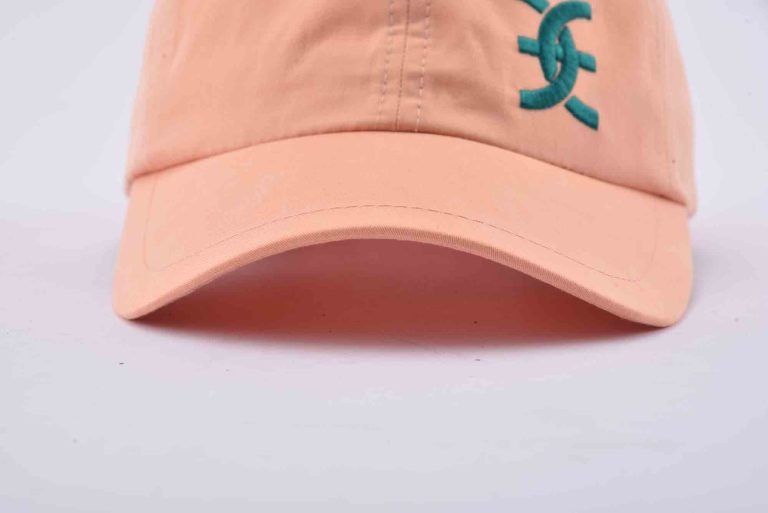
This happens most often with off-white, khaki, and light gray, and with washed or distressed hats. Reorders are especially prone to color differences.
Here are the three main reasons.
01 Fabric Dye Lots: The Color Can Differ From the Start
Fabric is usually dyed in separate batches, called dye lots. Even with the same color code and the same dye recipe, different lots can come out slightly different. Common causes include:
- Variations in dye batches and concentration
- Fluctuations in dyeing temperature, time, and other process settings
- Differences in pre-treatment and in the base color of the raw fabric
If your order is split across several dye lots, don’t assume every lot matches exactly, even when they share the same color code.
02 Aged Samples: Your Color Standard May Have Changed
Some customers send a sample hat that is six months old, or even older, and ask the factory to match its color.
But cotton naturally yellows over time when exposed to light, heat, and humidity. If the factory reproduces the color from an old sample, one of two things may happen: the new hat looks cleaner, while the old sample has already turned yellow.
The safer approach is to keep the original approved color records, a physical approved sample (a “sealed sample”), and the production batch records. When needed, check them against a newly approved sample.
03 Washing Process: The Same Fabric Can Wash Out Differently
The color of a washed hat is also affected by finishing. After sewing, the hat goes through washing, spinning, drying, and shaping before shipment. Changes in any of these will affect the final color and the worn-in look:
- Washing temperature and time
- Enzyme concentration and wash formula
- Machine speed and load size
- Spinning and drying conditions
It helps to separate two things. A natural worn-in look allows some variation in texture and shading from hat to hat. But the overall color tone, the light-to-dark range, and the distressed style should stay consistent across the whole batch.

How Our Factory Controls Color Differences on Reorders
We focus on four things:
1. Fabric Batch Management
We plan fabric for reorders in advance and use fabric from the same batch whenever possible. When fabric comes from multiple dye lots, we check the color of each lot, not just the color code.
2. Confirming the Wash Effect Before Bulk Production
For washed hats, confirming the fabric color is not enough. We also run actual wash tests.
3. Setting a Physical Sample Standard
We keep the customer’s approved original sample and record the fabric, color, wash formula, and process settings.
4. Using Consistent Color-Checking Conditions
We check color under standard lighting whenever possible, and use a spectrophotometer (a color-measuring device) when needed. This reduces misjudgments caused by different lighting and viewing environments.
An Honest Word
Especially with washed hats, zero color difference is not realistic.
What a good factory should have is a clear color standard before every production run, batch management during production, and a clear basis for judging and handling any problems that come up.

I have over 25 years of experience in hat and apparel manufacturing. With a steady and detail-oriented approach, I oversee factory production and team operations, ensuring reliable quality and on-time delivery for customers worldwide