Intro
When sourcing a hat manufacturer for the first time, many buyers are confused by the terms OEM and ODM. While they may sound technical, the difference is actually quite straightforward. Understanding these two manufacturing models can help you choose the right production partner and streamline your product development process.
What Is OEM Hat Manufacturing?
OEM (Original Equipment Manufacturer) means that you already have a clear product plan before approaching the factory.
This typically includes:
- Complete design drawings or tech packs
- Fabric and material specifications
- Logo placement and customization details
- Product dimensions and construction requirements
In an OEM project, the factory’s role is to manufacture the product according to your specifications. The goal is to accurately transform your design into finished hats while maintaining quality consistency throughout production.
OEM manufacturing is ideal for:
- Established brands
- Companies with in-house design teams
- Businesses with mature product lines
- Buyers who know exactly what they want
The process is generally faster because the product development direction is already defined.
What Is ODM Hat Manufacturing?
ODM (Original Design Manufacturer) involves a more collaborative product development process.
Instead of providing a completed design, you bring an idea, concept, or market direction. The factory then helps develop the product from concept to production.
For example, you may provide information such as:
- Your target customer group
- Preferred style (sports, fashion, outdoor, streetwear, etc.)
- Brand positioning
- Price range requirements
The manufacturer assists with:
- Product design
- Material selection
- Pattern development
- Sample creation
- Production planning
The final result is a market-ready hat designed and manufactured with the factory’s expertise.
ODM manufacturing is ideal for:
- Start-up brands
- New e-commerce sellers
- Businesses expanding into new product categories
- Companies without dedicated design resources
OEM vs. ODM: Key Differences
| OEM | ODM |
| Customer provides the complete design | Factory helps create the design |
| Focus on manufacturing execution | Focus on both design and manufacturing |
| Suitable for established brands | Suitable for new or growing brands |
| Faster development process | More collaborative development process |
| Higher control over product details | Greater support from the manufacturer |
Which Model Is Better for Your Brand?
From a manufacturer’s perspective, neither model is inherently better—the right choice depends on your business needs.
Choose OEM if:
- You already have finalized designs.
- You need precise product replication.
- You have experience managing product development.
Choose ODM if:
- You only have a product idea or concept.
- You want professional design support.
- You wish to leverage the manufacturer’s industry experience.
Many first-time buyers find ODM particularly valuable because it reduces development risks and shortens the learning curve. Experienced brands, on the other hand, often prefer OEM because it gives them complete control over product specifications and brand identity.
Pro-Tips for Your Success
Know Your IP Rights: When choosing ODM, ensure you clarify if you own the design rights after production. Always sign an NDA (Non-Disclosure Agreement) with your manufacturer.
Consider MOQs: OEM often requires higher Minimum Order Quantities (MOQ) due to custom setups. ODM might offer lower MOQs by utilizing existing factory molds.
Summary
In short, OEM means you bring your designs, and we’re responsible for making them; ODM means you bring your ideas, and we work together to produce the product. Choosing the right model significantly reduces communication costs and ensures more stable efficiency.
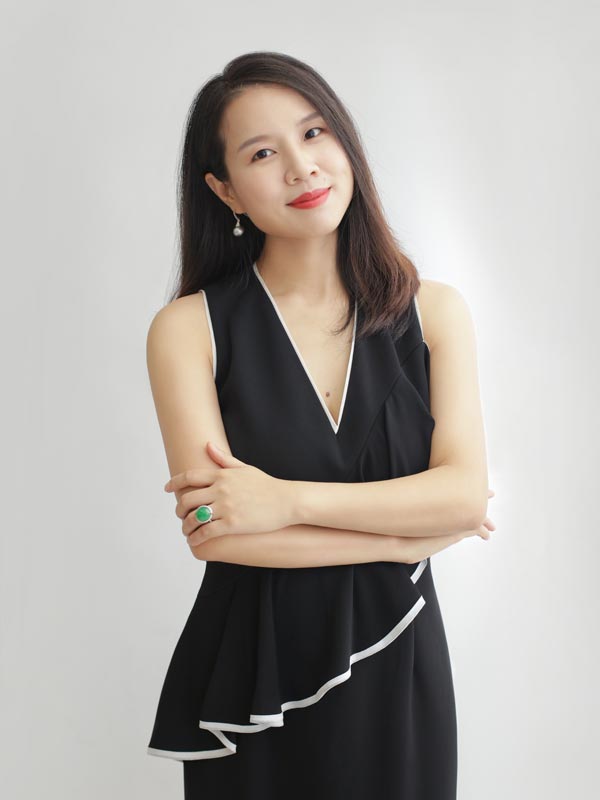
I’m Kailyn, the founder of Aung Crown. I’ve spent over a decade “in the trenches” of the hat and clothing trade, learning exactly what it takes to make a product stand out. I’m a bit of a perfectionist when it comes to design and quality, but that’s because I care about your brand’s success as much as you do. Whether you need production advice or post-sales support, I’ve got you covered every step of the way.