Intro
As a factory, these are the things you really need to pay attention to. Singapore is probably one of the easiest markets in Southeast Asia to work with, but it is also one of the most standardized and detail-oriented.
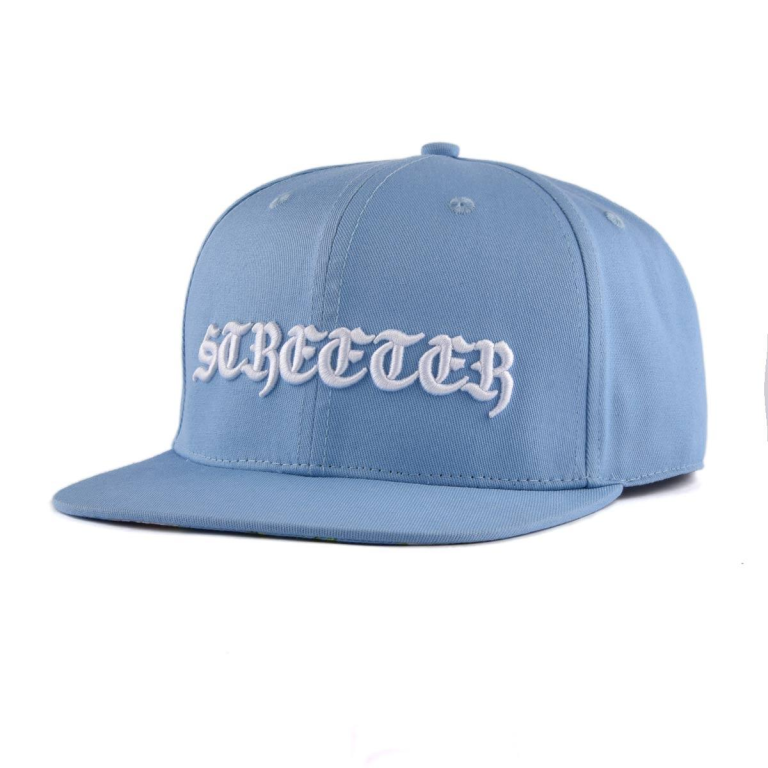
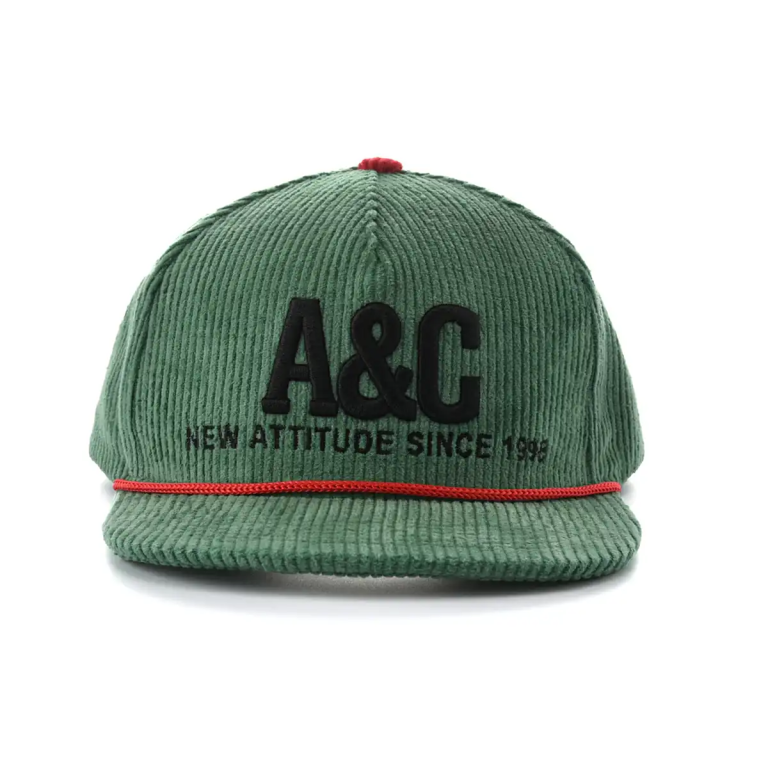
Last year, our factory made hats for a Singapore client for the first time. The order was not big, but the whole process was very representative. Here are the mistakes and lessons we learned.

1. Singapore Hat Orders Are Small, But Quality Requirements Are High
The client’s first order was only 500 custom baseball caps.
The unit price was not very high, but the quality requirements were even stricter than some US and European customers.
Common Problems in Hat Production
Singapore buyers pay close attention to:
- Color consistency
- Stitching quality
- Loose threads
- Brim shape
- Clean packaging
- Odor-free products
Even small defects can become a problem during inspection.
Our Advice for Hat Manufacturers:
- Always send physical samples for approval
- Do not rely only on photos
- Keep fabric and accessory samples on file
- Use mid-to-high-end QC standards for production
The Singapore market may have smaller order quantities, but customers often place repeat orders if the first shipment goes smoothly.
2. Hat Material Labels and Product Safety Matter
One factory we know almost had shipment issues because of incorrect label details.
Fiber Content Labels Must Be Accurate
For example:
- Cotton
- Polyester
- Cotton Polyester Blend
The material composition must be accurate and written clearly in English.
Singapore buyers are very sensitive about false or unclear product labeling.
Children’s Hats Need Extra Attention
For kids’ hats and youth caps:
- Avoid removable small accessories
- Control the length of drawstrings and decorations
- Avoid heavy or complicated metal accessories
One factory had to remove decorative rivets before the goods could finally ship.

3. Singapore Does Not Require Complex Certifications, But Export Documents Must Be Correct
The good news for hat exporters:
- Most hats do not require mandatory certification
- Fewer testing reports are needed compared with the US or Europe
However, export documents must be accurate, including:
- Commercial Invoice
- Packing List
- Correct HS Code classification
Incorrect shipping documents can still delay customs clearance.
4. Hat Packaging Is Very Important for Singapore Customers
Singapore customers care a lot about clean and professional packaging.
One customer specifically required:
- Each cap packed in an individual OPP bag
- Clean outer cartons
- No damaged cartons
- No old recycled boxes
- No deformed hat brims
Our Packaging Advice
- Keep hat brims properly shaped during shipping
- Add carton dividers to avoid pressure damage
- Use strong and clean export cartons
Good packaging helps reduce complaints and improves customer satisfaction.
5. Choose the Right Shipping Method for Singapore
One mistake we made on our first Singapore hat order was not discussing shipping methods clearly with the customer.
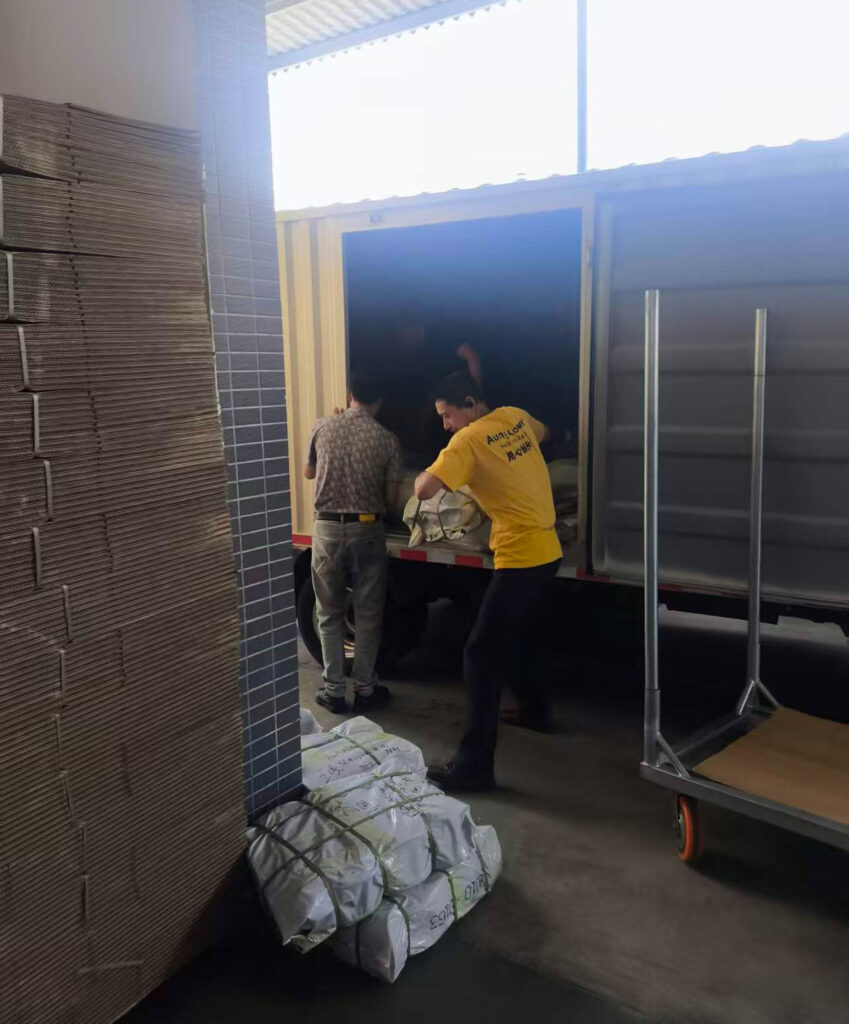
Sea Freight vs Air Freight
Sea freight + customs clearance + delivery:
About 10-14 days
Air freight:
About 4-6 days, but with much higher shipping costs
Our Recommendation
- For small orders or first orders, air freight is usually safer
- For repeat orders, sea freight is more cost-effective
Providing shipping options in advance makes your factory look more professional and experienced.
6. What Singapore Hat Buyers Care About Most
From our experience, Singapore customers mainly care about three things:
Clear Communication
Use simple and direct English during discussions.
On-Time Delivery
Even a small delay can affect customer trust.
Stable Product Quality
Consistency is more important than low prices.
If the first order goes well, Singapore customers often place repeat orders for custom hats and caps.
Summary
Singapore is not a low-end market for hats and caps. It is a market that pays attention to details.
Although order quantities may not always be large, Singapore customers can help factories improve product quality, production management, and export processes.
If your factory can satisfy Singapore customers, handling US and European hat buyers will become much easier.

I’m Kailyn, the founder of Aung Crown. I’ve spent over a decade “in the trenches” of the hat and clothing trade, learning exactly what it takes to make a product stand out. I’m a bit of a perfectionist when it comes to design and quality, but that’s because I care about your brand’s success as much as you do. Whether you need production advice or post-sales support, I’ve got you covered every step of the way.