Intro
Our warehouse is always empty? Let me tell you why.
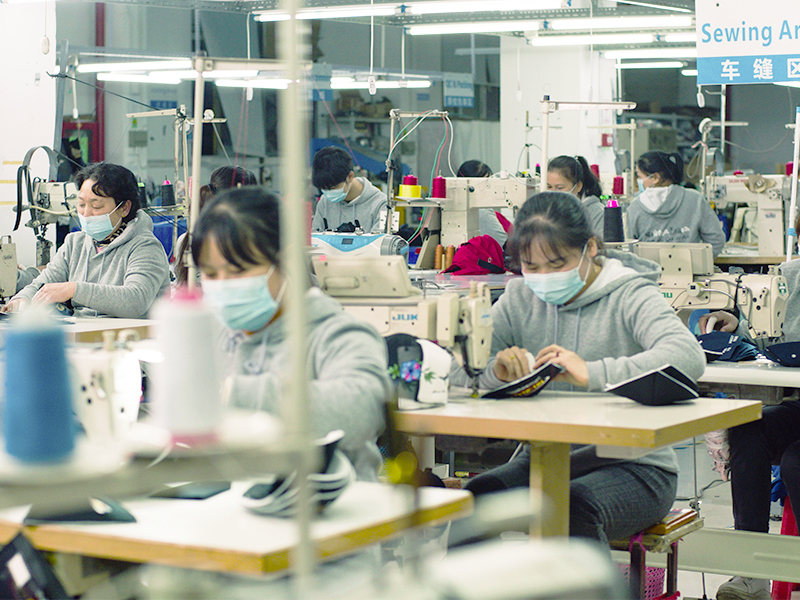
I’m the boss lady here, and I handle all our overseas orders. Every time clients visit, they ask, “Why is your warehouse so empty? Don’t you keep any extra hats in stock?” Honestly, I take that as a compliment. The secret is simple: we don’t sell to end consumers, and we never chase trends. That’s how we avoid the inventory trap from day one. Here’s our “zero-stock” logic, straight from the factory floor.
1. We only take B2B custom orders – we produce on demand, never for stock
We don’t make “ready-to-sell” hats. Every order comes from a client’s real need.
Say a client wants 1,000 baseball caps. We produce exactly “1,000 + 5% extra” for quality backup – that 5% is only to replace any defects during production, not to overproduce. If those extra caps pass inspection, we ask the client, “Want to take these too?” They usually say yes, because a few extra pieces are handy for emergency restocking. If they don’t want them, no problem – these are custom hats with their brand logo, so nobody else can use them anyway. They won’t become our dead stock.
Unlike B2C factories that pile up inventory hoping for retail sales, our goods are “born with an owner.” How could we have leftovers?
2. No trend-chasing means no “out-of-date” disasters
Trends change overnight – today it’s checkerboard prints, tomorrow it’s wide-brimmed sun hats. But we don’t jump on bandwagons.
We let our clients decide what styles fit their brand and market. Our job is simply to turn their designs into high-quality hats. One client once wanted us to copy a viral influencer style and said, “Let’s stock 1,000 – they’ll sell like hotcakes.” I looked at their brand identity – outdoor functional gear – and told them straight: “This floral style doesn’t match your image. If it flops, you’ll be stuck with inventory.” They listened, went with their own custom design, and it became their best-selling classic.
We don’t gamble on fads, so we never get stuck with outdated stock. That rule has saved us countless times.
3. We work hand-in-hand with clients – shared risk, no blind production
B2B clients care most about precise quantity control. We help them calculate carefully.
First order? Start small – say 500 pieces for a test run. If sales take off, they reorder, and we move fast. We keep basic fabrics and trims in stock, so we can deliver 2,000 caps in just 3 days. Just last week, a client rushed an extra 3,000 after their test run – we shipped in 48 hours. The client said, “At your speed, I don’t need to hold any inventory – I just order what I sell.” That’s a true win-win.
If a client changes their mind mid-production, we talk openly about what can be modified and how to minimize waste – we never scrap materials and turn them into unclaimed stock.
On the payment side, we take a deposit before production and settle the balance before shipping. We never tie up our own cash, and every dollar is backed by a real client order. No guesswork, no gambling.
Summary
At the end of the day, the key to low inventory is simple: don’t be greedy
Don’t chase “viral hits” by stocking up. Don’t overproduce “just in case.” Just follow your clients’ actual needs.
For a B2B factory, inventory isn’t “unsold goods” – it’s dead money weighing you down. We put all our energy into getting every custom order right, rather than piling up hats that have no home.
So next time you visit and ask why our warehouse is empty, the answer is easy: Because your order is our inventory.
If you have custom hat needs, let’s talk. We’ll help you figure out exactly how many hats you need – and not one more.

I’m Kailyn, the founder of Aung Crown. I’ve spent over a decade “in the trenches” of the hat and clothing trade, learning exactly what it takes to make a product stand out. I’m a bit of a perfectionist when it comes to design and quality, but that’s because I care about your brand’s success as much as you do. Whether you need production advice or post-sales support, I’ve got you covered every step of the way.