Japanese customers have exceptionally high standards for hats. In this market, proactive prevention is always better than reactive correction. If you’re new to exporting hats to Japan, here are several key points worth paying close attention to.
1. Compliance Is the Foundation
Japan’s textile regulations are highly detailed, and even small oversights can create problems.
Fabric Testing Requirements
All fabrics should pass formaldehyde testing. We always provide third-party test reports with shipments to avoid customs clearance delays.
Labeling Standards
Care labels should include both Japanese and English information, covering:
- Fiber composition
- Washing instructions
- Manufacturer information
Labels are typically required to be sewn into a designated position inside the hat, usually at the center back area.
Children’s Hat Safety Requirements
For hats intended for children aged 0–6 years, additional safety standards may apply.
Examples include:
- Drawstring lengths must meet safety limits
- Small accessories must pass relevant safety requirements
- Metal components may require nickel-free testing

2. Details Matter Down to the Millimeter
Japanese buyers are known for extremely strict quality inspections. A “close enough” mindset rarely works.
Embroidery Accuracy
Even minor inconsistencies can be rejected.
For example:
- Embroidery density must remain consistent throughout production.
- Missing stitches or uneven stitching often require rework.
Cap Shape Symmetry
The overall silhouette must be precise.
Common inspection points include:
- Symmetrical side panels
- Consistent seam placement
- Uniform brim curvature
Many factories use dedicated curvature templates during sample approval and mass production.
Loose Thread Control
Loose threads are often considered unacceptable.
Japanese customers generally expect:
- No visible loose threads
- Clean interior finishing
- Hidden seam ends whenever possible
3. Understand Local Preferences and Usage Scenarios
Japanese consumers often evaluate products based on practicality and everyday usability.
Summer Hats: Maximum Breathability
Because summer humidity can be high, customers often prefer hats with enhanced ventilation features.
Popular solutions include:
- Lightweight fabrics
- Moisture-wicking sweatbands
- Hidden ventilation eyelets
Winter Hats: Lightweight Warmth
Consumers generally prefer warmth without bulk.
Many successful winter designs feature:
- Lightweight fleece linings
- Higher knitting density
- Slimmer overall profiles
Avoid Sensitive Elements
Before production, carefully review:
- Religious symbols
- Politically sensitive graphics
- Controversial wording
- Certain color combinations that may carry cultural implications
Customer approval is always recommended before finalizing artwork.
4. Packaging and Shipping Create the First Impression
Japanese customers place significant value on presentation and unboxing experience.
Individual Packaging
Each hat can be packed in a protective dust bag or PE bag.
Many clients prefer:
- Easy-open packaging
- Clear handling instructions
- Clean and professional presentation
Carton Markings
Outer cartons should include clear handling information such as:
- “This Side Up”
- “Do Not Stack”
- “Handle With Care”
Japanese labeling is often appreciated.
Material Compliance Verification
All packaging materials should be checked before shipment.
Examples include:
- Brim inserts
- Adhesives
- Cardboard components
Any uncertain materials should be verified with the customer in advance.
Our Recommended Practice
For Japanese orders, we issue a Pre-Production Confirmation Form approximately seven days before production begins.
The document clearly confirms:
- Fabric testing results
- Construction details
- Artwork specifications
- Packaging requirements
Production starts only after receiving customer approval.
Japanese customers are not being difficult—they are focused on protecting consumer trust and maintaining consistent quality standards. Meeting these expectations often helps manufacturers improve their overall production systems and product quality.
If you are planning to export hats to Japan and would like professional manufacturing support, feel free to contact us.
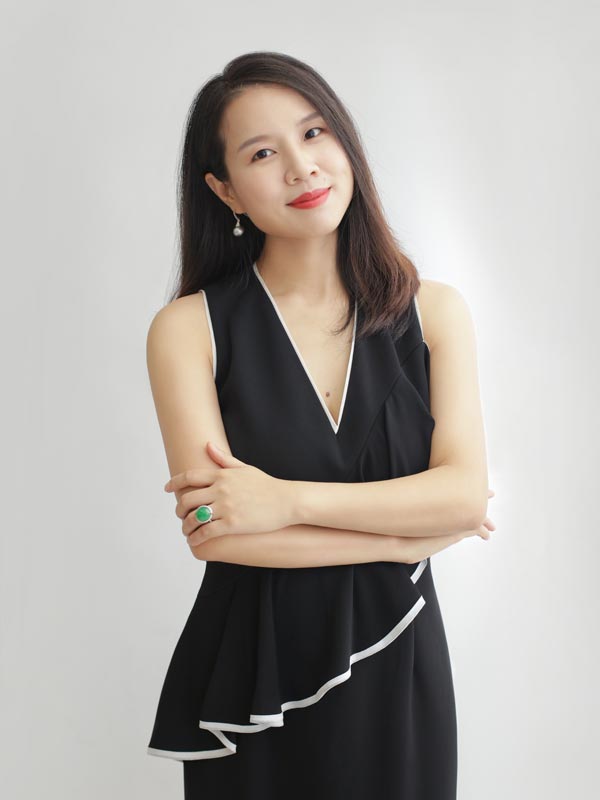
I’m Kailyn, the founder of Aung Crown. I’ve spent over a decade “in the trenches” of the hat and clothing trade, learning exactly what it takes to make a product stand out. I’m a bit of a perfectionist when it comes to design and quality, but that’s because I care about your brand’s success as much as you do. Whether you need production advice or post-sales support, I’ve got you covered every step of the way.