Intro
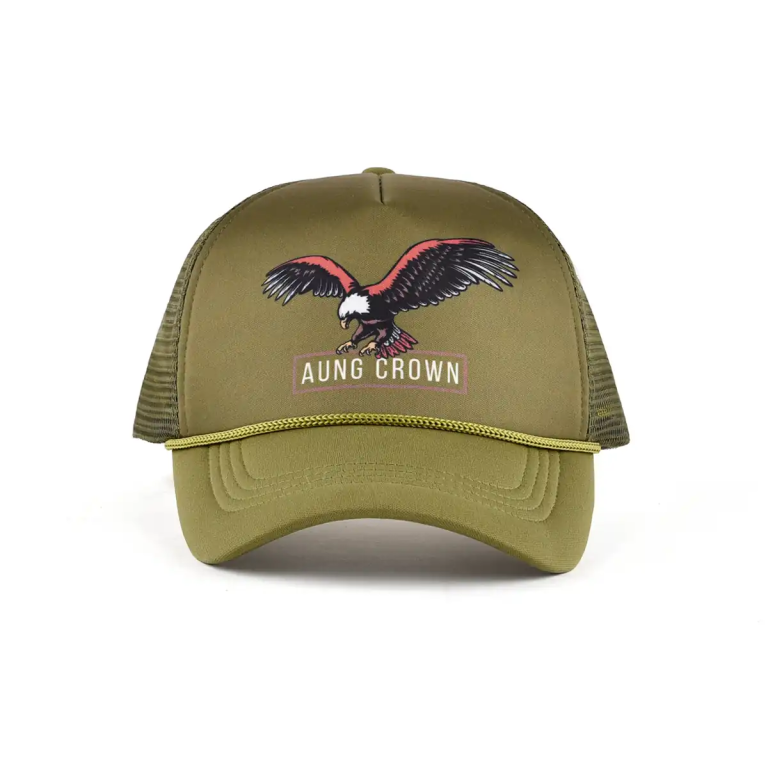
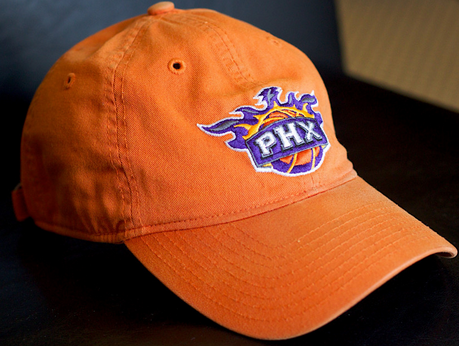
Private label hats are a great way to build your own brand using a factory’s production capacity. But success depends on how clearly you communicate with your supplier from the beginning. Here are some practical tips to help you avoid common mistakes and reduce risks.
1. Be clear about your requirements and write every detail into the contract
- Materials: Don’t just say “cotton fabric.” Be specific, such as “21-count combed cotton” or “80% cotton + 20% polyester.” This helps prevent factories from using lower-quality materials. Also clearly define materials for the brim lining and adjustment buckle.
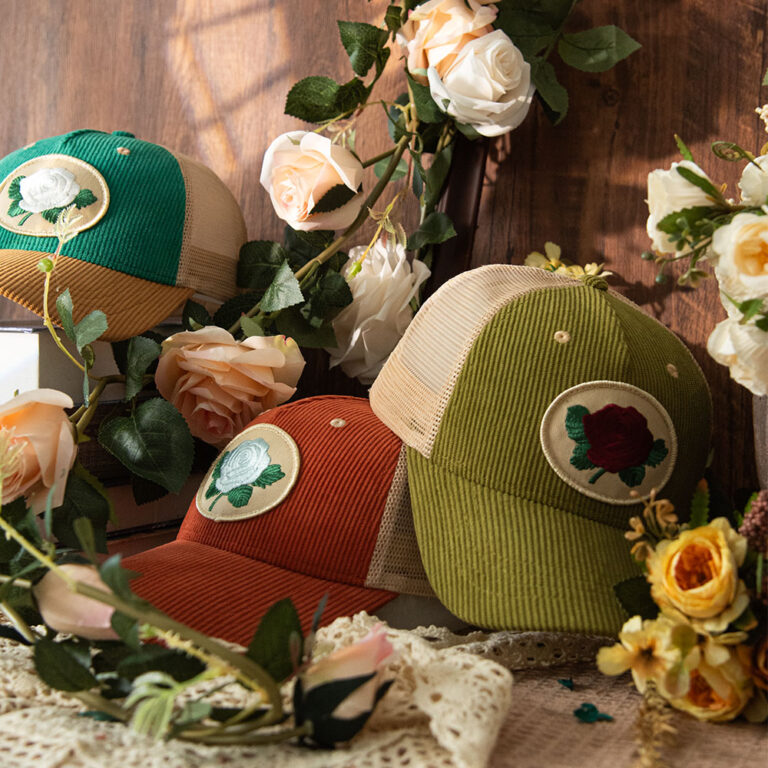
- Craftsmanship: Specify embroidery type like “flat embroidery” or “3D embroidery,” and thread thickness if needed. For printing, clearly state “water-based printing” or “rubber printing,” and whether eco-friendly ink is required. Even stitch density can be included to avoid quality disputes later.
- Hat design and sizing: Provide a sample hat or detailed technical drawings. Include measurements such as crown depth, head circumference, and brim length to avoid differences between the sample and final product.
2. Choose the right factory instead of just choosing a big one
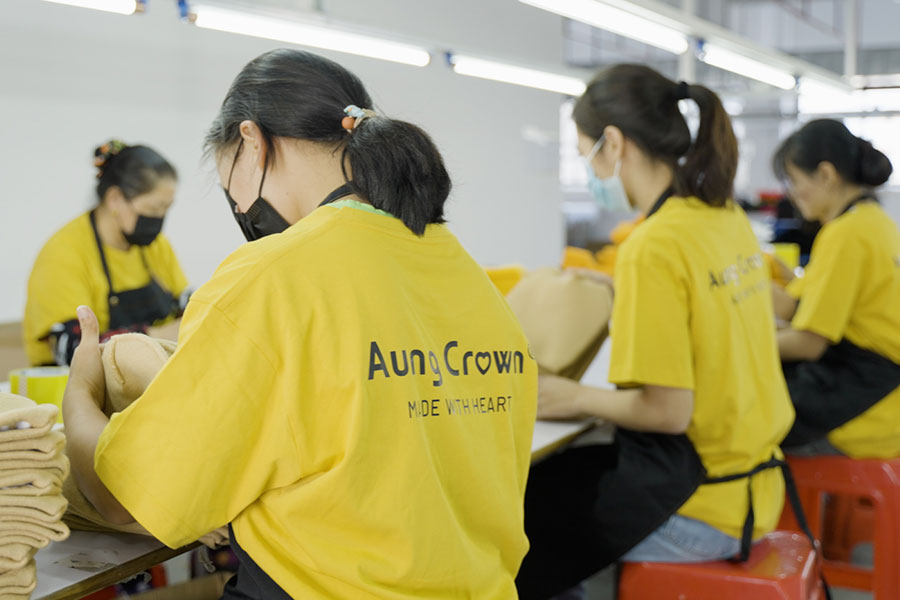
- For small private label orders (for example, a few thousand pieces), small and medium factories are often more cost-effective. Large factories usually have higher minimum order quantities and more complex processes.
- When selecting a factory, you had better focus on their experience with similar products. If you are making embroidered streetwear caps, choose a factory that has worked with streetwear or fashion brands before. They usually understand what details matter most to younger customers.
3. Control costs, but don’t save money in the wrong places
- If a factory offers a very low price, check the hidden quality details, such as the adjustment strap, embroidery durability, or printing glue. Cheap materials may lead to peeling, breaking, or customer complaints later.
- Set aside a quality inspection budget. If you cannot visit the factory yourself, hiring a third-party inspection service can help ensure consistent quality and avoid problems like crooked hats, loose threads, or uneven stitching in bulk orders.
4. Don’t ignore brand compliance and legal requirements
- Register your trademark early to avoid legal issues after production starts.
- Make sure all labels and hangtags include required information such as brand name, material composition, production standards, and safety category. This is especially important if you plan to sell on e-commerce platforms or in retail stores.
Final thoughts From Aung Crown
Private label hat manufacturing is all about making use of a factory’s production power to improve your own brand. The more detailed your communication is at the beginning, the fewer problems you will face later.
If you are new to private label hats, it is always recommended to start with a small trial order first to test product quality and market response, and then scale up gradually.

I’m Kailyn, the founder of Aung Crown. I’ve spent over a decade “in the trenches” of the hat and clothing trade, learning exactly what it takes to make a product stand out. I’m a bit of a perfectionist when it comes to design and quality, but that’s because I care about your brand’s success as much as you do. Whether you need production advice or post-sales support, I’ve got you covered every step of the way.