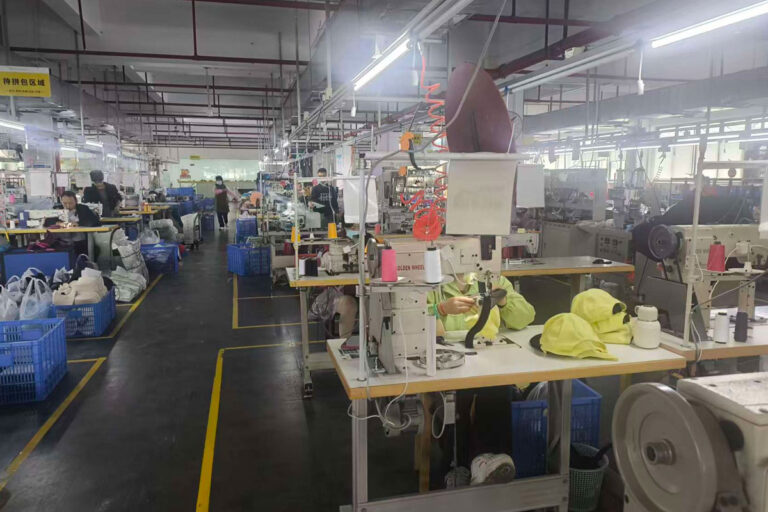
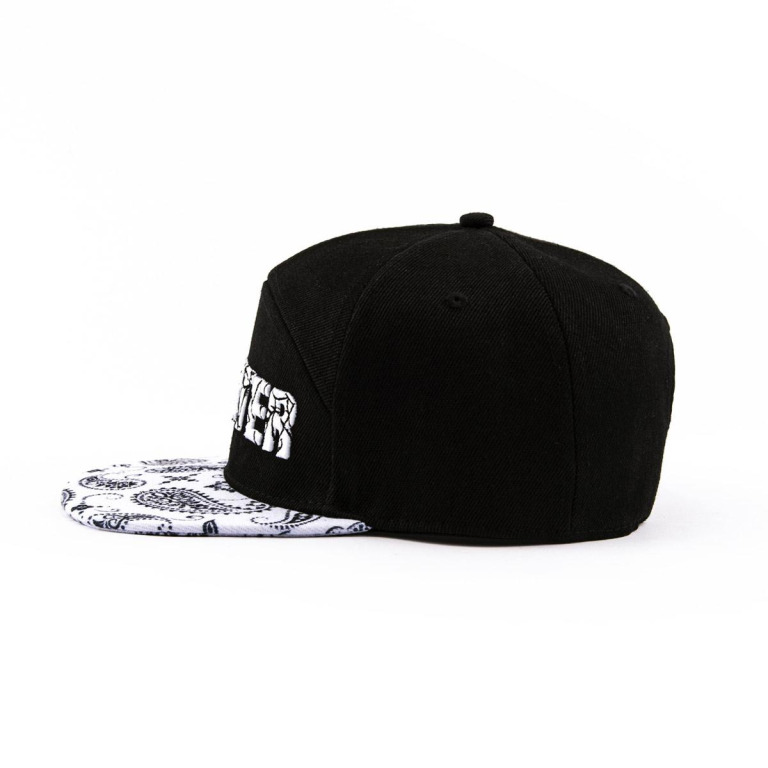
Having worked in the hat industry for over 20 years, I’ve noticed a significant increase in Korean clients in the last two years, with increasingly detailed requirements. Our factory is located in Shenzhen, primarily producing baseball caps, bucket hats, and knitted hats. We do both OEM manufacturing and custom orders. Below are some key points I’ve encountered while exporting to Korea, offered as a reference for fellow professionals and those interested in entering the Korean market.

I.Not all hats require certification, but “children’s hats” are a different story
Many clients immediately ask:
“Do your hats have KC certification?”
It is crucial to clarify:
Adult hats (for regular wear): Generally, KC certification is not required.
Children’s hats (under 13 years): ! KC certification is mandatory.
We have encountered situations where:
The client did not specify it was a children’s style.
We quoted prices based on adult hats.
We ended up having to obtain certification later, increasing both time and cost.
Lesson learned: When accepting orders from Korea, the first question must be: Is this a children’s hat?
II. Korea is very strict about “labels,” unlike Europe and America
Korea places great importance on label compliance. Basic requirements:
- Must have a Korean label.
- Clearly state the material composition.
- Country of origin: MADE IN CHINA (must be indicated).
- Washing instructions (icons + Korean for better assurance).
- Importer/distributor information.
! Many customers say, “I’ll label it myself,” but if customs inspects the goods, the problem will still be traced back to the factory.
Our current practice is: Customer confirms label template → Factory produces according to template.
III. Fabric and Accessory Testing Is Stricter Than Many Expect
Common items that Korean customs may inspect include:
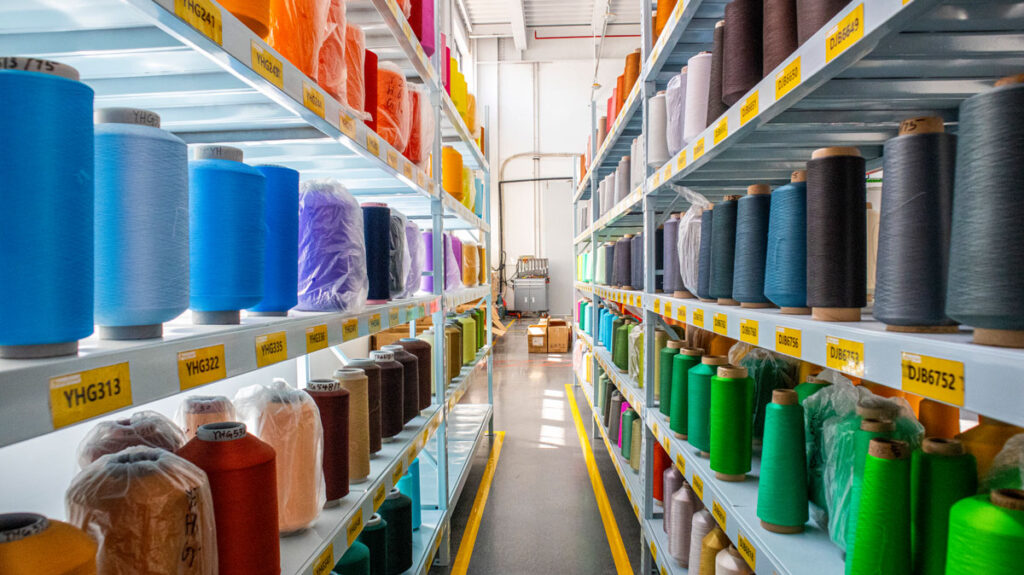
- Formaldehyde content
- Azo dyes
- Heavy metals in buttons, decorations, and prints
Particular attention is often given to:
- Dark-colored hats
- Printed designs
- Metal buttons
- Magnetic snap closures
To reduce risks, we generally recommend that customers:
Conduct SGS or BV testing before shipment.
Even when customers do not specifically request testing, proactive testing can help avoid problems later.
IV. Korean Customers Pay Close Attention to Details
From a factory perspective:
Korean customers may not always offer the lowest prices, but they are highly detail-oriented.
Common focus areas include:
- Neat stitching
- Smooth brim curvature
- Accurate logo placement
- Whether the hat profile fits Korean head shapes
One particularly important point:
The average adult head circumference in Korea is approximately 56–58 cm, while many standard hats produced in China are sized at 58–60 cm.
This difference can significantly affect fit and customer satisfaction.
V. Packaging and odor are hidden pitfalls
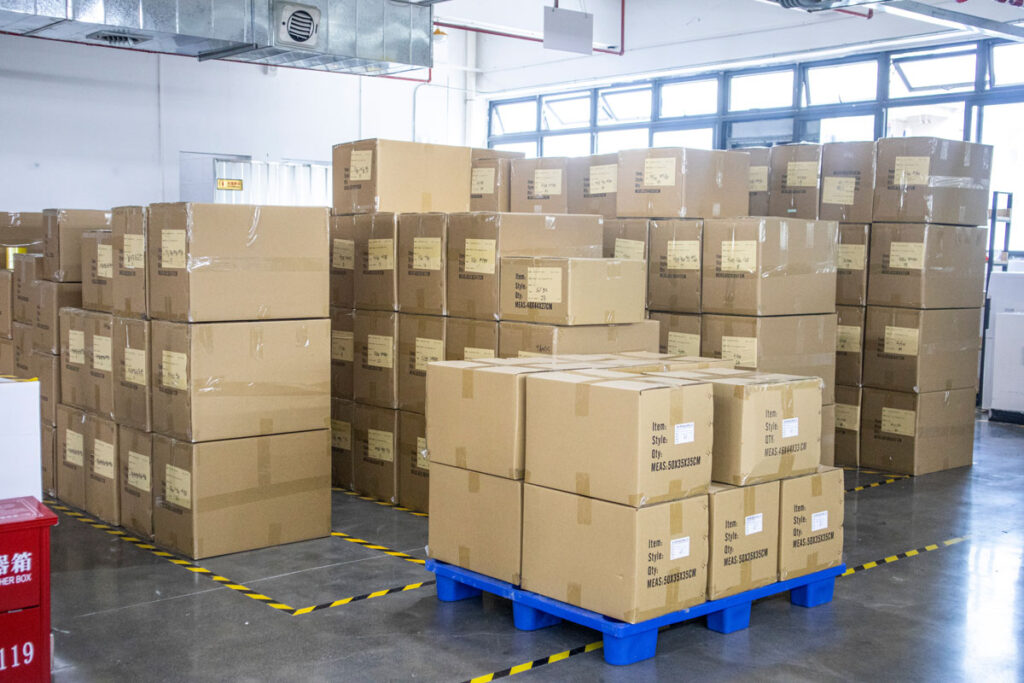
Korean customers are very sensitive to odors. For our shipments to Korea:
- We ventilate each OPP bag for 1–2 days before shipping.
- Whether or not the bag needs to be perforated must be confirmed in advance.
VI. Our three suggestions for those wanting to enter the Korean market
- 1) Start with adult hats – low cost, simple process, and ample room for trial and error.
- 2) Prepare a set of “Korean customer information,” including: product images, material specifications, compatible testing items, and label examples.
- 3) More important than price is cooperation. Korean customers value: smooth communication, willingness to cooperate with modifications, and reliable delivery dates.
Finally, from the perspective of our Shenzhen hat factory:
The Korean market is not large, but it is stable with a high repurchase rate.
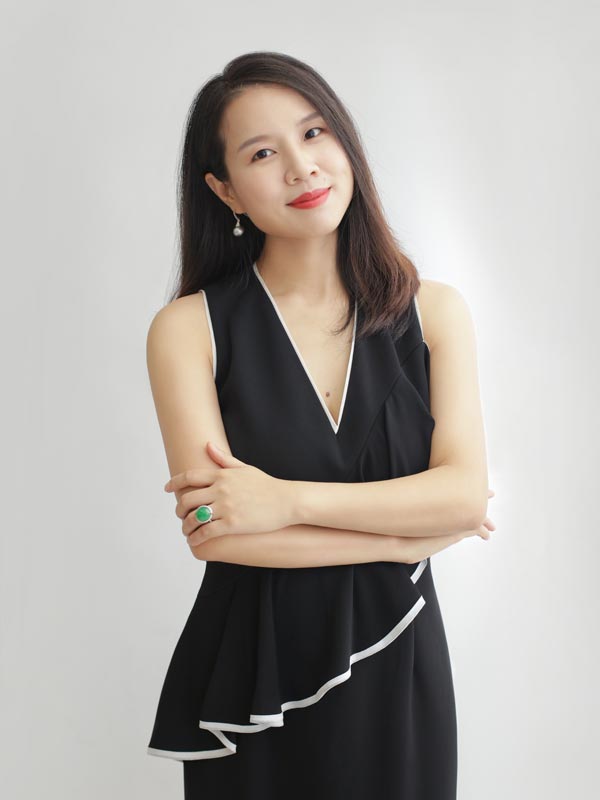
I’m Kailyn, the founder of Aung Crown. I’ve spent over a decade “in the trenches” of the hat and clothing trade, learning exactly what it takes to make a product stand out. I’m a bit of a perfectionist when it comes to design and quality, but that’s because I care about your brand’s success as much as you do. Whether you need production advice or post-sales support, I’ve got you covered every step of the way.