Introduction
A client sent me a design and asked:
“Which printing method should I use for this logo?”
Actually, the choice is not just about the design. Quantity, design complexity, fabric color, hand-feel, and even the hat material (cotton, polyester, or blend) all affect the final decision.

Here I break down the 3 most common hat printing methods, plus key points on material compatibility and durability, to help you get it right in one go.
1. Screen Printing
Best for: Simple logos, solid colors, and large orders
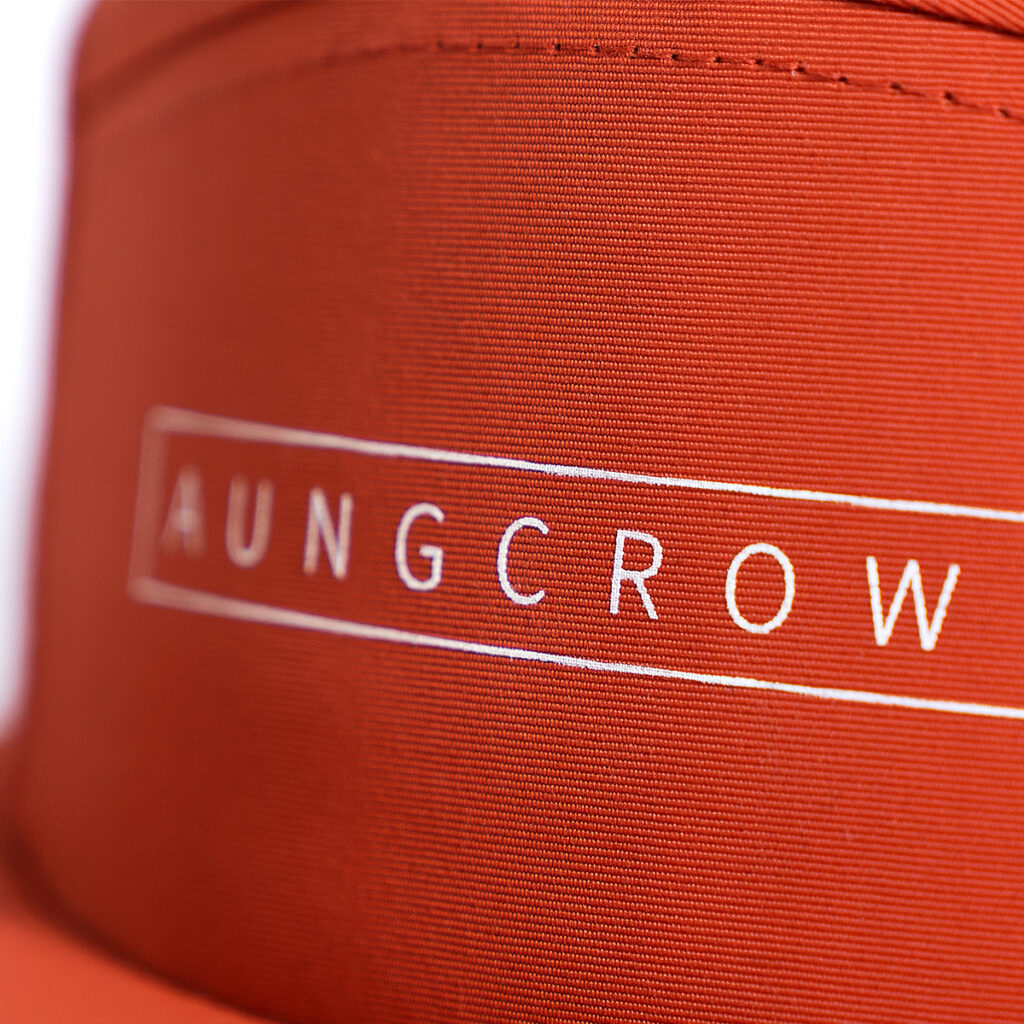
One color equals one screen. Ink is pushed through the screen onto the hat.
- Pros: Strong coverage, vibrant colors, works well on dark fabrics. Cost per hat drops significantly with larger quantities.
- Cons: More colors mean higher setup and registration costs. Not suitable for gradients or photo-like images.
- Material note: Works great on cotton and cotton-poly blends. On high-polyester fabrics, use special ink or pre-treatment to ensure good adhesion.
- Durability: With quality ink and proper curing, this is the most wash-resistant option – colors can stay bright for years without fading or peeling.
👉 Ideal for brand logos, letters, simple graphics, and orders of 100+ pieces (where screen printing becomes very cost-effective).
2. Heat Transfer Printing

Best for: Small orders and detailed designs.
The design is printed onto a transfer film or paper, then heat-pressed onto the hat.
- Pros: Excellent for fine details, gradients, illustrations, and complex artwork. No setup fee – cost per piece is fixed, so it’s flexible for small runs.
- Cons: May have a slight plastic-like feel and reduced breathability. After many washes, edges may curl or peel slightly.
- Material note: Sublimation transfer works best on polyester – colors are bright and long-lasting. On cotton, use heat-press vinyl (which has a stronger film feel).
- Durability: Slightly lower than screen printing. Dark transfers may show wrinkles at edges after frequent machine washing. Hand-washing or turning inside out helps extend life.
👉 Perfect for test orders, complex illustrations, gradients, and orders of under 100 pieces.
3. Digital Direct Printing (DTG)
Best for: High-quality feel and personalized designs.

Think of it like a printer that sprays ink directly onto the fabric.
- Pros: Great detail, smooth color transitions. When done well, the print feels almost like the original fabric – very little film feel.
- Cons: Works best on light colors. For dark hats, a white ink base is needed, which adds cost and complexity.
- Material note: Cotton gives the best results – ink absorbs well and holds up. Polyester or dark blends need special inks and pre-treatment, which can increase cost and make the print feel stiffer.
- Durability: Good for normal use, but after many machine washes, you may see 10–20% light fading (normal). Wash in cold water, inside out, to minimize fading.
👉 Ideal for designer pieces, high-end custom orders, small batches, and projects where both design and hand-feel are top priorities.
So, how do you choose?
I usually look at these 3 factors, plus one more on material:
1. Quantity drives cost
- Large orders (e.g., 100+ hats) – screen printing gives the lowest per-unit cost after setup fees are spread out.
- Small orders (e.g., dozens of hats) – heat transfer or DTG have no setup fees, so they are more flexible and cost-effective.
2. Design drives performance
- Simple logos or solid blocks – choose screen printing.
- Complex illustrations or gradients – choose heat transfer or DTG.
3. Fabric color drives coverage
- For dark hats, always test the white ink or opaque ink coverage – don’t just trust the on-screen mockup.
- For light hats, both screen and DTG work well, but DTG feels softer.
4. Material determines adhesion
- Cotton – DTG or water-based screen ink are most durable.
- Polyester – sublimation transfer or special screen inks are more reliable.
- Blends – need testing; usually screen printing or heat-transfer vinyl works best.
One final, crucial tip:
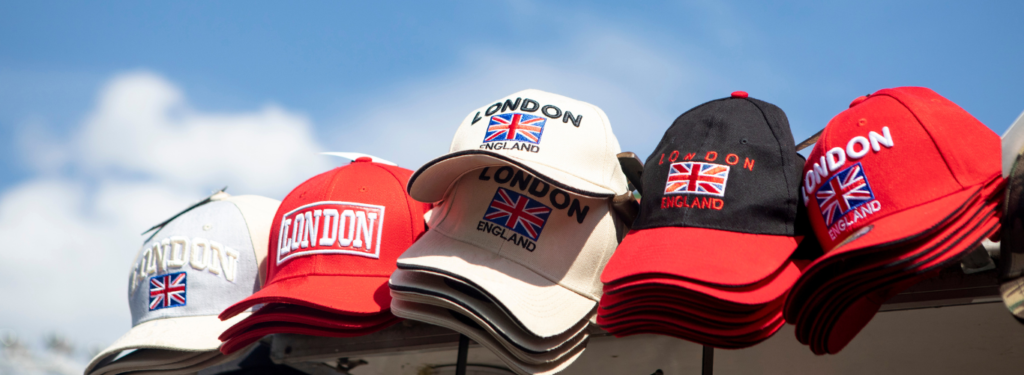
Always make a sample first! The actual product can look very different from the screen image, especially for dark colors or complex designs. Spending a small amount on a test sample can save you from a whole batch going wrong.
So when a client sends me a design, I never say “this one is the best” right away. Instead, I consider quantity, design, color, and material together to give the most suitable recommendation.
Quantity drives cost, design drives performance, fabric color drives coverage, and material drives durability.
Choose the right process, and you’ll get the best balance of final look, cost, and feel.

I have over 25 years of experience in hat and apparel manufacturing. With a steady and detail-oriented approach, I oversee factory production and team operations, ensuring reliable quality and on-time delivery for customers worldwide