Intro
For factories, what do “streetwear hats” and “branded hats” mean? Having worked in custom hat manufacturing for over 20 years, I’ve found the real difference isn’t which is more high-end, but rather the different development methods, management styles, and supply chain requirements. Below are five key areas where they diverge.

1. Development Focus
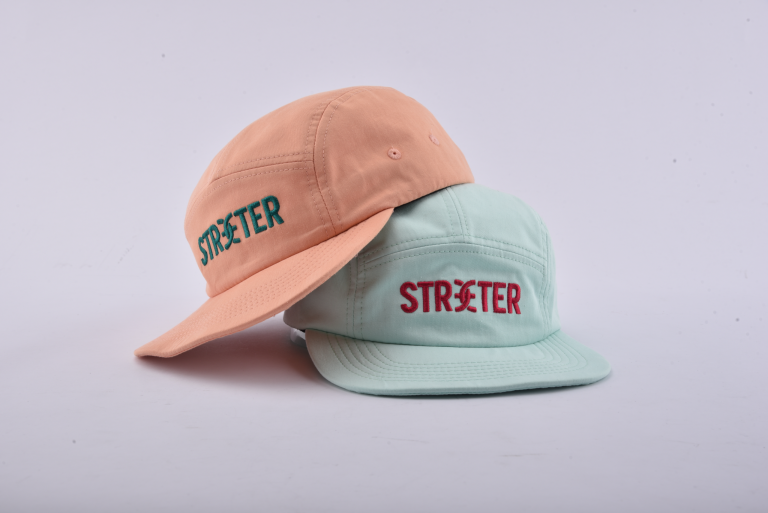
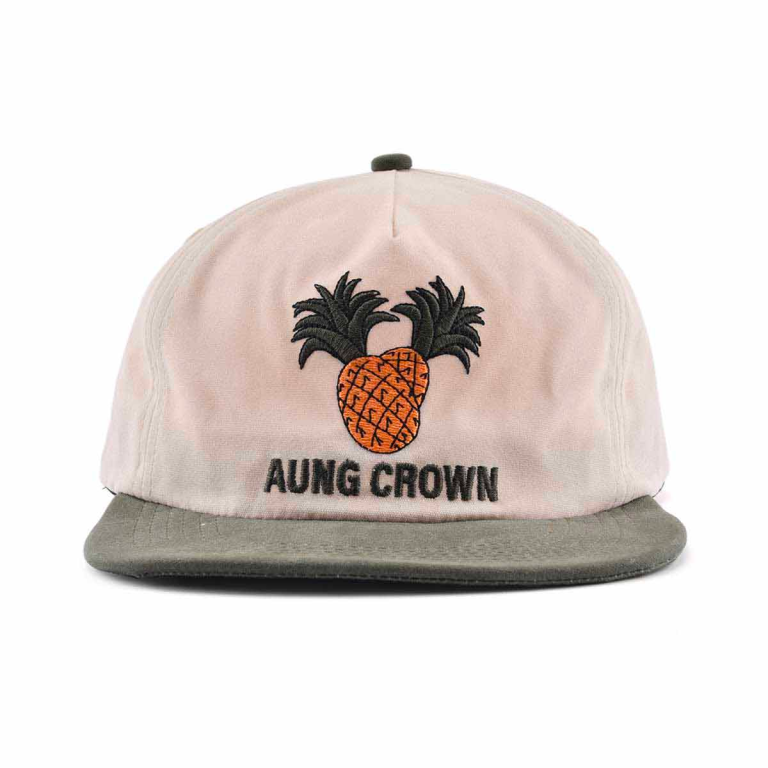
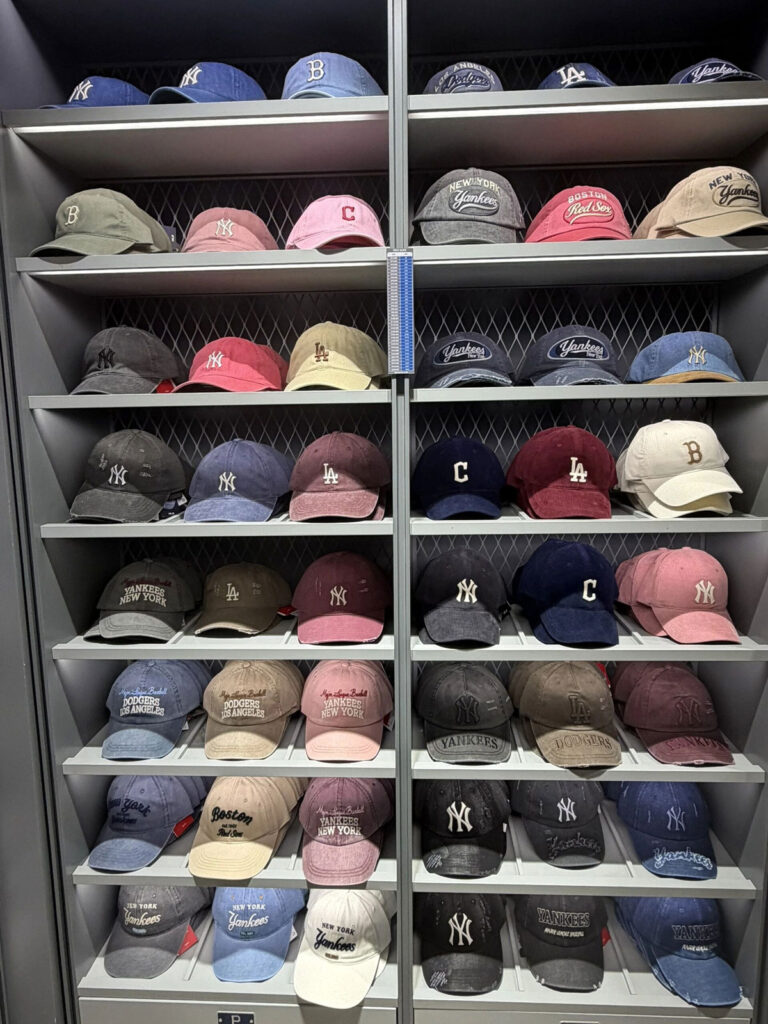
Streetwear custom hats emphasize design expression, unique hat shapes, proportions, large-area 3D embroidery, distressed finishes, washed effects, patchwork fabrics, and limited-edition color schemes. Often, the greatest value of a hat comes from its design details. Branded custom hats focus more on the product system. Besides design, they consider: a unified series style, long-term sales cycle, consistent restocking, sustainable cost control, and ensuring each product integrates into the overall brand product line.
2. Sampling Approaches
Streetwear clients are usually more willing to repeatedly adjust details. A slightly shallower hat depth, a lower brim curvature, more 3D embroidery, a more aged wash – sometimes a single hat undergoes several rounds of modifications. Branded clients typically have a more standardized process: size specifications, color cards, process sheets, PP samples, and bulk order confirmation samples. The key is consistency across every subsequent batch.
3. Supply Chain Requirements
Streetwear clients demand rapid development, small-batch prototyping, multi-process combinations, and quick response.
In practice, our MOQ for streetwear starts at 50–100 pieces, with a sampling lead time of 3–5 working days (rush samples in 24 hours at extra charge).
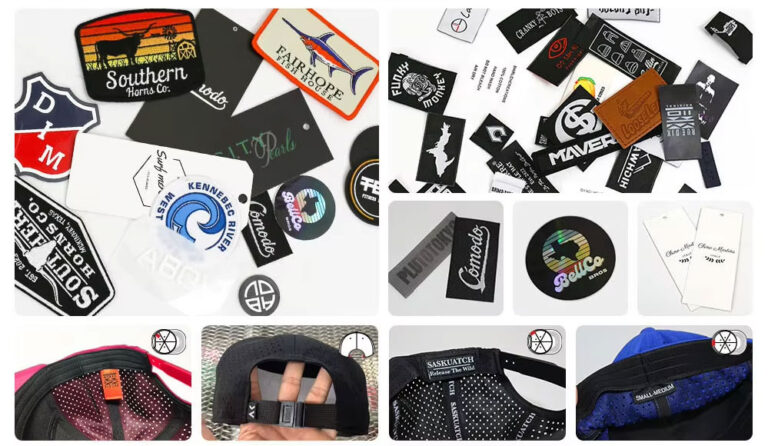
Brand clients require stable delivery times, consistent quality, standardized production, and complete quality control processes. Their MOQ typically ranges from 500 to 1,000 pieces, with a sampling cycle of 7–10 working days to accommodate full size grading, lab dips, and test reports.
Consequently, the per-unit cost for streetwear orders is often 20–30% higher than for equivalent brand orders, due to frequent process changes and smaller batch runs. The resources invested by the factory – from pattern makers to washing specialists – will also differ accordingly.
4. Order Pace
Streetwear orders are more frequent in small batches, with rapid updates, frequent testing, and quick replenishment of best-selling items.
A typical streetwear client may place 3–5 small orders per month, each for 50–200 pieces, and reorder hot styles within 1–2 weeks. Brand orders show more pronounced quarterly development, longer single-item lifecycles (often 6–12 months per SKU), more stable replenishment plans (e.g., seasonal top-ups of 300–500 pieces every 2–3 months), and clearer annual planning. The total annual volume for brand accounts is usually 5–10 times larger than for streetwear accounts, but the per-order frequency and design variability are far lower.
5. Factory Cooperation Methods
For streetwear clients, we usually spend more time researching processes and effects together. For brand clients, we focus more on process standards, quality control, delivery management, and batch stability. Both cooperation methods require professional capabilities, but with different focuses.
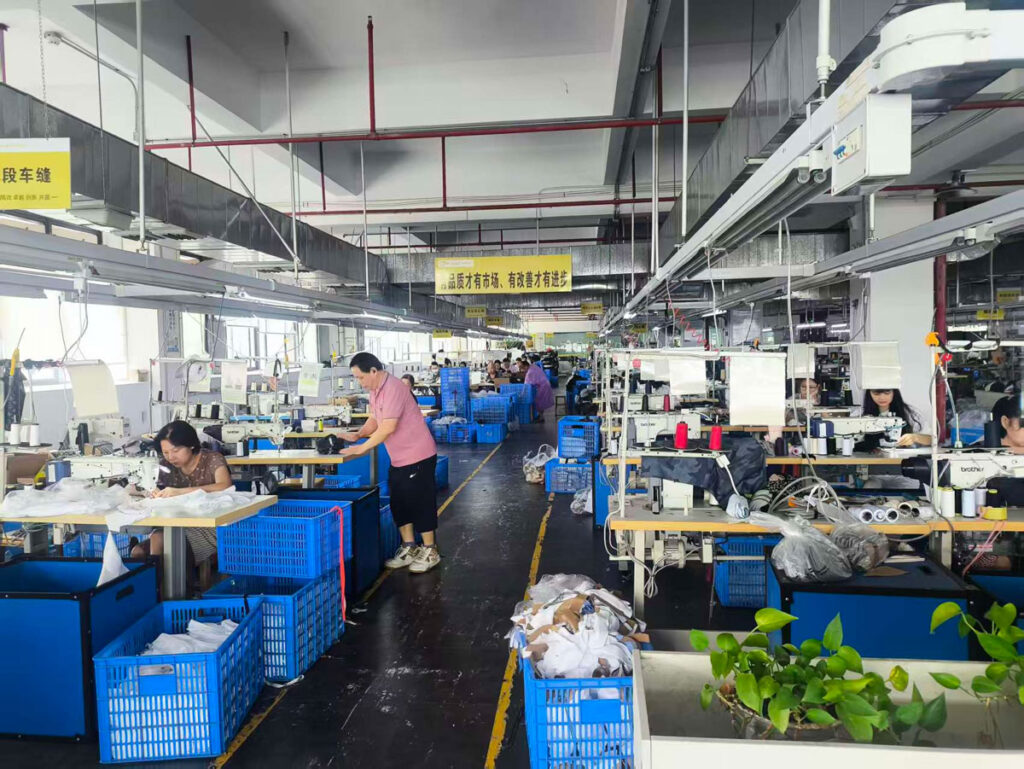
Real factory case: Last year, we worked with a streetwear label from Los Angeles on a distressed denim cap. They requested 7 rounds of sample revisions – changing the brim curvature, wash intensity, and embroidery puff height – before final approval. The final order was only 80 pieces, but the unit price was 28% above our standard rate. In the same period, we produced a classic cotton twill cap for an outdoor brand. They placed an initial order of 2,000 pieces with a strict AQL 1.0 inspection standard. We delivered the PP sample once, got approval, and shipped in 25 days. They reordered twice with identical quality, requiring zero design changes. Both clients were satisfied, but our internal project management – from the sampling team to the production line – was completely different for each.
Conclusion
Many people think streetwear focuses more on design, while brands focus more on quality. In practice, we’ve found that mature streetwear brands also value quality, and mature brands also pay close attention to design. The real difference lies in project management methods. Design-driven projects require a supply chain with rapid development capabilities. Brand-driven projects require a supply chain with long-term stable delivery capabilities. Both types of clients deserve serious service; finding a suitable cooperation method is more important than simply distinguishing between “streetwear” and “brands.”

I’m Kailyn, the founder of Aung Crown. I’ve spent over a decade “in the trenches” of the hat and clothing trade, learning exactly what it takes to make a product stand out. I’m a bit of a perfectionist when it comes to design and quality, but that’s because I care about your brand’s success as much as you do. Whether you need production advice or post-sales support, I’ve got you covered every step of the way.