Intro
Many people heading out for a hike treat a hat as an afterthought: “I’ll bring one if I remember; if not, whatever.” Especially in summer, they skip it because it feels too hot; in winter, they skip it because it feels like a hassle.
But did you know? Your head loses and absorbs heat faster than any other part of your body. A suitable hat can not only make your hike more comfortable, but also protect your safety when it matters.
Today, let’s break it down from four angles: why you should wear a hat outdoors, and how to choose one.
Why You Should Always Wear a Hat When Hiking Outdoors?
1.Sunscreen
This is the most basic, yet most easily overlooked, function of a hat.
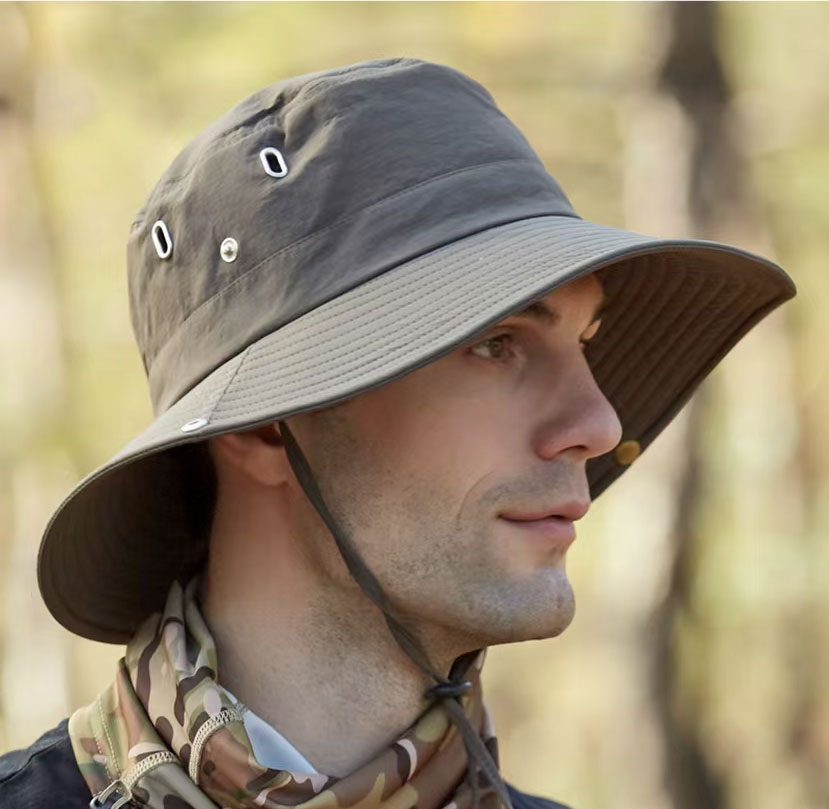
When hiking in the summer, many people only remember to apply sunscreen to their face, while their neck and ears get sunburned. Even worse, their hair and scalp can also get sunburned. Ultraviolet rays can make hair dry, frizzy, and prone to breakage; long-term sun exposure can also affect hair follicle health, leading to thinning hair .
Prolonged exposure of the head to strong sunlight can impair concentration and judgment during exercise, and can indeed cause “sunburn brain damage.”
How to choose a suitable sun hat:
- Consider the brim: Wide-brimmed bucket hats and boonie hats are the best choices. The wide, round brim provides 360-degree protection for the face, neck, and ears , making them the best option for summer or areas with high UV radiation.
- Look at the label: Buy products with “UPF>40+”.
2.Keep warm and protect against the cold
In winter or at high altitudes, the head loses heat extremely quickly. A cold wind can cause body temperature to drop rapidly.
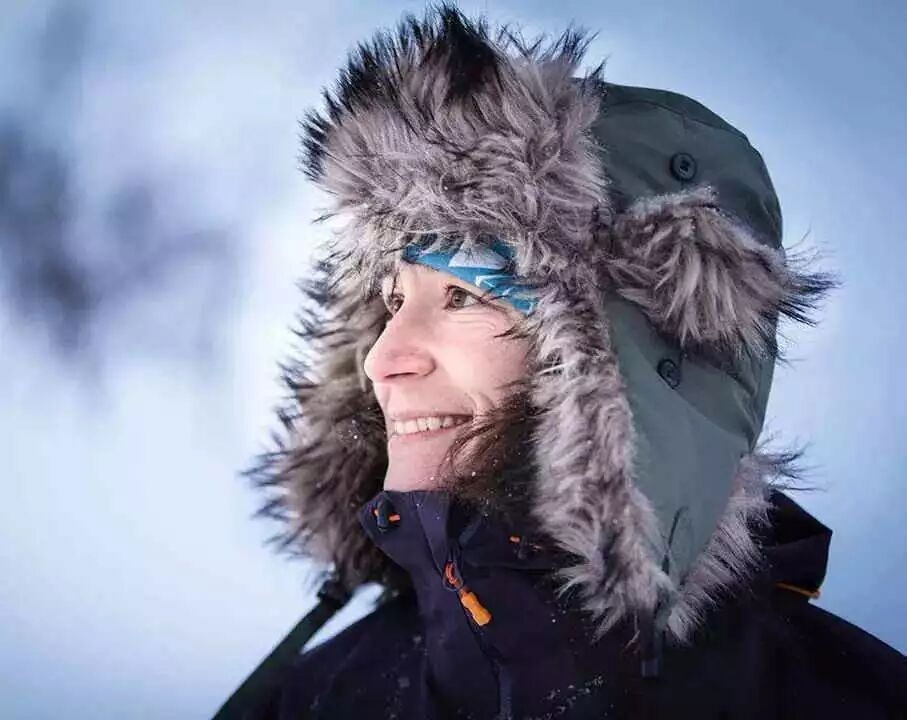
When the temperature is below zero, the head can emit more than 30% of the body’s heat, so wearing more clothes without a hat is pointless.
Even more dangerous is that getting a cold head can easily trigger headaches and colds, and in severe cases, it can even lead to hypothermia.
How to choose a warm hat:
- Check if it covers the ears: In winter, the ears are the most easily overlooked part of keeping warm. A hat that doesn’t cover the ears will only reduce its warmth by half.
- Consider the material: fleece or wool, choose one; other materials are either not warm or not breathable.
- For high altitudes or windy days: Choose a thicker one, preferably one that can be pulled down below the chin.
3. Prevent injuries
When hiking through dense forests, branches and thorns are most likely to scratch your face and forehead. A sturdy hat is your “mobile protective shield”.

On scree slopes and cliff sections, small stones may fall from above. While ordinary hats won’t stop large boulders, they can cushion the impact of small falling rocks. For rock climbing or canyon routes, it is recommended to choose a hat with a hard shell or protective lining.
Another practical function is keeping out insects. In summer, there are many small flying insects in the mountains, and the hat can prevent them from falling into your hair .
How to choose a hat to protect yourself:
- When hiking through dense forests: choose a hat with a stiff brim that can hold up the branches; a soft, floppy hat will still scratch your face.
- When walking on a scree slope: Choose a hat with a hard shell or lining for protection. Ordinary hats won’t stop the rocks, but this kind can cushion the impact.
- In places with many insects in summer: a fisherman’s hat is best, as the brim can keep the insects out.
- If you’re unsure which route to take, a fisherman’s hat is the safest choice; it can protect you from tree branches and insects, and the brim is large enough.
4. Windproof and rainproof
The weather in the mountains changes in an instant. A gust of wind can blow an ordinary hat away. A downpour can leave a cotton hat soaked, heavy, and not warm at all.
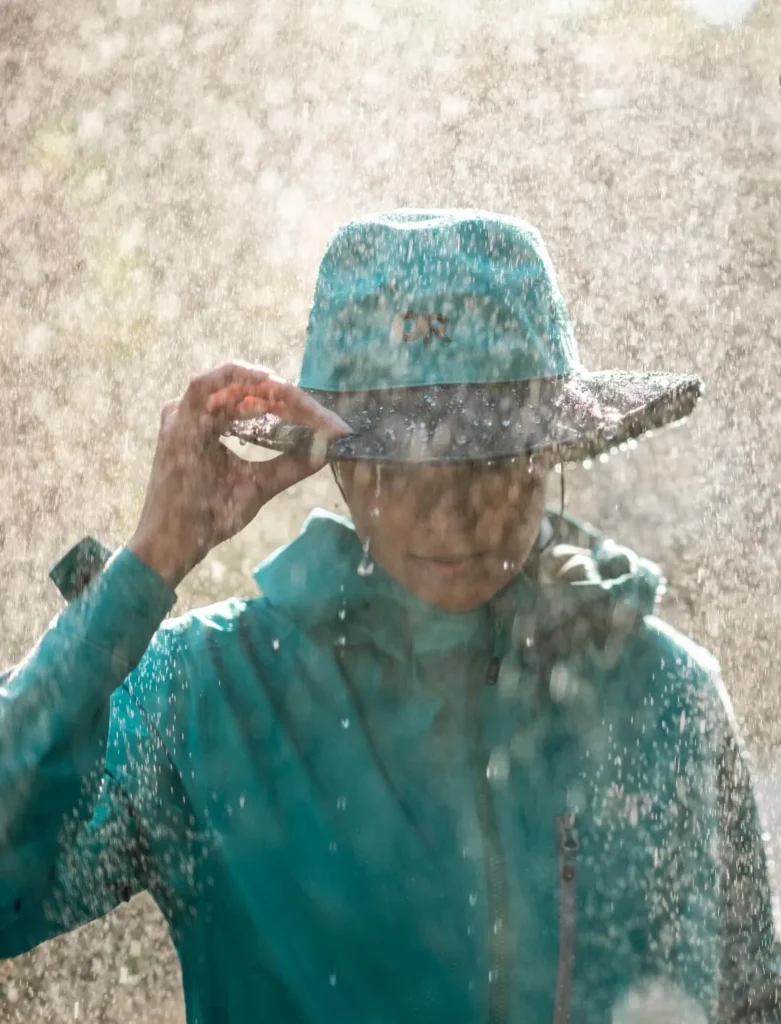
A windproof and rainproof hat will give you more peace of mind in unexpected weather. Hats with securing straps are especially important on ridgelines.
In addition, the rain hat can be used in conjunction with the hood of the windproof jacket for double protection, making it less likely for rainwater to get into the neck.
How to choose a hat that is both windproof and rainproof:
- There must be a fixed rope: this is the bottom line. If a gust of wind comes over the ridge, a hat without a rope will disappear in an instant.
- Material: Fisherman’s hats and bob hats made of waterproof fabrics such as Gore-Tex should be chosen; never choose pure cotton. Keep your head dry in rainy or humid environments to prevent heatstroke.
A Hat Can Be as Useful as Half an Outfit!

I’m Kailyn, the founder of Aung Crown. I’ve spent over a decade “in the trenches” of the hat and clothing trade, learning exactly what it takes to make a product stand out. I’m a bit of a perfectionist when it comes to design and quality, but that’s because I care about your brand’s success as much as you do. Whether you need production advice or post-sales support, I’ve got you covered every step of the way.