Introduction
In the custom hat industry, the cut and pattern determine the hat’s appearance, while the washing process directly determines its texture, feel, and style. New pure cotton hats inherently possess the stiffness and sheen of industrial fabrics, and the washing process is the core step in giving the hat a relaxed, vintage feel.
Currently, the mainstream processes on the market are enzyme washing, stone washing, and sand washing. Many brands have encountered problems with custom hat production, such as batch color differences, thinner fabrics, limp hats, pilling, and fuzzing. The root cause is often choosing the wrong process and inadequate quality control.
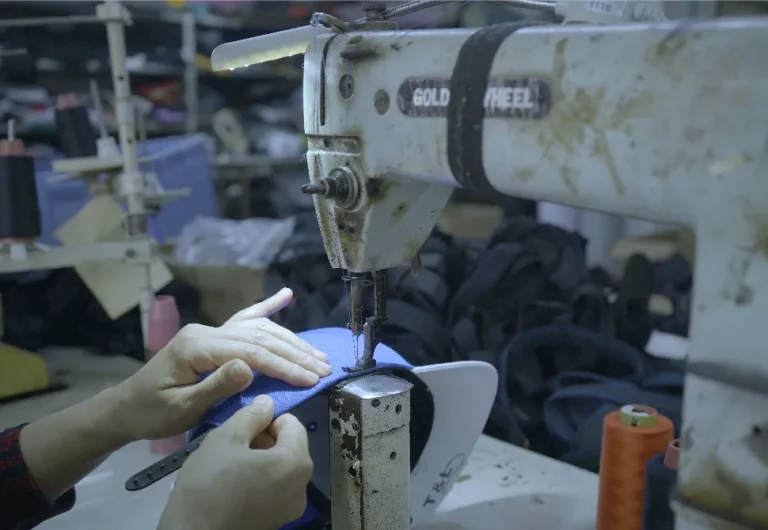
Aung Crown specializes in the production and customization of hats , boasts an independent, standardized washing workshop. Leveraging years of practical experience in foreign trade and trendy brand customization, the company accurately distinguishes the stylistic differences between three washing processes and has established a comprehensive quality control system.
Today, we will delve into the texture characteristics, applicable styles, and key quality control points of these three processes to help brands accurately select the right materials and achieve stable mass production of high-quality washed hats.
Enzyme Washing: Basic gentle water wash, a versatile and essential product
Enzyme washing is the most basic and reliable washing process for hats, focusing on a gentle softening effect. It is also the preferred process for Japanese-style minimalist, casual hats. Through the degradation of the surface sizing and cotton fiber burrs by bio-enzymes, there is no strong physical friction; it only optimizes the fabric texture without deliberately distressing or bleaching.
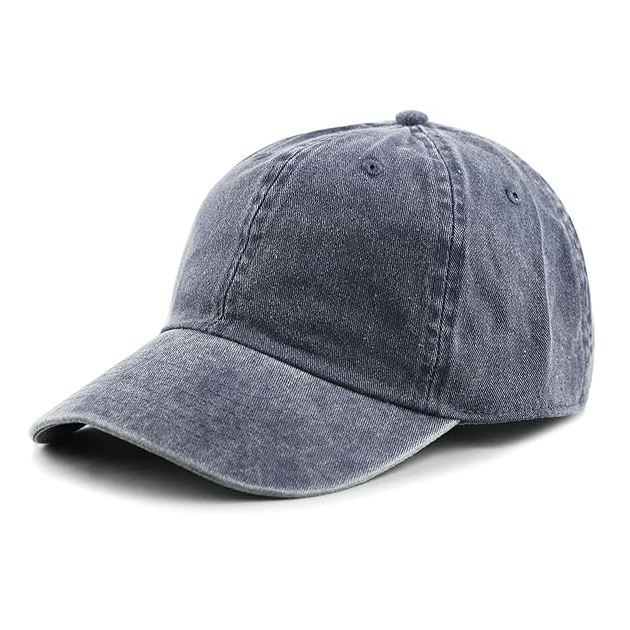
The finished product has a uniform and translucent color, shedding the stiff shine of new fabric to present a natural matte texture; it feels soft and skin-friendly, completely solving the problems of a stiff top and chafing when wearing a new hat, greatly improving wearing comfort. The biggest advantages of this process are stable pattern, low shrinkage, zero color difference, washability and durability , no damage to the fabric’s toughness, suitability for long-term bulk production, and can be freely combined with embroidery, watermarking and other processes, making it extremely versatile.
Key quality control points: Strictly control the concentration of enzymes and soaking time to avoid excessive corrosion and thinning of the fabric; thoroughly neutralize and rinse after washing to prevent residual sizing from causing color fading later; use low-temperature setting to lock in moisture and strictly control the shrinkage rate of pure cotton fabrics to ensure uniformity in the pattern of the entire batch of goods.
Suitable for various occasions: basic styles, casual work hats, lightweight outdoor hats, and corporate custom hats, emphasizing versatility, practicality, and understated quality.
Stone Washing: A popular retro distressed style, the king of American workwear vibes
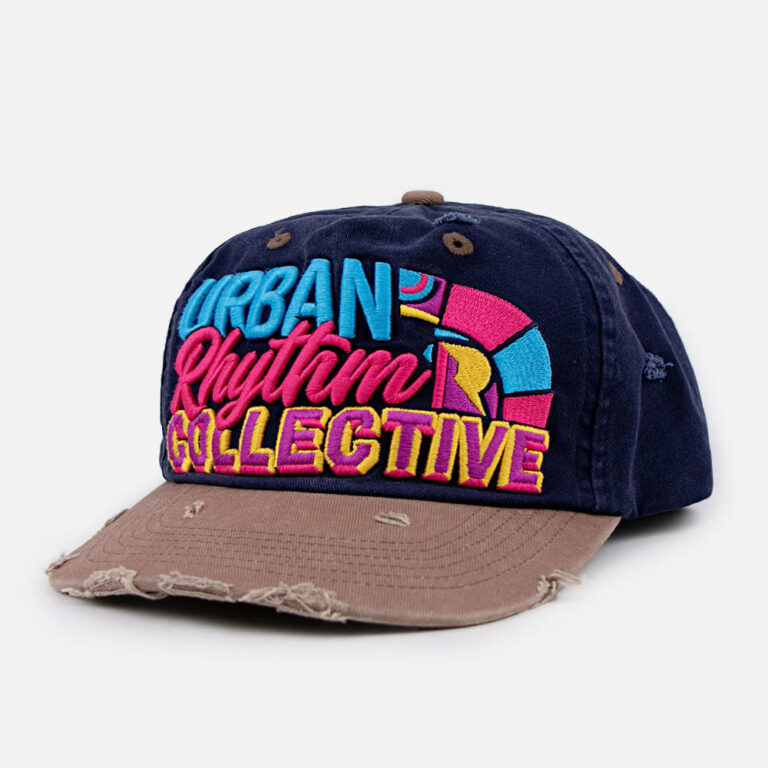
Stone washing is the core technique for a deep retro look. It uses a physical friction process of “natural pumice stones + washing aids” to naturally age the hat body through tumbling and polishing. This technique has become a hit with outdoor and American workwear brands in recent years. Unlike the understated and gentle effect of enzyme washing, stone washing creates a strong sense of wear and tear.
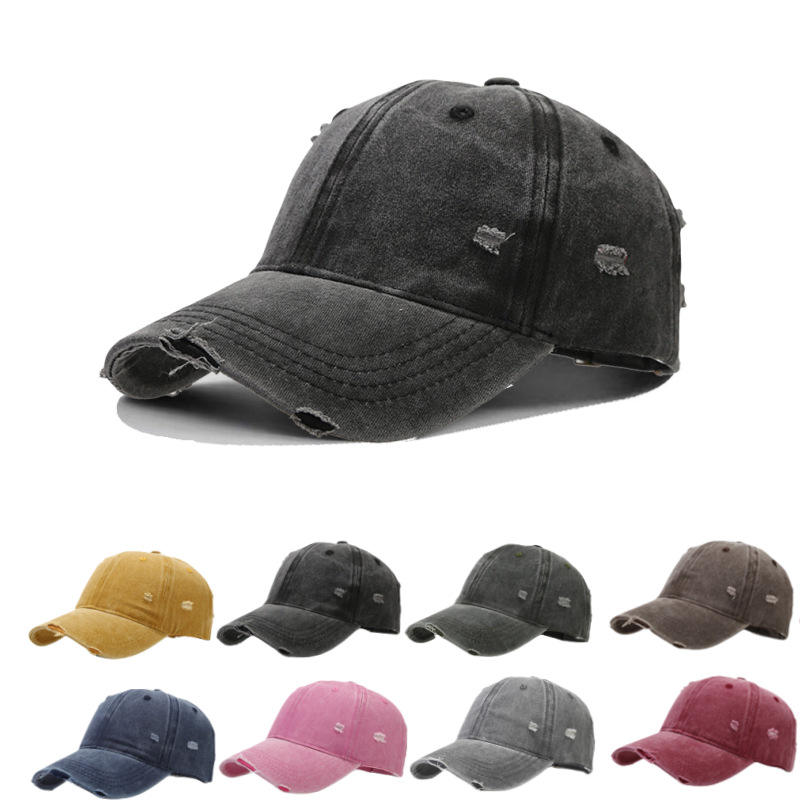
The finished product exhibits a natural, faded look at the brim, seams, crown, and side seams, creating distinct light and dark areas and a relaxed, vintage feel that is highly recognizable. The fabric has a slightly grainy texture, breaking away from the rigidity of industrial-grade products and enhancing the overall look. However, this process is subject to variation, and insufficient technical control can lead to uneven wear, localized damage, and batch color discrepancies.
Key quality control points: standardized stone ratios, tumbling speed and duration, and three levels of distressing effects (light, medium and heavy); reinforcement and protection of weak points such as the brim to prevent wear and tear; uniform dyeing and color matching within the same batch, precise control of batch differences, and ensuring a consistent style for the entire order.
Suitable for: American retro, workwear streetwear, outdoor mountain style, and trendy distressed hats.
Sand Washing: A delicate matte texture, exclusive to niche, high-end styles
Sand washing is the most delicate and high-end of the three processes. It uses high-pressure airflow to evenly impact the fabric surface with fine sand, combined with softening agents, to create a unique matte velvet texture, which is different from the rough and worn feel of stone washing.
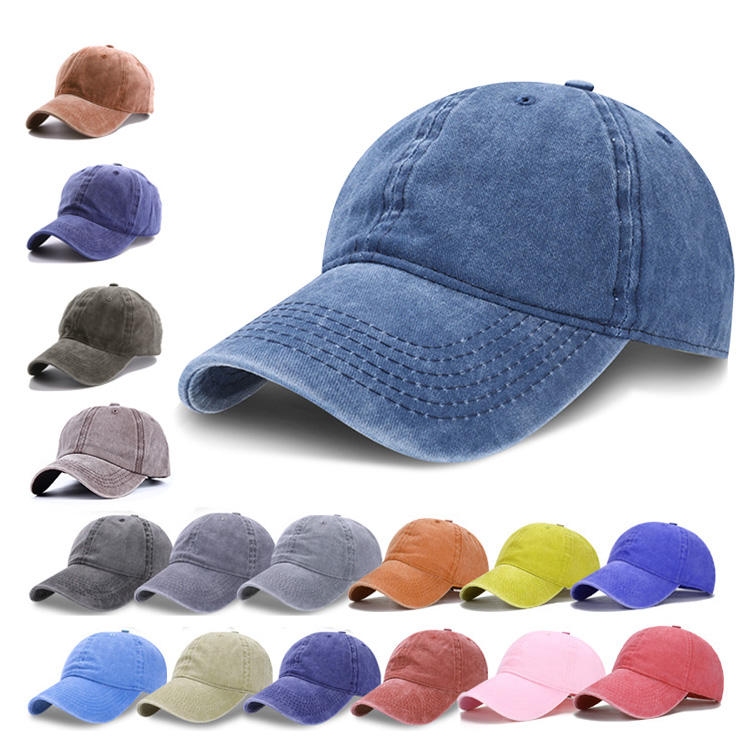
The finished product has a uniform, hazy overall tone, without any abrupt white spots. The fabric surface is slightly napped, with a soft and delicate feel and a sophisticated matte finish. After washing, the hat retains its shape and doesn’t become excessively limp, balancing texture and fit perfectly for niche designer brands and casual luxury styles. Compared to the other two processes, sand washing has a higher barrier to entry, and the equipment and process costs are also relatively higher.
Key quality control points: Precisely adjust the grit size and airflow pressure to avoid excessive pilling or loss of texture in the fabric; ensure symmetrical sand washing time on both sides of the hat to eliminate color difference between the two sides; and apply a post-treatment to lock in the down and shape it to prevent pilling and shedding after long-term wear.
Suitable for: niche designer hats, casual luxury hats, minimalist Japanese high-end hats, and quality clothing items.
Conclusion: Choosing the right washing process ensures stable core product quality
There is no superiority or inferiority among the three washing processes, only differences in suitability: choose enzyme wash for basic versatility and stability; choose stone wash for a retro feel and to stand out from the crowd; and choose sand wash for a high-end texture and niche appeal.
As a source hat factory in Shenzhen, Aung Crown relies on standardized washing workshops and mature quality control systems to accurately implement three washing processes, customize the degree of distressing as needed, and eliminate problems such as color difference, deformation, and damage. With stable quality control, it helps brands create high-quality and highly adaptable best-selling washed hats.
FAQ
No. Washed hats have inherent slight variations. Quality is defined by overall consistency in style, with color, hand feel, shape, and size within agreed tolerances. A good factory manages process parameters rather than pursuing perfect uniformity.

I have over 25 years of experience in hat and apparel manufacturing. With a steady and detail-oriented approach, I oversee factory production and team operations, ensuring reliable quality and on-time delivery for customers worldwide