Intro
Last year, when shipping an order to Thailand and encountered three compliance issues that nearly cost USD 2,000. Luckily, however, these problems were resolved and now we are a long-term supplier of that customer – I want to share these lessons so you can avoid these errors.
1. Children’s Hats Without TISI Marking Were Held by Customs for 7 Days
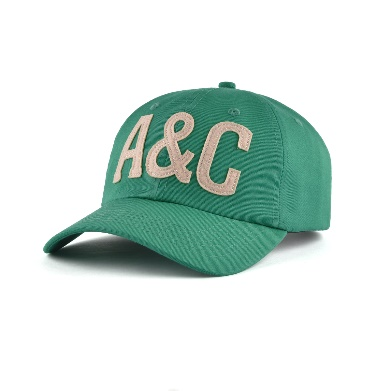
We received an order for 1,000 baby sun hats. At first, we assumed a small order would not require certification, so we shipped without the TISI mark. As a result, the goods were held by Thai customs. We had to arrange certification afterward and work with a local agent, which cost an extra USD 300 and delayed our customer’s product launch.
How to avoid it:
For hats intended for children aged 0-36 months, obtain TIS 2346-2566 certification in advance and attach the required TISI label with a red background and white text inside the back panel of the hat.

2. English-Only Labels Had to Be Replaced
Our first shipment of adult baseball caps had labels printed only in English. Thai customs stated that this did not comply with local consumer protection requirements and required all labels to be replaced with Thai-language versions.
How to avoid it:
All hat labels should include both Thai and English and clearly state:
- Product name
- Country of origin (“Made in China”)
- Fabric composition
- Care instructions
3. No FORM E Certificate Led to Higher Import Duties
For our first shipment, we did not apply for a FORM E Certificate of Origin. As a result, the goods were treated as regular imports, and the customer had to pay significantly higher import duties. The customer later deducted the additional cost from the payment, which greatly reduced our profit.
How to avoid it:
Apply for the FORM E Certificate 1-2 days before shipment. If the hat materials and production meet the origin requirements, the shipment may qualify for ASEAN preferential tariff treatment.
Expert View From Aung Crown
Today, that customer places regular monthly orders of around 2,000 hats and he even introduced local wholesalers to us. Once compliance issues are handled properly, business becomes much more stable.
If you are exporting hats, always research the regulations and import requirements of the target market in advance. It’s also helpful to exchange experiences with us. The more you understand local compliance requirements in Thailand, the smoother your business will be.

I’m Kailyn, the founder of Aung Crown. I’ve spent over a decade “in the trenches” of the hat and clothing trade, learning exactly what it takes to make a product stand out. I’m a bit of a perfectionist when it comes to design and quality, but that’s because I care about your brand’s success as much as you do. Whether you need production advice or post-sales support, I’ve got you covered every step of the way.