Intro
After over 20 years of making baseball caps, we’ve found our three most frequently reordered “versatile colors” that aren’t just about looks — they’re the result of meticulous research and adjustments based on fabric, styling considerations, and customer feedback.
1. Light Khaki – The Most Forgiving Color
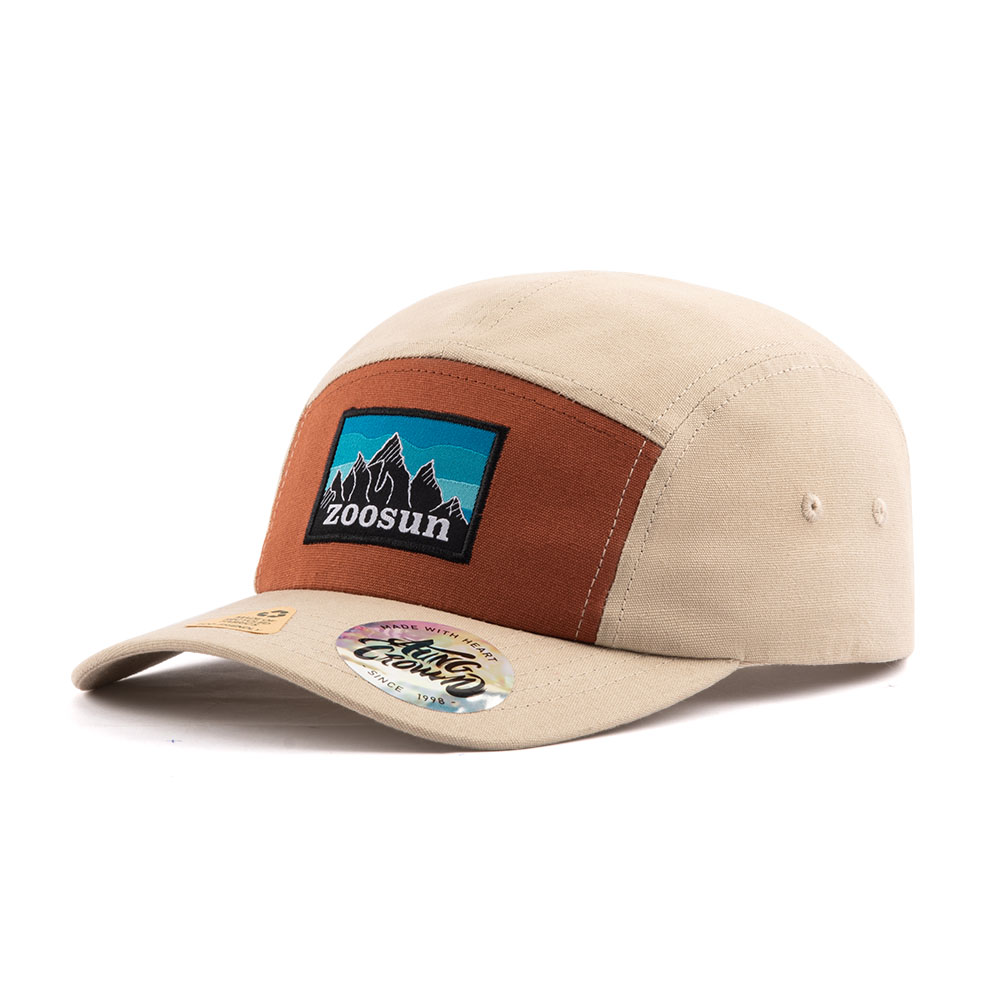
Maximizing its “forgiveness,” our workshop calls it the “universal neutralizing color” for three reasons:
Flattering for all skin tones:
It doesn’t make yellow or dark skin look dull, nor does it clash with cool-toned fair skin.
Versatile for various occasions:
Paired with a T-shirt and jeans, it creates a casual look; paired with a blazer, it softens the formality.
Excellent fabric properties:
We use “washed cotton light khaki,” with a slightly distressed texture. It’s more stain-resistant than pure white, lighter than pure black, breathable in spring and summer, and doesn’t clash with darker clothing in autumn and winter.
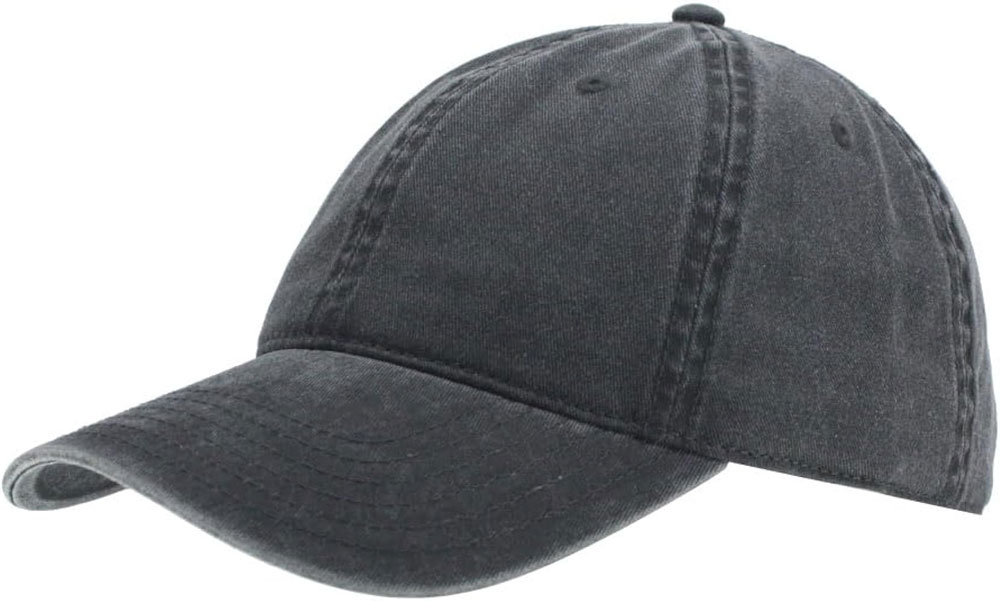
2. Charcoal Gray (not pure black!)
Softer than black, more stable than white. Many people think black is versatile, but factories recommend charcoal gray (a dark gray with 10% white undertones):
Avoids a “dull” look:
Black easily absorbs heat in sunlight, and the inside of the brim can reflect light glaringly. Charcoal gray reflects light more softly.
Doesn’t overpower colors:
Customers have tested this — when wearing bright-colored clothes (such as bright red or bright yellow), a charcoal gray hat can balance the color, preventing a “top-heavy” look; when wearing dark-colored clothes, it adds more depth than black.
High tolerance for craftsmanship errors:
Embroidery and printing on charcoal gray are less prone to color differences (black fabric printed with light-colored patterns tends to appear grayish, while charcoal gray is almost universally compatible with print colors), and rework is rarely needed due to “wrong color” during customization.
3. Dusty Blue – A Versatile Color with a Fresh Feel
A versatile color with a touch of “breathability” — this has seen the fastest-growing reorder volume in the past two years.We can summarize its “versatility secrets” as follows:
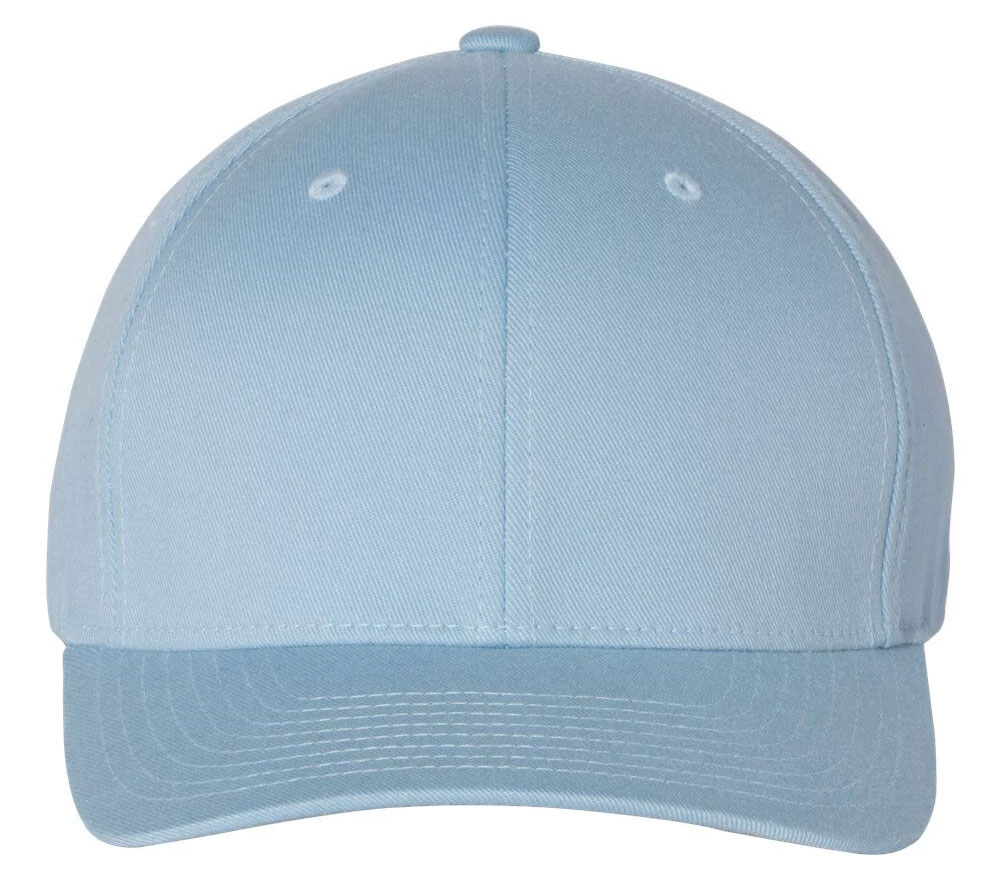
Neutralizes “stiffness”:
Baseball caps are inherently casual, and dusty blue (like the color of a cloudy sky) adds a soft touch. It doesn’t look “too stiff” with cargo pants, nor “too feminine” with a skirt.
Wide age range:
It looks energetic on young people, and doesn’t look childish on those over 30. One customer who ordered matching misty blue outfits for parents and children reported that “it suits both parents and children well.”
Multiple fabric options:
Whether it’s cotton, nylon, or mesh, dyeing misty blue is less prone to problems (high-saturation blue shows significant color variations on different fabrics, while misty blue almost never has this issue), making it easier for customers to choose fabrics when customizing.
The Core Insight From Aung Crown
In fact, the core of a “versatile color” isn’t “it goes with everything,” but rather “it suits everyone, every occasion, and every process.”
When selecting these three colors, we have to consider not only the overall styling effect but also the “rework rate” and “repurchase rate”:
- Light khaki has one of the lowest rework rates.
- Charcoal gray has one of the highest repeat-order rates.
- Dusty blue creates the least fabric waste during production.
For customers, versatile colors mean “less inventory risk” ; for the factory, it means “less communication costs” — truly a win-win situation.
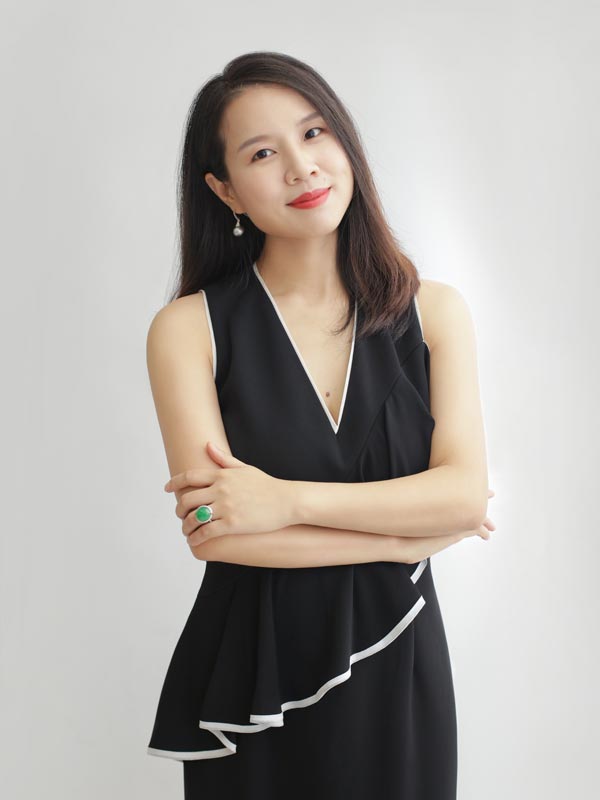
I’m Kailyn, the founder of Aung Crown. I’ve spent over a decade “in the trenches” of the hat and clothing trade, learning exactly what it takes to make a product stand out. I’m a bit of a perfectionist when it comes to design and quality, but that’s because I care about your brand’s success as much as you do. Whether you need production advice or post-sales support, I’ve got you covered every step of the way.